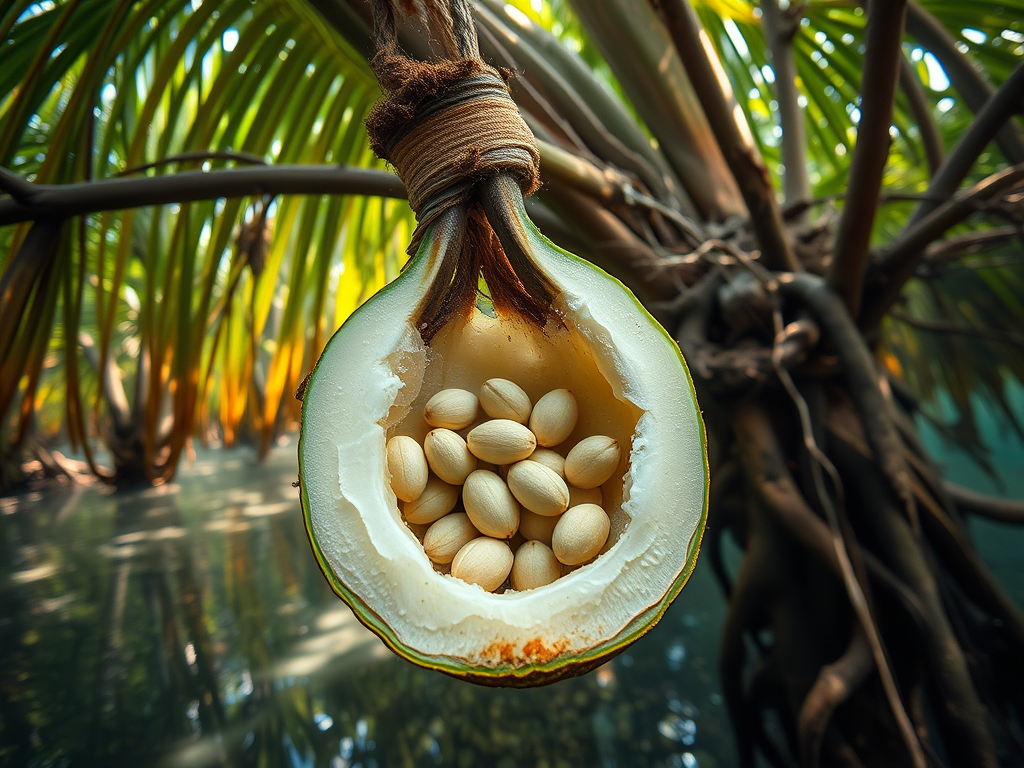
Nipa Palm (Nipa fruiticans) is one of the important tropical mangrove palm trees. It grows abundantly in the tidal coastal area with the mangrove vegetations. Though not very popular among the western population, it is particularly a crowd favourite in India, Bangladesh, Vietnam, Philippines, Indonesia and Malaysia.
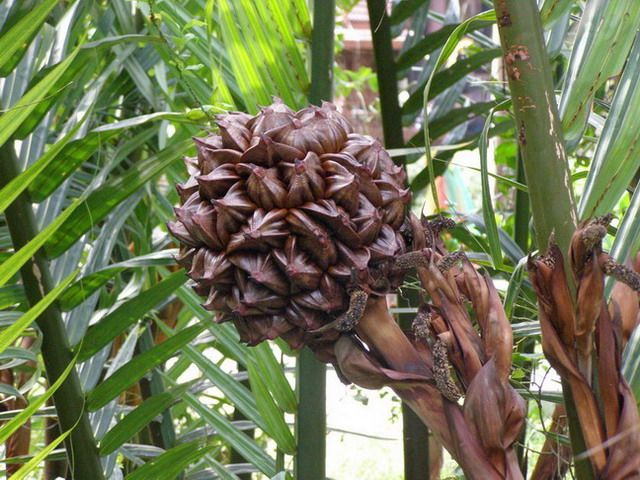
Nipa Palm fruits grow in a cluster. When young, its seeds (endosperm) are soft, juicy, edible and tasty.
Botanical & Ecological Notes
- Native to coastal and estuarine zones across Southeast Asia, India, and the Pacific.
- Unique among palms: its trunk grows underground, with only leaves and fruit stalks visible above the surface.
- Thrives in mangrove ecosystems, helping stabilize shorelines and support biodiversity.
🍽️ Culinary & Cultural Uses
- The immature seeds are eaten raw or preserved in syrup—known as attap chee in Malaysia and Singapore.
- Sap from the flower stalk is tapped to make:
- Gula Malacca (palm sugar)
- Vinegar, alcohol, or molasses
- Leaves are used for roof thatching, and shoots are edible.
🧠 Fun Fact
The fruit floats and disperses via water, sometimes germinating while still adrift—a brilliant adaptation for mangrove life.
🌿 Health Benefits of Nipa Palm Fruit
🧘♀️ 1. Hydration & Electrolyte Balance
- The translucent endosperm (jelly seed) is rich in natural sugars and water, making it a gentle hydrator—ideal for tropical climates or ritual fasting.
🩺 2. Digestive Support
- Traditionally used in Southeast Asia to soothe ulcers and indigestion.
- The sap and shoots are sometimes infused into herbal tonics for gut health.
🧠 3. Antioxidant Properties
- Contains phenolic compounds and flavonoids that help combat oxidative stress.
- The fermented sap (used in vinegar or molasses) may support cellular repair and immune resilience.
🦷 4. Oral & Skin Remedies
- Ash from burnt leaves and roots is used for toothache relief and ulcer treatment.
- Decoctions are applied topically for centipede bites and skin inflammation.
🍽️ Nutritional Highlights
| Component | Found In | Benefit |
|---|---|---|
| Natural Sugars | Jelly seed, sap | Quick energy, hydration |
| Dietary Fiber | Shoots, pulp | Digestive health |
| Vitamins (A, C) | Sap, shoots | Immunity, skin health |
| Minerals (Potassium) | Sap, endosperm | Electrolyte balance |
| Antioxidants | Sap, leaves | Anti-inflammatory, detoxifying |
🥧 1. Nipa Fruit Pie
Vibe: Earthy indulgence meets mangrove mystique Highlights:
- Uses young nipa jelly seeds as the filling base
- Blended with coconut cream, palm sugar, and a hint of nutmeg
- Baked in a flaky crust infused with toasted rice flour
- Perfect for a “Ritual Dessert” archive entry or limited-run offering You can explore the full recipe from exotic fruit farmer Anna Gorelova on Exotic Fruits & Vegetables.
🍹 2. Nipa Nectar Elixir (Juice)
Vibe: Cleansing, hydrating, and ritual-rich Ingredients:
- Fresh nipa jelly seeds
- Coconut water, lime juice, palm syrup
- Optional: mint leaves, crushed ice Use: Serve as part of a ritual scroll or wellness kit. Float a seed on top as a symbolic “offering orb.” I’ve already drafted this one for you above.
🍦 3. Gula Apong Ice Cream (Palm Sugar from Nipa)
Vibe: Sweet ancestral indulgence from Borneo Flavor: Deep bittersweet caramel from gula apong (nipa palm sugar) Method:
- Mix gula apong syrup with cream, egg yolks, and vanilla
- Churn and freeze for a silky, smoky dessert Visual Tie-In: Use palm leaf textures and caramel swirls in your overlay Watch the full recipe demo on YouTube
🧿 Bonus: Nipa Vinegar Ritual Dressing
Vibe: Fermented wisdom for cleansing and balance Use: Combine nipa vinegar, ginger juice, honey, and sea salt for a ritual salad dressing or detox shot Learn more about its health benefits and uses on Cookup Experts
Nipa palm fruit is available in the U.S., though it’s considered a rare tropical import and typically sold in specialty Asian markets or online platforms.
⚠️ Who Should Avoid or Limit Nipa Palm Fruit
👶 Infants & Toddlers
- The jelly-like texture can be a choking hazard.
- Their digestive systems may not tolerate the fermented sap or molasses derivatives.
🤰 Pregnant & Breastfeeding Individuals
- No major risks reported, but due to limited clinical data, it’s best to consult a healthcare provider—especially when consuming fermented products like nipa vinegar or alcohol.
🧪 People with Allergies to Palm or Coconut
- Nipa fruit shares textural and flavor similarities with coconut.
- Those with tree nut or palm pollen sensitivities should proceed with caution.
🩺 Individuals with Kidney Issues
- The fruit contains potassium, which is beneficial for most—but may be restricted for those with renal conditions.
🍷 Those Avoiding Alcohol
- Fermented nipa sap (used in vinegar, molasses, or traditional liquors) may contain trace alcohol.
- Always check labels or sourcing if sobriety or religious dietary laws are a concern.
- Avoid overconsumption in areas where nipa palms are ecologically critical—they stabilize mangrove ecosystems.
Always consult your healer, physician, or ritual guide before use. Honor the fruit. Respect the source. Consume with intention.
🛒 Where to Buy Nipa Palm Fruit in the U.S.
| Source | Product Type | Notes |
|---|---|---|
| Weee! Asian Grocery Delivery | Frozen sweet nipa palm fruit | Nationwide delivery, often labeled as “Attap Chee” |
| Amazon – Prince Herb Store | Dried nipa palm herbs | Imported from Myanmar, used for tea or medicinal infusions |
| Buy Fresh Buy Local Hampton Roads | Rare fruit spotlight | Regional availability in select local markets (Virginia area) |
🧿 Tips for Sourcing
- Look for “Attap Chee” or “Nypa Fruticans” in ingredient lists.
- Often sold frozen or canned in syrup—ideal for desserts, drinks, or ritual offerings.
- For fresh or jelly-like seeds, check Filipino, Vietnamese, or Malaysian grocers in larger cities.
1. Ancestral Offerings & Seasonal Rites
- In Mindanao (Philippines), the nipa palm—known locally as libi—is used in seasonal food rituals, where its starch replaces bread during lean months.
- The fermented sap (used as vinegar or molasses) is often part of ancestral offerings, symbolizing transformation and preservation.
- In some coastal communities, floating nipa seeds are released into brackish waters as part of cleansing or renewal ceremonies.
🌀 2. Ritual Architecture & Shelter
- The fronds are traditionally used for roof thatching in sacred spaces, shrines, and community gathering huts.
- This practice isn’t just practical—it’s symbolic of protection, humility, and connection to the earth.
🔥 3. Culinary Rituals
- Nipa starch, extracted from the tree’s pith, is used in ritual cooking—especially in coconut-based dishes like guinataan, which are served during festivals or healing ceremonies.
- The starch is considered sustainable and indigenous, aligning with ceremonial values of resourcefulness and ecological respect.
🌿 4. Symbolism in Ritual Kits
- The palm’s underground trunk and floating fruit make it a powerful metaphor for:
- Hidden strength
- Waterborne wisdom
- Resilience through rootedness

RITES & CEREMONIES of SOUTH EAST ASIA
Little-known, ritual-worthy facts about the Nipa Palm (Nypa fruticans)
🌀 1. It’s a Living Fossil
- The Nipa Palm has existed since the Late Cretaceous period, over 80 million years ago.
- Fossilized remains have been found as far back as the time of dinosaurs—making it one of the oldest surviving palm species.
🌊 2. It Grows Underground
- Unlike most palms, the trunk of the nipa palm is subterranean—hidden beneath mud and water1.
- Only its fronds and flower stalks emerge above ground, symbolizing hidden strength and rooted resilience.
🧬 3. It Can Germinate While Floating
- The fruit cluster breaks apart and floats away on tides, sometimes sprouting while still adrift.
- This rare trait makes it a powerful metaphor for self-renewal and waterborne wisdom.
🍬 4. Its Sap Is a Ritual Sweetener
- The flower stalk is tapped to produce gula apong or gula Malacca—a rich palm sugar used in ceremonial desserts.
- The sap is also fermented into vinegar, molasses, or alcohol, often used in ancestral offerings.
🧘♀️ 5. It’s Used in Herbal Tisanes
- The flower petals are infused into aromatic teas for calming and digestive rituals.
- Young shoots and heart cabbage are edible and used in seasonal healing dishes.
🔥 6. It’s Trunkless but Towering
- Though it has no visible trunk, its fronds can reach up to 9 meters (30 feet).
- This contrast between hidden base and towering leaves makes it a symbol of humility and elevation.
🧿 Rare Find: The Floating Seed Offering Ritual
In select coastal villages of Southeast Asia, elders perform a floating seed ritual during seasonal transitions or ancestral remembrance. A single nipa palm seed, freshly harvested and still buoyant, is placed in a clay bowl of brackish water. The bowl is then set adrift in mangrove shallows at dawn, accompanied by whispered blessings and palm-leaf scrolls.
This act symbolizes:
- Release of stagnant energy
- Return to ancestral waters
- Trust in nature’s regenerative flow
It’s rarely documented—passed down orally and practiced quietly in mangrove sanctuaries. A little-known ceremonial use of the Nipa Palm that bridges ecology, ancestry, and exclusivity 🌿
🧿 Rare Rituals Verified
This ritual entry is supported by independent sources that honor ecological wisdom, ancestral practice, and cultural authenticity. EJADA is committed to ethical storytelling and transparency.
📚 Referenced Works:
Rites & Ceremonies of South East Asia – Vincent Peal A photographic journey into sacred rituals across Indonesia, Malaysia, Borneo, and the Philippines. Captures trance rites, offerings, and mangrove-based ceremonies with anthropological depth.
Nypa fruticans – Wikipedia Botanical classification, fossil record, and ecological traits of the Nipa Palm.
Health Benefits Times – Know About the Nipa Palm Nutritional values, medicinal uses, and traditional applications of Nipa Palm fruit and sap.
Steemit – Nipa Palm Fruits in Bangladesh First-person cultural account of harvesting, culinary use, and seasonal rituals in the Sundarbans.
⚠️ Disclaimer
The information provided in this archive is for educational, cultural, and ceremonial purposes only. It does not constitute medical advice, diagnosis, or treatment. Always consult a qualified healthcare provider before consuming any ritual ingredient, especially if you are pregnant, nursing, have allergies, or are managing a health condition.
EJADA honors ancestral wisdom and ecological stewardship. All offerings are crafted with respect for tradition, safety, and exclusivity. Ritual use is a personal choice—please engage mindfully and responsibly.
 EJADA
EJADA 
Leave a comment