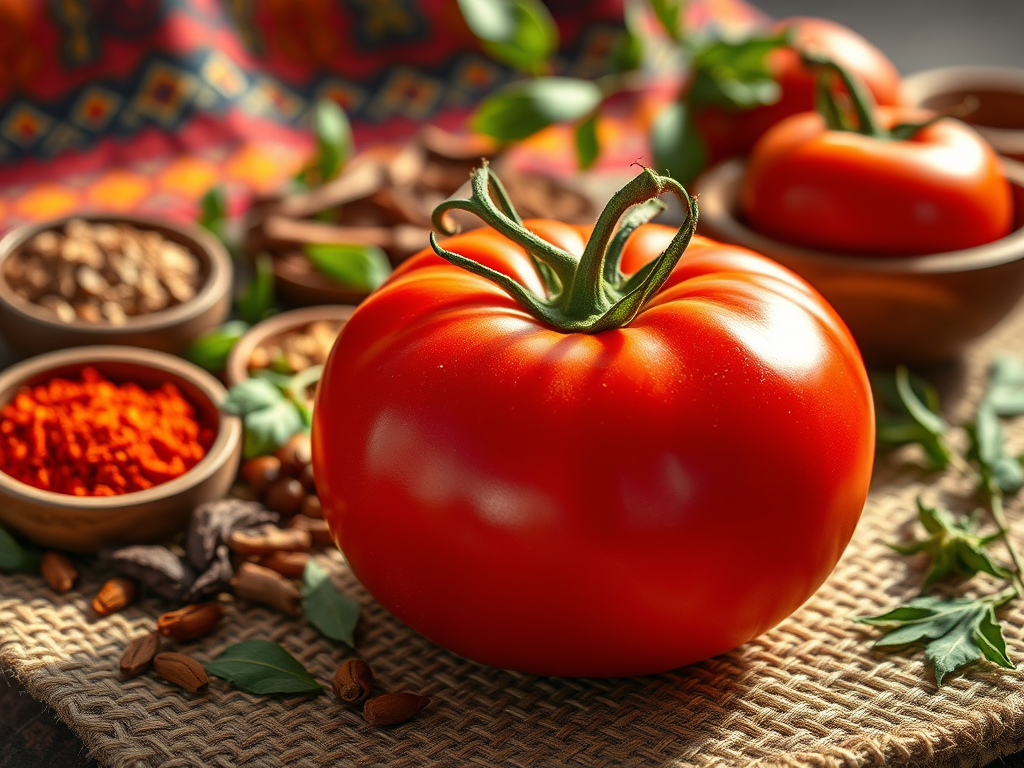
🍅 Nyanya tomato
Is known locally as nyanya in Swahili—is the common tomato (Solanum lycopersicum)**, a fruit that’s become a staple across East African cuisine. But its journey began far from Kenya’s greenhouses.
🌍 Origins & First Cultivation
- Native Region: Western South America, especially the Andean regions of Peru, Ecuador, and northern Chile
- First Cultivators: The Aztecs and Mayans of Mesoamerica (modern-day Mexico and Central America) were the earliest known domesticators of wild tomato species.
- Estimated Cultivation Date: Around 500 BCE, with selective breeding to increase fruit size and reduce bitterness.
🍅 Nyanya (Tomato)
In Swahili-speaking regions like Kenya and Tanzania, Nyanya simply means tomato—the familiar fruit from Solanum lycopersicum, used in sauces, stews, and salads.
- Origin: South America
- Cultivation: Widely grown globally, including the U.S.
- Use: Culinary, commercial, processed into paste, juice, etc.
- Symbolism: Often minimal in ritual contexts; more culinary than spiritual.
🚢 Global Spread
- 1493: Likely encountered by Christopher Columbus during his voyages
- 1521: Spanish conquistador Hernán Cortés brought tomato seeds from the Aztec city of Tenochtitlán to Europe
- 1540s onward: Cultivated in Spain and later Italy, though initially feared as poisonous and used ornamentally
🌱 Nyanya in East Africa
- Introduced via colonial trade routes, especially through British and Portuguese influence in the 19th century
- Became a linguistic staple in Swahili-speaking regions, where “nyanya” now refers to the tomato fruit itself
🍅 Nyanya Tomato: Health Benefits & Symbolic Resonance
🧬 Nutritional Highlights
- Lycopene: A potent antioxidant linked to reduced risk of heart disease and stomach cancer
- Vitamin C: Boosts immune function, collagen production, and skin health
- Potassium: Supports blood pressure regulation and cardiovascular balance
- Folate & Vitamin K: Crucial for cell repair, blood clotting, and bone strength
🩺 Medicinal Impacts
- Free Radical Defense: Lycopene, lutein, and beta-carotene help combat oxidative stress, protecting against macular degeneration and cataracts
- Anti-inflammatory: Regular consumption may reduce systemic inflammation
- Digestive Aid: High water and fiber content support gut health and regularity
🌀 Symbolic
| Element | Symbolic Meaning | Badge Suggestion |
|---|---|---|
| Red Hue | Vitality, blood memory, solar fire | 🔥 Solar Vitality Seal |
| Lycopene | Cellular protection, ancestral shield | 🧿 Antioxidant Guardian |
| Acidic Profile | Truth-telling, energetic cleansing | 🌀 Bitter Clarity Badge |
🛡️ Disclaimer
While Nyanya tomato is widely available and consumed globally, its ritual significance is minimal compared to ancestral botanicals like Nyanyra. EJADA recognizes its nutritional value but does not attribute spiritual potency unless contextualized within diasporic reinterpretation.
🍅 Culinary Uses of Nyanya Tomato
🥗 Raw Preparations
- Saladi ya Nyanya: A Kenyan tomato salad with onions, lime, and salt—used in cleansing rituals and everyday meals
- Kachumbari: A vibrant East African salsa made with tomatoes, onions, chili, and coriander—served with grilled meats or ugali
🍛 Cooked Dishes
- Tomato Pappu: Andhra-style lentils simmered with tomatoes, tamarind, and garlic—comforting and antioxidant-rich
- Nyanya Stew: Tomatoes cooked down with onions, garlic, and spices—used as a base for matumbo (tripe), beef, or okra
- Githeri Base: Tomatoes sautéed with onions and dania (coriander) to flavor maize-and-bean dishes
🍝 Fusion & Diaspora
- Spaghetti na Nyanya: A Kenyan-Italian hybrid with tomatoes, soy sauce, and local spices
- Tomato Coconut Curry: Tomatoes blended with coconut milk, garlic, and cumin—used in coastal Swahili cuisine
🧃 Processed Forms
- Tomato Paste & Sauce: Used in stews, pilau, and biryani
- Sun-Dried Tomatoes: Occasionally prepared in arid regions for preservation and flavor concentration
🍲 Tomato Rasam (Andhra Tomato Charu)
Note: Rich in lycopene and antioxidants
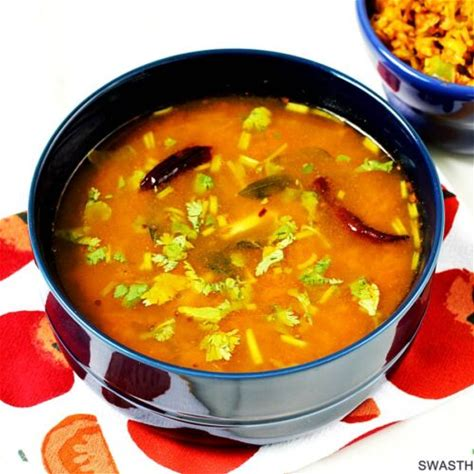
A tangy, spiced tomato broth served as soup or over rice. Key Ingredients: Fresh tomatoes, tamarind, garlic, rasam powder, curry leaves Health
🍛 Tomato Pappu (Andhra Tomato Dal)
Lentils simmered with tomatoes, tamarind, and spices—comfort food at its finest.
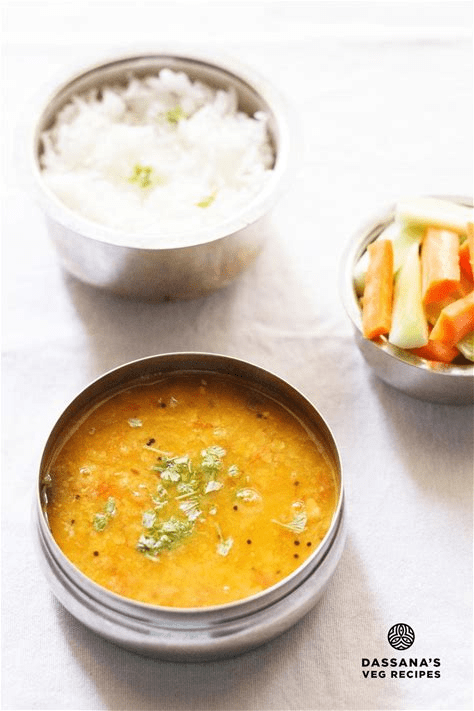
Key Ingredients: Toor dal, tomatoes, green chilies, garlic, mustard seeds
Symbolic: Solar Vitality + Ancestral Nourishment Explore the recipe
🥣 Maharashtrian Tomato Saar
A mildly spiced tomato broth with coconut and cumin, served with rice and papad.
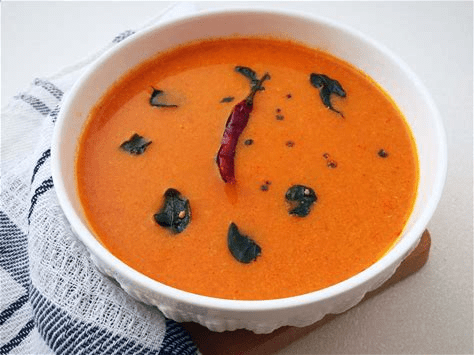
Key Ingredients: Blanched tomatoes, coconut, garlic, cumin, curry leaves.
Ritual Echo: Gentle cleansing, digestive warmth View recipe details
🥗 Saladi Ya Nyanya (Kenyan Tomato Salad)
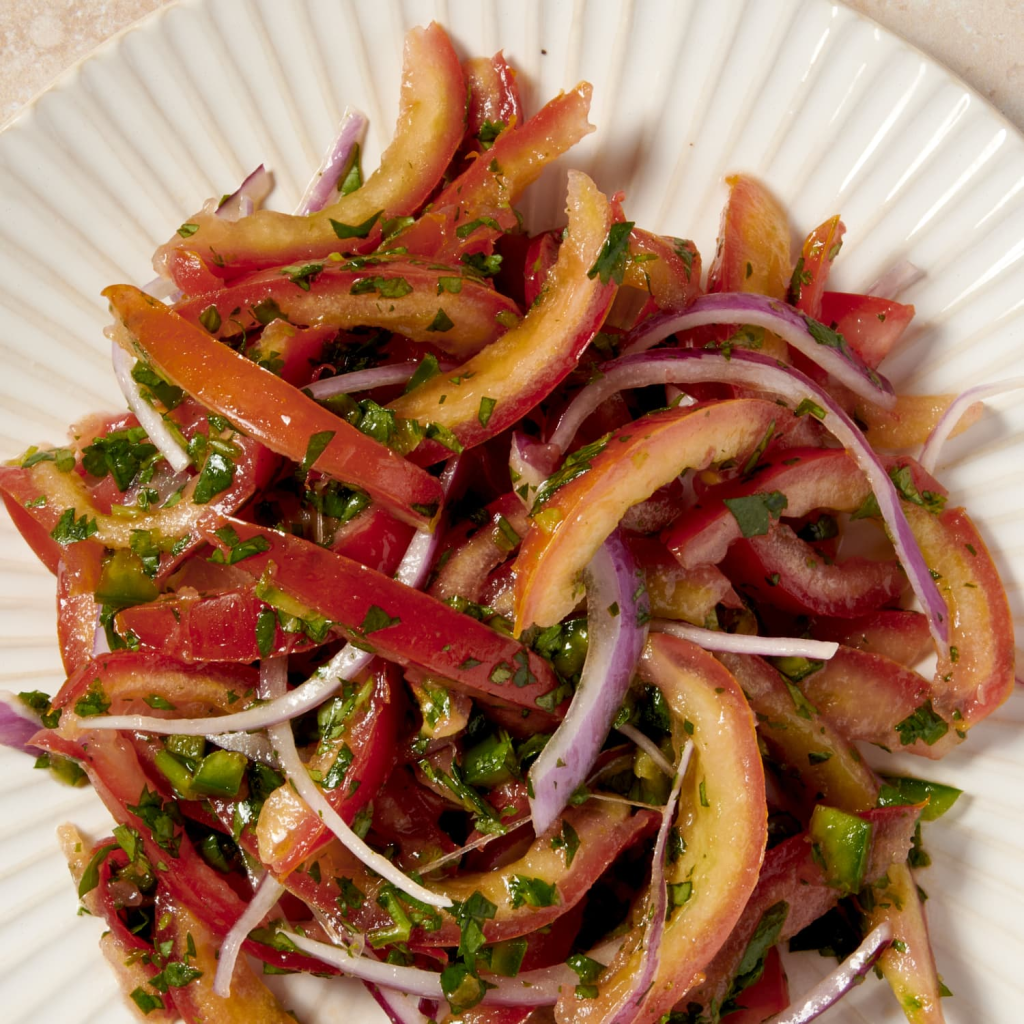
Simple, refreshing, and packed with flavor. Ingredients: Sliced tomatoes, onion, garlic, lime juice, salt, pepper See the recipe
Kachumbari, which is a Kenyan tomato salad very similar to Saladi Ya Nyanya but with a few nuanced differences.
Symbolic Badge: Raw Truth + Earth Clarity See the recipe
Saladi Ya Nyanya—a classic Kenyan tomato salad that celebrates simplicity, clarity, and ancestral freshness. It’s often served alongside grilled meats, ugali, or rice dishes, and carries symbolic resonance as a raw, truth-telling dish.
🥗 Comparison: Saladi Ya Nyanya vs. Kachumbari
| Feature | Saladi Ya Nyanya | Kachumbari |
|---|---|---|
| Core Ingredients | Tomato, onion, garlic, lime | Tomato, onion, cilantro, lemon, chili |
| Heat Element | Optional chili | Jalapeño or bird’s eye chili included |
| Herbs | Optional coriander | Fresh cilantro is standard |
| Dressing | Lime juice, salt, garlic | Lemon juice, olive oil, salt |
| Texture | Sliced and tossed | Wedges and chopped, more rustic |
| Symbolic Overlay | Raw truth, solar clarity, gut cleansing | Freshness, fire, ancestral balance |
Not all tomatoes offer the same health benefits, and their nutritional profiles can vary significantly depending on variety, color, and growing conditions.
🍅 Key Differences in Tomato Varieties
| Tomato Type | Lycopene (Antioxidant) | Vitamin C | Acidity | Unique Traits |
|---|---|---|---|---|
| San Marzano | High | Moderate | Low | Rich in beta-carotene, heart-healthy |
| Black Krim | Very High | High | Moderate | Deep flavor, strong antioxidant load |
| Jubilee Orange | Low | High | Low | Sweet, less acidic, good for digestion |
| Indigo Apple | Very High | Very High | Moderate | Rich in anthocyanins, skin-protective |
| Green Tomatoes | Unique profile | High | High | High in vitamin C, less lycopene |
🧬 Why It Matters
- Lycopene: Found mostly in red and deep purple varieties; linked to reduced risk of heart disease and certain cancers
- Vitamin C & Potassium: Present across all types, but levels vary—orange and yellow tomatoes tend to be sweeter and rich in vitamin C
- Acidity & Sugar: Influences digestibility and culinary use; lower-acid varieties are gentler on the stomach
🌀 Symbolic Insight
Which Tomatoes are Healthier
- 🔴 Red: Solar fire, blood memory, cellular protection
- 🟠 Orange/Yellow: Digestive clarity, sweetness of truth
- 🟣 Purple/Black: Ancestral depth, shadow work, antioxidant shielding
- 🟢 Green: Raw potential, boundary-setting, emotional detox
Nyanya tomato (Solanum lycopersicum)—the Swahili-named fruit that’s both a culinary staple and a vessel of solar clarity in East African kitchens.
🍅 Nyanya Tomato: Nutritional Values (per 100g raw)
| Nutrient | Amount | Health Benefit |
|---|---|---|
| Calories | ~18 kcal | Low energy density, ideal for light meals |
| Water | ~95% | Hydration, digestive ease |
| Carbohydrates | ~3.9g | Natural sugars for energy |
| Fiber | ~1.2g | Gut health, satiety |
| Protein | ~0.9g | Minor support for tissue repair |
| Fat | ~0.2g | Negligible, heart-friendly |
| Vitamin C | ~13.7mg | Immune boost, collagen synthesis |
| Vitamin K1 | ~7.9µg | Blood clotting, bone health |
| Folate (B9) | ~15µg | Cell repair, fetal development |
| Potassium | ~237mg | Blood pressure regulation |
| Lycopene | ~3,000–10,000µg | Antioxidant, heart & cancer protection |
| Beta-Carotene | ~449µg | Eye health, skin protection |
| Lutein + Zeaxanthin | ~123µg | Vision support, macular defense |
Source: Mabibo Sokoni, KALRO Kenya, Bongoclass
🌀 Symbolic Overlay
| Nutrient Focus | Ritual Meaning | Badge Suggestion |
|---|---|---|
| Lycopene | Cellular protection, ancestral shield | 🧿 Antioxidant Guardian |
| Vitamin C & Water | Emotional clarity, solar hydration | 🔆 Solar Vitality Seal |
| Potassium & Folate | Blood memory, reproductive grounding | 🩸 Lineage Support Glyph |
⚠️ Who Should Be Cautious or Avoid Nyanya Tomato
🧬 Individuals with Nightshade Sensitivity
Tomatoes belong to the nightshade family (Solanaceae), which contains alkaloids like solanine. While safe for most, some people experience:
- Joint inflammation or flare-ups (especially with arthritis or autoimmune conditions)
- Digestive discomfort, bloating, or acid reflux
🩺 People with Acid Reflux or GERD
Tomatoes are naturally acidic and may trigger heartburn or worsen symptoms of gastroesophageal reflux disease (GERD).
🌿 Those Following Ayurvedic or Ritual Diets
Certain Ayurvedic protocols or ritual fasting traditions avoid tomatoes due to their rajasic (stimulating) nature, which may disturb mental clarity or spiritual grounding.
👶 Infants Under 1 Year
Due to acidity and potential allergenic compounds, tomatoes are often delayed in infant diets until digestive systems mature.
Nyanya tomato is readily available across the United States under its botanical name Solanum lycopersicum.
- Found in supermarkets, farmers markets, and diaspora groceries
- Varieties may differ in taste, acidity, and nutritional profile
- Ritual significance is minimal unless reframed through diasporic reinterpretation
Disclaimer
This entry honors Nyanya tomato as a culinary vessel with nutritional and symbolic resonance.
While widely available in the U.S., its ritual potency is limited unless culturally contextualized.
EJADA does not endorse unsupervised ritual use or symbolic substitution without ancestral guidance. All overlays are interpretive and intended for archival empowerment, not medical or spiritual prescription.
 EJADA
EJADA 
Leave a comment