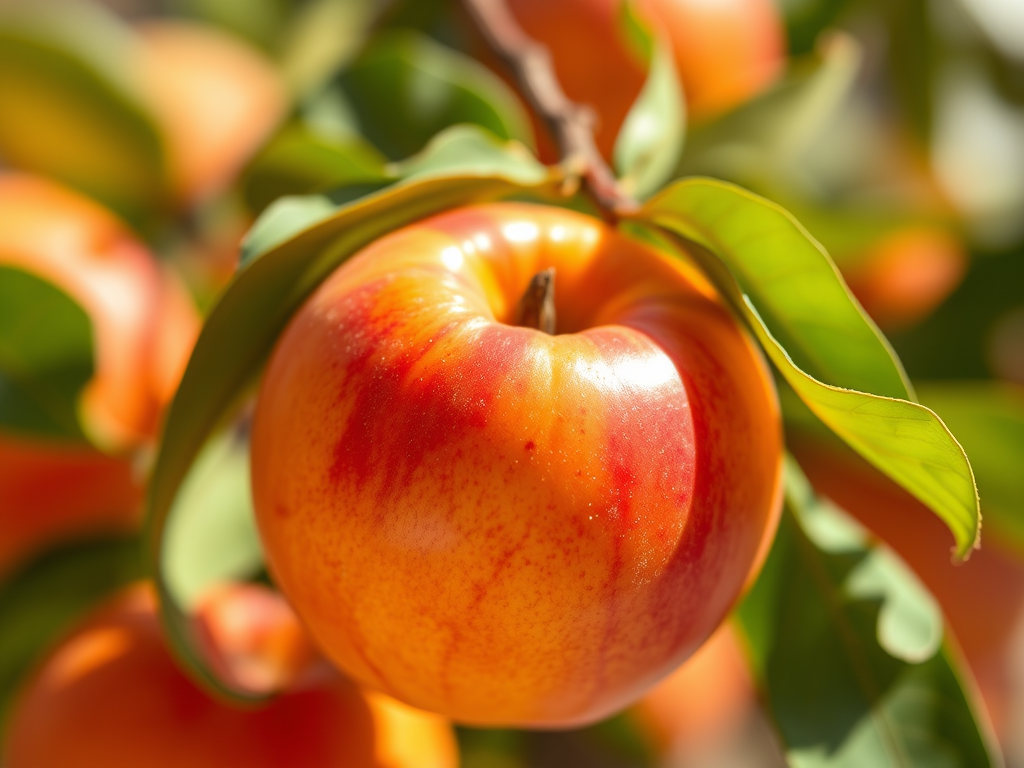
🍑 Sun-Kissed Immunity Booster
Glow from the inside out with nature’s sweetest defense.
- Immunity Boost – Vitamin C, copper, and antioxidants
- Skin Radiance – Beta-carotene, niacin, and collagen support
- Gut Harmony – Fiber-rich, gentle on digestion
- Seasonal Ritual – Summer’s fruit of vitality
Nectarines are a sweet, juicy powerhouse of nutrients wrapped in smooth skin. Here’s a breakdown of the nutritional value for one medium nectarine (about 142g):
🍑 Nutritional Profile
| Nutrient | Amount | % Daily Value (DV) |
|---|---|---|
| Calories | 63 | — |
| Carbohydrates | 15g | 5% |
| Sugars | 11g | — |
| Fiber | 2.4g | 9% |
| Protein | 1.5g | 3% |
| Fat | 0.5g | <1% |
| Vitamin C | 7.67mg | 8.5% |
| Niacin (B3) | 1.6mg | 10% |
| Potassium | 285mg | 6% |
| Copper | 0.1mg | 11% |
| Magnesium | 12.8mg | 3% |
| Phosphorus | 36.9mg | 3% |
🌟🍑 Nectarine Health Benefits
Antioxidant-rich: Contains beta-carotene, lutein, zeaxanthin, and vitamin C to help fight oxidative stress.
Supports digestion: Thanks to both soluble and insoluble fiber.
Boosts iron absorption: Vitamin C helps your body absorb iron more efficiently, which may help prevent anemia.
Heart and skin health: Low in fat and high in nutrients that support cardiovascular and skin wellness.
1. Antioxidant Protection
Rich in vitamin C, beta-carotene, and polyphenols.
Helps neutralize free radicals, reducing oxidative stress and supporting cellular health.
May contribute to skin radiance and immune resilience.
2. Digestive Harmony
Contains soluble and insoluble fiber.
Aids in smooth digestion, supports gut microbiota, and helps regulate blood sugar levels.
Can be part of a gentle detox ritual or post-fast reintroduction.
3. Heart Health Support
Low in fat and sodium, high in potassium.
Potassium helps balance blood pressure and supports cardiovascular function.
Fiber also contributes to cholesterol management.
4. Skin & Eye Nourishment
Beta-carotene converts to vitamin A, essential for skin repair and eye health.
Lutein and zeaxanthin may help protect against age-related macular degeneration.
5. Iron Absorption Booster
Vitamin C enhances non-heme iron absorption from plant-based sources.
Ideal pairing with iron-rich foods in plant-forward diets.
6. Weight & Blood Sugar Friendly
Low glycemic index and calorie count.
Natural sweetness satisfies cravings without spiking blood sugar.
🌿 Origins of the Nectarine
First cultivated over 4,000 years ago in China, where peaches and nectarines were revered for their beauty, symbolism, and medicinal value
Spread to Persia, Greece, and Italy, and later introduced to Europe in the 16th century, becoming a favorite among aristocrats.
👤 By Whom
While no single individual is credited, early Chinese horticulturists likely discovered nectarines as a natural genetic mutation of the peach—caused by a recessive allele that results in smooth skin. @Britannica
These growers selectively cultivated the smooth-skinned variant, recognizing its unique texture and flavor.
🧿 Used For What Purposes
Culinary: Eaten fresh, dried, or cooked into jams, conserves, and pies.
Medicinal: In traditional Chinese medicine, nectarines were believed to support digestion, skin health, and vitality.
Symbolic: Like peaches, nectarines symbolized longevity, immortality, and renewal—perfect for ritual-rich branding.
Aesthetic: Their smooth, vibrant skin made them a visual and sensory delight, often featured in art and poetry.
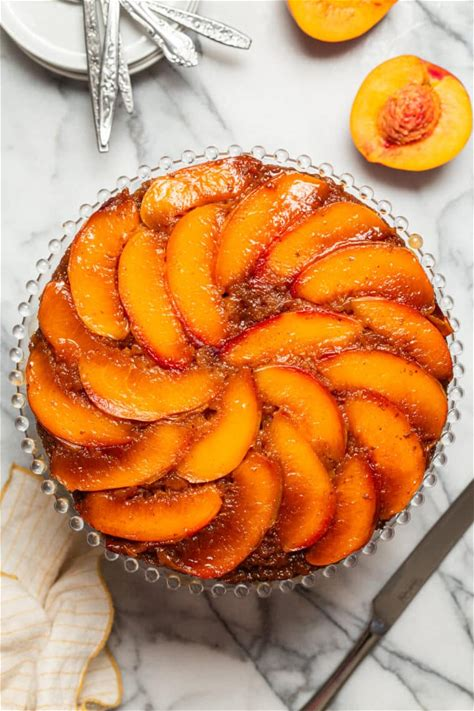
Nectarine Upside-Down Cake
Moist, tender cake with ripe, juicy nectarines or peaches! So pretty and so good.
Bonus: the caramelized edges!
1h 15m · 406 cals · 8 servings
Typical slice of nectarine upside-down cake
🍰 Per Serving (1 slice)
| Nutrient | Amount | % Daily Value (DV) |
|---|---|---|
| Calories | 313–327 kcal | ~16% |
| Total Fat | 15–18g | 24% |
| Saturated Fat | ~8g | 40% |
| Cholesterol | ~85mg | 28% |
| Sodium | ~173mg | 7% |
| Carbohydrates | ~40g | 13% |
| Sugars | ~25g | — |
| Dietary Fiber | ~2g | 8% |
| Protein | ~5g | 9% |
| Potassium | ~270mg | 6% |
| Vitamin C | ~3.6mg | 6% |
| Iron | ~0.5mg | 3% |
| Calcium | ~64mg | 6% |
🌟 Nutritional Notes
Rich in flavor, moderate in nutrients: While it’s not a low-calorie dessert, it offers potassium, fiber, and a touch of vitamin C from the nectarines.
Customizable: You can lighten it up by swapping butter for olive oil, using almond flour, or reducing sugar.
Ritual-ready: Pair with herbal tea, Greek yogurt, or a saffron drizzle to elevate it into a wellness ritual.
🌏 Origins & Ancestral Use
Ancient China (circa 2000 BCE): Nectarines were cultivated as symbols of longevity and divine favor. They were often included in ceremonial offerings to ancestors and deities.
Spread to Persia, Greece, and Rome: The fruit became associated with beauty, fertility, and sacred nourishment, appearing in mythological feasts and harvest rites.
🕊️ Symbolism in Ritual
“Nectarine Water” in Hinduism: This concept refers to sacred, purifying waters used in rituals and sacrifices. It symbolizes divine essence, ancestral blessings, and spiritual renewal.
Name Origin: The word “nectarine” comes from “nectar,” meaning “sweet liquid” — often linked to immortality and divine sustenance in mythic traditions.
🍽️ Seasonal & Ceremonial Use
Modern Adaptations: Today, nectarines appear in wellness ceremonies, herbal infusions, and eco-conscious feas

In many cultures, stone fruits like nectarines are used in midsummer rituals to honor abundance, fertility, and the sun’s peak.
🌿 Vitamin Profile of a Nectarine
| Vitamin | Amount per Fruit | Benefits |
|---|---|---|
| Vitamin C | ~8.5% of Daily Value | Boosts immunity, collagen production, and iron absorption |
| Vitamin B3 (Niacin) | ~10% of DV | Supports metabolism, skin health, and energy production |
| Vitamin A | Trace amounts | Supports vision, skin renewal, and immune function |
| Copper | ~13.6% of DV | Aids in iron metabolism and connective tissue formation |
| Potassium | ~6% of DV | Regulates fluid balance, nerve signals, and muscle contractions |
| Antioxidants | High (esp. in skin) | Includes beta-carotene, lutein, and zeaxanthin — protects against free radicals |
Nectarines also contain small amounts of manganese, magnesium, zinc, and phosphorus, making them a holistic addition to any ritual of renewal or seasonal offering.
Sources: Healthline and verywellfit
While nectarines are generally safe and nutritious, there are a few groups who should approach them with caution or avoid them altogether. 🍑⚠️
🚫 Who Should Be Cautious with Nectarines
| Group | Reason for Caution |
|---|---|
| People with stone fruit allergies | Nectarines share proteins with peaches, plums, and apricots — may trigger allergic reactions. |
| Individuals with IBS or sensitive digestion | High fiber and natural sugars can cause bloating, gas, or diarrhea if consumed in excess. |
| Those on potassium-restricted diets | Nectarines contain moderate potassium — may interfere with medications like Aldactone. |
| People concerned about pesticide exposure | Non-organic nectarines often carry high pesticide residues — washing or choosing organic is advised. |
| Diabetics or those monitoring blood sugar | Natural sugars can spike glucose levels if eaten in large quantities — moderation is key. |
✅ Safe Practices
Wash thoroughly or choose organic to reduce pesticide risk.
Start small if introducing nectarines into your diet for the first time.
Consult a healthcare provider if you’re on medication or managing a chronic condition
 EJADA
EJADA 
Leave a comment