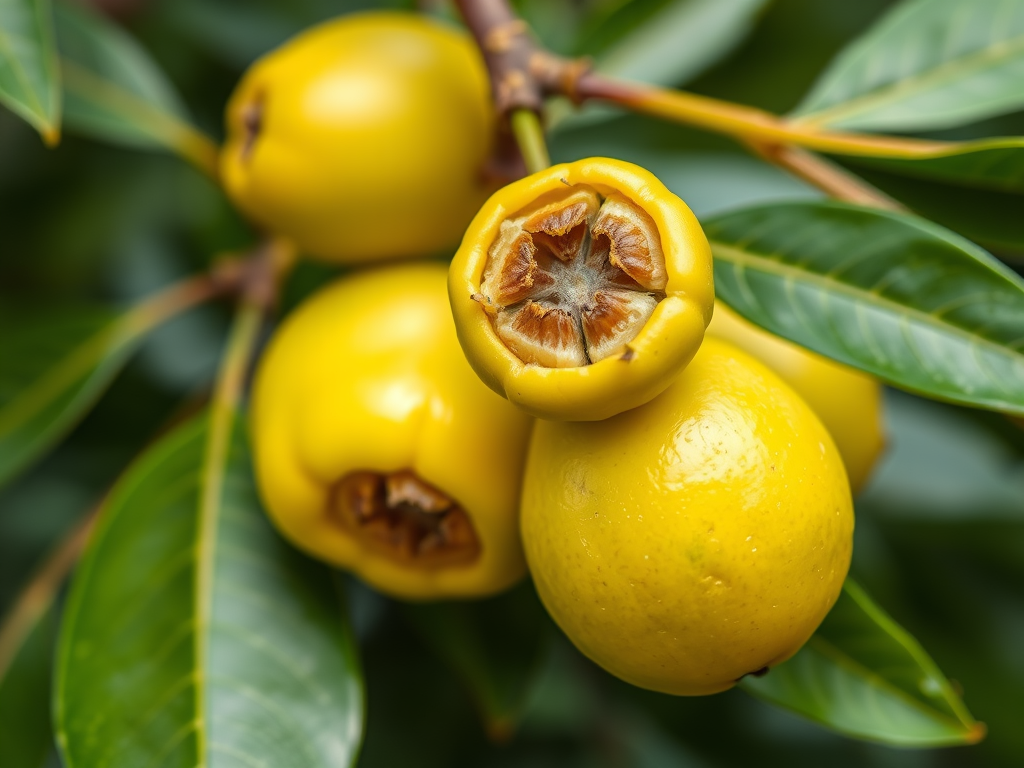
Neem fruit is a drupe—a smooth, olive-like fruit with a thin skin, fibrous pulp, and a hard inner shell that encloses one or more seeds

Primary Taste: Bitter, due to compounds like azadirachtin and nimbin
Secondary Notes: Slight sweetness in the pulp, especially when ripe
Texture: Fibrous and soft, with a thin skin and hard inner seed
Aroma: Herbal, sharp, and slightly nutty when dried or pressed
- Botanical Name: Azadirachta indica
- Fruit Type: Drupe (similar to olives or peaches)
- Appearance: Yellow-green when ripe, oval to roundish, 14–28 mm long
- Pulp: Bitter-sweet, yellowish-white, and fibrous
- Seed: Encased in a hard shell, used to extract neem oil
Birds are known to enjoy the fruit more than humans, likely because they metabolize the bitterness differently. In traditional medicine, the flavor is considered cleansing—used to “scrape” toxins and balance excess heat or sugar in the body @ Fruitinfo
📜 Historical Cultivation & Origins
- Native Region: Indian subcontinent and parts of Southeast Asia2
- First Cultivated: Likely over 4,500 years ago in ancient India
- Cultural Role: Deeply embedded in Ayurvedic medicine, Hindu rituals, and village life—often planted near temples and homes for protection and healing
- Botanical Classification: First formally named Azadirachta indica by Adrien-Henri de Jussieu in 1830
🧪 Traditional & Modern Uses
Medicinal:
- Antibacterial, antifungal, and anti-inflammatory properties
- Used in Ayurvedic treatments for skin conditions, diabetes, and infections
Cosmetic:
- Found in shampoos (dandruff), soaps, creams, and toothpaste
- Neem twigs used as natural toothbrushes in rural India
Agricultural:
- Neem oil is a natural insecticide, fungicide, and mite repellent
- Used in organic farming and pest control
Spiritual & Cultural:
- Leaves used in rituals to ward off evil
- Trees planted for symbolic protection and sustainability
🌿 Neem: A Powerhouse of Tradition and Utility
“Bridging Ancient Wisdom with Modern Wellness”
For over 4,000 years, the Neem tree (Azadirachta indica) has stood as a living testament to ancestral knowledge—its bitter fruit, fragrant leaves, and potent oil revered across cultures for their healing, protective, and purifying properties.
In Ayurveda, Neem is known as Sarva Roga Nivarini—“the universal healer of all ailments”—a title earned through centuries of use in treating skin conditions, infections, digestive imbalances, and spiritual afflictions.
Today, Neem’s legacy thrives in modern wellness rituals. Its bioactive compounds—like azadirachtin, nimbin, and quercetin—are scientifically recognized for their antibacterial, antifungal, antiviral, and anti-inflammatory effects.
From organic farming to skincare, oral hygiene to immunity support, Neem continues to serve as a botanical bridge between ecological stewardship and holistic health.
🔮 Ritual Meets Relevance
Traditional Uses:
Chewed twigs for dental hygiene
Leaf garlands for spiritual protection
Pulp and oil for detox and skin purification
Bark and seeds in sacred healing ceremonies
Modern Applications:
Neem oil in clean beauty formulations
Leaf extracts in immunity-boosting supplements
Natural pesticide in regenerative agriculture
Neem water for liver detox and blood sugar balance
Bitter Is Beautiful
Neem becomes more than a product—it’s a symbol. A reminder that healing isn’t always sweet, and that ancient resilience can be repackaged with bold design, ethical sourcing, and limited-edition reverence.
🌿 Top Health Benefits of Neem
🛡️ 1. Boosts Immunity
Rich in antioxidants like quercetin and nimbolide
Enhances the body’s ability to fight infections and oxidative stress
Often consumed as neem leaf juice or capsules for immune support
🧼 2. Purifies Blood and Detoxifies Organs
Helps cleanse the liver and flush out toxins
Promotes clearer skin and improved digestion
Used in Ayurvedic detox regimens and teas
🧖🏽♀️ 3. Supports Skin Health
Treats acne, eczema, psoriasis, and fungal infections
Antibacterial and anti-inflammatory properties soothe irritation
Neem oil and leaf paste are popular in natural skincare
4. Improves Oral Hygiene
Neem twigs used as natural toothbrushes (datun)
Reduces plaque, gum inflammation, and bad breath
Found in herbal toothpastes and mouthwashes
💉 5. Regulates Blood Sugar
Neem leaf extracts shown to improve insulin sensitivity
May help lower blood glucose levels naturally
Used as a supplement in diabetes management
🦠 6. Fights Bacterial, Viral & Fungal Infections
Neem oil treats athlete’s foot, ringworm, and skin wounds
Acts as a natural antiseptic and antimicrobial agent
🧠 7. Reduces Inflammation and Joint Pain
Anti-inflammatory compounds help manage arthritis and swelling
Neem oil used topically for pain relief
🌬️ 8. Supports Respiratory Health
Used in Ayurvedic remedies for asthma, bronchitis, and congestion
Anti-inflammatory and antimicrobial effects aid breathing
🧬 9. May Offer Cancer-Fighting Properties
Early research suggests neem compounds may inhibit tumor growth
Antioxidants help protect cells from damage
🧃 10. Aids Digestion and Gut Health
Balances gut flora and reduces acidity
Neem teas and powders are used for bloating and indigestion
⚠️ Safety Notes
Avoid during pregnancy or breastfeeding—may cause complications
Use with caution in children and those with autoimmune or liver conditions
Consult a healthcare provider before combining with medications, especially for diabetes or hypertension
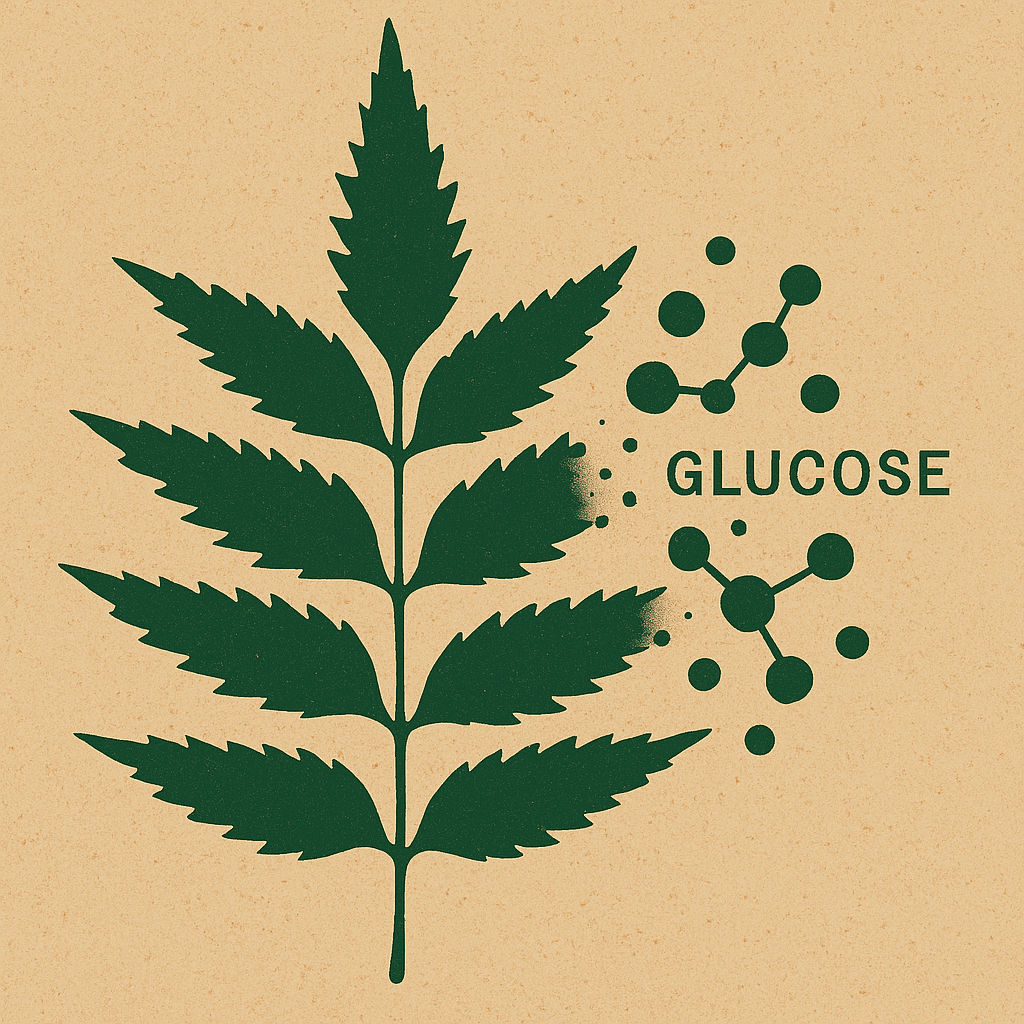
🌿 Neem & Diabetes: A Bitter Ally in Blood Sugar Control
How It Works
Neem leaves and extracts contain bioactive compounds like flavonoids, triterpenoids, and glycosides that influence blood sugar regulation through multiple mechanisms:
- Stimulates Insulin Production: Neem may activate pancreatic beta cells, encouraging natural insulin secretion
- Enhances Insulin Sensitivity: Improves how cells respond to insulin, allowing better glucose uptake and energy conversion
- Inhibits Glucose Absorption: Slows sugar absorption in the gut, reducing post-meal spikes
- Lowers Fasting Blood Sugar: Studies show neem leaf supplementation can reduce baseline glucose levels and improve glucose tolerance
🧪 Clinical & Traditional Evidence
- Ayurvedic Use: Neem is classified as Tikta Rasayana—a bitter rejuvenator—used for centuries to balance blood sugar and detoxify the liver
- Modern Studies: Animal and human trials have shown neem’s hypoglycemic effects, with reductions in fasting glucose and improved insulin response
- Doctor Insights: Ayurvedic practitioners recommend chewing neem leaves on an empty stomach or using neem oil for glucose control, though dosage should be monitored
⚠️ Safety & Usage Tips
- Forms: Neem leaf powder, capsules, tea, or fresh leaves
- Timing: Often taken in the morning before meals
- Precaution: Overuse may cause hypoglycemia—consult a healthcare provider before adding to your regimen
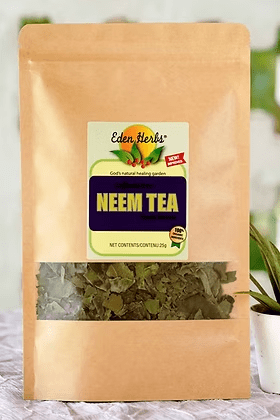
🍵 How to Make Neem Healing Teas
🌿 1. Basic Neem Leaf Tea
- Ingredients:
- 5 fresh neem leaves or ¼ tsp dried neem leaf powder
- 1 cup hot water
- Optional: honey, lemon, cinnamon
- Instructions:
- Boil water and pour over neem leaves or powder
- Steep for 5–10 minutes
- Strain and sweeten if desired
- Sip slowly, preferably in the morning on an empty stomach
Watch Neem Tea Recipe | Homemade Neem Leaves Tea Benefits … for a simple walkthrough of this immunity-boosting brew.
🌿 2. Neem Ginger Detox Tea
- Ingredients:
- 3–4 neem leaves
- 1 tbsp chopped ginger
- ½ tsp lemon juice
- 1 cup water
- Instructions:
- Boil neem leaves and ginger together
- Add lemon juice after steeping
- Strain and serve warm
This blend is beautifully demonstrated in Neem Ginger Tea Recipe | Homemade Neem Leaves Tea …, which highlights its anti-inflammatory and digestive benefits.
🌸 3. Neem Flower Ginger Tea
- Ingredients:
- Neem flowers (if available)
- Fresh ginger
- Water
- Instructions:
- Simmer neem flowers and ginger for 5–7 minutes
- Strain and drink warm
Explore this floral twist in Neem Flower Ginger Tea | Homemade Neem Leaves Tea …, which adds aromatic depth and extra antioxidants.
🍯 4. Sweetened Neem Tea with Palm Sugar
- Ingredients:
- Neem leaves or tea bag
- Palm sugar
- Lemon juice
- Hot water
- Instructions:
- Brew neem leaves in hot water
- Add palm sugar and lemon juice
- Stir and serve
This recipe is featured in Neem Tea Recipe | Homemade Neem Leaves Tea Benefits …, offering a gentler flavor profile for those new to neem’s bitterness.
🧘🏽♀️ Benefits of Neem Healing Teas
- Detoxifies liver and blood
- Regulates blood sugar levels
- Boosts immunity and fights infections
- Clears skin and reduces inflammation
- Supports oral and digestive health
For a full overview of benefits and variations, Neem Tea Recipe
Homemade Neem Leaves Tea Benefits … walks through preparation tips and how to customize your brew.
Culinary Uses of Neem Fruit
🌿 1. Bitter Appetizer or Cleanser
- In some South Asian traditions, small amounts of ripe neem fruit are consumed raw or lightly cooked as a digestive cleanser before meals.
- Often paired with jaggery, tamarind, or palm sugar to balance the bitterness.
🧉 2. Neem Fruit Chutney
- A rare but ritual-rich preparation in parts of India:
- Neem fruit pulp is sautéed with mustard seeds, curry leaves, tamarind, and jaggery.
- Served in tiny portions as a bitter condiment during seasonal detoxes or fasting periods.
🍵 3. Infused Teas & Tonics
- Neem fruit pulp is steeped in hot water to create a detoxifying tea, often blended with ginger, lemon, or cinnamon.
- Used in Ayurvedic practices to support liver health and blood sugar balance.
🍬 4. Bittersweet Syrups or Elixirs
- In Unani and Siddha medicine, neem fruit is boiled down into syrups or decoctions for internal cleansing.
- Sometimes sweetened with honey or dates to make it palatable.
🧪 5. Fermented Preparations
- Neem fruit may be used in herbal fermentation processes to create digestive tonics or bitter aperitifs.
- These are typically consumed in small, ritualistic doses.
⚠️ Culinary Caution
- Neem fruit should be consumed in very small quantities due to its potent bioactive compounds.
- Overconsumption can lead to side effects like nausea, hypoglycemia, or liver strain.
- Always consult a practitioner before using neem fruit medicinally or in recipes.
🌿 Where to Find Neem Fruit
🛒 Online Retailers
- Neem Tree Farms: Offers live neem trees, neem capsules, and other neem-based products. While fresh fruit isn’t always listed, you can inquire directly—they’ve been cultivating neem for over 30 years.
- Amazon: Sells dried neem leaves and powders, which may include fruit-derived components. Fresh fruit is rare, but neem seed oil and whole leaf products are available.
🧑🏽🌾 Local Sources & Nurseries
- Ethnic Grocery Stores: South Asian or African markets may carry neem fruit seasonally or in frozen/dried form.
- Ayurvedic Herbal Shops: Some offer neem fruit or seed powder for medicinal use.
- Nurseries Specializing in Medicinal Plants: You might find neem trees or fruit-bearing plants, especially in warmer U.S. states like Florida, Texas, or California.
🌍 International Sourcing
- Neem fruit is more commonly available in countries like India, Bangladesh, Sri Lanka, and parts of Africa. If you’re sourcing for EJADA, you might consider working with:
- Fair-trade herbal cooperatives
- Ayurvedic suppliers
- Sustainable farms with export licenses
⚠️ Who Should Avoid Neem
👶 Children
- Why: Neem contains aspirin-like compounds that may increase the risk of Reye’s Syndrome in children with fever or viral illness.
- Guideline: Do not give internally to children under 100 pounds if they’re ill. External use (lotions, creams) is generally safe.
🤰 Pregnant & Breastfeeding Women
- Why: Neem may have contraceptive effects and could interfere with fetal development.
- Guideline: Avoid internal use during pregnancy and lactation.
🧬 People with Autoimmune Conditions
- Why: Neem boosts the immune system, which can worsen conditions like lupus, multiple sclerosis, or rheumatoid arthritis.
- Guideline: Use only under medical supervision.
💊 Immunosuppressed Individuals
- Why: Neem may counteract immunosuppressive drugs (e.g., post-transplant medications or biologics).
- Guideline: Avoid internal use unless approved by a healthcare provider.
💉 Insulin-Dependent Diabetics
- Why: Neem can lower blood sugar, which may cause hypoglycemia if combined with insulin.
- Guideline: Monitor glucose levels closely and consult a doctor before use.
🩸 People with Hypoglycemia
- Why: Neem’s blood sugar-lowering effects may worsen low blood sugar symptoms.
- Guideline: Use with extreme caution and only for short periods.
✅ Safe Use Tips
- External Use: Neem oil, creams, and salves are generally safe for all ages
- Dilution: Always dilute neem oil before applying to skin or plants
- Consultation: Always check with a healthcare provider before internal use
⚠️ Disclaimer: Neem Use & Safety
Neem (Azadirachta indica) is a potent botanical traditionally used in Ayurvedic and ecological healing. While its benefits are widely respected, internal use should be approached with care and cultural awareness.
- Not recommended for children under 12, especially during illness
- Avoid during pregnancy and breastfeeding
- Consult a healthcare provider before use if you have diabetes, autoimmune conditions, liver or kidney concerns, or are taking immunosuppressive medication
- Do not exceed recommended dosage—Neem’s bitterness reflects its strength
- For external use only unless otherwise specified and approved by a qualified practitioner
This product is intended to honor ancestral wisdom and support ritual-rich wellness. It is not a substitute for professional medical advice, diagnosis, or treatment.
 EJADA
EJADA 
Leave a comment