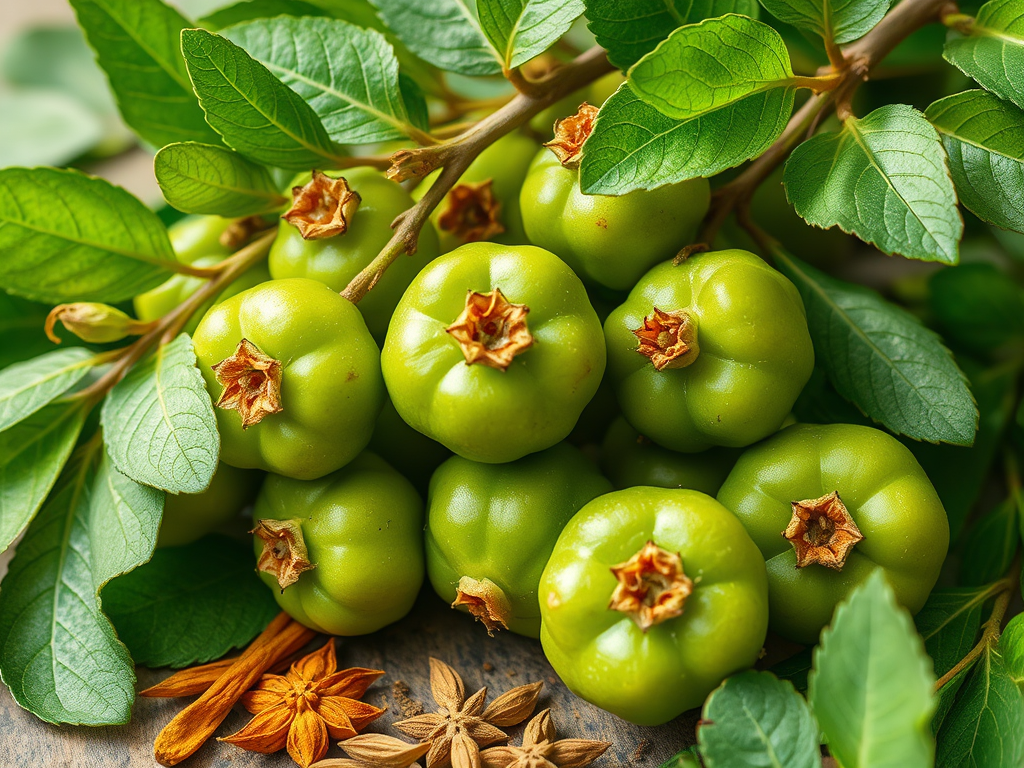
🌿 Nelli, also known as Indian gooseberry or Phyllanthus emblica, is revered for its extraordinary nutritional and medicinal properties. Here’s a breakdown of its significance and origins:
🌟 What Nelli Is Known For
Superfood Status: Nelli is one of the richest natural sources of Vitamin C—up to 20 times more than oranges and 160 times more than apples.
Ayurvedic Powerhouse: Used for over 2,000 years in Ayurveda, Unani, and Siddha medicine systems, it’s considered a potent rejuvenator, supporting longevity, immunity, and anti-aging.
Antioxidant Giant: Its ORAC score (a measure of antioxidant capacity) is 56 times higher than blueberries, and more than double that of acai berries.
Digestive & Circulatory Support: Traditionally used to aid digestion, regulate blood sugar, and enhance circulatory health.
Culinary Uses: Commonly pickled, candied (murabba), or added to lentil dishes and herbal tonics across South Asia.
🌱 Historical Cultivation
Native Region: Tropical and southern Asia, especially India and Sri Lanka.
First Cultivated By: While exact historical records are scarce, Nelli was first documented in Ayurvedic texts around 2 A.D., suggesting its cultivation and use began with ancient Indian herbalists and healers.
Cultural Legacy: In Sri Lanka, it’s called nelli and often grown in home gardens rather than commercial orchards, preserving its traditional role in local medicine and ritual.
🌿 Medicinal Properties of Nelli
🧬 1. Antioxidant Supernova
- Contains flavonoids, polyphenols, tannins, and Vitamin C—making it one of the most potent natural antioxidants known.
- On the ORAC scale, Nelli scores 56× higher than blueberries, helping combat oxidative stress and cellular aging.
🧘🏽♀️ 2. Rasayana Rejuvenator
- Classified as a rasayana in Ayurveda, it promotes longevity, vitality, and tissue regeneration.
- Balances all three doshas—Vata, Pitta, and Kapha—and nourishes all seven dhatus (body tissues).
🩺 3. Immune Booster
- Stimulates white blood cell production, enhancing resistance to infections, colds, and flu.
- Its antimicrobial properties help fight bacterial and viral ailments.
🔥 4. Digestive Support
- Rich in fiber and anti-inflammatory compounds, it regulates bowel movements, eases acid reflux, and supports gut flora.
- Used in chutneys, tonics, and pickles to awaken agni (digestive fire).
💖 5. Cardiovascular Protection
- Helps regulate cholesterol levels, improves blood circulation, and supports heart health through its antioxidant and anti-inflammatory effects.
🧠 6. Cognitive Clarity
- Traditionally used to sharpen memory, calm the nervous system, and reduce stress-induced fatigue.
💇🏽♀️ 7. Hair & Skin Vitality
- Promotes collagen production, reduces pigmentation, and strengthens hair follicles.
- Used in oils and masks to treat dandruff, premature graying, and skin burns.
🩸 8. Blood Sugar Regulation
- Shown to help stabilize glucose levels, making it beneficial for people managing diabetes.
🪬 9. Adaptogenic Power
- Acts as a natural adaptogen, helping the body respond to stress and restore balance.
🌿 Cultural Legacy of Nelli (Indian Gooseberry)
🕉️ Spiritual & Mythological Significance
- In Hindu mythology, the Nelli tree is considered sacred. It’s believed to have originated from drops of amrita—the nectar of immortality—spilled during the celestial churning of the ocean (Samudra Manthan).
- During Amla Navami, a festival in parts of India, devotees worship the tree and consume its fruit as a ritual act of purification and longevity.
📜 Ayurvedic Heritage
- Nelli is one of the three fruits in Triphala, a cornerstone of Ayurvedic medicine. Its inclusion symbolizes balance, rejuvenation, and digestive harmony.
- Ancient texts like the Charaka Samhita and Sushruta Samhita describe Nelli as a rasayana—a substance that promotes vitality and slows aging.
Sri Lankan Traditions
- In Sri Lanka, Nelli is cultivated mostly in home gardens, not commercial farms, preserving its intimate, ritual-based use.
- It’s a staple in traditional juices, pickles, and herbal remedies, and even features in hair oils and shampoos, reflecting its holistic role in wellness.
- Despite local cultivation, Sri Lanka imports over 50,000 kg of dried Nelli annually to meet demand for Ayurvedic preparations.
🍵 Culinary & Folk Practices
- In rural communities, Nelli is often sun-dried and powdered, then mixed with honey or jaggery as a daily tonic.
- It’s used in seasonal cleansing rituals, especially during monsoon transitions, to fortify immunity and digestive fire (agni).
🌍 Symbol of Indigenous Wisdom
- Nelli’s legacy is not just medicinal—it’s a symbol of ecological stewardship and ancestral knowledge. Its cultivation and use reflect a deep respect for nature’s cycles, sustainability, and intergenerational healing.
🌿 Inspired By Sri Lankan Home Remedies & Ayurvedic Rasayana
In Sri Lanka, Nelli (Phyllanthus emblica) is more than a fruit—it’s a sacred staple grown in home gardens, used in hair oils, teas, and seasonal tonics. This elixir honors that legacy, blending ancestral care with modern ritual.
🧴 Formulation
- Base: Cold-pressed sesame oil (warming, deeply nourishing)
- Core: Sun-dried Nelli (antioxidant-rich, rejuvenating)
- Infusions: Neem, vetiver, fenugreek, turmeric (purifying, cooling, strengthening)
🔥 Infusion Ritual
Infused over 10 days in sunlight, shaken daily with intention. Each bottle is sealed with a gold ritual stamp and includes a QR code linking to a seasonal cleansing guide.
🧘🏽♀️ Use Instructions
- Hair: Massage into scalp before bathing. Leave for 30 minutes or overnight.
- Skin: Apply post-cleansing for glow and renewal.
- Timing: Use during full moon or seasonal transitions for amplified effect.
📜 Cultural Lore: The Sacred Legacy of Nelli
Legend says Nelli was born from drops of amrita—the nectar of immortality. In Ayurveda, it’s a rasayana: a rejuvenator of body, mind, and spirit.
🕉️ Mythological Origins
In Hindu cosmology, the Nelli tree (Phyllanthus emblica) is said to have sprung from drops of amrita, the nectar of immortality, spilled during the divine churning of the ocean (Samudra Manthan). This myth positions Nelli as a living embodiment of vitality and eternal renewal—a fruit not merely consumed, but revered.
📖 Ayurvedic Reverence
Nelli is classified as a rasayana in Ayurveda—a rejuvenating substance that nourishes all seven dhatus (tissues) and balances all three doshas (Vata, Pitta, Kapha). Ancient texts like the Charaka Samhita describe it as “the best among rejuvenating herbs,” used to restore youthfulness, enhance memory, and fortify immunity.
Sri Lankan Ritual Use
In Sri Lanka, Nelli is cultivated in home gardens, not commercial farms—a reflection of its intimate, ritual-based role in daily life. Families prepare Nelli oil for hair and skin, brew it into teas, and offer it in seasonal cleansing rites. Its use is passed down orally, often accompanied by chants, affirmations, or lunar timing.
Symbol of Indigenous Wisdom
Nelli represents more than health—it’s a symbol of ecological stewardship and ancestral continuity. Its cultivation honors seasonal rhythms, and its use reflects a respect for nature’s cycles and intergenerational healing. In many communities, gifting Nelli-based remedies is a gesture of protection and spiritual care.
🧘🏽♀️ Ritual Resonance
Whether applied to the scalp or sipped as a tonic, Nelli is often used during transitional moments—full moons, solstices, post-fasting, or rites of passage. It’s believed to clear energetic stagnation, awaken inner fire (agni), and align the body with cosmic rhythms.
In Ayurveda: Rasayana is a profound concept that goes far beyond herbal tonics—it’s a holistic rejuvenation system designed to enhance vitality, longevity, and spiritual clarity.
🌿 Definition of Rasayana
The word Rasayana comes from Sanskrit:
- Rasa = essence, nutrient-rich fluid
- Ayana = path or journey Together, it means “the path of essence”—a journey toward optimal nourishment and renewal.
🧘🏽♀️ Core Principles
Rasayana encompasses:
- Herbal formulations (like Triphala, Ashwagandha, Amalaki)
- Lifestyle practices (seasonal cleansing, meditation, sleep hygiene)
- Dietary rituals (sattvic foods, digestive tonics)
- Behavioral conduct (truthfulness, compassion, mindfulness)
It’s one of the eight branches of Ashtanga Ayurveda, specifically focused on Jara Chikitsa—anti-aging and rejuvenation.
✨ Benefits of Rasayana Therapy
According to classical texts and modern Ayurvedic guides:
- Delays aging and cellular degeneration
- Enhances immunity and disease resistance
- Sharpens memory and mental clarity
- Strengthens tissues (dhatus) and organ systems
- Promotes emotional balance and spiritual vitality
The Nelli fruit (Indian gooseberry or Phyllanthus emblica) has a taste that’s as bold and complex as its cultural legacy:
🍋 Taste Profile
- Sour: Its initial bite is intensely tart—like biting into a lemon with extra zing.
- Astringent: It leaves a dry, puckering sensation on the tongue due to its high tannin content.
- Bitter undertones: Especially noticeable when raw, adding depth to its medicinal character.
- Sweet aftertaste: Interestingly, after drinking water post-consumption, many experience a subtle sweetness lingering in the mouth.
🧘🏽♀️ Cultural Use & Adaptation
Because of its strong flavor, Nelli is rarely eaten raw in large quantities. Instead, it’s:
- Candied into murabba (sweet preserves)
- Pickled with spices and salt
- Juiced with honey or ginger
- Infused into tonics and oils for ritual use
In Ayurveda, this intense taste is considered therapeutic—stimulating digestion, balancing doshas, and awakening agni (digestive fire).
🍽️ Culinary Uses of Nelli (Phyllanthus emblica)
🧂 Preserved & Sweetened
Amla Murabba recipe: Nelli is slow-cooked in jaggery syrup with cardamom and saffron to create chewy, sweet immunity bites. Often eaten at sunrise as a rejuvenating ritual. Health benefits of the Amla Murabba
Candied Nelli: Dried and sugar-coated, these are sold as Ayurvedic snacks or digestive aids.
🥒 Pickled & Spiced
South Indian Pickles: Nelli is chopped and preserved with mustard seeds, chili, fenugreek, and sesame oil. Served with rice or dosa, especially during seasonal transitions.
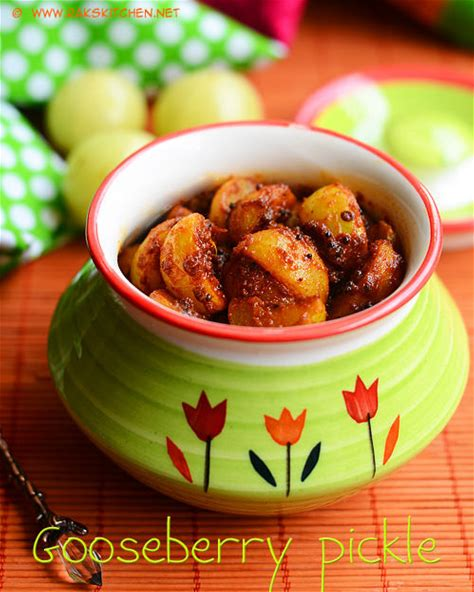
Indian Gooseberry pickle – Raks Kitchen
Sri Lankan Sambol: Occasionally blended into coconut-based sambols for a tart kick.
🍛 Cooked into Savory Dishes
Dal & Curries: Nelli is added to lentil stews or vegetable curries for sourness and depth.
Chutneys: Ground with coconut, green chili, and ginger into a cooling side dish (Nelli Pachadi).
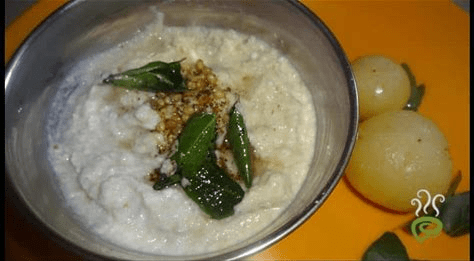
Nelli pachadi or Amla chutney is a very famous traditional dish in south India. This is very rich in Protein. Amla chutney is easy to make and is also said to be healthy and contains Ayurvedic medicinal properties. full recipe
🍵 Juiced & Tonic-Infused
Amla Juice: Blended with honey, ginger, or tulsi—used in fasting rituals or morning cleanses.
Fermented Tonics: Nelli is steeped with herbs and spices to create probiotic-rich drinks.
🍰 Infused into Sweets
Amla Halwa: A rich dessert made with grated Nelli, ghee, and sugar—served during festivals.
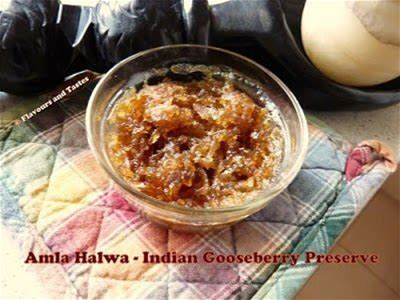
Amla Barfi: A condensed milk sweet with powdered Nelli, often gifted during auspicious occasions.
🧬 Nutritional Profile of Nelli
(Per 100g of fresh fruit)
| Nutrient | Amount | Benefits |
|---|---|---|
| Vitamin C | 600–700 mg | Boosts immunity, collagen production |
| Fiber | ~4.3 g | Aids digestion, regulates blood sugar |
| Calcium | ~25–50 mg | Supports bone health |
| Iron | ~0.5–1.2 mg | Prevents anemia, improves circulation |
| Phosphorus | ~20–30 mg | Strengthens bones and teeth |
| Potassium | ~200–250 mg | Regulates blood pressure and hydration |
| Antioxidants (ORAC) | 261,500 ORAC units | Neutralizes free radicals, anti-aging |
| Polyphenols & Tannins | High concentration | Anti-inflammatory, antimicrobial |
| Gallic & Ellagic Acid | Present | Anti-cancer, liver-protective |
🌿 Key Highlights
Vitamin C powerhouse: One Nelli fruit delivers up to 1000% of your daily Vitamin C requirement.
ORAC score: 56× higher than blueberries, 2× higher than acai berries.
Rasayana status: In Ayurveda, Nelli is classified as a rejuvenator—nourishing all seven dhatus (tissues) and balancing all three doshas.
🧘🏽♀️ Ritual Pairings
Often consumed during Dwadashi (post-fasting day), Amla Navami, or seasonal cleansing rites.
Paired with warm water, herbal teas, or ghee to awaken digestive fire (agni) and balance doshas.

Akshaya Navami is considered an auspicious occasion among the Hindus. On this occasion, the Amla tree is worshipped.
⚠️ Disclaimer & Safety Guidance
This content is intended for educational and ritual storytelling purposes only. While Nelli (Indian gooseberry) is widely celebrated in Ayurvedic and traditional medicine, individual responses may vary. Always consult a qualified healthcare practitioner before using Nelli therapeutically—especially if you are pregnant, nursing, or managing chronic conditions.
🚫 Who Should Avoid or Moderate Nelli Intake
- People with low blood sugar (hypoglycemia): Nelli may further reduce glucose levels.
- Those with sensitive digestion: Its sour and astringent nature may aggravate acidity or IBS in some individuals.
- Patients on anticoagulants or blood pressure medication: Nelli’s natural compounds may interact with certain drugs.
- Individuals with kidney disorders: High Vitamin C intake can increase oxalate levels, potentially affecting kidney function.
- Children under 2 years: Best introduced under pediatric guidance.
🪬 Ritual Reminder
Nelli is a sacred fruit—used not just for nourishment, but for seasonal cleansing, ancestral reverence, and energetic renewal. Always consume with intention, and honor its legacy with mindful preparation.
 EJADA
EJADA 
Leave a comment