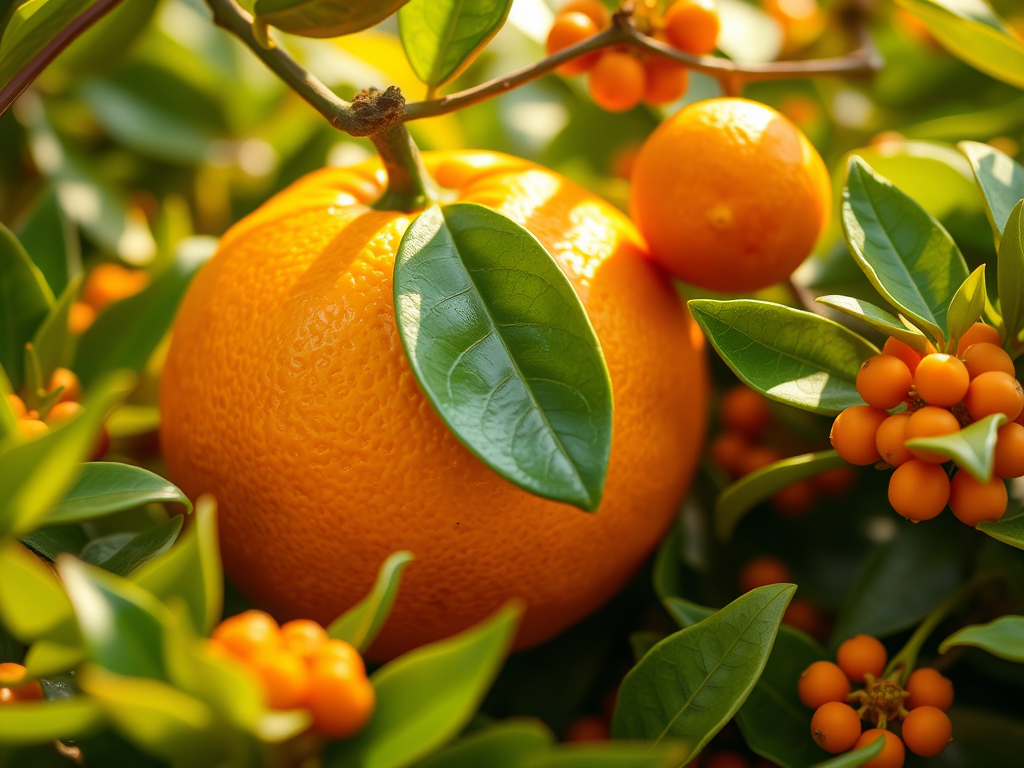
The humble Navel Orange—sweet, seedless, and surprisingly storied
🌱 Origins & Cultivation
Birthplace: The Navel Orange originated from a spontaneous mutation in the early 1800s in a monastery garden in Bahia, Brazil.
Cultivation History:
In 1873, two cuttings were sent by the USDA to Eliza Tibbets in Riverside, California, who planted them in her front yard.
These trees flourished and became the foundation of the Washington Navel variety, sparking California’s citrus boom.
🔮 Ritual & Ceremonial Uses
While not as widely documented as other sacred fruits, oranges—including navels—have held symbolic and ritual value across cultures:
Chinese New Year: Oranges symbolize wealth and good fortune. Their round shape and golden hue are considered auspicious.
Mediterranean Traditions: Orange blossoms (from the same tree) are used in wedding ceremonies to represent purity and fertility.
Spiritual Cleansing: Orange peels and essential oils are used in ritual baths and smudging to uplift energy and cleanse spaces.
Offerings: In various Afro-Caribbean and Latin American practices, oranges are offered to deities associated with joy, abundance, and solar energy.
💪 Health Benefits
Navel oranges are nutritional powerhouses.
Here’s what they offer:
| Nutrient/Compound | Benefit |
|---|---|
| Vitamin C | Boosts immunity, collagen production, and skin health |
| Fiber | Aids digestion, regulates blood sugar, and supports heart health |
| Potassium | Helps lower blood pressure and supports cardiovascular function |
| Flavonoids (e.g. hesperidin) | Antioxidant properties that may reduce cancer risk |
| Beta-cryptoxanthin | Supports eye health and may reduce inflammation |
🌿 Medicinal & Therapeutic Uses
Traditional Remedies:
Orange peel tea: Used to relieve bloating, indigestion, and nausea.
Essential oil: Applied in aromatherapy to reduce anxiety, uplift mood, and stimulate circulation.
Poultices: Crushed peel sometimes used in folk remedies for skin irritations.
Modern Applications:
Diabetes management: High fiber helps regulate glucose levels.
Skin care: Vitamin C promotes collagen and reduces signs of aging.
Anti-inflammatory: Flavonoids may help reduce systemic inflammation.
Orange—and citrus more broadly—can play a role in natural diabetes management, especially in ways that align with ritual-rich, health-conscious living 🍊✨.
🍊 Citrus & Blood Sugar: The Natural Synergy
Navel oranges are low on the glycemic index (GI ~40), meaning they release glucose slowly into the bloodstream. This makes them a smart choice for people managing diabetes.
Key Benefits:
- Soluble Fiber: Helps regulate blood sugar spikes by slowing digestion and glucose absorption.
- Vitamin C: Supports immune function and reduces oxidative stress, which is often elevated in diabetics.
- Flavonoids (e.g. hesperidin, naringenin):
- Improve insulin sensitivity
- Reduce inflammation
- May help lower LDL cholesterol
🌿 Traditional & Ritual-Based Uses
In folk medicine and ritual wellness practices, citrus has long been used for metabolic balance:
- Orange Peel Tea: Brewed from dried peels, this tea is used to aid digestion and reduce sugar cravings.
- Morning Citrus Rituals: In Ayurvedic and Mediterranean traditions, starting the day with warm water and citrus is believed to stimulate metabolism and detoxify the liver.
- Essential Oil Therapy: Orange oil diffused or applied topically (with carrier oil) may help reduce stress-induced glucose spikes.
Sweet Rituals for Metabolic Balance
🧡 I. Legacy of the Navel Orange
Visual Theme: Golden citrus glow, branching roots, archival textures Narrative:
- Born from a spontaneous mutation in Bahia, Brazil, the Navel Orange traveled through time and trade to become a symbol of abundance, purity, and solar energy.
- Revered in Chinese New Year for prosperity, and in Mediterranean weddings for fertility and joy.
- Its seedless nature made it a gift of continuity without excess—a metaphor for metabolic balance.
🌿 II. Rituals Rooted in Wellness
Visual Theme: Morning light, steam rising from citrus tea, sacred geometry Narrative:
- Morning Citrus Infusion: Begin the day with warm water and dried orange peel to awaken digestion and honor the sun’s first light.
- Orange Peel Tea: A traditional remedy used to soothe bloating, regulate sugar cravings, and support liver clarity.
- Essential Oil Ceremony: Diffuse orange oil during meditation or journaling to reduce cortisol and stabilize blood sugar.
Morning Citrus Infusion
💪 III. Metabolic Magic in Every Slice
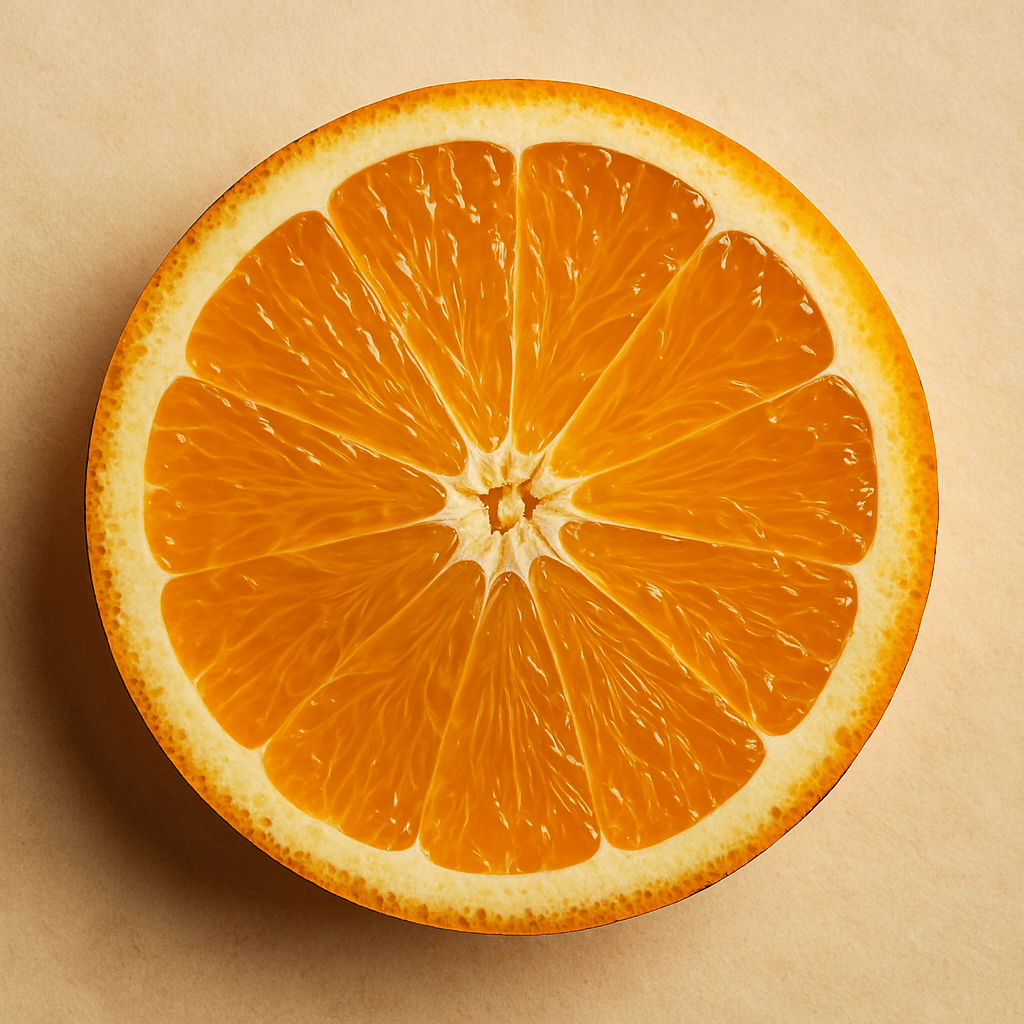
Cross-sectioned orange with nutrient callouts:
Soluble Fiber: Slows glucose absorption, supports gut clarity
Vitamin C:Reduces oxidative stress, boosts immunity
Flavonoids:Enhance insulin sensitivity, reduce inflammation
Potassium:Balances blood pressure, supports heart rhythm
Dried orange peel sachets are tiny powerhouses of ritual, wellness, and sensory delight 🍊✨.
🌿 Wellness & Ritual Use
- Metabolic Support: Steeped as tea, dried orange peel helps regulate digestion, reduce bloating, and may aid in blood sugar balance—especially useful in natural diabetes management.
- Morning Infusion Rituals: Used in Ayurvedic and Mediterranean traditions to stimulate the liver and awaken the senses.
- Stress Relief: The citrus aroma from sachets can be calming. Place one near your pillow or desk to reduce anxiety and elevate mood.
🧖♀️ Beauty & Skin Care
- Natural Exfoliant: Ground peel can be used as a gentle scrub to brighten skin and unclog pores.
- Bath Rituals: Drop a sachet into warm bathwater for a rejuvenating soak that softens skin and uplifts the spirit.
🏡 Home & Atmosphere
- Air Freshener: Tuck sachets into drawers, closets, or bathrooms to infuse spaces with a clean, citrus scent.
- Simmer Pot Ingredient: Boil with cinnamon and cloves to create a warm, aromatic home environment.
- Insect Repellent: D-limonene in orange peel naturally repels ants, mosquitoes, and flies.
🍽️ Culinary & Herbal Use
- Flavor Infusion: Add sachets to teas, stews, or grains for a subtle citrus note.
- Orange Peel Powder: Grind dried peel into powder for use in marinades, baked goods, or spice blends.
Stop Throwing away Orange Peels
🍊 Creative Ways to Use Dried Orange Peels
🧼 Home & Cleaning
Citrus Vinegar Cleaner: Steep peels in white vinegar for 2–3 weeks, then strain and dilute 1:1 with water for a natural degreaser and disinfectant.
Air Freshener Simmer Pot: Boil peels with cinnamon and cloves to infuse your space with warm, citrusy aroma.
Insect Repellent: Place dried peels near windows or rub fresh peel around pet bowls—D-limonene repels ants, mosquitoes, and flies.
🍽️ Culinary & Beverage
Zest for Recipes: Grind into powder and use in spice blends, marinades, or baked goods.
Herbal Tea Infusion: Add to green or black tea for a citrus twist and digestive boost.
Cocktail Garnish or Syrup: Infuse peels into simple syrup or use as a dried garnish.
🌿 Wellness & Beauty
Facial Scrub: Mix powdered peel with honey or yogurt for a brightening exfoliant.
Bath Soak: Add to bath salts for a skin-toning, aromatic soak.
Hair Rinse: Boil peels and use the cooled water to add shine and reduce dandruff.
🌱 Garden & Ritual
Compost Booster: Adds nutrients and deters pests.
Smudge Alternative: Burn dried peels as a fragrant, cleansing ritual.
Decorative Potpourri: Combine with dried herbs and spices for seasonal blends.
🌟 Health Benefits of Dried Orange Peels
| Benefit | Description |
|---|---|
| Rich in Vitamin C | A 100g serving contains ~45mg of vitamin C—supports immunity and skin health. |
| High in Fiber | Contains ~10.6g of fiber, especially pectin, which aids digestion and gut health. |
| Hydration Support | Offers ~72.5g of water per peel—helps meet daily fluid needs. |
| Antioxidant Power | Packed with polyphenols and limonene—may help prevent chronic diseases and skin aging. |
| Prebiotic Boost | Encourages growth of beneficial gut bacteria, enhancing microbiome balance. |
While dried orange peels are packed with benefits, they’re not universally safe for everyone. Here’s a clear breakdown of precautions and who should avoid them.
⚠️ Precautions When Using Dried Orange Peels
🧼 Surface Safety
- Pesticide Residue: Conventional oranges may carry pesticide buildup on the peel. Always opt for organic or scrub thoroughly before drying.
- Wax Coatings: Commercial oranges often have wax coatings—remove with warm water and fruit-safe wash.
🧪 Dosage & Potency
- Concentrated Oils: Dried peels contain potent essential oils like d-limonene, which may irritate sensitive skin or mucous membranes in high doses.
- Overconsumption: Excessive intake (especially in powdered form) may cause nausea, heartburn, or digestive upset.
🔥 Allergic Reactions
- Citrus Sensitivity: Individuals with citrus allergies may experience skin rashes, itching, or respiratory symptoms.
- Photosensitivity: Citrus oils can increase skin sensitivity to sunlight—avoid topical use before sun exposure.
🚫 Who Should Avoid Dried Orange Peels
| Group | Reason |
|---|---|
| People with GERD or Acid Reflux | Citrus compounds may worsen symptoms. |
| Pregnant or Breastfeeding Individuals | Limited safety data on concentrated peel extracts—consult a healthcare provider. |
| Children under 2 | Their skin and digestion are more sensitive to citrus oils. |
| Those on Certain Medications | Citrus may interact with statins, antihistamines, or blood pressure meds—check with a pharmacist. |
| Individuals with Citrus Allergy | Even dried peel can trigger reactions. |
⚠️ Disclaimer: Dried Orange Peel Use
This product is intended for culinary, cosmetic, and wellness applications only. It is not intended to diagnose, treat, cure, or prevent any disease. Always consult a qualified healthcare provider before using if you are pregnant, nursing, taking medications, or have a known citrus allergy.
🍋 Morning Citrus Infusion Recipe
“Each slice of dried orange peel carries the memory of sun and soil—an archive of vitality. Infused with mint, ginger, and lemon balm, this morning ritual awakens the senses, nourishes the gut, and honors the ancient wisdom of citrus. Sip slowly. Let the botanicals speak.”
✨ Ingredients
- 2 dried orange peels (or fresh if preferred)
- 2 lemon slices
- 2 cucumber slices
- 1 sprig fresh mint (or ½ tsp dried)
- 1 tsp grated ginger (optional for warmth and digestion)
- 2 cups filtered water
- 1 tsp raw honey or agave (optional)
🧪 Optional Add-Ins
- A pinch of turmeric for anti-inflammatory benefits
- A splash of apple cider vinegar for metabolism support
- A few crushed coriander seeds for digestive aid
🫖 Instructions
- Prep the Peels: If using dried orange peels, lightly crush them to release oils.
- Infuse: Add all ingredients to a mason jar or carafe. Pour in filtered water.
- Steep: Let sit for 30 minutes at room temp or refrigerate overnight for deeper infusion.
- Strain & Sip: Strain if desired. Serve chilled or at room temperature.
🌟 Benefits
- Hydration: Cucumber and citrus replenish fluids and electrolytes.
- Digestion: Ginger, mint, and citrus stimulate enzymes and soothe the gut.
- Immunity: Vitamin C and antioxidants from citrus peels support immune function.
- Glow Boost: The combo promotes clearer skin and gentle detox.
Harvesting rituals are rich with cultural symbolism, seasonal gratitude, and ancestral reverence.
Culinary Uses for Dried Orange Peels
🧂 Spice & Seasoning
- Citrus Peel Powder: Grind into a fine powder and mix with sea salt, chili flakes, or garlic for a zesty rub.
- Infused Sugar: Blend with cane sugar for a fragrant topping on baked goods or fruit bowls.
- Savory Marinades: Add to olive oil, vinegar, and herbs for meat or tofu marinades.
🥘 Cooking & Baking
- Roasted Vegetables: Toss root veggies with olive oil, rosemary, and crushed orange peel for caramelized brightness.
- Rice & Grains: Infuse jasmine rice or couscous by adding peels to the boiling water—remove before serving.
- Muffins & Cakes: Fold powdered peel into batter for citrus depth in baked goods.
🍫 Sweet Treats
- Candied Orange Peel: Boil, sugar-coat, and dry for a chewy snack or chocolate-dipped delight.
- Chocolate Infusion: Mix peel powder into ganache or sprinkle over truffles for a bitter-sweet twist.
🫖 Beverages
- Citrus Tea Blends: Steep with green, black, or herbal teas for a refreshing infusion.
- Cocktail Garnish: Use dried peel curls in old fashioneds, spritzes, or mocktails.
- Infused Olive Oil: Add dried peel to oil for a gourmet drizzle over salads or roasted nuts.
While the navel orange doesn’t have a widely recognized traditional harvesting ceremony like rice or maize in indigenous cultures, its origin and cultivation have inspired regional rituals of reverence and celebration, especially in California and Brazil—where its story began
🍊 Ritual Roots of the Navel Orange
“From a single tree in Bahia to your morning ritual—each navel orange carries the story of twin suns. Peel slowly. Sip deeply. Let the botanicals speak. This is your Twin Sun Ritual: a moment of duality, vitality, and ancestral glow.”
🌱 Bahia, Brazil – The Birthplace
- The original navel orange was a spontaneous mutation discovered in the early 1800s in a monastery garden in Bahia.
- Though not ceremonial in the formal sense, the monks treated the tree with reverence, recognizing its uniqueness and seedless nature as a divine gift.
- The fruit’s “navel” (a second rudimentary fruit) was seen as symbolic—some likened it to fertility, duality, or sacred wholeness.
🌞 Riverside, California – The Cultivation Legacy
In 1873, Eliza Tibbets planted two grafted navel orange trees in Riverside, California.
Her planting is now commemorated as a foundational moment in California’s citrus industry.
The California Citrus State Historic Park hosts seasonal events celebrating the citrus harvest, including:
Citrus tastings and storytelling
Orchard tours and grafting demos
Community rituals honoring Eliza’s legacy
a whole raw navel orange (approx. 165g, or 1 cup of sections without membranes)—based on USDA and verified nutrition databases.
🍊 Whole Navel Orange – Nutritional Profile (per 165g)
🔬 Macronutrients
| Nutrient | Amount | % Daily Value (DV) |
|---|---|---|
| Calories | 81 kcal | 4% |
| Carbohydrates | 21g | 8% |
| • Sugars | 14g | — |
| • Dietary Fiber | 3.6g | 13% |
| Protein | 1.5g | 3% |
| Fat | 0.2g | 0% |
| • Saturated Fat | 0.03g | 0% |
| Water Content | 141.9g | — |
🌿 Vitamins
| Vitamin | Amount | % DV |
|---|---|---|
| Vitamin C | 97.5mg | 108% |
| Vitamin A (RAE) | 19.8mcg | 2% |
| Thiamin (B1) | 0.11mg | 9% |
| Riboflavin (B2) | 0.08mg | 6% |
| Niacin (B3) | 0.7mg | 4% |
| Pantothenic Acid (B5) | 0.43mg | 9% |
| Vitamin B6 | 0.13mg | 8% |
| Folate (B9) | 56.1mcg | 14% |
| Vitamin E | 0.25mg | 2% |
| Vitamin D, K, B12 | 0mcg | 0% |
🧪 Minerals
| Mineral | Amount | % DV |
|---|---|---|
| Calcium | 71mg | 5% |
| Potassium | 274mg | 6% |
| Magnesium | 18mg | 4% |
| Phosphorus | 38mg | 3% |
| Iron | 0.2mg | 1% |
| Zinc | 0.13mg | 1% |
| Copper | 0.06mg | 7% |
| Manganese | 0.05mg | 2% |
| Sodium | 1.7mg | 0% |
🌟 Highlights
- High in Vitamin C: Supports immunity, collagen, and antioxidant defense.
- Rich in Folate & B Vitamins: Aids energy metabolism and cellular repair.
- Low in Calories & Fat: Nutrient-dense and hydrating.
- Good Source of Fiber: Promotes digestion and satiety.
Orange juice contains many beneficial nutrients — most notably vitamin C. It does have its downsides though: one being the amount of sugar in each serving. If you are watching your calories or carbohydrates, you may want to limit your intake or choose a version that doesn’t contain added sugar
@ WebMD
🍊 The Sunshine of Fruit: Navel Orange Ritual Wrap
Born of mutation, revered by monks, and planted with intention— the navel orange is more than fruit. It is a twin sun, a seedless gift, a ritual of renewal passed from soil to soul.
Its golden flesh carries the warmth of Bahia, the legacy of Riverside, and the promise of morning vitality. With each peel, we honor its duality— body and spirit, past and future, tradition and trend.
Sip slowly. Glow deeply. The sunshine of fruit is the navel orange.
 EJADA
EJADA 
Leave a comment