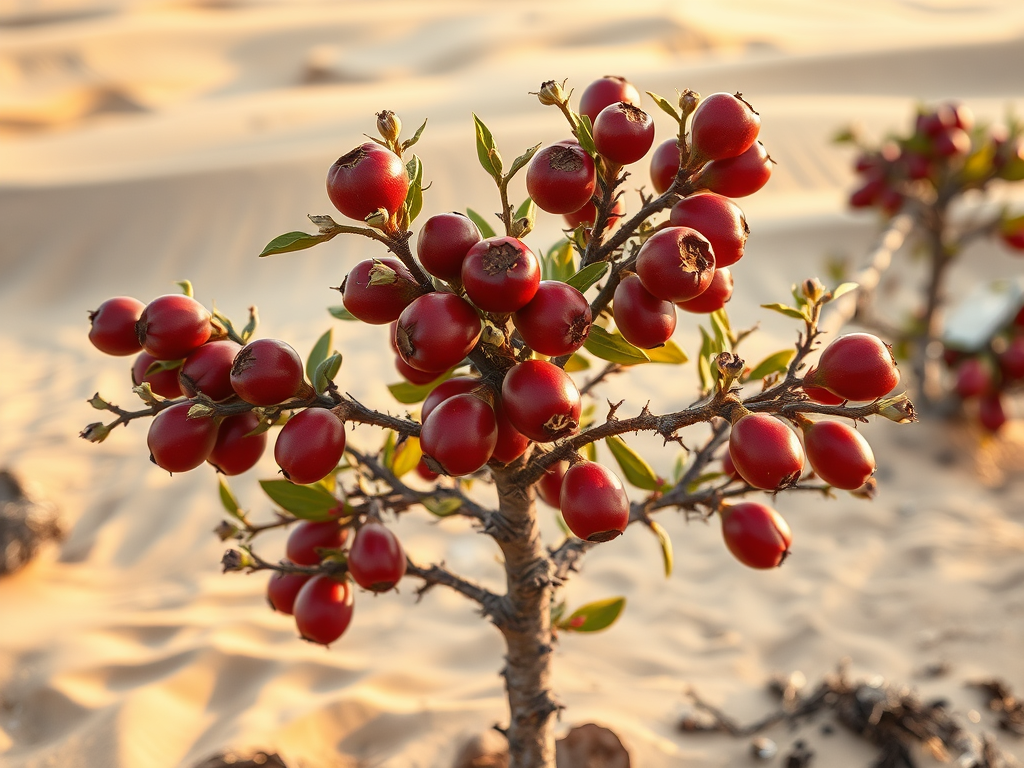
🌺 Natal Plum: First Cultivated, Forever Ceremonial
Carissa macrocarpa | Amatungulu | Grootnoem-noem
🧬 First Cultivation & Botanical Origins
The Natal Plum was first formally described by Danish naturalist Christian Friedrich Ecklon in the 19th century, but its cultivation predates colonial records. Indigenous communities along the coastal dunes of Natal, South Africa, had long nurtured this spiny evergreen shrub for its edible fruit and protective properties.
🌿 Natal Plum in Indigenous Coastal Traditions
1. Ecological Anchor of the Dunes The Natal plum thrives in salt-laden winds and sandy soils, making it a natural sentinel of the coastal bush. Indigenous communities have long recognized its role in land stabilization, planting it along dunes to prevent erosion and protect sacred coastal paths.
2. Ancestral Nourishment & Medicinal Use Known locally as amatungulu or umThungulu oBomvu, the fruit has been used in traditional healing for its high vitamin C content and antioxidant properties. The leaves were often applied to skin irritations, while the fruit was consumed to boost immunity—especially during seasonal transitions or rites of passage.
3. Ceremonial Offerings & Symbolism In some coastal rituals, the Natal plum was offered at ancestral altars or incorporated into coming-of-age ceremonies, symbolizing purity, protection, and the sweetness of lineage. Its deep crimson hue and thorny branches were seen as metaphors for strength through adversity.
4. Culinary Heritage The fruit was traditionally made into num-num jam, fermented into plum wine, or added to wild greens like morogo for ceremonial meals. These dishes often accompanied blessings for fertility, harvest, or spiritual cleansing, especially in communities near KwaZulu-Natal and Mozambique.
🌿 Traditional Growers: Zulu & Xhosa Stewardship of the Natal Plum
The Natal Plum (Carissa macrocarpa) wasn’t just planted—it was intentionally placed by Zulu and Xhosa farmers as part of a living system of nourishment, protection, and spiritual alignment.
🛡️ Hedge of Protection
- Thorny guardianship: Its dense, spiny branches made it ideal for natural fencing, protecting homesteads from wild animals and marking territorial boundaries
- Symbolic barrier: Beyond physical defense, it was believed to repel malevolent spirits and shield the home from misfortune
- Strategic placement: Often planted near ancestral kraals (sacred enclosures) or ceremonial entryways, reinforcing its role as a spiritual gatekeeper
🍒 Food Source with Purpose
- Seasonal sustenance: The fruit was harvested during specific ecological windows—often after the first rains—to align with ancestral timing and ensure ripeness
- Preservation rituals: Natal Plums were sun-dried or made into thick jams stored in clay pots, used during lean seasons or shared during communal feasts
- Nutritional wisdom: Elders taught that the fruit strengthened blood and spirit, especially for children and the elderly during transitional phases
🔮 Spiritual Boundary & Ceremonial Use
- Rites of passage: Young initiates in puberty or healer training were often secluded near Natal Plum hedges, believed to offer energetic shielding during transformation
- Purification ceremonies: Leaves and flowers were used in smoke cleansing rituals, especially during funerals or seasonal transitions
- Communal planting: Entire families participated in planting Natal Plum hedges, often accompanied by songs and libations poured into the soil to honor ancestors
“Umuthi uyakhulisa, uyavikela”—“A plant nurtures and protects.” This Zulu proverb captures the dual essence of the Natal Plum: it feeds the body and guards the soul.
🌬️ Botanical Resilience: Nature’s Coastal Guardian
The Natal Plum (Carissa macrocarpa) is a masterclass in survival—thriving where other plants falter. Its ability to flourish in sandy, rocky soils and withstand salt-laden coastal winds made it a staple in traditional South African homesteads, especially along the Natal coastline.
🏖️ Soil & Terrain Adaptability
- Sandy soils: Its roots anchor deeply into loose, nutrient-poor sand, stabilizing dunes and preventing erosion—a natural ally for coastal farmers
- Rocky outcrops: The plant’s fibrous root system navigates crevices and compacted terrain, making it ideal for rugged landscapes
- Drainage tolerance: Prefers well-drained soils and resists root rot, even in arid or drought-prone zones
🌊 Salt & Wind Resistance
- Salt spray resilience: Unlike many fruiting plants, the Natal Plum tolerates high salinity levels in both soil and air—perfect for seaside gardens
- Wind-hardy foliage: Its leathery, glossy leaves reduce moisture loss and resist tearing, allowing it to thrive in gusty coastal conditions
- Barrier planting: Used as a windbreak hedge, shielding more delicate crops and creating microclimates for traditional gardens
🌱 Permaculture & Cultural Integration
- Erosion control: Planted along slopes and pathways to hold soil and reduce runoff
- Habitat creation: Provides shelter and food for birds, bees, and beneficial insects—supporting biodiversity in traditional agroforestry systems
- Symbolic placement: Often grown near ancestral homes and ceremonial groves, reinforcing its role as both protector and provider
🍒 Natal Plum: Health Benefits & Hidden Healing
A fruit of resilience, ritual, and radiant wellness
🌟 Core Health Benefits
Natal Plum isn’t just a coastal treat—it’s a nutritional powerhouse with a surprising range of benefits:
| Nutrient | Benefit |
|---|---|
| Vitamin C | Boosts immunity, collagen production, and skin repair—63% of daily value per 100g |
| Vitamin A | Supports eye health, night vision, and skin regeneration |
| Iron & Magnesium | Aids blood oxygenation, muscle function, and energy metabolism |
| Dietary Fiber | Promotes digestion, prevents constipation, and feeds gut microbiota |
| Antioxidants | Neutralize free radicals, reduce inflammation, and slow aging |
🌿 Lesser-Known Healing Properties
These under-the-radar benefits make Natal Plum a true ritual fruit in your archive:
- Anti-bilious effect: Traditionally used to regulate bile secretion and ease liver discomfort
- Scurvy remedy: High vitamin C content made it a natural treatment for scurvy in coastal communities
- Diarrhea relief: The fruit’s gentle fiber and tannin content helped soothe digestive upset
- Skin elasticity booster: Antioxidants and vitamin C work synergistically to enhance skin tone and reduce signs of aging
- Vision support: Vitamin A protects the cornea and improves night vision—especially valued in elder care rituals
🧿 Ceremonial Integration
In ancestral gardens, Natal Plum was more than food—it was functional medicine:
- Healing bowls: Fruit was mashed and mixed with clay or aloe for topical skin treatments
- Seasonal immunity: Consumed during transitional months to fortify the body against seasonal illness
- Elder offerings: Given to elders during solstice ceremonies to honor longevity and vitality
Only the crimson fruit is edible—the rest of the plant contains toxic latex and should be avoided.
🍽️ Natal Plum: Culinary Uses, Recipes & Precautions
From ancestral gardens to modern kitchens—tart, bold, and ritual-ready
🍒 Culinary Uses
Natal Plum’s vibrant red fruit is the only edible part of the plant—its tart-sweet flavor and strawberry-like texture make it a versatile ingredient:
Fresh eating: Halved or quartered and seeded, perfect in fruit salads or as a topping for yogurt, puddings, and ice cream
Jams & jellies: Cooked with sugar and lemon juice until thick and spreadable—ideal for toast, pastries, or ceremonial feasts
Sauces & chutneys: Paired with ginger, cinnamon, or chili for savory applications
Desserts: Folded into sweet breads, pies, or steamed into preserves resembling apple butter
Pickled plums: Boiled and flavored with masala, lemon juice, and oil for a tangy twist
Juices & vinegars: Overripe fruit can be processed into vibrant juice or fermented into fruit vinegar
Taste profile: Slightly sweet cranberry meets ripe strawberry, with a hint of cherry tartness
🧑🍳 Natal Plum Preserve
Ingredients:
- 2 pints ripe Natal Plums (halved and seeded)
- 1 cup sugar
- 1 cup water
- 1 tbsp lemon juice
Instructions:
- Steam plums until softened
- In a separate pot, boil sugar and water until syrupy
- Add plums and lemon juice to syrup
- Simmer until thick, like apple butter
- Store in sterilized jars and refrigerate
⚠️ Precautions & Safety
Natal Plum is delicious—but only the ripe fruit is safe to eat. The rest of the plant contains toxic milky latex that can cause skin irritation or digestive distress.
✅ Eat only ripe, red-to-purple fruit
❌ Avoid leaves, stems, and unripe green fruit
⚠️ Do not cook in aluminum pots—latex may react and flake into food
🧼 Wash fruit thoroughly before use
🧪 Include allergen disclaimers if using in branded recipes
🔮 Rituals & Ceremonial Use
The Natal Plum’s dual bloom—white star-shaped flowers and red fruit appearing together—sparked symbolic reverence:
- Protection rites: Planted at entryways to ward off spirits and intruders
- Seasonal transitions: Dried leaves were burned in clay bowls to cleanse homes and invite clarity during solstices
- Fruit offerings: Bowls of ripe Natal Plums were placed at ancestral altars to honor lineage and fertility

Natal Plum coming of age ritual

Nompilo Khoza’s umemulo ceremony, a traditional Zulu coming-of-age ritual celebrating a young woman’s transition into adulthood and readiness for marriage
🌺 Ceremonial Foods to Pair with the Natal Plum Blessing
| Dish / Ingredient | Symbolism & Role in Ceremony | Notes & Variations |
|---|---|---|
| Natal Plum Holiday Relish | Anchors the ritual with the fruit itself—bright, tart, and ancestral | Mix with pineapple and orange zest for a vibrant offering |
| Sweet Bread with Chopped Natal Plums | Represents abundance and ancestral nourishment | Use gluten-free or vegan options for inclusivity |
| Natal Plum Jam (Num Num Jam) | Preserves memory and lineage—perfect for gifting or altar placement | Add lemon and apple juice for brightness |
| Pickled Natal Plums with Masala & Lemon | Symbolizes purification and resilience | Serve in small ceramic bowls as a cleansing starter |
| Plum Butter with Cardamom & Cinnamon | Embodies warmth and spiritual grounding | Ideal for spreading on ceremonial bread or crackers |
| Sugarplums with Anise, Fennel, and Honey | Evokes ancestral sweetness and festive grace | Roll in coarse sugar and serve as ritual treats |
| Plum Crostata | A centerpiece dessert—symbol of unity and transformation | Serve with whipped coconut cream or ceremonial tea |
| Quick Plum Wine (with caution) | Represents ancestral celebration and sacred fermentation | Use fully ripe fruit only; include safety disclaimers due to fermentation risks |
🌿 Ritual Enhancers
- Dark greens like spinach or morogo: Add to salads with diced Natal plum for strength and vitality
- Toasted coconut: Blend into ice cream or chutneys for ancestral warmth
- Infused vinegars: Use Natal plum vinegar as a cleansing libation or altar mist
The Natal plum (Carissa macrocarpa) may be small, but it packs a powerful nutritional punch—especially when it comes to immune support, mineral content, and antioxidant strength. Here’s a breakdown of its key nutrients per 100–150g serving:
🍒 Natal Plum Nutritional Profile
| Nutrient | Amount per 150g | % Daily Value (DV) | Benefits & Notes |
|---|---|---|---|
| Calories | 93 kcal | — | Low-calorie, great for light ceremonial dishes |
| Vitamin C | 57 mg | 63% | Immune booster, antioxidant, skin health |
| Vitamin A | 3 mcg | <1% | Eye health, cellular regeneration |
| Iron | 1.97 mg | 11% | Supports blood oxygenation and energy |
| Calcium | 16.5 mg | 1% | Bone strength, especially in ritual fasting |
| Potassium | 390 mg | 8% | Electrolyte balance, heart health |
| Magnesium | 24 mg | 6% | Muscle function, stress relief |
| Copper | 0.32 mg | 36% | Enzyme function, iron absorption |
| Protein | 0.75 g | 2% | Minimal, but useful in fruit-based energy blends |
| Fat | 1.95 g | 3% | Mostly unsaturated, heart-friendly |
| Carbohydrates | 20.45 g | 7% | Natural sugars and fiber |
Source: NutritionValue , FatSecret
🌿 Ceremonial Notes
- Vitamin C levels in Natal plum are higher than in oranges, making it ideal for cleansing rituals and ancestral immunity blessings.
- Its potassium and magnesium content supports grounding and vitality—perfect for pairing with morogo or spinach in strength-focused ceremonies.
- The fruit’s low fat and calorie profile makes it suitable for fasting rituals or light offerings.
🍽️ Morogo & Natal Plum Ritual Salad
🌿 Symbolism
- Morogo (wild spinach): Strength, resilience, ancestral nourishment
- Natal Plum: Purity, protection, lineage
- Toasted Coconut & Pumpkin Seeds: Grace, fertility, grounding
- Ginger-Cinnamon Dressing: Cleansing, warmth, spiritual clarity
🧺 Ingredients (Serves 4)
- 2 cups fresh morogo or baby spinach
- 1 cup diced Natal plum (or substitute with ripe red plums if unavailable)
- ¼ cup toasted coconut flakes
- 2 tbsp pumpkin seeds
- 1 tbsp fresh mint, chopped
- Optional: edible flowers (e.g., nasturtium or hibiscus) for ceremonial garnish
🍯 Ginger-Cinnamon Dressing
- 2 tbsp olive oil
- 1 tbsp apple cider vinegar
- 1 tsp grated fresh ginger
- ¼ tsp ground cinnamon
- 1 tsp honey or agave
- Pinch of salt
🌀 Instructions
- Prepare the greens: Rinse morogo/spinach and pat dry. Place in a large bowl.
- Add fruit: Gently fold in diced Natal plum.
- Toast & sprinkle: Add coconut flakes and pumpkin seeds.
- Mix dressing: Whisk all dressing ingredients until emulsified.
- Assemble: Drizzle dressing over salad, toss lightly.
- Garnish: Top with mint and edible flowers. Serve in a shallow wooden bowl or ceramic dish for ritual presentation.
⚠️ Safety & Allergen Notes
Toasted coconut may trigger nut allergies—label clearly if serving to guests.
Ensure Natal plum is fully ripe—unripe fruit and plant parts may be toxic.
Substitute with red plums if sourcing is uncertain.
Natal plum (Carissa macrocarpa) is available in the U.S., though it’s considered a specialty plant and fruit. Here’s how and where you can find it:
🌿 Availability in the United States
1. Nurseries & Online Retailers
- You can purchase Natal plum shrubs or trees from specialty nurseries like Urban Tropicals, which offer potted plants for home growing.
- It’s also been sold at major retailers like Lowe’s under the name Tuttle’s Natal Plum, though availability may vary by region.
2. Growing Zones
- Best suited for USDA Zones 9–11, especially in California, Florida, Texas, and coastal areas.
- It thrives in warm, frost-free climates, tolerates salt and drought, and can be grown in pots indoors in cooler zones2.
3. Specialty Produce Markets
- Fresh Natal plums may occasionally appear in ethnic or specialty produce markets, particularly in areas with South African or tropical plant communities.
- They’re more commonly found as jam, jelly, or ornamental fruit than as fresh produce.
⚠️ Safety Reminder
Only the ripe fruit is edible. All other parts of the plant—including leaves, stems, and unripe fruit—are mildly toxic and should be avoided
🚫 Who Should Avoid Natal Plum
1. People with Latex Sensitivity or Allergies
- The plant contains a milky latex sap, which may trigger reactions in individuals allergic to latex or similar compounds.
- Even though the ripe fruit is considered safe, cross-contact during harvesting or preparation could pose a risk.
2. Children (if unsupervised)
- The fruit resembles berries but unripe Natal plums are toxic, and the plant has sharp thorns.
- Accidental ingestion of unripe fruit or plant parts could lead to nausea or worse.
3. Pregnant or Breastfeeding Individuals
- There’s limited research on its safety during pregnancy or lactation.
- Best to avoid unless cleared by a healthcare provider.
4. People with Gastrointestinal Sensitivities
- The fruit is high in fiber and mildly acidic, which may irritate sensitive stomachs or trigger reflux in some individuals.
5. Cultural or Religious Dietary Restrictions
- Some traditions may avoid fruits with milky sap or thorny plants, especially in ceremonial contexts.
- Others may exclude unfamiliar or non-native fruits from ritual diets.
⚠️ Ethical and Safety Disclaimer
Only the fully ripe fruit is edible. All other parts—leaves, stems, unripe fruit—can be mildly toxic and should not be consumed. Always source from a reputable grower and include clear labeling if you’re featuring it in EJADA content.
From Thorn to Indigo: Fruits of Wisdom, Ritual, and Resilience,”
📚 Cited Resources
| Source | Description |
|---|---|
| Wikipedia – Carissa macrocarpa | Botanical background, cultivation zones, toxicity myths, and ceremonial relevance of Natal plum. |
| Kumbula Nursery – Carissa macrocarpa | Indigenous South African insights, planting advice, and cultural uses of Natal plum (Amatungulu). |
| NutritionValue.org – Natal Plum | Detailed nutritional breakdown including vitamin C, iron, and potassium content. |
| FatSecret – USDA Data on Natal Plum | Caloric and macronutrient profile for dietary comparisons. |
 EJADA
EJADA 
Leave a comment