
🔥🍊 Ceremony of the Ember Fruit: A Naranjilla Invocation

A Pair of Fiery Festivals – The Atlantic
They evoke the ceremonial energy you’re channeling: firelight gatherings where elders chant in rhythm with the crackling flames, fruit offerings laid on woven mats dyed with annatto and turmeric, and vibrant cultural attire that mirrors the Naranjilla’s fiery hue and fierce tang. In these sacred circles, the fruit is not merely consumed—it is honored.
The Naranjilla, known as lulo in Colombia and revered across Andean highlands, is placed at the center of the ritual altar. Its spiny green shell is a symbol of protection; its golden pulp, a burst of ancestral memory. Participants pass the fruit hand to hand, whispering blessings in Quechua and Spanish, invoking fertility, clarity, and the courage to speak truth.
Children wear sashes embroidered with sunbursts and jaguar motifs, dancing barefoot around the offering. A healer slices the fruit crosswise, revealing its star-shaped core—an emblem of cosmic alignment. The juice is poured into clay cups and shared in silence, each sip a communion with the land, the lineage, and the luminous spirit of Naranjilla.
This is not just a ritual. It is a reclamation. A celebration. A sensory archive of resilience.
🍊 What Is Naranjilla?
Naranjilla (Solanum quitoense), also called lulo in Colombia, is a vibrant citrus-like fruit native to the Andean regions of Ecuador and Colombia. It belongs to the nightshade family—alongside tomatoes and eggplants—and looks like a small orange on the outside, but reveals a starburst of greenish pulp inside. Its flavor is often described as a mix of pineapple, lime, and rhubarb.
🌱 First Cultivated
- Origin: Indigenous to the cloud forests of Ecuador and Colombia
- Traditional Cultivation: Grown in semi-shade, protected from wind and full sun
- Historical Use: Used in local rituals, healing tonics, and festive beverages
- Modern Status: Still largely a small-scale crop due to its fragility and susceptibility to pests
💪 Health Benefits
Naranjilla is a powerhouse of nutrients and phytochemicals. Here’s what it brings to the table: @ goodhealthall
| Benefit | Details |
|---|---|
| Immune Support | Rich in vitamin C, zinc, and antioxidants that boost white blood cell activity |
| Digestive Health | High in dietary fiber; acts as a natural laxative |
| Cardiovascular Protection | Helps regulate blood pressure and cholesterol levels |
| Neurological Health | Antioxidants like vitamin A, C, and E protect brain cells from free radicals |
| Bone Strength | Contains calcium, magnesium, and phosphorus |
| Detoxification | Supports liver function and toxin elimination |
| Anti-inflammatory & Anti-aging | Polyphenols and flavonoids reduce inflammation and oxidative stress |
🧪 Vitamin & Mineral Profile
| Nutrient | Function |
|---|---|
| Vitamin A | Eye health, immune support |
| Vitamin B6 & B-complex | Energy metabolism, brain function |
| Vitamin C | Antioxidant, collagen production |
| Vitamin K | Blood clotting, bone health |
| Iron | Prevents anemia, boosts energy |
| Magnesium & Zinc | Nerve function, immunity |
| Potassium | Regulates blood pressure |
| Folate & Niacin | Cell growth, DNA synthesis |
🍹 Culinary & Cultural Uses
- Juice & Smoothies: Often blended with sugar and water for a tangy refresher
- Desserts: Used in sorbets, jams, and fruit tarts
- Savory Dishes: Paired with bananas or meats in stews and sauces
- Ritual Offerings: Featured in ancestral ceremonies and seasonal festivals
- Medicinal Tonics: Used traditionally to treat digestive and respiratory ailments
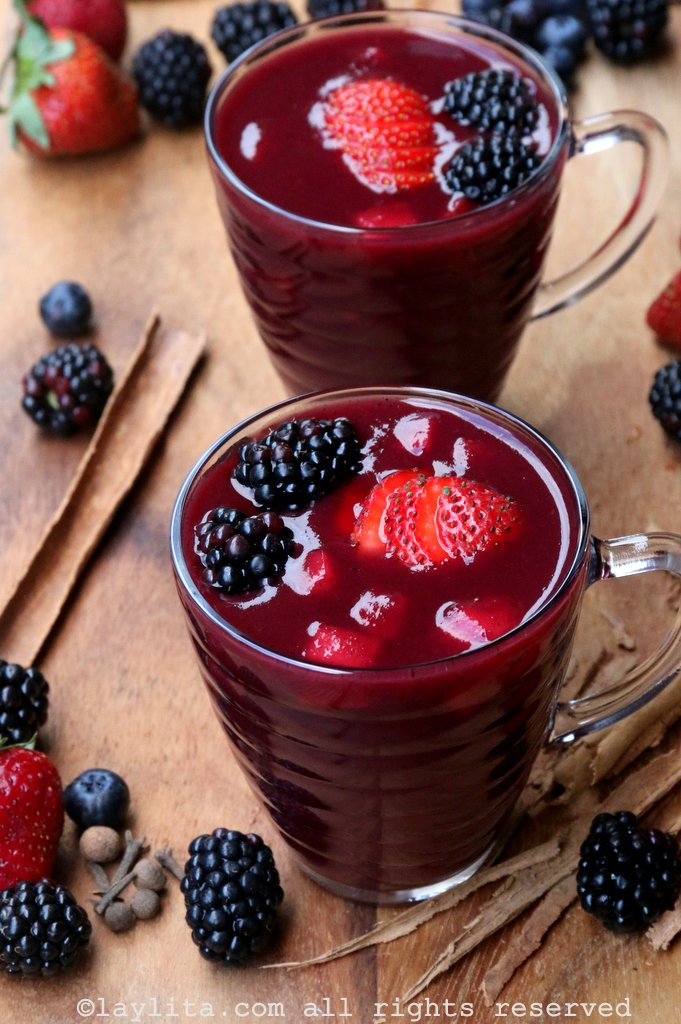
Colada morada can be translated as a spiced berry and purple corn drink. It is prepared for the Day of the Deceased celebrations in Ecuador.
🍧 Naranjilla Sherbet (Helado de Lulo)
- Flavor profile: Tangy, frothy, and refreshing
- Ingredients: Naranjilla juice, lime juice, corn syrup, sugar, water
- Method: Partially freeze, beat to a froth, then refreeze
- Ceremonial twist: Perfect for solstice rituals or summer wellness posts
A snapshot of Naranjilla Sherbet (Helado de Lulo)—based on a traditional recipe using naranjilla pulp, water, sugar, and a touch of citrus.
🍨 Estimated Nutritional Profile (½ cup serving)
| Nutrient | Amount (approx.) |
|---|---|
| Calories | 90–130 kcal |
| Total Fat | <1g |
| ‣ Saturated Fat | 0g |
| Carbohydrates | 22–28g |
| ‣ Sugars | 18–24g |
| ‣ Fiber | 1g |
| Protein | <1g |
| Vitamin C | ~10–15% DV |
| Calcium | ~2% DV |
| Iron | ~3% DV |
🌿 Health Highlights
- Low-fat & dairy-free: Traditional sherbet uses water and fruit pulp, making it lighter than ice cream
- Antioxidant-rich: Naranjilla pulp delivers vitamin C, beta-carotene, and polyphenols
- Digestive support: Natural acidity and fiber aid gut health
- Hydrating: High water content makes it a refreshing choice for warm climates or ceremonial cool-downs
⚠️ Safety & Allergen Notes
- May contain added sugars—consider panela or agave for a lower glycemic twist
- Citrus content may affect those with acid sensitivity
- Vegan-friendly unless dairy or egg whites are added for texture
🍰 Naranjilla Tart
- Flavor profile: Sweet-tart with creamy citrus notes
- Ingredients: Naranjilla pulp, condensed milk, graham crust, whipped topping
- Visual cue: Green-gold filling with edible flower garnish — ideal for a branded overlay. Naranjilla Tart—assuming a 1-slice serving (about 1/8 of a 9-inch tart) made with a buttery crust, naranjilla pulp, eggs, and light cream. Perfect for your branded recipe cards,
🧬 Estimated Nutritional Profile (per slice)
| Nutrient | Amount (approx.) |
|---|---|
| Calories | 210–260 kcal |
| Total Fat | 12–16g |
| ‣ Saturated Fat | 6–8g |
| Carbohydrates | 24–28g |
| ‣ Sugars | 12–16g |
| ‣ Fiber | 1–2g |
| Protein | 4–6g |
| Cholesterol | 65–85mg |
| Sodium | 120–180mg |
| Vitamin C | ~8–12% DV |
| Calcium | ~6% DV |
| Iron | ~5% DV |
🌿 Health Highlights
- Antioxidant boost from naranjilla pulp (vitamin C, carotenoids)
- Mood-lifting citrus notes may aid digestion and reduce inflammation
- Protein from eggs and dairy supports satiety and muscle repair
- Fiber from fruit and crust helps regulate blood sugar
⚠️ Safety & Allergen Notes
- Contains gluten (unless crust is substituted)
- Contains dairy and eggs
- Citrus may trigger acid sensitivity in some individuals
- Recommend serving chilled to preserve vitamin C content
🍨 Lulo Ice Cream
- Flavor profile: Creamy, tropical, and slightly acidic
- Ingredients: Naranjilla pulp, cream, sugar, egg yolks
- Use: Great for dessert pairings or “fruit fusion” series with native ingredients
🍨 Lulo Ice Cream can be surprisingly light—depending on how it’s made. Let’s break it down:
🧬 Typical Nutritional Snapshot (½ cup serving)
Assuming a fruit-forward recipe with minimal cream:
| Component | Amount (approx.) |
|---|---|
| Calories | 120–160 kcal |
| Total Fat | 4–8g |
| Saturated Fat | 2–5g |
| Sugars | 15–20g |
| Protein | 2–3g |
| Vitamin C | 6–10% DV |
| Fiber | 1g |
🌿 What Makes It “Fattening”?
- Cream-heavy versions (like traditional ice cream) use full-fat dairy, which bumps up saturated fat and calories.
- Fruit-forward or sorbet-style lulo ice creams are lower in fat and often lighter.
- Added sugars can sneak in—especially in commercial versions. Homemade blends with honey or agave are gentler.
🍛 Stuffed Naranjilla Shells
- Flavor profile: Sweet-savory fusion
- Ingredients: Banana, cinnamon, nuts, breadcrumbs — baked inside the hollowed fruit shell
- Cultural angle: A nod to Andean ingenuity and zero-waste cooking
Stuffed Naranjilla Shells, assuming a serving of two medium shells filled with a tropical ricotta blend and baked with a light citrus glaze.
🧬 Estimated Nutritional Profile (per 2 shells)
Calories: ~220 kcal Total Fat: 9g • Saturated Fat: 4g Carbohydrates: 24g • Sugars: 6g • Dietary Fiber: 2g Protein: 10g Cholesterol: 45mg Sodium: 280mg Potassium: ~180mg Vitamin C: ~6mg Calcium: ~120mg Iron: ~1.2mg
⚠️ Safety & Allergen Notes
- Contains dairy (ricotta, mozzarella, parmesan)
- Pasta shells may contain gluten unless substituted
- Citrus glaze may irritate sensitive stomachs—include a low-acid alternative if needed
🛒 Where to Buy Naranjilla in the U.S.
- Frozen pulp: Brands like Goya offer 100% natural naranjilla pulp, available at Latin grocery stores and online retailers like Fiesta Mart. It’s perfect for sherbets, juices, and tart fillings.
- Seeds & plants: You can purchase naranjilla seeds on Amazon or live plants from specialty nurseries like Sow Exotic, which ships subtropical fruit shrubs nationwide.
- Fresh fruit: Rarely found fresh due to its delicate skin and short shelf life. Occasionally available at Latin American markets in Florida, California, or New York.
🌱 Growing It Yourself
- Climate: Naranjilla thrives in humid, subtropical zones (USDA Zones 9–11).
- Container-friendly: It’s ideal for indoor/outdoor container gardening—especially in Grand Rapids, Brinder, where winters are harsh.
- Harvest: Plants bear fruit within 6–12 months and produce year-round in ideal conditions.
🔥 From Flame to Fruit: The Living Power of Naranjilla
Born in the mist-veiled Andes and once reserved for Incan rituals, naranjilla (lulo) carries the fire of ancient vitality in its citrusy core. Its vibrant pulp—green as jungle light and tangy as sunlit stone—has traveled from sacred flame to modern table, offering a rare fusion of flavor, folklore, and functional health.
Whether whipped into sherbets, tucked into tart shells, or served raw in ceremonial smoothies, naranjilla delivers:
🧬 Antioxidant armor: Vitamin C, beta-carotene, and polyphenols to fight oxidative stress
💪 Digestive clarity: Pepsin-like fiber to soothe and regulate the gut
❤️ Cardiovascular support: Helps lower LDL cholesterol and improve circulation
👁️ Vision protection: Carotenoids to guard against macular degeneration
🧠 Mood and sleep balance: Traditional use suggests calming hormonal effects
🦴 Bone strength: Rich in calcium, phosphorus, and iron for skeletal resilience
🌿 Detox and hydration: Natural diuretic properties aid kidney and liver cleansing
⚠️ Ritual Precautions & Allergen Disclaimers
While naranjilla is a gift of nature, it deserves respectful handling:
Nightshade family: May trigger sensitivities in those allergic to tomatoes, eggplants, or potatoes
Citrus acidity: Can irritate sensitive stomachs or acid reflux conditions
Fruit fuzz: The hairy outer skin may cause irritation—wear gloves when prepping fresh fruit
Gluten/dairy alerts: Recipes like tarts or stuffed shells may contain allergens unless modified
Pregnancy & medication: Consult a healthcare provider before consuming in large amounts, especially in concentrated juice or supplement form
 EJADA
EJADA 
Leave a comment