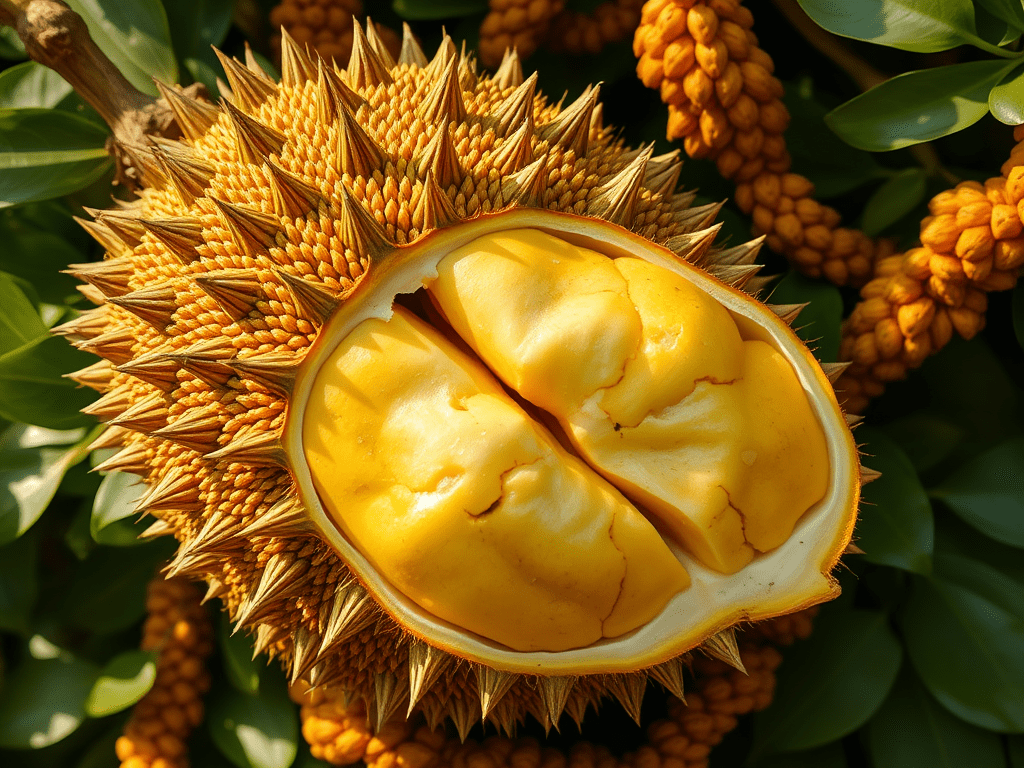
Exploring Nangka: A Traditional Fruit’s Cultural Significance
Bhutanese song titled “Jigten Zamling Nangka” originally sung by Lopen Jigme Drukpa. It’s a melodic piece that blends traditional rhythm with poetic storytelling, and while “Nangka” in this context doesn’t refer to the jackfruit, the title evokes a lyrical resonance that might inspire your own fruit-themed creations.
Nangka golden, ancient tree,
Whispers tales from land to sea.
Wrapped in leaves, a fragrant spell,
Healing hearts with stories to tell.
Slice it bold, the flavor sings,
Ceremonies, crowns, and rings.
From village feast to modern plate,
Nangka dances with fate.
👑 Ceremonies, Crowns, and Rings
These aren’t just poetic flourishes—they reflect tangible traditions:
- Ceremonies:
- Harvest Rituals: In parts of India, Sri Lanka, and Indonesia, Nangka is offered in temple ceremonies and ancestral rites. Its abundance symbolizes prosperity and divine blessing.
- Marriage & Fertility: In some cultures, jackfruit is served during weddings or fertility rituals, believed to bring luck and longevity.
- Seasonal Festivals: In Kerala’s Vishu and Tamil Nadu’s Pongal, Nangka features in ceremonial dishes that honor the earth’s bounty.
- Crowns:
- Visual Symbolism: The fruit’s spiky exterior resembles a crown—often used metaphorically to represent nature’s royalty.
- Culinary Presentation: In celebratory feasts, Nangka is sometimes carved and displayed whole, like a centerpiece “crown” of the table.
- Rings:
- Seed Symbolism: Jackfruit seeds, round and smooth, are roasted and served in rituals—sometimes strung into garlands or symbolic “rings” of continuity.
- Marriage Rituals: In Indian weddings, rings and garlands are exchanged alongside ceremonial fruits like Nangka, which represent sweetness and union.
🍈 Nangka: The Golden Giant of Tradition
🌿 What Is Nangka?
Nangka, also known as jackfruit, is the world’s largest tree-borne fruit—reaching up to 55 kg! Native to South and Southeast Asia, this tropical marvel belongs to the fig and mulberry family (Moraceae). Its name traces back through Austronesian languages, with “nangka” used in Malay, Tagalog, and Cebuano.
📍 Where It Grows
- Native Regions: India, Bangladesh, Sri Lanka, Malaysia, Indonesia, Philippines
- Global Spread: Now cultivated in Africa, South America, and tropical parts of the U.S.
- Cultural Roots: State fruit of Kerala and Tamil Nadu; national fruit of Sri Lanka and Bangladesh
🕰️ When It’s Used
- Harvest Season: Varies by region, typically summer to early fall
- Culinary Use:
- Unripe: Stews like gudeg (Indonesia), gulai nangka (Malaysia)
- Ripe: Eaten fresh, dried as kripik nangka, or turned into desserts
- Seeds: Boiled and salted as beton
🌀 From Ritual to Recipe: The Journey of Nangka
Nangka’s journey from traditional kitchens to global menus is a story of adaptation and reverence:
🕯️ Ritual Roots
Nangka has long been a ceremonial fruit—offered in temple rites, harvest festivals, and fertility rituals across Southeast Asia. Its golden flesh and crown-like exterior symbolize abundance, divine favor, and cyclical renewal.
- In Bali: Nangka features in Lawar Nangka, a sacred dish served during temple ceremonies and family rites.
- In Kerala & Tamil Nadu: It’s part of Vishu and Pongal offerings, representing prosperity and seasonal transition.
- In Sri Lanka: Nangka is included in New Year feasts, symbolizing sweetness and unity.
🍽️ Culinary Rebirth
As traditions evolve, Nangka transitions from sacred offering to everyday nourishment—and now, global innovation.
🌿 Traditional Dishes
- Gulai Nangka: Coconut curry with turmeric, coriander, and lemongrass
- Gudeg: Slow-cooked in palm sugar and coconut milk
- Kolak Nangka: Ripe fruit simmered in sweet coconut broth
🌱 Modern Plates
- Pulled “pork” style sliders
- Nangka tacos with smoky chipotle
- Vegan biryani with nangka chunks
- Nangka mousse, fritters, and smoothies
Each dish carries echoes of ritual—transformed, but never forgotten.
🧬 Nutritional & Medicinal Benefits
| Nutrient | Benefit |
|---|---|
| Vitamin C & A | Boosts immunity, fights infections |
| Magnesium & Calcium | Strengthens bones, supports nerve function |
| Fiber | Aids digestion, relieves constipation |
| Potassium | Regulates blood pressure, supports heart health |
| Protein | Excellent plant-based source for vegans |
| Antioxidants | Protects against free radicals and chronic disease |
🩺 Traditional Medicinal Uses of Nangka
🌿 Digestive Health
- Ayurvedic Wisdom: Jackfruit is classified as deepana (digestive stimulant) and balya (strengthening tonic). Its sweet taste and cooling energy help pacify vata and pitta doshas, easing bloating, constipation, and irritable bowel.
- Unripe Fruit: Used as an astringent to treat diarrhea and dysentery. Cooking neutralizes trypsin inhibitors that can otherwise disrupt digestion.
- Ripe Fruit & Seeds: Rich in mucilage and lignans, the pulp acts as a bulk laxative, while seeds are diuretic and help regulate bowel movements.
🧴 Skin & Wound Care
- Leaf Poultices: Applied to ulcers, boils, and skin lesions in folk medicine traditions across India and Sri Lanka.
- Bark Sap: Used to heal cracked heels and minor wounds—its sticky resin forms a protective barrier.
- Vitamin C Boost: The fruit’s antioxidant profile supports collagen production and skin repair.
🛡️ Antimicrobial & Immune Support
- Antibacterial & Antifungal: Nangka contains flavonoids, saponins, and triterpenes with proven antimicrobial effects.
- Antioxidants: Over 45 polyphenols have been identified, including betulinic acid and carotenoids, which help neutralize oxidative stress and support immune resilience.
- Traditional Use: Decoctions from leaves and bark are used to treat infections and fevers in Ayurvedic and Southeast Asian herbal practices.
🧪 Modern research is catching up to what ancient healers knew—Nangka phytochemicals show promise in managing diabetes, ulcers, and even cancer cell formation
Modern studies confirm nangka’s antioxidant, antibacterial, and anti-inflammatory potential—validating its ancestral use as a fruit pharmacy.
🌀 Cultural Significance
- Ritual Use: Featured in harvest festivals, temple offerings, and ancestral ceremonies
- Modern Twist: Vegan meat substitute in global cuisine—jackfruit tacos, pulled “pork,” biryani, and even ice cream

Sacred Spiral Goddess Statue Minimalist Symbol
Symbolism: Abundance, fertility, and resilience
⚠️ Safety & Allergen Disclaimer
Nangka contains natural latex and may trigger allergic reactions in sensitive individuals. Always verify preparation methods and consult with a healthcare provider if unsure.
🍽️ Culinary Uses of Nangka
From ancestral stews to vegan sliders
🥘 Unripe Nangka (Nangka Muda)
Used as a vegetable in savory dishes—its neutral flavor and fibrous texture make it ideal for absorbing spices.
- Gulai Nangka (Malaysia & Indonesia): A coconut milk-based curry featuring young nangka simmered with turmeric, coriander, cumin, chili, garlic, and lemongrass.
- Gudeg (Yogyakarta, Indonesia): Slow-cooked nangka in palm sugar and coconut milk, paired with rice, chicken, and sambal.
- Lawar Nangka (Bali): Chopped young nangka mixed with minced meat and fried seasoning—a ceremonial dish in Balinese culture.
- Sayur Nangka: A lighter vegetable stew with nangka, often paired with tofu or tempeh.
- Modern Fusion:
- Pulled “pork” style sliders
- Nangka tacos with smoky chipotle
- Stir-fried nangka with tamari and sesame
🍬 Ripe Nangka (Nangka Masak)
Sweet, fragrant, and golden—used in desserts, snacks, and drinks.
- Godoh Nangka (Bali): Nangka fritters made from ripe nangka, deep-fried and served as a street snack.
- Kolak Nangka: Ripe nangka simmered in palm sugar and coconut milk—popular during Ramadan.
- Es Teler (Indonesia): A shaved ice dessert with nangka, avocado, coconut milk, and condensed milk.
- Creative Twists:
- Nangka mousse or panna cotta
- Smoothies with banana and turmeric
- Nangka jam or fruit leather
🌰 Nangka Seeds (Beton)
Nutty and protein-rich—boiled, roasted, or ground.
- Served salted as a snack
- Added to curries or mashed into spreads
- Used in traditional medicine for digestion and energy
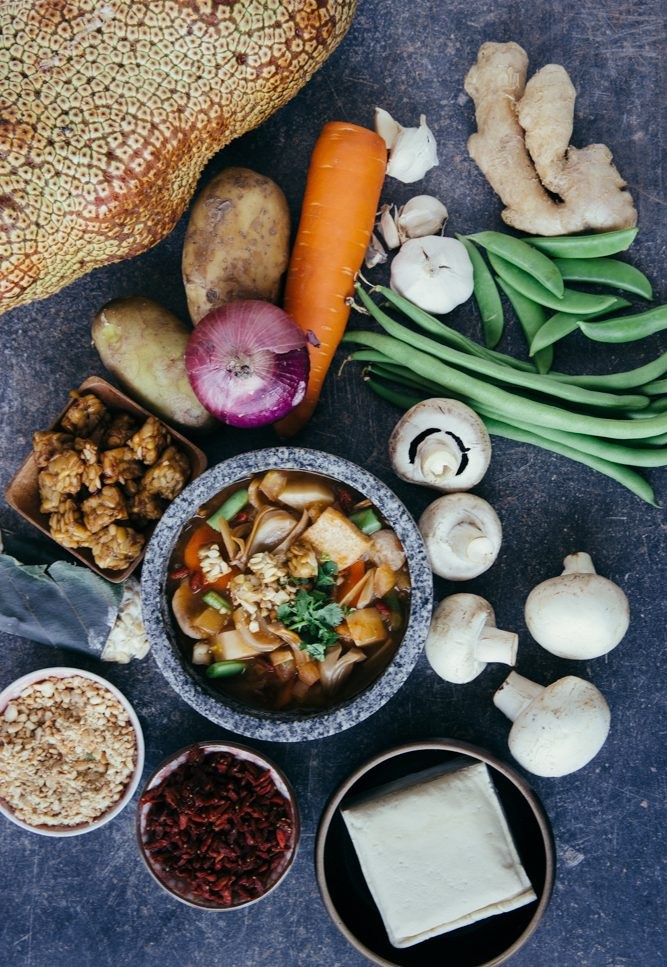
Souper Chef Special | Quorn Nangka Stew recipe
An iconic dish like the French Beef Bourguignon deserves an Asian + vegetarian rendition! I was amazed that the nangka/green jackfruit contains only 95 calories per half-cup,
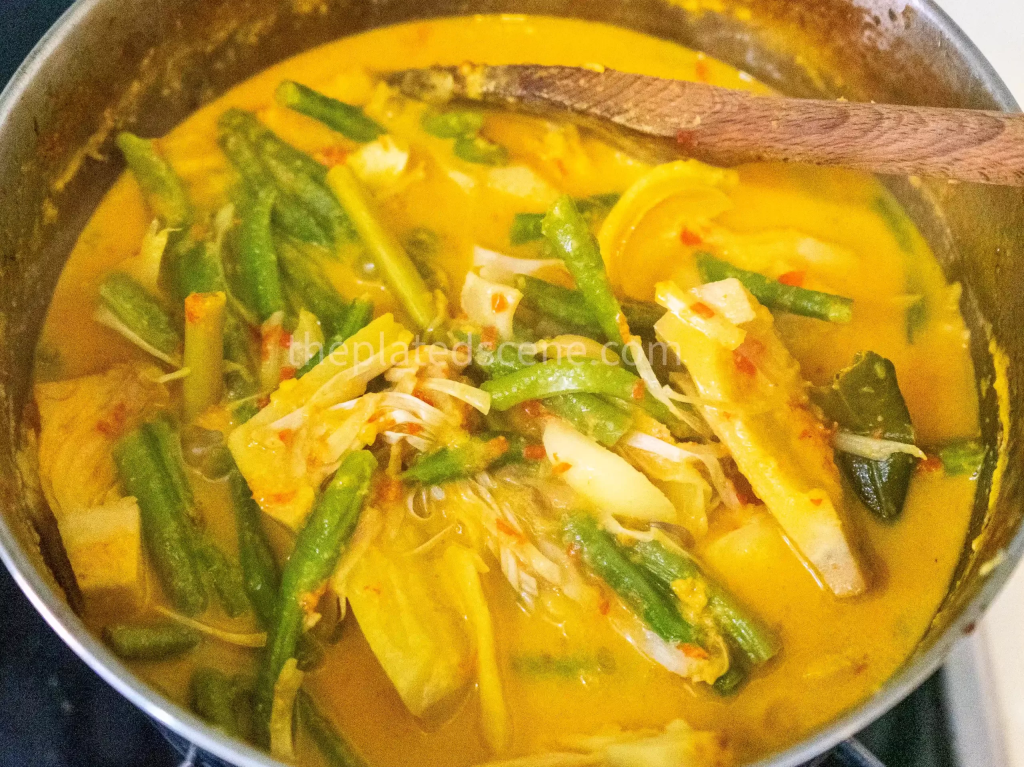
A Staple of Padang Cuisine
Gulai Nangka is a signature dish of Padang Cuisine, which hails from Padang, the capital city of West Sumatra. recipe
⚠️ Who Should Be Cautious with Nangka
1. People with Latex Allergy
- Nangka contains natural latex, especially in its unripe form.
- Those allergic to latex may experience cross-reactive symptoms like itching, swelling, or even anaphylaxis.
2. Individuals with Chronic Kidney Disease
- Nangka is rich in potassium, which is beneficial for most—but excessive potassium can be dangerous for those with impaired kidney function.
- It may lead to hyperkalemia (high potassium levels), causing heart rhythm issues.
3. Diabetics (in large quantities)
- WhileNangka has a low glycemic index and Ayurvedic antidiabetic properties, ripe jackfruit is sweet and can spike blood sugar if consumed in excess.
- Moderation and portion control are key.
4. People on Blood-Thinning Medications
- Nangka contains vitamin K and certain phytochemicals that may interfere with anticoagulants like warfarin.
- Always check with a physician before adding it to your diet regularly.
5. Pregnant or Breastfeeding Individuals (if unfamiliar)
- While traditionally used in pregnancy tonics like Panasa lehyam, some modern practitioners recommend caution due to its strong digestive effects and potential allergenicity.
- Best consumed under guidance if not part of one’s cultural diet.
🌟 From Rhythm to Nutriment: Nangka Is…
A fruit that sings across generations.
From ancestral ceremonies to modern kitchens, Nangka carries the rhythm of tradition and the nourishment of nature. Its golden flesh feeds both body and story—woven into rituals, crowned in feasts, and reinvented on global plates.
Whether simmered in coconut curry, strung in ceremonial rings, or blended into vegan mousse, Nangka is more than an ingredient. It’s a legacy of abundance, healing, and cultural pride.
🌀 Nangka is ritual reborn. Nutriment reimagined. A golden thread in the tapestry of wellness and heritage.
🛍️ Where to Buy Nangka in the U.S.
| Source Type | Availability & Highlights |
|---|---|
| Online Asian Grocers | SayWeee.com offers fresh, frozen, and canned nangka with nationwide free delivery. |
| Mainstream Retailers | Amazon stocks brands like Native Forest Organic Young Jackfruit—great for savory recipes. Whole Foods and Trader Joe’s often carry canned or vacuum-packed versions. |
| Specialty Fruit Retailers | ExoticFruitsUSA.com ships tropical fruit boxes nationwide, including nangka when in season. |
| Etsy Growers | You can even buy live nangka trees like the Golden Nugget Jackfruit for home cultivation—ideal for storytelling around ritual and sustainability. |
| Local Asian Markets | Stores like H Mart, 99 Ranch, and Patel Brothers often carry nangka in frozen or canned form. Call ahead for fresh availability. |
🌿 Ceremonial Spotlight: Nangka (Jackfruit)
Ritual Role:
In many Southeast Asian and South Indian traditions, Nangka is more than food—it’s a sacred offering. In Kerala’s Vishu festival, ripe jackfruit is placed on ceremonial platters as a symbol of abundance. In Java, young nangka is simmered into Gulai Nangka, a dish served during weddings and harvest rites to honor fertility and communal harmony.
Ayurvedic Wisdom:
Known as Panasa in Sanskrit, jackfruit is revered as a balya—a strengthening tonic. It pacifies vata and pitta doshas, kindles digestive fire (deepana), and nourishes tissues (dhatu vardhana). Ancient texts prescribe it for anemia, ulcers, and even joint pain.
 EJADA
EJADA 
Leave a comment