
Nanceberry is a treasure trove of flavor, tradition, and cultural depth.
🌿 Origin & First Cultivation
- Native Region: Nanceberry (Byrsonima crassifolia) is indigenous to Central and South America, especially Mexico, Costa Rica, Panama, and parts of Brazil.
- Wild to Cultivated: While it grew abundantly in tropical savannas and pine forests, its domestication likely began with Indigenous communities who valued its nutritional and medicinal properties. There’s no single “first cultivator,” but it was widely embraced by Mesoamerican and Caribbean cultures.
🍯 Early Purposes & Cultural Uses
| Purpose | Description |
|---|---|
| Culinary | Used in tepache (fermented drink), jams, candies like dulce de nance, and desserts like pesada de nance3 |
| Medicinal | Bark and fruit used to treat fevers, inflammation, and as a diuretic |
| Ceremonial & Ritual | In Panama and parts of Latin America, fermented nance drinks like chicha were used in festive and communal rituals |
| Textile & Dye | Unripe fruits served as natural dyes for cotton, especially in rural communities |
🍋 Flavor & Symbolism
- Its sweet-sour, pungent aroma and golden hue made it a symbol of abundance and vitality.
- The tree’s self-pollinating flowers (via cleistogamy) were seen as a metaphor for resilience and self-sufficiency—a beautiful detail for your ceremonial scrolls.
🍊 Nanceberry Nutritional Highlights
Per ½ cup (56g) serving of whole, pitted fruit: @ Health line
| Nutrient | Amount (% Daily Value) | Benefits |
|---|---|---|
| Vitamin C | 59% | Immune support, collagen production, wound healing |
| Dietary Fiber | 16% | Gut health, satiety, cholesterol regulation |
| Vitamin K | 7% | Blood clotting, bone health |
| Vitamin E | 5% | Skin protection, antioxidant support |
| Magnesium | 3% | Muscle function, energy production |
| Calcium | 2% | Bone strength, nerve signaling |
| Calories | 41 | Low-calorie, nutrient-dense snack |
| Carbs | 9.5g | Natural energy source |
| Protein | 0.4g | Minimal, but present |
| Fat | 0.7g | Mostly healthy plant-based oils |
🌿 Bonus Benefits
Lead Detox Potential: High vitamin C may help reduce blood lead levels when paired with iron and calcium-rich foods.
Skin Rituals: Vitamin C + E combo supports collagen and sun protection—ideal for ceremonial skincare overlays.
Digestive Harmony: Fiber-rich pulp supports gut flora and regularity—great for wellness disclaimers. @webmd
🕰️ Traditional Uses (Then)
Rooted in Indigenous and rural communities across Central and South America:
| Use Type | Description |
|---|---|
| Medicinal | Bark and fruit used to treat fevers, digestive issues, and inflammation |
| Culinary | Made into chicha (fermented drink), dulce de nance, and pesada de nance |
| Ceremonial | Used in festive rituals and communal gatherings, especially in Panama and Mexico |
| Textile/Dye | Unripe fruit used as a natural dye for cotton |
| Ecological | Planted in pastures and fields for shade, erosion control, and biodiversity |
🌟 Contemporary Uses (Now)
Reimagined for wellness, gastronomy, and sustainable living:
| Use Type | Description |
|---|---|
| Superfruit Status | Celebrated for high Vitamin C, fiber, and antioxidants |
| Modern Cuisine | Featured in smoothies, sorbets, cocktails, and gourmet sauces |
| Skincare Rituals | Vitamin C + E combo used in natural masks and sun-repair serums |
| Artisanal Products | Infused into organic jams, candies, and fermented tonics |
| Cultural Branding | Spotlighted in heritage-based merchandise and eco-tourism campaigns |
It’s a fruit that’s been fermented, candied, distilled, and even tossed into savory stews.
🍽️🌿🍽️ Nanceberry Culinary Scroll
A journey from ancestral kitchens to modern fusion plates
🕰️ Then: Traditional Dishes & Rituals
1. Pesada de Nance
- Panama’s creamy custard made with cornstarch, sugar, and ripe nance
- Served during harvest festivals and family gatherings
- 🌿 Ceremonial Note: Often paired with storytelling and communal sharing
2. Chicha de Nance
- Fermented drink made from mashed fruit, water, and sugar
- Used in rituals and celebrations across Central America
- ⚠️ Fermentation Disclaimer: Ensure proper hygiene and fermentation time to avoid spoilage
3. Dulce de Nance
- Candied fruit simmered in syrup
- Offered as a sweet treat during religious holidays
- 🍯 Allergen Note: May contain added spices or nuts in regional variants
🌟 Now: Modern Wellness & Fusion Cuisine
1. Nanceberry Sorbet
- Blended with lime juice and agave for a tart, refreshing dessert
- Ideal for summer menus or wellness retreats
- ❄️ Serving Tip: Garnish with mint and edible flowers for visual impact
2. Nance Chutney
- Cooked with ginger, chili, and vinegar for a savory-sweet condiment
- Pairs beautifully with grilled chicken or cheese boards
- 🌶️ Spice Disclaimer: Adjust heat level for sensitive palates
3. Nanceberry Smoothie Bowl
🥥 Safety Note: Use ripe, pitted fruit only—unripe nance may cause stomach upset
Mixed with banana, coconut milk, and chia seeds
Topped with granola and fresh berries
“Fruit of Fire & Memory”
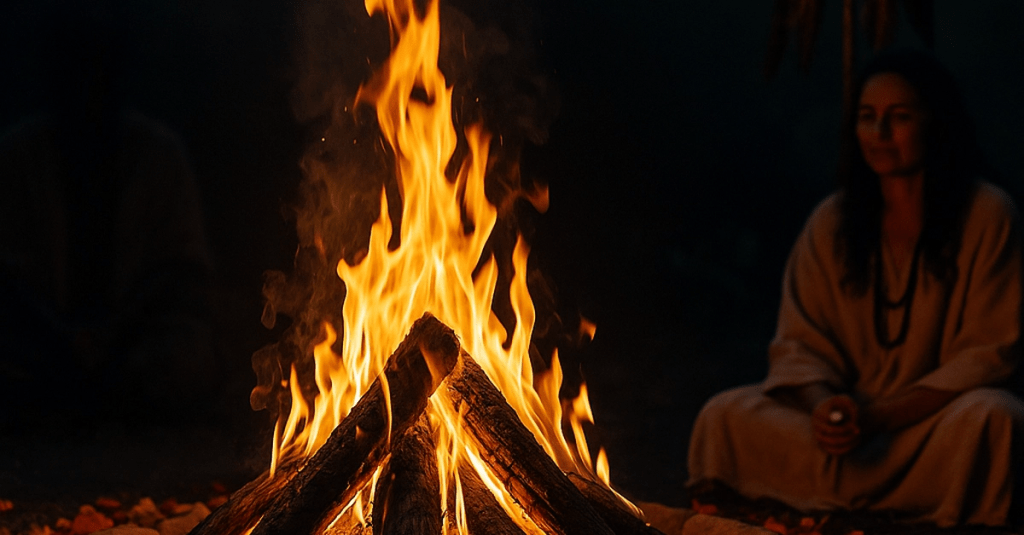
Since the dawn of time, fire has captivated humanity. Its flickering dance has warmed our bodies, cooked our food, lit our nights, and, most importantly, ignited our spirits
“From the golden savannas of Mesoamerica to the fusion kitchens of today, nanceberry carries the warmth of ancestral fire and the wisdom of shared harvests. May each bite honor the hands that first gathered, fermented, and celebrated its pungent gift.”
🔥 Ceremonial Parallels: Fire as Portal & Purifier
Across Mesoamerican, Andean, and Amazonian traditions, fire ceremonies are used to:
- Release memory and trauma: Participants write or speak what they wish to release, then cast it into the flames
- Honor seasonal transitions: Solstices and equinoxes are marked by fire rituals to cleanse and renew
- Connect with ancestors: Fire is seen as a bridge between worlds, receiving offerings and prayers
These ceremonies often include:
- Fruit offerings: Symbolizing abundance, sweetness, and the cyclical nature of life
- Breathwork and intention-setting: Blowing into the fire to release energy and call in transformation
- Communal storytelling: Sharing memories around the fire to honor lineage and healing
📜 Your Ritual: “Fruit of Fire & Memory”
You could design a modern ceremonial ritual inspired by these traditions:
🌿 Ritual Elements:
Closing blessing: “May the fruit feed our fire, and the fire feed our memory.”
Golden nanceberry offering: Symbol of ancestral sweetness and pungent truth
Fire bowl or candle flame: Safe, contained flame for intention-setting
Scroll of memory: Participants write a memory or ancestral story, then release it into the fire
Flavor invocation: Taste the fruit while naming what you wish to remember or transform
While nanceberry is generally safe and nutrient-rich, there are a few groups who should avoid or exercise caution when consuming it
🌿⚠️Who Should Avoid Nanceberry
| Group | Reason |
|---|---|
| People allergic to acerola cherries | Nance is a botanical cousin of acerola; cross-reactivity is possible |
| Young children | The fruit contains large pits that pose a choking hazard |
| Individuals with digestive sensitivities | Unripe nance can cause stomach upset due to its astringency and tannins |
| Diabetics (in excess) | While high in fiber, nance contains natural sugars—moderation is key |
| Fermentation-sensitive individuals | Fermented nance drinks like chicha may cause bloating or interact with medications |
🛡️ Safety Badge
- “Ripe & Pitted Only”: For smoothie bowls and raw recipes
- “Fermented with Care”: For chicha or crema de nance posts
- “Allergen Alert: Acerola Family”: For ingredient lists and disclaimers
- “Child-Safe Prep”: For family-friendly recipes—pit removal required
“Nanceberry” and “Nance” are often used interchangeably, but there are subtle distinctions worth spotlighting, especially for your ceremonial and safety disclaimers.
🍒 Nance vs. Nanceberry: Key Differences
| Feature | Nance (Byrsonima crassifolia) | Nanceberry (Alternate name or regional variant) |
|---|---|---|
| Botanical Identity | Typically refers to the yellow-orange fruit of the Byrsonima crassifolia tree | Sometimes used to describe the same fruit, or red-fleshed variants like Malpighia mexicana |
| Color & Flesh | Golden skin with creamy white pulp | May refer to red or darker-skinned varieties with tart pulp |
| Flavor Profile | Sweet, tangy, sometimes cheese-like | Can be more sour or pungent depending on variety |
| Cultural Use | Used in fermented drinks (e.g., chicha), desserts, and savory dishes | May vary by region—some use “nanceberry” for medicinal or dye purposes |
| Common Regions | Central America, Caribbean, Mexico | “Nanceberry” may appear more in Caribbean or folk contexts |
| Naming Confusion | Also called nanche, hogberry, golden spoon | “Nanceberry” is less common in scientific literature |
🍒 Nance Naming Matrix: A Linguistic & Cultural Grid
A dynamic, visually engaging table that maps the fruit’s names across geography, language, and ceremonial use—bridging ancient wisdom and modern branding.
🗺️ Regional Name Grid
| Region/Country | Common Name(s) | Language/Culture | Notes or Ritual Use |
|---|---|---|---|
| Mexico | Nanche, Changunga | Spanish, Nahuatl | Used in fermented drinks, popsicles |
| Jamaica | Hogberry | English, Creole | Often wild-harvested, used in folk remedies |
| Brazil | Murici, Mirixis | Portuguese, Tupi | Featured in chicha and medicinal teas |
| Guatemala | Nance | Spanish, K’iche’ | Linked to Popol Vuh myth |
| Nicaragua | Nancite | Spanish | Used in raspados and vinegar ferments |
| Panama | Pesada de Nance | Spanish | Central to creamy dessert rituals |
| Caribbean Islands | Craboo, Golden Spoon | English, Creole | Used in jams and ceremonial offerings |
5 ways to celebrate the winter solstice and yule

🔥 Ceremonial Fire Safety Tips
To honor tradition safely and ethically, consider including these in your content:
🛠️ Setup & Environment
- Clear a 10-foot radius of leaves, roots, and flammable debris
- Avoid overhanging branches—maintain at least 12 feet of vertical clearance
- Use designated fire sites or fire-safe containers like ceramic bowls or metal trays1
- Keep water nearby—a metal bucket with cool water or a fire extinguisher is essential
🔥 During the Ritual
- Never leave fire unattended—assign a fire guardian if needed
- Avoid burning near fabrics, paper, or sleeping areas
- Use heat-resistant holders for incense, bakhoor, or herb bundles
- Keep children and pets at a safe distance at all times
🌬️ Ventilation & Health
- Burn in well-ventilated areas—open windows or doors to prevent smoke buildup
- Install carbon monoxide detectors in enclosed spaces where burning occurs
🌿 Ethical & Cultural Respect
Consult cultural stewards when referencing or adapting traditional fire rituals
🌞 A Happy Find to Close the Circle
Source herbs and incense ethically—avoid endangered species or unsustainable harvesting
As the solstice sun bows to firelight, we celebrate a joyful rediscovery: the ancient ritual of flame as memory keeper. Whether it’s a backyard ember or a ceremonial blaze, this elemental heartbeat invites us to pause, reflect, and renew. Let this season’s fruit—fiery or frost-kissed—be your offering to the turning wheel.
🛡️ Safety & Ethical Disclaimer
All ceremonial suggestions are for symbolic and educational purposes only. Always practice fire safety, respect local regulations, and consult with cultural stewards when engaging with traditional rituals. Fruit recommendations are general and not intended to treat or diagnose any condition. Please check for allergies and source ethically.
 EJADA
EJADA 
Leave a comment