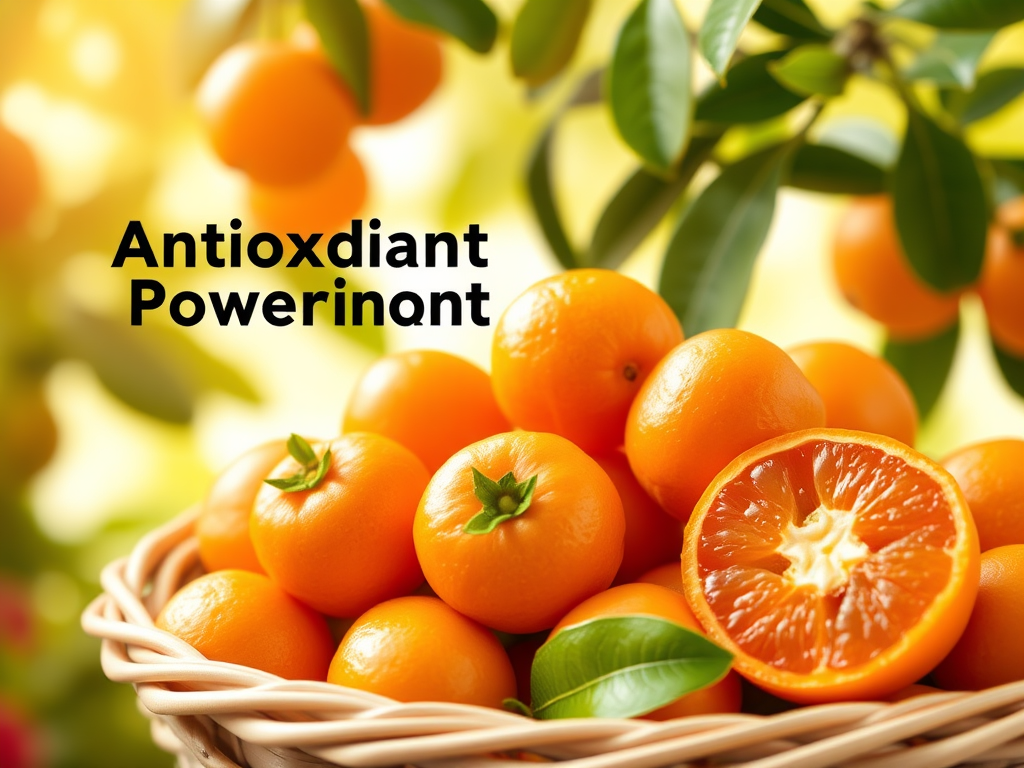
🍊 Nagami Kumquat: The Fruit That Forgot How to Be Subtle
If citrus had a daredevil cousin who roller-skates into your taste buds wearing a sour cape and a sweet grin—it’d be the Nagami Kumquat. This tiny oval fruit doesn’t wait for you to peel it. Nope. It shows up fully dressed, skin and all, and insists you eat it whole. It’s basically the edible version of “I woke up like this.”
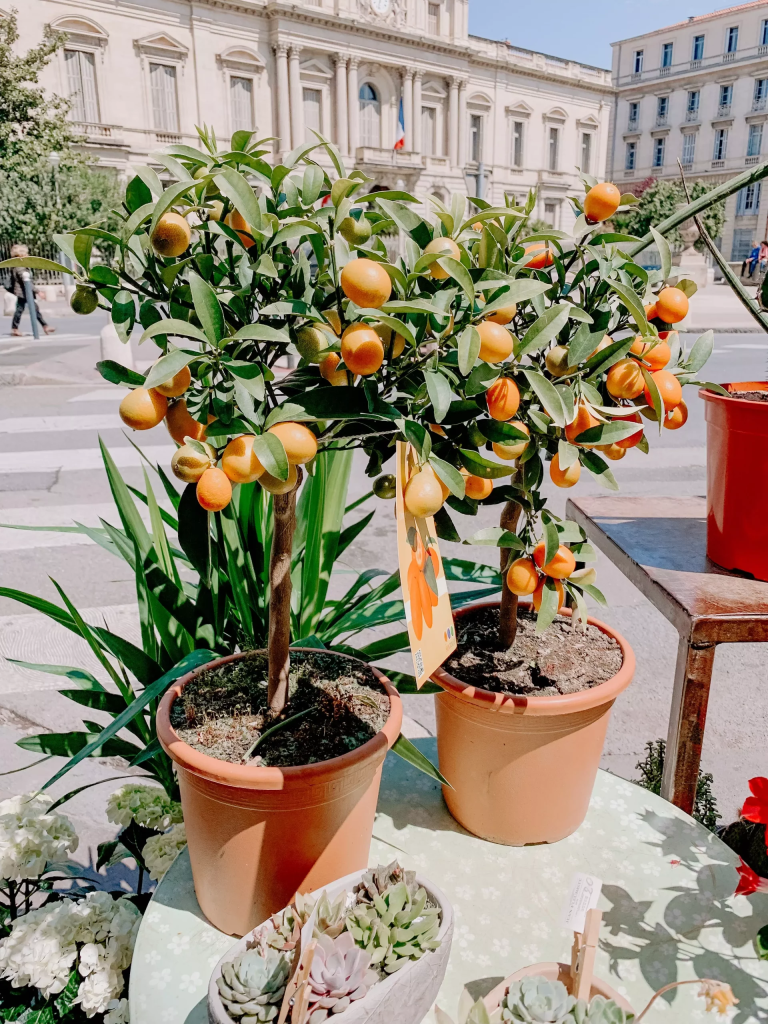
Nagami Kumquat for Sale – Buying & Growing Guide
🌱 Origin & Cultivation History
- Native to Asia, especially China and Japan, where it’s been cultivated for centuries as both a culinary delight and ornamental treasure.
- Introduced to the United States in the late 19th century, it quickly gained popularity in California and Florida, becoming the most widely grown kumquat variety in North America.
- Botanically known as Fortunella margarita, it belongs to the Rutaceae (citrus) family and thrives in USDA zones 8–11, making it ideal for warm climates.
- Fun fact: The name “kumquat” comes from the Cantonese kam kwat, meaning “golden orange”—a nod to its auspicious role in Lunar New Year celebrations.
🧠 Health & Nutrition Benefits of Nagami Kumquats
Nagami Kumquats may be small, but they’re nutritional powerhouses:
🧬 Antioxidant Powerhouse
- Rich in vitamin C, flavonoids, and phytonutrients that help neutralize free radicals.
- Supports cell regeneration, slows signs of aging, and may reduce risk of chronic diseases2.
🛡️ Immune System Support
- One serving delivers up to 73% of your daily vitamin C needs.
- Helps fight off infections, boosts white blood cell production, and supports respiratory health—especially useful in colder months.
❤️ Heart Health & Cholesterol Control
- Contains soluble fiber that helps lower LDL (bad) cholesterol while supporting HDL (good) cholesterol balance.
- Potassium content aids in regulating blood pressure and improving circulation.
🧠 Anti-Inflammatory & Cognitive Support
- Anti-inflammatory compounds may help reduce joint pain and protect against neurodegenerative conditions.
- Magnesium and B vitamins support brain function and mood stability.
🩺 Diabetes-Friendly & Gut Health
- Low in sugar and sodium, with 7g of fiber per 100g, making it ideal for blood sugar regulation.
- The edible peel acts as a prebiotic, feeding beneficial gut bacteria and improving digestion.
🦴 Bone Strength & Skin Vitality
- Vitamin C and calcium contribute to strong bones and collagen production, keeping skin firm and joints resilient.
- May help prevent age-related bone loss and reduce risk of osteoporosis.
The peel is edible and packed with antioxidants—so you get a sweet zing and a health boost in one bite.
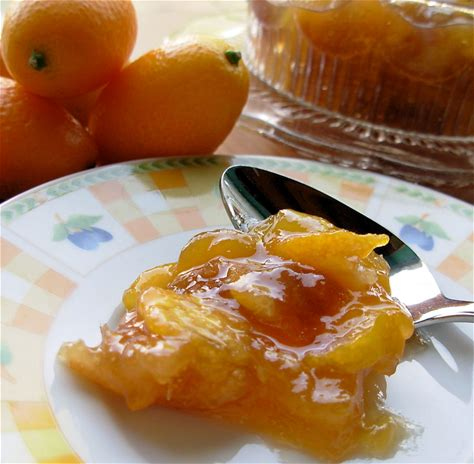
Kumquat Marmalade Recipe – Food.comKumquat Marmalade Recipe
| Amount Per 1 Serving | |||
| Calories | 210.67 Kcal (882 kJ) | ||
| Calories from fat | 6.8 Kcal | ||
Kumquat marmalade may be a sweet spread, but it still brings some nutritional flair to the table 🍊
🍯 Kumquat Marmalade (per 100g)
| Nutrient | Amount | Benefits & Notes |
|---|---|---|
| Calories | ~75 kcal | Low-to-moderate energy, depending on sugar content |
| Total Carbs | ~18.9g | Mostly from natural and added sugars |
| Sugars | ~16.6g | Includes fruit sugars and added cane sugar |
| Dietary Fiber | ~2g | Aids digestion, especially if peel is included |
| Protein | ~0.6g | Minimal, but present |
| Vitamin C | ~13mg (60% DV) | Immune support, antioxidant boost |
| Calcium | ~23mg (6% DV) | Bone health |
| Iron | ~0.3mg (4% DV) | Supports oxygen transport |
| Potassium | ~53mg | Helps regulate blood pressure |
| Fat & Sodium | Negligible | Virtually fat-free and low in sodium |
⚠️ Notes for Healthy Living Content
Sugar Alert:
Marmalade is high in added sugar—great for flavor, but best enjoyed in moderation.
Peel Power:
Including kumquat peel boosts fiber and antioxidant content.
Allergen-Free:
Typically free from major allergens unless cross-contami
🏮 Cultural Uses & Ceremonial Significance
Lunar New Year in China
- Symbol of prosperity and good fortune: Their golden hue and round shape represent wealth and unity.
- Often gifted in ornate baskets or displayed in homes to attract luck and abundance.
- Used in sweet preserves and candied treats during celebrations, balancing tartness with joy.
Japanese Cuisine & Aesthetics
- Known as kinkan, they’re used in traditional sweets (wagashi) and zesty sushi garnishes.
- Featured in seasonal tea ceremonies for their bright aroma and cleansing properties.
- Sometimes simmered in syrup and served as a New Year’s delicacy, symbolizing renewal.
Florida Kumquat Festival
- A full-blown citrus celebration in Dade City, Florida, honoring kumquats with parades, marmalade tastings, and kumquat-themed crafts.
- Reflects the fruit’s journey from Asian orchards to American gardens, blending tradition with local pride.
🌍 Global Rituals & Remedies
- In folk medicine, kumquats are used to soothe sore throats and boost immunity, often steeped in honey or tea.
- Their essential oils are prized in aromatherapy for clarity and emotional balance.
- In Mediterranean cultures, they’re infused into digestifs and liqueurs, served during festive meals.
🍊✨ Ceremony of Kumquats: A Ritual of Prosperity & Generational Blessing
🌿 Setting the Scene
- Altar centerpiece: A carefully pruned Nagami Kumquat tree, 2–3 feet tall, bursting with ripe golden fruits, symbolizing wealth and fertility.
- Layered offerings: Arrange candied kumquats, honey-steeped slices, and kumquat marmalade in ceremonial bowls. Add incense, red envelopes, and ancestral scrolls.
- Generational symbolism:
- Fruits = Grandparents
- Flowers = Parents
- Buds = Children
- Light green leaves = Grandchildren This tree becomes a living family lineage.
🕯️ Ritual Flow
- Invocation of Ancestors Light incense and read a ceremonial scroll inviting ancestral spirits to partake in the feast. Whisper wishes for protection, wisdom, and abundance.
- Blessing of the Tree Circle the tree clockwise three times while holding a kumquat. Speak aloud a personal intention for the year ahead—health, creativity, unity.
- Fruit Offering & Sharing Each participant selects a fruit from the tree and places it on the altar. After the ceremony, the fruits are shared in a communal tasting, symbolizing the spreading of luck and sweetness.
- Generational Caress Guests gently touch the light green leaves, complimenting the host’s discernment in choosing a tree with vibrant lineage. This act honors continuity and care.
- Closing with Marmalade Toast End with a spoonful of kumquat marmalade on ceremonial bread or rice cake. Raise a toast to the ancestors and the year ahead.

Kumquat Rosemary Tart:Recipe
The kumquat and rosemary in this tart is an amazing combination. The citrus taste of the kumquats combined with the floral of the rosemary hits all the right notes.
⚠️ Kumquat Consumption: Who Should Be Careful
🧪 Allergy-Prone Individuals
- People with citrus allergies or Oral Allergy Syndrome (OAS) may react to kumquats.
- Symptoms can include itching, swelling, or digestive discomfort.
- Best to consult an allergist before introducing kumquats if there’s a history of citrus sensitivity.
🩺 Acid Reflux & GERD
- Kumquats are highly acidic, which can aggravate heartburn or reflux symptoms.
- Those with sensitive stomachs or diagnosed GERD should limit intake or opt for cooked preparations.
🧓 Low-Fiber Diets or Digestive Conditions
- Kumquats are rich in fiber, especially in the peel.
- Individuals on low-fiber diets or with conditions like IBS may experience bloating or cramping if consumed in excess.
💊 Medication Interactions
- Citrus fruits can interact with certain medications (e.g., statins or blood pressure drugs).
- While kumquats are less studied than grapefruit, it’s wise to check with a healthcare provider if you’re on medication.
🍊✨ Kumquat Disclaimer: Enjoy with Awareness
Kumquats are a radiant source of flavor, tradition, and wellness—but not everyone should consume them freely. Please read before indulging:
⚠️ Allergy Alert
Kumquats belong to the citrus family. Individuals with citrus allergies or Oral Allergy Syndrome (OAS) may experience itching, swelling, or digestive discomfort. If unsure, consult a healthcare provider before consumption.
🔥 Acid Sensitivity
Due to their high acidity, kumquats may aggravate symptoms of acid reflux, GERD, or sensitive stomachs. Cooked preparations may be gentler for those affected.
🩺 Medication Interactions
Citrus compounds can interfere with certain medications (e.g., statins, anticoagulants, calcium channel blockers). Always check with your physician if you’re on prescription drugs.
🍬 Sugar & Fiber Considerations
While naturally sweet, kumquats contain sugars and a high amount of fiber. Those with diabetes, IBS, or low-fiber diets should consume in moderation to avoid spikes or digestive discomfort.
👶 Children & Pregnancy
Kumquats are nutrient-rich but should be introduced gradually to children and consumed mindfully during pregnancy. Always wash thoroughly and remove seeds for safety.
This content is for informational purposes only and not a substitute for professional medical advice. Enjoy responsibly, honor tradition, and celebrate with care.
 EJADA
EJADA 
Leave a comment