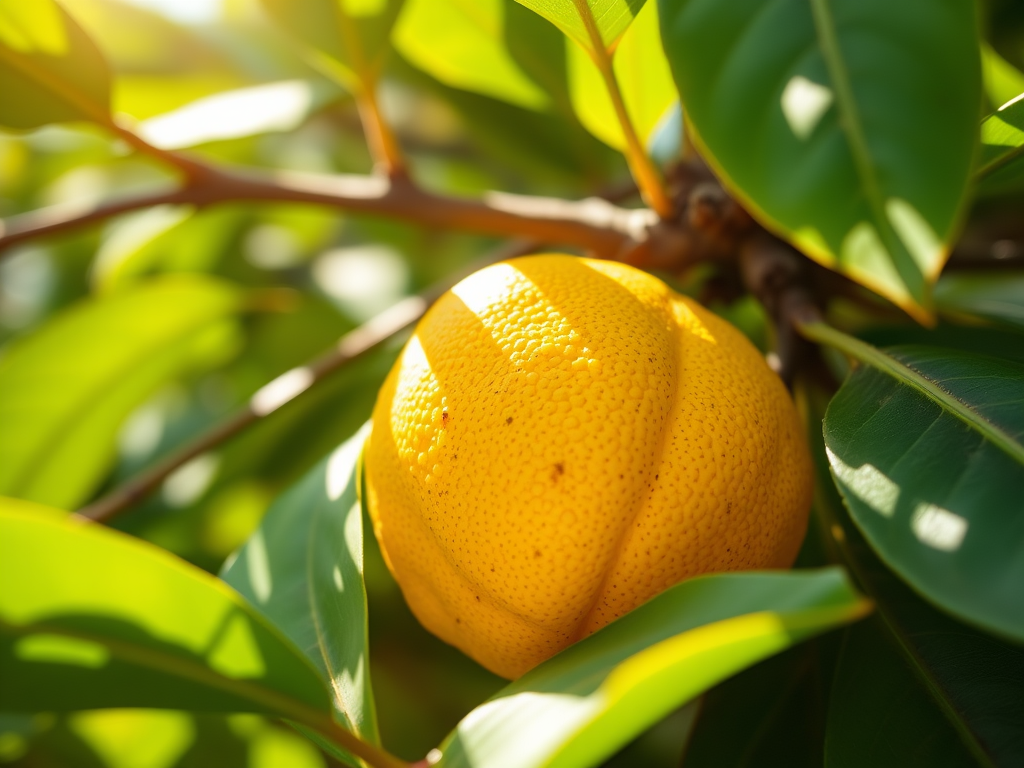
🌞 Meet Nance: Central America’s Golden Rebel of the Fruit World
Tiny, tangy, and totally unforgettable—Nance (Byrsonima crassifolia) is the tropical treasure you didn’t know you needed. Native to the sun-drenched forests of Central and South America, this golden-yellow fruit packs a punch of flavor that’s part tropical dream, part cheesy surprise.
🍒 Looks Like a Cherry, Tastes Like…Whoa
Don’t let its cherry-like size fool you. Nance’s flavor is a wild ride—some say it’s tropical with hints of banana and lychee, others swear it’s got a funky Parmesan twist. It’s an acquired taste, but once you’re in, you’re hooked.
🍊 Vitamin-Rich Brilliance: Nance’s Golden Nutrient Halo
Don’t let its cherry-sized silhouette fool you—Nance is a nutritional powerhouse. Packed with:
🌟 Vitamin C – The Immunity Guardian
- Amount: ~20–59% DV per ½ cup (depending on ripeness and source)
- Role: Boosts immune function, supports collagen production, aids iron absorption
- Ceremonial Echo: In ancient healing rites, Nance was brewed into fever-reducing infusions—thanks to this potent antioxidant
✨ Vitamin E – The Cellular Shield
- Amount: ~5% DV per ½ cup
- Role: Protects cells from oxidative stress, supports skin repair and eye health
- Cultural Note: Nance’s oily pulp was used in traditional skin treatments—echoing its vitamin E content
🩸 Vitamin K – The Bone & Blood Balancer
- Amount: ~7% DV per ½ cup
- Role: Essential for blood clotting and bone metabolism
- Ritual Tie-In: Often consumed during postpartum recovery in folk medicine, where clotting and bone strength were sacred priorities
🌱 Folate (Vitamin B9) – The Growth Catalyst
- Amount: ~3μg per 100g
- Role: Supports DNA synthesis, fetal development, and cellular repair
- Ceremonial Use: Linked to fertility rites and pregnancy support in pre-Hispanic traditions
🔥 Riboflavin & Thiamine (B2 & B1) – The Energy Alchemists
- Role: Convert food into energy, support nervous system and skin health
- Flavor Connection: These B vitamins contribute to Nance’s complex aroma—part cheesy, part floral, part rebellious
- Traditional uses: From fever-reducing bark infusions to natural dyes for cotton
Its golden skin and creamy pulp deliver low-calorie, low-fat nourishment with a flavor that dances between sweet, sour, and savory. Whether raw, fermented, or cooked, Nance offers functional nutrition with folkloric flair.
🔮 Ritual-Ready: From Myth to Medicine
Nance’s ritual legacy spans centuries and civilizations:
- Mayan Mythology: Featured in the Popol Vuh, where the demon Vucub-Caquix devours Nance fruits before being defeated by twin gods Hunahpu and Xbalanque—symbolizing the triumph of light over darkness
- Medicinal Bark & Leaves: Used in traditional remedies for fevers, skin conditions, and digestive ailments
- Ceremonial Offerings: In Yucatec Maya culture, Nance (chi’) was offered during seasonal transitions and fertility rites, often fermented into liqueurs or cooked into dulces for ancestral feasts
Its strong aroma and bold taste were believed to awaken spirits and cleanse the body, making it a staple in both sacred and everyday rituals.
🌳 From Forest to Feast: Nance’s Sacred Journey
🌲 Forest: Born of Wild Soil and Ancestral Shade
Nance trees thrive in tropical deciduous forests and Amazonian savannas, where rocky soils and seasonal droughts shape their resilience. Known as chi’ in Yucatec Maya, these trees yield 2,000–4,000 fruits per season, feeding birds, bees, and humans alike. Their bark, rich in astringent compounds, has long been used in traditional medicine to treat fevers, skin conditions, and digestive ailments.
In pre-Hispanic cosmology, Nance was not cultivated—it was discovered, gathered, and revered. Its pungent scent signaled seasonal transitions, and its golden hue mirrored the sun’s descent into summer. The forest didn’t just grow Nance—it initiated it, as a gift from the gods.
🍽️ Feast: Bold Flavor, Ceremonial Fire

From forest floor to kitchen hearth, Nance transforms into culinary ritual. In Carrillo, Mexico, locals craft dulce de nance—a sticky, golden candy cooked with sugar and water, sold in humble bags for under 50 cents. Others ferment it into liqueurs with tequila or rum, aged for 15 days until it tastes like tropical brandy. In Panama, it becomes pesada de nance, a creamy dessert served hot or chilled, often topped with salty cheese.
Its flavor defies easy categorization: cheesy, floral, briny, sweet, sometimes all at once. This complexity makes Nance a rebellious ingredient, perfect for compotes, popsicles, stews, and even glazes for meat. It’s not just food—it’s feast with memory, echoing ancient rites and modern reinvention.
In Central America, Nance isn’t just eaten—it’s celebrated. Locals whip it into:
- Chicha: A fermented, beer-like drink
- Crema de Nance: A rum-style spirit
- Savory stews, ice creams, and jams that tame its boldness and unlock its magic@ Healthline
🍮 Crema de Nance: Golden Cream of the Tropics
🌟 What It Is
Crema de Nance—also known as Pesada de Nance or Mazamorra de Nanche—is a creamy, custard-like dessert made from the pungent, golden Nance fruit. Popular in Panama, Nicaragua, and parts of Mexico, it’s often served warm with queso fresco or chilled as a summer treat. Think of it as a tropical pudding with ancestral flair, where bold flavor meets ceremonial comfort.
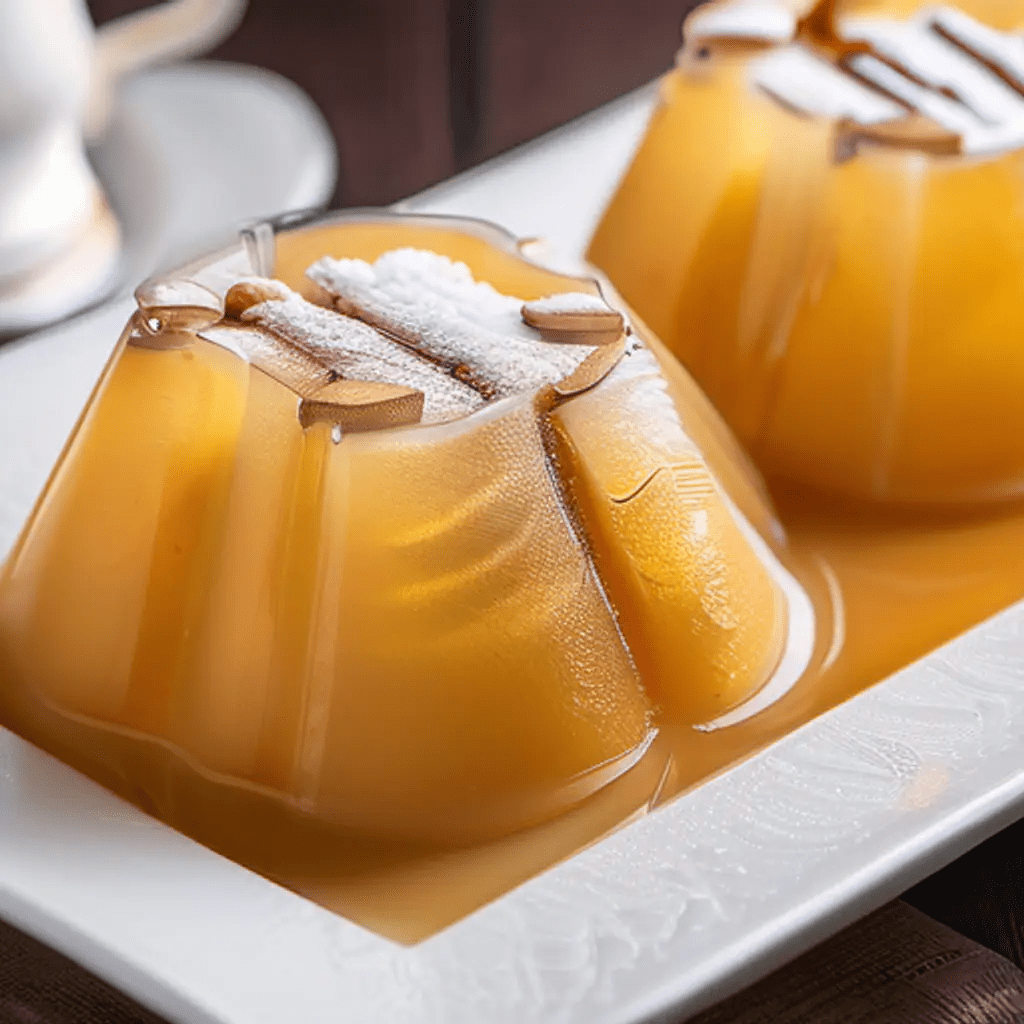
Nance Nirvana: A Delightfully Creamy Mazamorra Or Pesada De Nance is a delicious and creamy dessert made with ripe nance fruits, sugar, cinnamon, milk, and cornstarch. This refreshing treat is easy to make and perfect for enjoying on a hot day.
🔥 Ritual Preparation
- Boil the Nance: Simmer fruit in water to soften and release aroma.
- Strain & Mash: Remove pits, mash pulp, and strain for a smooth base.
- Infuse & Thicken: Add sugar, cinnamon, and cornstarch slurry. Stir until thick and glossy.
- Cream It: Fold in evaporated milk for richness.
- Crown It: Top with crumbled queso fresco—non-negotiable for authenticity.
🕯️ Cultural Notes
- In Panama, it’s served during harvest festivals and family rites, often paired with tamales or roasted meats.
- The pungent aroma is said to awaken ancestral spirits, making it a staple in seasonal offerings.
- Its creamy texture and bold flavor symbolize abundance and transformation—from wild fruit to sacred comfort.
🌿 Why You Will Love It
Nance is a fruit with ritual, resilience, and rebellion. It thrives in drought, defies flavor norms, and invites you to rethink what “delicious” means. If you love bold flavors, ancient wisdom, and fruits with personality, Nance is your golden ticket. It’s the kind of fruit that deserves a badge, a scroll, and a place in your ceremonial pantry.
🔥 Ritual, Resilience & Rebellion: The Triple Flame of Nance
🕯️ Ritual: Fruit of the Gods, Healer of Women
In ancient Mesoamerican cosmology, Nance was more than food—it was sacred medicine. Known as nantzin xocotl, it was offered to Tonantzin, the Mother Goddess of fertility and protection. Women consumed it during childbirth rites to ease labor and prevent miscarriage. Its bark was brewed into fever-reducing infusions, and its pungent aroma was believed to awaken ancestral spirits during seasonal ceremonies. Nance appeared in sacred texts like the Popol Vuh, nestled among other divine fruits—guava, zapote, capulín—as part of ritual feasts and healing scrolls.
🌱 Resilience: Drought Warrior of the Tropics
Nance trees are built for survival. Native to dry savannas and pine forests from Mexico to Brazil, they thrive in rocky, nutrient-poor soils and withstand long periods of drought. Their deep roots and fast growth make them ideal for regenerative agriculture and low-maintenance orchards. Even in harsh climates, they yield thousands of fruits per season—each one a golden testament to ecological endurance.
⚡ Rebellion: Flavor That Defies Convention
Let’s be honest—Nance doesn’t play by the rules. Its flavor is bold, briny, and unapologetically funky—a tropical fruit with a mature cheese twist1. Some call it “a green olive on steroids,” others find hints of banana, lychee, or peach. It’s divisive, yes—but that’s its power. Nance refuses to be domesticated, challenging our taste expectations and inviting us to embrace complexity. It’s the fruit equivalent of punk rock in a cherry-sized package.
Ceremonial Offerings that echo the spirit of ancestral gratitude and nutrient-rich storytelling. 🌿✨
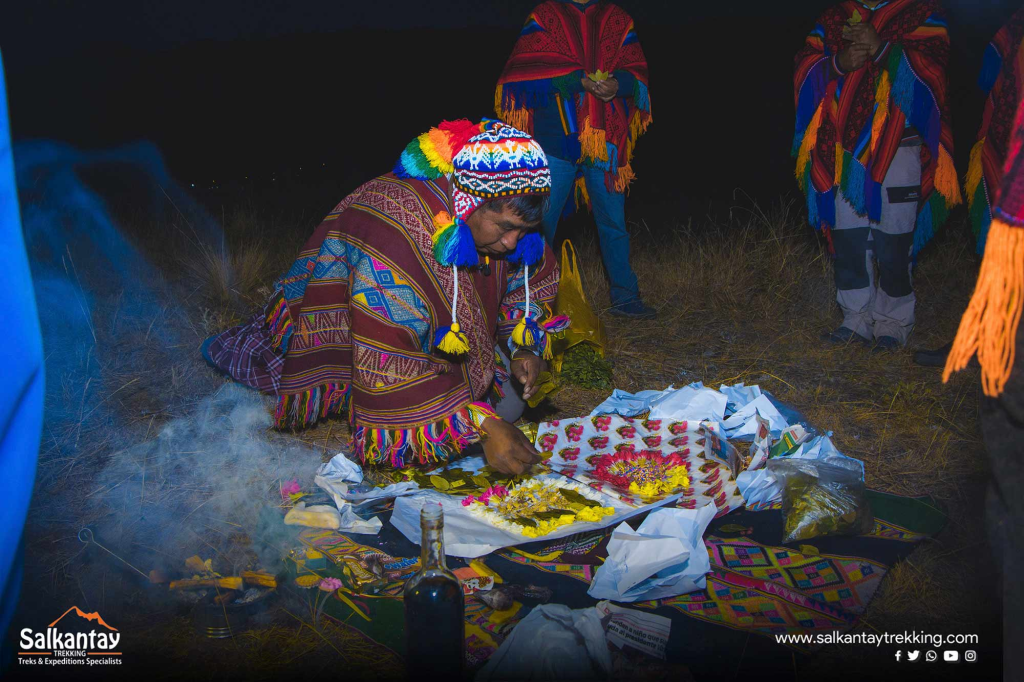
🖼 Ceremonial Offerings:
These visual symbols honor the sacred exchange between nature and nourishment. From Pachamama rituals in Peruto Balinese Canang Sari offerings2, they reflect the cultural reverence that parallels Nance’s own ceremonial legacy.
🔔 Final Call to Action:
“Taste the tradition. Share the wisdom. Archive the ritual.” Invite your audience to:
- Download the recipe card
- Explore the flavor matrix
- Leave a story or ancestral memory in the comments
⚠️ Precautions & Disclaimer:
✅ Safety First:
- Nance may cause allergic reactions in sensitive individuals—especially those with latex or tropical fruit allergies.
- Always consult a healthcare provider before consuming unfamiliar fruits, especially during pregnancy or if immunocompromised.
🧾 Ethical Transparency:
- All ceremonial references are respectfully drawn from publicly available cultural sources and are not intended to appropriate or commercialize sacred practices.
- This post is for educational and storytelling purposes only.
 EJADA
EJADA 
Leave a comment