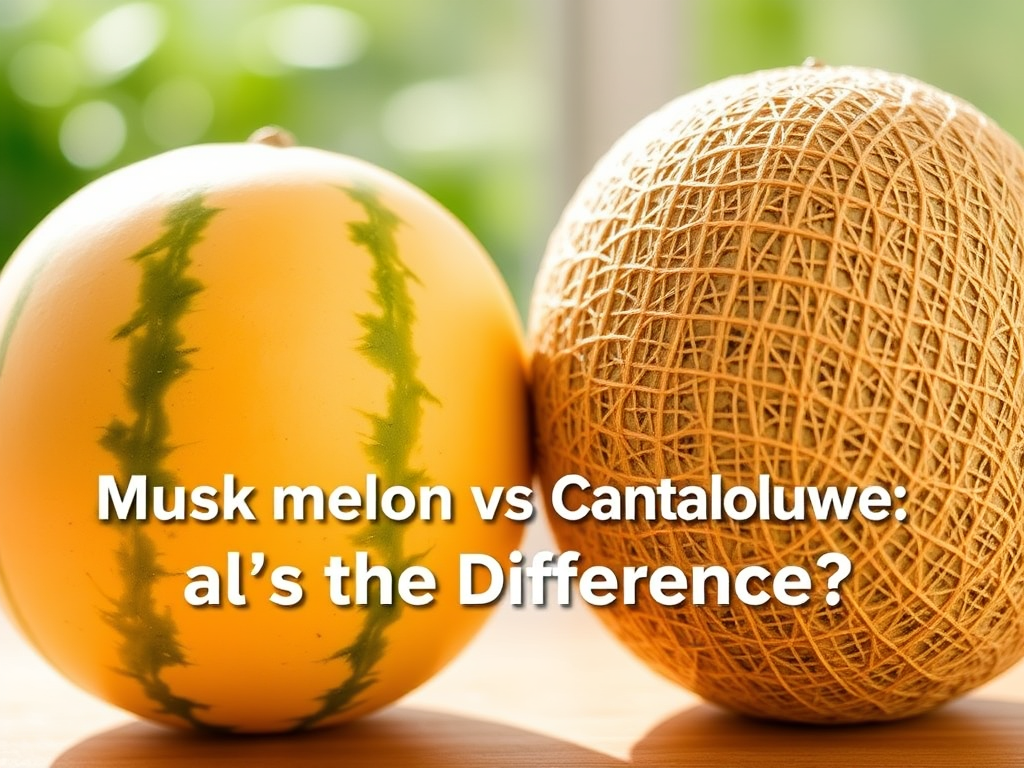
Muskmelon? Cantaloupe? Who are you?
Muskmelon is actually the broader category, and cantaloupe is just one of its many varieties. But the naming gets tangled depending on geography and marketing.@ Healthline
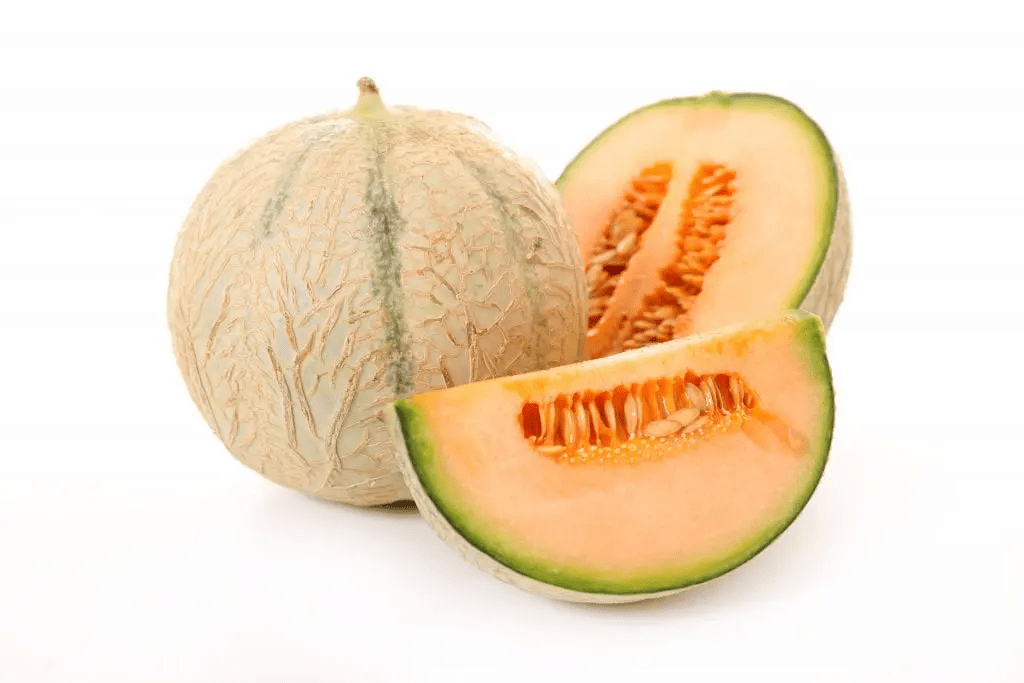
🍈 Muskmelon vs. Cantaloupe Breakdown
| Feature | Muskmelon (Cucumis melo) | Cantaloupe (North American & European) |
|---|---|---|
| Category | Umbrella term for many melons | Subtypes of muskmelon |
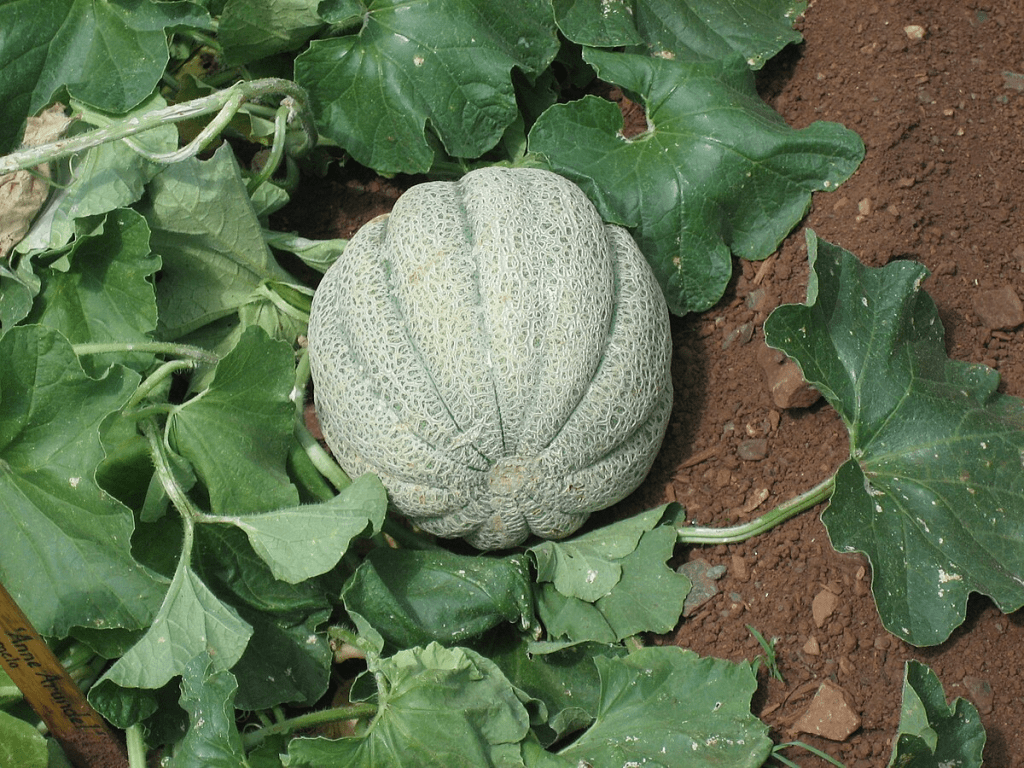
| Skin Texture | Varies—can be smooth, ribbed, or netted | North American: netted skin<br>European: ribbed, light green skin |
| Flavor | Musky, sweet, aromatic | Subtle and sweet (European)<br>Bold and juicy (North American) |
| Fragrance Origin | “Musk” from Persian word for perfume | Shares musky scent, especially when ripe |
| Common Confusion | Often mislabeled or sold interchangeably | Especially in U.S. markets |
| Cultivation | Native to Persia (modern-day Iran) | European variety not widely grown in U.S. |
So when someone bites into a “cantaloupe” in the U.S., they’re likely eating Cucumis melo reticulatus, a netted muskmelon. The true European cantaloupe (Cucumis melo cantalupensis) looks and tastes quite different—and is harder to find commercially.
Muskmelon is a juicy, nutrient-rich fruit that’s part of the Cucumis melo species—making it a cousin to cantaloupe, honeydew, and even Santa Claus melon. It’s known for its sweet aroma, vibrant orange or green flesh, and refreshing flavor, especially in summer.
🐪 Melons on the Move: A Trade Route Tale
The origin of melons (Cucumis melo) remains elusive, but what we do know is this: Melons traveled. Seeds and rootstocks were traded across ancient caravan routes that stretched from Africa to Central Asia, Persia, India, and the Levant. These weren’t just agricultural goods—they were carriers of flavor, fragrance, and ritual.
🐪 Trade Routes That Carried Melons
- Silk Road: Central Asia → China → Middle East
- Incense Route: Arabian Peninsula → Levant → Egypt
- Indian Ocean Trade: East Africa ↔ India ↔ Southeast Asia
- Roman Trade Networks: Egypt ↔ Greece ↔ Italy
- Trans-Saharan Routes: East Africa → North Africa → Mediterranean
🌍 Competing Theories of Origin
East Africa: Ethiopia, Somalia, Tanzania Wild melons still grow here—possible ancestral source
Egypt & Levant: Early domestication, Biblical references, ceremonial use
Persia (Iran): “Musk” derives from Persian—center of aromatic melon breeding
Central Asia: Uzbekistan, Afghanistan, Turkmenistan Home to heirloom varieties like Chandalak and Hami
India: Cultivation and ritual use in Ayurvedic traditions
China: Refined cultivars like Hami and Makuwa melon
Mediterranean & Europe: Greek and Roman consumption, later spread to Italy and France
🧬 Genetic Clues in Muskmelon Evolution
Modern genomic studies show that melon varieties intercross frequently, and their traits—like rind texture, sweetness, and disease resistance—often align with regional cultivation practices.
🌱 1. Chromosomal Identity
- Muskmelon (Cucumis melo) has 2n = 24 chromosomes, placing it firmly within the Cucurbitaceae family.
- This chromosomal count is shared with other melons and cucumbers, hinting at a common ancestral lineage.
🧪 2. High Heritability Traits
- Studies show high heritability (>50%) for traits like:
- Fruit weight
- Seed count per fruit
- Herb length
- Total seed output per unit area
- This suggests that selective breeding has been highly effective across generations, especially in regions like Iraq, India, and Central Asia.
🧬 3. MicroRNA (miRNA) Signatures
- Recent research identified 40 new muskmelon-specific miRNAs, expanding the known catalog beyond the 120 previously documented.
- These miRNAs regulate:
- Growth and development
- Stress resistance (salt, cold, oxidative)
- Metabolism and aging
- One standout, miR4249, targets transcription factors linked to cell signaling and resilience—key to adapting across climates and trade routes.
🌍 4. Centers of Genetic Diversity
- India, Iran, China, and Spain are considered secondary centers of muskmelon genetic variation.
- This diversity reflects centuries of cultivation, trade, and environmental adaptation—each region contributing unique flavor profiles, textures, and resistance traits.
🧬 5. Genotypic vs. Phenotypic Correlations
- Genotypic correlations (inherited traits) are stronger and more reliable than phenotypic ones (observable traits), meaning:
- Breeders can predict outcomes more accurately
- Environmental noise is less likely to distort genetic potential
:
🍈 Muskmelon: Vitamins, Health Benefits & Precautions
🌟 Vitamin & Nutrient Profile (per 100g)
| Nutrient | Amount | Benefits |
|---|---|---|
| Vitamin A | 3380 IU | Eye health, skin regeneration |
| Vitamin C | 36.7 mg | Immunity boost, antioxidant defense |
| Vitamin B6 | 0.072 mg | Brain function, mood regulation |
| Niacin (B3) | 0.734 mg | Energy metabolism |
| Potassium | 267 mg | Blood pressure regulation |
| Magnesium | 12 mg | Muscle and nerve function |
| Fiber | 0.9 g | Digestive health |
| Water | ~90% | Hydration and detoxification |
💪 Top Health Benefits
🧠 Brain & Mood Support: B-complex vitamins help with neurotransmitter balance and mental clarity.
👁️ Vision Protection: Rich in beta-carotene, lutein, and zeaxanthin—reduces cataract risk by up to 40%.
🫀 Heart Health: Potassium and magnesium regulate blood pressure and support heart rhythm.
🛡️ Immunity Boost: Vitamin C and phytochemicals strengthen gut and immune defenses.
🌿 Digestive Ease: High water and fiber content soothe the stomach and prevent constipation.
🔥 Anti-inflammatory: Antioxidants help reduce systemic inflammation and oxidative stress.
⚠️ Precautions & Safety Notes
Allergy Alert: Rare but possible—especially for those with cucumber or melon sensitivities.
Overconsumption Risks:
May cause bloating or diarrhea due to high water and fiber.
Excess potassium can affect kidney function in sensitive individuals.
Timing Matters: Avoid eating muskmelon late at night—it may disrupt digestion or cause cold sensitivity.
Seed Safety: Seeds are nutritious but should be consumed in moderation; avoid for children or those with swallowing difficulties.
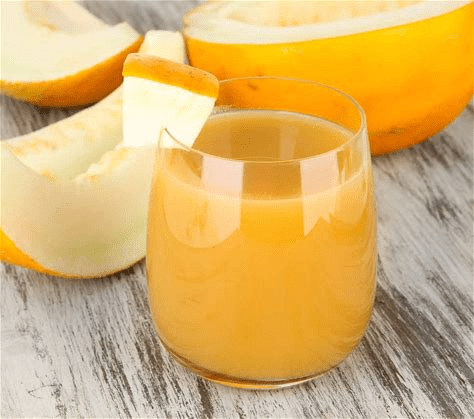
Muskmelon Juice Recipe
This juice contains natural sugars and may not be suitable for individuals with diabetes or fructose sensitivity. Always consume fresh. Avoid if allergic to melons or cucurbits.
🔍 Nutritional Snapshot (Per Serving)
| Nutrient | Approx. Value |
|---|---|
| Calories | ~120 kcal |
| Carbohydrates | ~14 g |
| Sugars | ~12 g (natural) |
| Fiber | ~1 g |
| Vitamin C | High |
| Fat | Negligible |
| Hydration | Excellent |
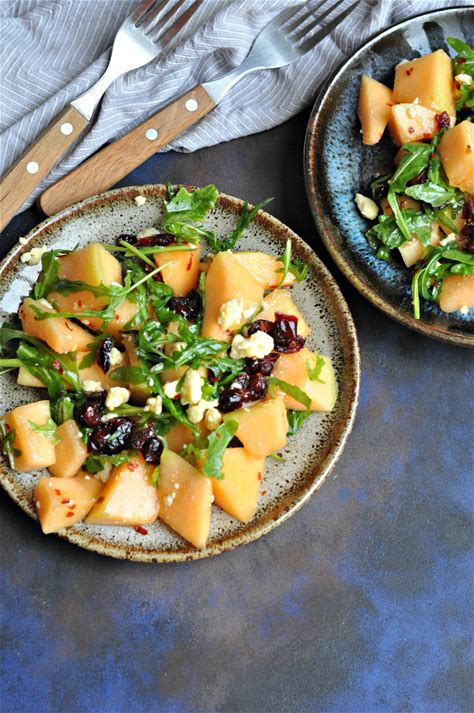
Fresh Muskmelon Salad with Feta & Mint Full Recipe
⚠️ Safety & Allergen Disclaimer
This salad contains dairy (feta cheese) and melon (cucurbit family)—both of which may trigger allergic reactions in sensitive individuals.
🥗 Muskmelon Salad with Feta & Mint (Estimated)
Based on standard salad composition
| Nutrient | Per Serving (1 cup) |
|---|---|
| Calories | ~120 kcal |
| Protein | ~4 g (from feta) |
| Fat | ~7 g (mostly from feta) |
| Carbohydrates | ~10 g |
| Fiber | ~2 g |
| Vitamin A & C | High |
| Sodium | Moderate (feta) |
Benefits: Hydrating, antioxidant-rich, gut-friendly Precaution: Watch sodium if pairing with other salty dishes
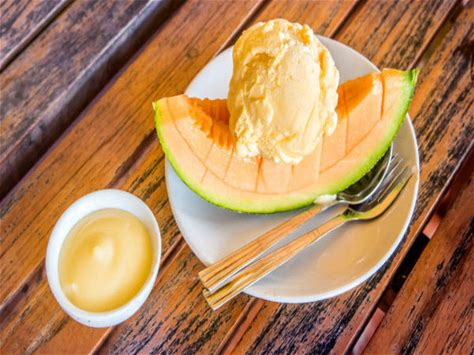
Muskmelon Ice Cream Recipe
This dessert contains dairy (vanilla yogurt) and gelatin, which may not be suitable for all dietary preferences or health conditions.
🍨 Muskmelon Ice Cream
From Times Food
| Nutrient | Per Serving |
|---|---|
| Calories | ~150 kcal |
| Carbohydrates | ~20 g |
| Sugars | ~15 g (includes sugar-free pellets) |
| Protein | ~3 g (from yogurt) |
| Fat | ~5 g |
| Calcium | Moderate (from yogurt) |
| Vitamin A | Present (from melon) |
Benefits: Light dessert with fruit-based sweetness Precaution: Contains gelatin and dairy—note for vegetarians and lactose-sensitive audiences
Most melons do share a core set of health benefits, but each variety brings its own nutritional twist to the table
Shared Health Benefits Across Most Melons
(Cantaloupe, Muskmelon, Honeydew, Watermelon)
| 💪 Benefit | 🌿 Common Across Melons |
|---|---|
| Hydration | Yes — 90–95% water content |
| Low Calorie | Yes — ~30–60 kcal per cup |
| Rich in Vitamin C | Yes — supports immunity & skin |
| Digestive Support | Yes — fiber aids regularity |
| Antioxidant Protection | Yes — beta-carotene, lycopene, etc. |
| Heart Health | Yes — potassium regulates blood pressure |
| Skin Glow & Collagen | Yes — vitamin C boosts collagen |
| Weight Management | Yes — low fat, high satiety |
🍉 Unique Perks by Variety
| Melon Type | Distinct Nutritional Edge |
|---|---|
| Cantaloupe | High in beta-carotene → converts to vitamin A for vision & skin |
| Watermelon | Rich in lycopene → anti-inflammatory, heart-protective |
| Honeydew | Contains vitamin B6 & calcium → brain & bone health |
| Muskmelon | High in folate & magnesium → supports mood & metabolism |
⚠️ Ritual & Safety Notes
- All melons may trigger mild allergies in those with pollen-food syndrome.
- Overconsumption can cause digestive upset or sugar spikes.
- Nighttime melon intake may lead to acidity in sensitive individuals.
🏁 Final Slice: Choose Your Melon, Nourish Your Ritual
Whether you’re drawn to the sun-kissed sweetness of muskmelon, the lycopene-rich depth of watermelon, or the cool calcium calm of honeydew, each melon offers a unique path to hydration, vitality, and seasonal renewal.
So go ahead—choose the melon that speaks to your taste buds, honor its ancient wisdom, and let its health benefits ripple through your day like a cooling breeze.
 EJADA
EJADA 
Leave a comment