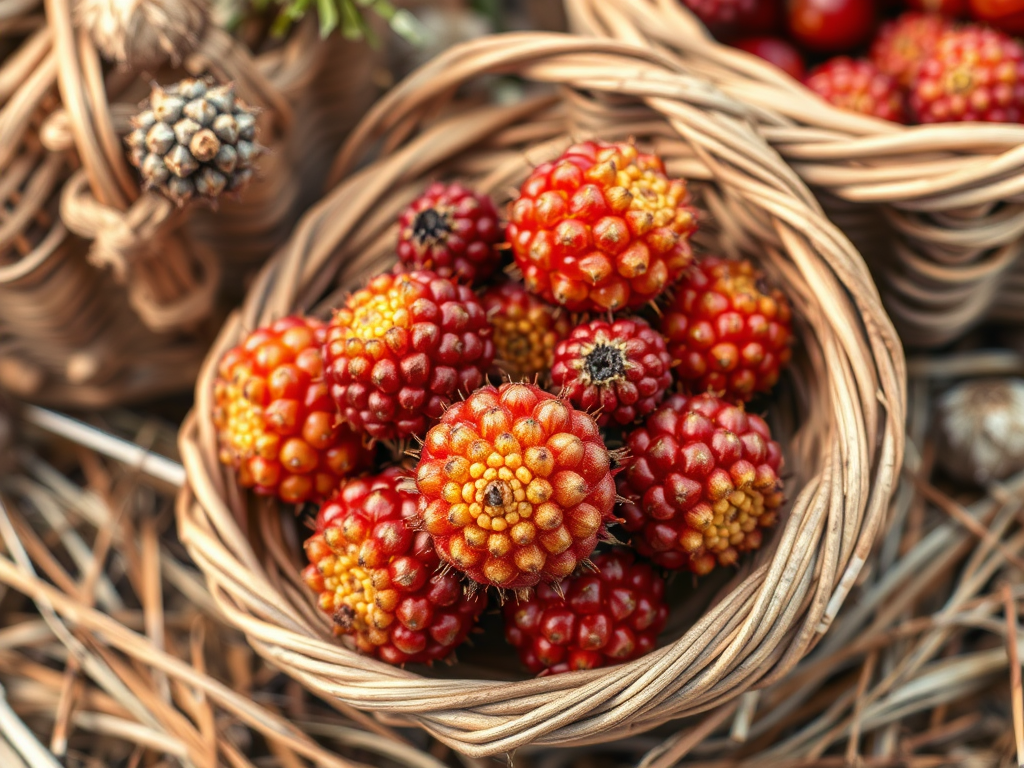
Muntries, also known as Emu Apples or native cranberries, are best known for their:
🍇 Muntries: Emu Apple Elixir
Ceremonial Recipe Card | Native Fruit Series
🌿 Ritual Origins
Traditionally gathered by Ngarrindjeri women along South Australia’s coastal scrub, Muntries were dried, traded, and revered for their longevity and healing properties. Their harvest marked seasonal transitions and communal gatherings.
🧬 Nutritional Highlights
| Nutrient | Value (per 100g) | Benefits |
|---|---|---|
| Antioxidants | 4x blueberries | Anti-aging, cellular repair |
| Vitamin C | ~30 mg | Immunity, collagen production |
| Dietary Fiber | ~6 g | Gut health, satiety |
| Anthocyanins | High | Anti-inflammatory, heart health |
⚠️ Safety Note:
Muntries are generally safe, but always source from trusted suppliers. Wild harvesting should be done with ecological care and cultural respect. Not recommended for individuals with berry allergies.
🍷 Muntrie Spice Chutney
Aromatic, tangy, and perfect for cheese boards or grilled meats
Ingredients
- 1 cup fresh or dried Muntries
- ½ cup apple cider vinegar
- ¼ cup raw honey or agave
- 1 tsp ground cinnamon
- ½ tsp native pepperberry (or black pepper)
- Pinch of salt
Instructions
- Simmer Muntries in vinegar until softened.
- Stir in honey, spices, and salt.
- Reduce until thick and glossy.
- Cool and jar. Serve chilled or warm.
Muntries: Ceremony of Resilience
Cultural Spotlight | Native Fruit Series
🌾 Ancestral Wisdom
Muntries (Kunzea pomifera) have long been cherished by the Ngarrindjeri and Boandik peoples of South Australia. Women traditionally gathered the berries in woven rush baskets, drying them for winter sustenance or pounding them into fruit leather. These practices weren’t just culinary—they were acts of ecological stewardship and intergenerational knowledge transfer.
“The land gives what we need, when we listen.” — Ngarrindjeri proverb
🔥 Seasonal Rituals
- Gathering Time: Late summer, marked by communal walks and storytelling.
- Preservation: Berries were dried on bark trays or smoked over coals.
- Trade & Kinship: Muntries were exchanged across clans, symbolizing peace and reciprocity.
🌿 Muntries Ceremonial Timeline
From Ancestral Gathering to Modern Nourishment
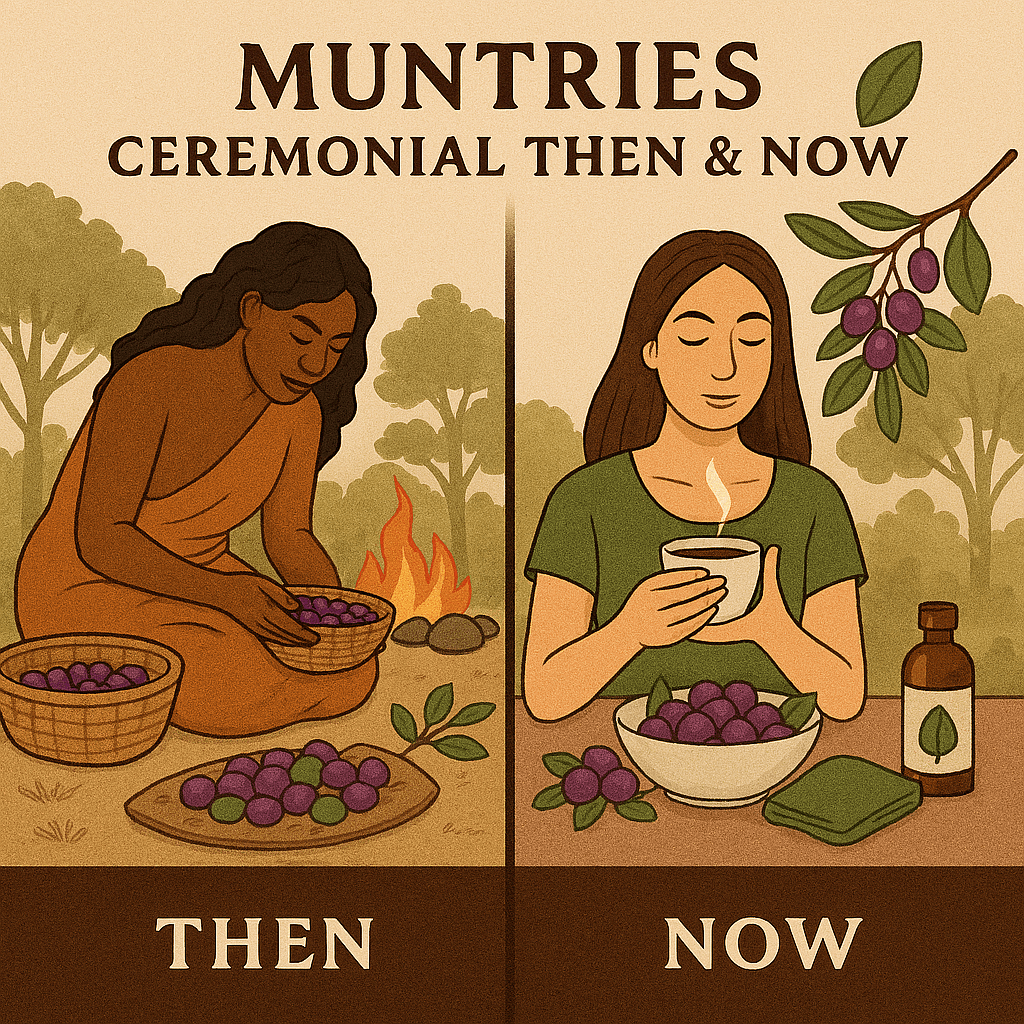
From bark trays and fire circles to herbal teas and skincare rituals—Muntries continue to nourish body and spirit across generations..
📜 1. Pre-Colonial Era: Ecological Kinship
- Late Summer Harvest Women of the Ngarrindjeri and Boandik clans gather Muntries in woven rush baskets, guided by bird migrations and flowering cues.
- Ceremonial Walks Foraging is accompanied by songlines—oral maps that encode ecological wisdom and spiritual connection to Country.
- Preservation Rituals Muntries are dried on bark trays or smoked over coals, then shaped into fruit cakes for winter sustenance and trade.
🔄 2. Intertribal Exchange & Peace Ceremonies
- Fruit as Offering Dried Muntrie cakes are exchanged during seasonal gatherings, symbolizing abundance, reciprocity, and peaceful kinship.
- Knowledge Transmission Elders teach youth how to identify, harvest, and respect Muntries—an act of cultural continuity and ecological stewardship.
🧬 3. Colonial Disruption & Cultural Resilience
- Loss of Access Colonization disrupts traditional harvesting grounds, but Muntries persist in oral histories and remnant bushland.
- Revival Movements Indigenous communities and native food advocates begin restoring Muntrie cultivation and ceremonial use.
🌿 4. Modern Reclamation & Healing
- Native Skincare Muntrie wax is infused into creams and balms, echoing ancient healing rituals.
- Culinary Renaissance Muntries appear in chutneys, wines, and desserts—bridging tradition and trend.
- Cultural Education Workshops and bush food tours reintroduce Muntrie lore to new generations.
Muntries in Today’s Rituals
Where Native Wisdom Meets Contemporary Ceremony
🧘♀️ 1. Mindful Eating & Ancestral Gratitude
Muntries are now featured in ritual-based eating practices—from slow food movements to Indigenous-led wellness workshops. Their presence invites:
- Seasonal awareness: Eating with the rhythms of the land
- Gratitude rituals: Honoring the hands and histories behind each berry
- Ceremonial plating: Using native leaves, ochre dust, and bark trays to evoke traditional presentation
“Every bite is a bridge between past and present.”
🍵 2. Ceremonial Teas & Infusions
Muntries are blended with native herbs like lemon myrtle, aniseed myrtle, and wattleseed to create:
- Grounding teas for clarity and connection
- Digestive tonics used in post-meal rituals
- Infused waters served in bush food ceremonies and cultural tastings
These drinks are often paired with storytelling, song, or guided meditation—turning nourishment into narrative.
🧴 3. Skincare as Ceremony
Muntrie wax is now used in ritual skincare routines, especially in:
- Morning grounding rituals with antioxidant-rich balms
- Healing circles where native botanicals are applied with intention
- Eco-beauty workshops that teach ethical sourcing and cultural respect
✨ Skincare becomes sacred when rooted in story.
🧺 4. Cultural Revival & Community Rituals
Indigenous communities and native food advocates are reclaiming Muntries through:
- Bush food festivals with ceremonial tastings and dance
- Youth-led harvesting walks that echo ancestral foraging
- Digital storytelling—reels, blogs, and podcasts that celebrate Muntrie lore
These rituals are not just symbolic—they’re acts of cultural resilience and ecological stewardship.
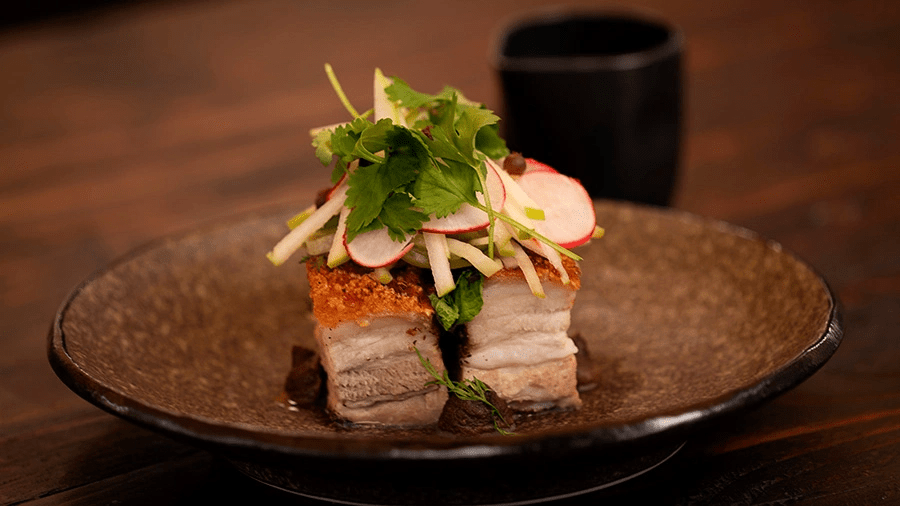
Crispy Pork Belly with Muntries and Apple Puree Full Recipe
Muntrie & Apple Nourish Bowl
Antioxidant-Rich Breakfast Ritual
🧬 Nutritional Highlights (per serving)
| Nutrient | Approx. Value | Benefits |
|---|---|---|
| Antioxidants | 4x blueberries | Cellular repair, anti-aging |
| Vitamin C | ~30 mg | Immunity, collagen support |
| Dietary Fiber | ~6 g | Gut health, satiety |
| Low Glycemic Index | Yes | Blood sugar stability |
🍽️ Ingredients
- ½ cup fresh or freeze-dried Muntries
- 1 small green apple, diced
- ½ cup rolled oats
- ¾ cup plant-based milk (almond or oat)
- 1 tbsp chia seeds
- 1 tsp lemon myrtle powder (optional)
- 1 tbsp raw honey or agave
- Pinch of native pepperberry or cinnamon
- Garnish: mint leaves, edible flowers, crushed walnuts
🥣 Instructions
- In a bowl, soak oats, chia seeds, and milk overnight.
- In the morning, stir in diced apple, Muntries, lemon myrtle, and honey.
- Sprinkle with pepperberry or cinnamon.
- Top with mint, flowers, and walnuts. Serve chilled or warm.
Ritual Notes
- Enjoy slowly with a moment of gratitude for the land and its wisdom.
- Pair with Muntrie tea or a short meditation for full ceremonial flair.
🌿 Little-Known Benefits of Muntries
Beyond Antioxidants: The Hidden Powers of Kunzea pomifera
🧬 1. Natural Wound Healing
- Muntries contain bioactive waxes that help protect and regenerate skin tissue.
- Traditionally used in topical applications for cuts, burns, and inflammation.
- Modern skincare lines now harness this wax for moisture retention and barrier repair.
🦴 2. Bone & Muscle Support
- Rich in calcium, magnesium, and potassium, Muntries support:
- Bone density
- Muscle recovery
- Electrolyte balance—especially valuable in post-exercise rituals.
🧠 3. Cognitive & Mood Boosting
- The berry’s polyphenols and anthocyanins may aid:
- Neuroprotection
- Mood regulation
- Mental clarity during meditation or ceremonial eating.
🌱 4. Soil & Ecosystem Healing
- Muntrie shrubs help stabilize coastal soils, prevent erosion, and support biodiversity.
- Growing Muntries contributes to regenerative agriculture and native habitat restoration.
🧴 5. Beauty from Within
- Muntries are now used in nutricosmetics—foods that nourish skin from the inside out.
- Their antioxidant profile rivals acai and blueberry, making them a superfruit for radiance.
⚠️ Who Should Avoid Muntries
While Muntries are generally safe and highly nutritious, certain individuals should exercise caution:
🚫 Avoid If You:
- Have known berry allergies (especially to native fruits or Myrtaceae family)
- Are prone to histamine reactions—Muntries may trigger mild responses in sensitive individuals
- Are taking blood-thinning medications—consult a healthcare provider due to potential antioxidant interactions
- Have digestive sensitivities to high-fiber fruits
🛡️ Disclaimer
This content is for educational and cultural storytelling purposes only. It does not constitute medical advice. Always consult a qualified healthcare professional before introducing new foods—especially native or wild-harvested ingredients—into your diet.
EJADA honors Indigenous knowledge and ecological stewardship and encourages respectful sourcing and consumption.
Muntries Availability Guide
Muntries are available in several formats and regions, though they remain a specialty item due to their native status and seasonal nature.
Where & How to Source Kunzea pomifera
🌍 Geographic Origin
- Native to South Australia and Western Victoria Especially found in coastal dunes, mallee scrub, and sandy inland areas like Bordertown, Kangaroo Island, and the Little Desert region.
🛒 Formats Available
| Format | Availability Window | Notes |
|---|---|---|
| Fresh | Late Summer–Autumn | Limited supply; best flavor |
| Frozen | Year-round | Great for smoothies, baking |
| Freeze-Dried | Year-round | Ideal for powders, teas, travel |
| Powdered | Specialty retailers | Used in skincare, baking, smoothies |
🛍️ Where to Buy
- Ni Ni Well: Offers fresh, frozen, and freeze-dried Muntries from regenerative farms in Victoria
- Bush to Bowl: Sells frozen Muntries in 100g and 250g packs (pickup only)
- Global Farms: Bulk fresh Muntries (125g punnets, 54 per carton) available for local delivery in Australia
📦 Supply Notes
- Fresh Muntries have a short shelf life—best consumed within a week.
- Frozen and freeze-dried formats retain nutritional value and are ideal for year-round use.
- Export availability is limited; most suppliers offer domestic delivery only.
 EJADA
EJADA 
Leave a comment