
🍇 The Fruit of Wine: The Muscadine Grape—but That’s Not All It’s Good For
Born of humid Southern soil and kissed by centuries of ritual, the Muscadine Grape is more than just the fruit of wine—it’s a botanical powerhouse wrapped in folklore, flavor, and healing.
With skins thick as ancestral memory and a taste that dances between wild sweetness and earthy musk, this native gem has nourished generations far beyond the vineyard.
🧬 Who Named It “Muscadine”?
The term “Muscadine” likely evolved from regional vernacular and botanical classification. It refers to all grapes of the species Vitis rotundifolia, and was formalized by André Michaux, a French botanist, who gave it its scientific name in the 18th century.
Scuppernong is a cultivar, not a synonym—though many Southerners use the term interchangeably.
The name “Muscadine” may derive from the musky aroma of the grape, echoing the word “muscadel,” an old term for aromatic wine.
First Cultivation: Muscadine grapes were the first native grape species cultivated in North America, with records dating back to the late 16th century.
🍇 Muscadine Through the Ages
A Living Legacy of Native Fruit, Ritual, and Resilience
🕰️ Timeline of Discovery & Naming
| Era | Milestone |
|---|---|
| Pre-1584 | Indigenous tribes use wild Muscadines for dye, medicine, and fermented drinks. |
| 1584 | English explorers document wild Muscadines in the Roanoke colony. |
| 1700s | French botanist André Michaux names the species Vitis rotundifolia. |
| 1810 | Dr. Calvin Jones identifies the bronze cultivar “Scuppernong” in North Carolina. |
| 1868–1900s | Cultivars like “Memory” and “Cowart” emerge, marking the rise of Muscadine farming. |
| Modern Day | Muscadine gains fame as a superfruit—rich in polyphenols, vitamins, and cultural pride. |
From antioxidant-rich skins used in ceremonial tonics to seeds pressed into wellness oils, Muscadine’s legacy stretches across cultural traditions, medicinal lore, and modern-day superfruit status. Whether fermented, dried, juiced, or infused, it’s a fruit that refuses to be one-note.
🌿Three Varieties, Three Lands, One Sacred Lineage
In the world of Vitis rotundifolia, the vine doesn’t grow in isolation—it branches into a sacred triad, each variety rooted in its own soil, climate, and ancestral rhythm:
A Botanical Lineage Rooted in Place and Purpose
🌍 Earth — var. rotundifolia (Southeastern USA)
The classic Muscadine. Thick-skinned, sun-soaked, and deeply woven into Southern traditions. Used in wines, preserves, and healing rituals. Symbol of grounding, abundance, and ancestral memory.
🔥 Fire — var. munsoniana (Florida)
Wild and resilient. Thrives in heat and humidity, ripens early, and dances through coastal hammocks. Symbol of transformation, vitality, and untamed spirit.
🌬️ Spirit — var. popenoei (Central America)
Rare and tropical. A whisper of biodiversity, waiting to be rediscovered and honored. Symbol of mystery, potential, and sacred continuity.
🍇 Muscadine Grape: A Ritual of Wellness
1. Antioxidant Powerhouse Muscadines are loaded with ellagic acid, resveratrol, and quercetin—polyphenols that neutralize free radicals and reduce oxidative stress. These compounds are linked to lower risks of heart disease, cancer, and neurodegenerative conditions like Alzheimer’s.
2. Cardiovascular Guardian Their polyphenols help reduce inflammation, lower blood pressure, and improve cholesterol profiles by boosting HDL and reducing LDL. Muscadine juice even increases nitric oxide levels, which helps prevent blood clots and supports healthy circulation.
3. Digestive Ally Rich in insoluble fiber, Muscadines promote regular bowel movements and help relieve constipation. The fiber also supports gut health and may reduce the risk of colon cancer.
4. Immune Booster Packed with vitamin C, Muscadines stimulate white blood cell production and enhance the body’s ability to fight infections. Their antioxidant profile also supports non-specific immunity.
5. Skin & Aging Support Resveratrol and other antioxidants protect against UV damage, reduce wrinkles, and improve skin elasticity. Muscadine seed oil is especially potent in anti-aging and anti-inflammatory properties.
6. Blood Sugar & Diabetes Management These grapes help regulate blood sugar and improve insulin sensitivity, making them a smart choice for those managing diabetes.
7. Bone & Brain Benefits Emerging research suggests Muscadines may strengthen bones and support cognitive function, thanks to their anti-inflammatory and neuroprotective compounds.
🍇 Regional & Cultural Harvesting Rituals for Muscadine Grapes
| Practice | Description |
|---|---|
| Southern Communal Harvests | Families and neighbors often gather for late-summer picking, turning harvest into a social event. It’s common to share stories, recipes, and even folk songs while collecting grapes. |
| Blessing the Vines | Some growers—especially those with spiritual or agrarian roots—offer prayers or blessings before harvest, thanking the land and asking for abundance. |
| First-Fruit Offerings | Inspired by biblical and Indigenous traditions, some homesteaders set aside the first ripe cluster as a symbolic offering to nature or ancestors. |
| Moon-Based Timing | A few biodynamic farms align Muscadine harvests with lunar cycles, believing the moon’s gravitational pull affects grape sweetness and fermentation potential. |
| Harvest Feasts & Muscadine Wine | In parts of Georgia and the Carolinas, harvest season culminates in grape-stomping festivals or wine tastings, celebrating the fruit’s transformation. |
🌿 Symbolism & Seasonal Meaning
Late Summer to Early Fall: Muscadine harvest marks the transition from growth to reflection—often tied to themes of gratitude, preservation, and transformation.
Color Symbolism: The deep purple and bronze hues are seen as symbols of wisdom, healing, and ancestral richness
Peer-reviewed studies and expert-backed findings that support the health benefits of Muscadine grapes:
| Health Benefit | Scientific Support |
|---|---|
| Antioxidant Power | Muscadines contain high levels of ellagic acid, resveratrol, and quercetin. A study by Pastrana-Bonilla et al. (2003) found Muscadine skins and seeds have exceptionally high TEAC values, surpassing many other fruits. |
| Cardiovascular Health | Research from Wake Forest University School of Medicine shows Muscadine grape extract (MGE) may help prevent cardiovascular disease by reducing oxidative stress and inflammation. |
| Cancer Prevention | Studies indicate that ellagic acid and resveratrol in Muscadines inhibit tumor growth and promote apoptosis in cancer cells. |
| Diabetes Management | Muscadines help regulate blood sugar and improve insulin sensitivity. Their low glycemic index and polyphenol content support anti-diabetic effects. |
| Cognitive Function | Supplementation with Muscadine juice improved memory performance in adults with mild cognitive impairment. |
| Skin & Aging Support | Resveratrol protects against UV damage and improves skin elasticity. Muscadine seed oil is rich in anti-aging compounds. |
| Bone Strength | Proanthocyanidins in Muscadine seeds promote bone formation and may reverse bone loss when paired with calcium-rich diets. |
| Digestive Health | High in insoluble fiber, Muscadines support bowel regularity and help relieve constipation. |
| Anti-inflammatory Effects | Muscadine grape skin extract shows strong anti-inflammatory activity, reducing edema and chronic inflammation markers. |
🔬 Notable Research Sources
Wake Forest University’s Muscadine Extract Trials
Parenting Healthy Babies: Muscadine Benefits Summary
Senior Fitness: Muscadine’s Polyphenol Profile
Healthy Huemans: Muscadine Juice Therapeutics
🍇 Vitamin Profile of Muscadine Grapes
Muscadine grapes are a nutrient-dense powerhouse, especially when it comes to vitamins and trace minerals.
| Vitamin | Function & Benefits |
|---|---|
| Vitamin C | Boosts immune function, supports collagen production, and acts as a potent antioxidant. |
| Vitamin B2 (Riboflavin) | Supports energy metabolism and cellular function; helps maintain healthy skin and eyes. |
| Vitamin K | Essential for blood clotting and bone health. |
| Vitamin A (in trace amounts) | Supports vision, immune health, and skin integrity. |
| Folate (Vitamin B9) | Aids in DNA synthesis and repair; important during pregnancy and for cell growth. |
💎 Bonus Nutrients
Manganese: Muscadines are an excellent source, aiding in bone development and antioxidant defense.
Copper & CoQ10: Present in smaller amounts, supporting cardiovascular and cellular health.
These vitamins are most concentrated in the skins and seeds, which also contain high levels of polyphenols like resveratrol and ellagic acid
🍇 Muscadine Grape Recipes
Inspired by Southern tradition and ripe for ceremonial storytelling

Muscadine Grape Pie
A flaky-crusted classic with deep, jammy flavor Ingredients:
- 2 cups fresh or frozen muscadine grapes
- 1 cup sugar, ¼ cup cornstarch, 1 tbsp lemon juice
- Butter, eggs, pie crust Ceremonial Twist: Serve with a sprig of rosemary and a blessing for abundance
🍯 Muscadine Jam
Perfect for toast, pastries, or ritual offerings Ingredients:
- 2 cups grapes, 1 cup sugar, ¼ cup water, lemon juice, powdered pectin Tip: Add a dash of cinnamon or clove for ancestral warmth
🍖 Muscadine-Stuffed Pork Chops
Savory meets sweet in this bold entrée Filling: Chopped muscadines, garlic, herbs, breadcrumbs Presentation: Garnish with fire-roasted grape skins for visual flair
🌶️ Muscadine Salsa
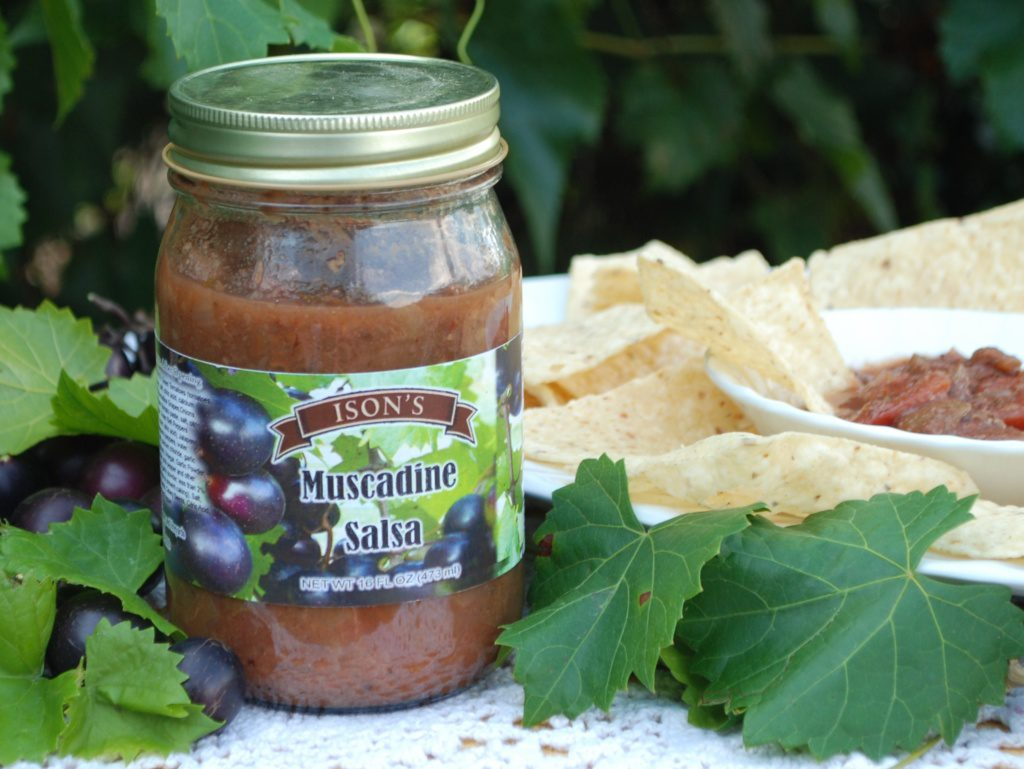
🌶️ Muscadine Salsa
A vibrant side for grilled fish or ceremonial platters Mix: Chopped grapes, red onion, jalapeño, cilantro, lime juice Use: As a dip or topping for sacred harvest feasts
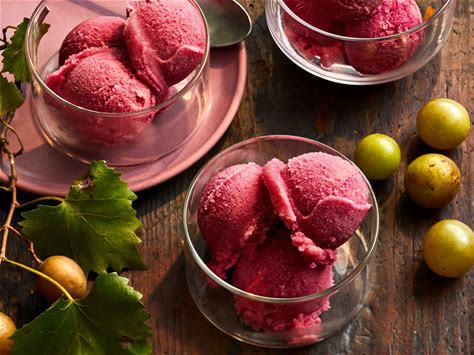
🍨 Muscadine Sorbet
Cool, cleansing, and perfect for spirit-themed rituals Blend: Grapes, sugar, lemon juice—freeze until silky Optional: Infuse with mint or basil for a refreshing twist
🎁 Good News in a Small Package
Muscadine grapes aren’t just delicious—they’re nutrient-dense powerhouses. Rich in resveratrol, fiber, and antioxidants, they support heart health, digestion, and immune resilience. When paired with lean proteins like pork, they create a flavorful, balanced dish that honors tradition and nourishes the body.
⚠️ Precautions & Who Should Avoid
While muscadines are generally safe and beneficial, consider the following:
- Allergy Alert: Individuals with grape or berry sensitivities should avoid this dish.
- Medication Interactions: Resveratrol may interact with blood thinners—consult your healthcare provider.
- Low-Sugar Diets: The natural sugars in muscadines and added sweeteners may not suit ketogenic or diabetic meal plans.
- Pork Considerations: Those avoiding pork for religious, ethical, or health reasons can substitute with stuffed portobello mushrooms or tempeh.
🛡️ Disclaimer
This recipe is intended for informational and culinary inspiration only. It does not constitute medical advice or dietary prescription. Always consult a qualified health professional before making significant changes to your diet, especially if you have allergies, chronic conditions, or dietary restrictions.
 EJADA
EJADA 
Leave a comment