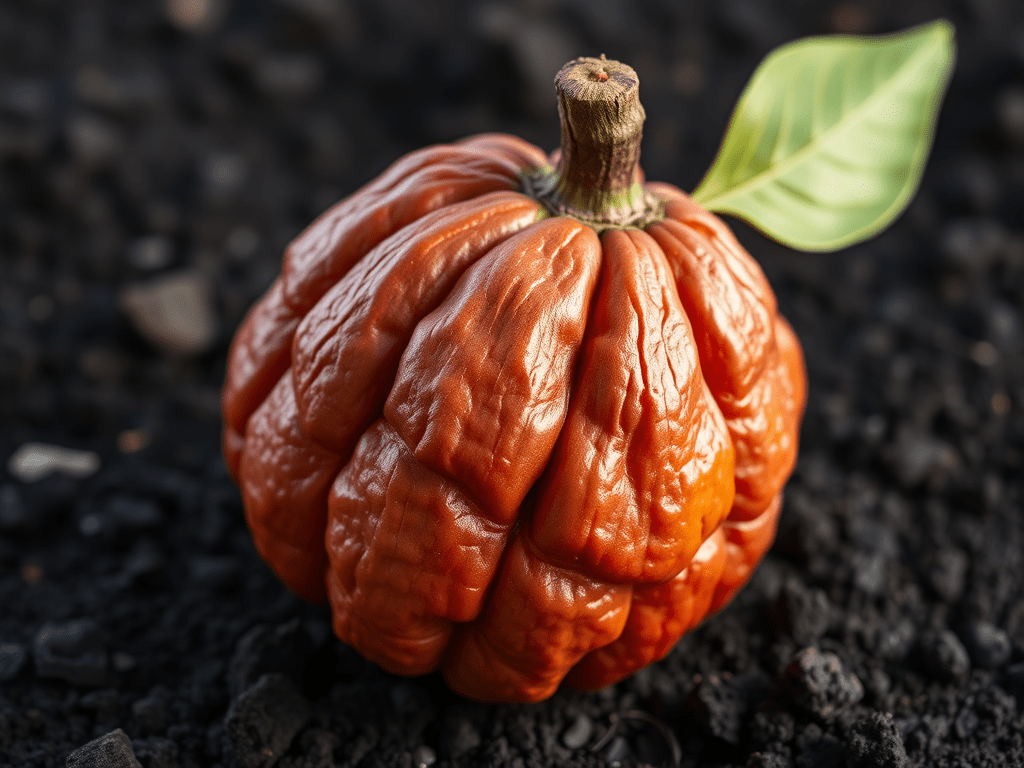
🍃 Morinda: The Volcano’s Gift with a Mythic Pulse
Morinda—known variously as noni, Indian mulberry, or great morinda—is no ordinary fruit. With its wrinkled skin, acrid scent, and medicinal bite, it carries the aura of a plant that was never meant to be merely eaten—it was meant to be invoked.
🌋 A Pungent Personality
Morinda’s aroma is unapologetically bold: fermented cheese meets tropical compost. Islanders call it “vomit fruit,” yet they revere it. Its flavor profile is bitter, sour, and medicinal—less a treat, more a tonic. This is a fruit that demands respect, not indulgence.
🧬 Mythic Past & Sacred Lineage
- Polynesian Canoe Plant: Morinda was one of the sacred plants carried across the Pacific by Polynesian navigators. It was planted in volcanic soils and used in healing ceremonies, symbolizing endurance and divine protection.
- Volcano Goddess Connection: In Hawaiian lore, Morinda is associated with Pele, the goddess of fire and volcanoes. Its ability to thrive in scorched earth made it a symbol of rebirth and resilience.
- TCM Reverence: In Traditional Chinese Medicine, its cousin Morinda officinalis is known as ba ji tian, a root of vitality and yang energy. It’s used to restore life force, especially in cases of fatigue, infertility, and cold syndromes.
🛠️ More Than Medicine
Cultural Symbol: Across Southeast Asia and Oceania, Morinda is a plant of paradox: ugly yet sacred, foul yet healing, bitter yet life-giving.
Dye & Craft: Morinda’s roots yield a rich red dye, used in ceremonial textiles and tribal markings.
Survival Food: In times of famine, the fruit was fermented or cooked to sustain communities. It wasn’t loved—it was trusted.
🌿 Origins & First Cultivation
Native Range: Morinda citrifolia is indigenous to Southeast Asia and Australasia, thriving in tropical climates with volcanic soils.
Polynesian Expansion: It was spread across the Pacific by Polynesian voyagers, who considered it a sacred “canoe plant”—one of the essential species carried in their migrations to new islands.
Pioneer Species: Morinda is a hardy pioneer, often one of the first plants to grow in harsh, lava-scorched environments. Its resilience made it ideal for early cultivation in newly settled or disturbed lands.
🌺 Reasons for Cultivation
Traditional Medicine: Morinda was revered for its medicinal properties. Pacific Island cultures used every part of the plant—roots, bark, leaves, and fruit—to treat ailments ranging from infections to inflammation.
Spiritual Significance: In Polynesian mythology, Morinda is linked to the volcano goddess Pele and the demigod Maui. It was believed to be a divine gift, symbolizing healing and protection.
Food & Famine Use: Though its odor is famously foul (earning nicknames like “vomit fruit” and “cheese fruit”), it was consumed during times of scarcity. The fruit was fermented into juice or added to cooked dishes like curry and rice.
Dye & Woodcraft: The roots and bark were used to produce natural dyes, and the wood was crafted into tools and ceremonial items.
🍵 Ceremonial Recipe Card: Morinda Healing Elixir
Volcano Spirit Tonic Inspired by: Polynesian healing rituals and volcanic resilience
🌿 Ingredients:
- 1 ripe Morinda fruit (peeled and mashed)
- 1 tbsp fresh turmeric root (grated)
- 1 tsp fermented ginger juice
- Juice of ½ calamansi or lime
- 1 cup warm spring water
- Optional: 1 tsp raw honey (for balance)
🔮 Ritual Instructions:
- Mash & Mingle: Combine Morinda pulp with turmeric and ginger juice in a clay bowl.
- Infuse with Intention: Stir clockwise while reciting a personal healing mantra.
- Add Citrus & Water: Pour in calamansi juice and warm water. Let steep for 5 minutes.
- Strain & Sip: Strain through muslin cloth. Sip slowly at sunrise or before meditation.
🛡️ Disclaimer: Morinda’s strong aroma and bioactive compounds may cause digestive sensitivity. Not recommended during pregnancy or for individuals with kidney conditions. Always consult a healthcare provider before use.
🎨 Flavor Matrix: Morinda Citrifolia
| Profile | Notes | Pairing Suggestions |
|---|---|---|
| Aroma | Pungent, cheesy, fermented | Ginger, lemongrass, citrus zest |
| Taste | Bitter, sour, earthy | Honey, turmeric, coconut water |
| Texture | Soft, gelatinous, fibrous | Smoothies, tonics, fermented blends |
| Aftertaste | Lingering bitterness with medicinal tang | Mint, basil, or cinnamon overlay |
| Cultural Symbolism | Healing, endurance, volcanic rebirth | Fire motifs, lava textures, sunrise |
Morinda citrifolia (noni) may smell like a fermented cheese left in a volcano, but its healing reputation is anything but rotten. Here’s a breakdown of the health benefits and nutritional profile of your Volcano Spirit Tonic, aka the Morinda Healing Elixir:
🌿 Health Benefits of Morinda Healing Elixir
🧠 Antioxidant & Anti-inflammatory Support
- Rich in phenolic compounds and flavonoids that help combat oxidative stress and inflammation.
- Traditionally used to support joint health, reduce swelling, and ease pain.
💪 Immune System Boost
- Contains scopoletin, damnacanthal, and alizarin—bioactive compounds believed to enhance immune response and fight infections.
🩺 Digestive & Detox Support
- Fermented Morinda juice has been used to stimulate digestion, relieve constipation, and support liver detoxification.
- The bitter compounds may help activate bile flow and improve nutrient absorption.
🧬 Cellular Repair & Vitality
- In Traditional Chinese Medicine (TCM), Morinda officinalis (a related species) is used to restore vitality, especially by warming kidney yang and supporting reproductive health.
🍊 Nutritional Snapshot (per 100g fresh fruit)
| Nutrient | Amount | Function |
|---|---|---|
| Vitamin C | ~33 mg | Immune support, antioxidant |
| Potassium | ~208 mg | Heart health, fluid balance |
| Calcium | ~32 mg | Bone strength, nerve signaling |
| Iron | ~0.5 mg | Oxygen transport, energy metabolism |
| Dietary Fiber | ~2 g | Digestive health, satiety |
| Protein | ~0.4 g | Tissue repair, enzyme function |
| Total Calories | ~15 kcal | Low-calorie, nutrient-dense |
⚠️ Safety Note: Morinda may interact with certain medications and is not recommended for individuals with kidney issues or during pregnancy. Always consult a healthcare provider before regular use.
Morinda—whether Morinda citrifolia (noni) or Morinda officinalis (ba ji tian)—has been used across cultures for centuries to treat a wide range of conditions. While modern science is still catching up to traditional wisdom, here’s a breakdown of specific conditions Morinda may help address, based on both historical use and emerging research:
🌿 Morinda citrifolia (Noni) – Traditional & Modern Uses
✅ Conditions Traditionally Treated:
- Arthritis & Joint Pain: Anti-inflammatory compounds like scopoletin and damnacanthal may help reduce swelling and discomfort.
- High Blood Pressure: Some studies suggest noni juice may help regulate blood pressure due to its potassium content and vasodilatory effects.
- Diabetes: Early research indicates potential for blood sugar regulation, though more clinical trials are needed.
- Wound Healing: Used topically for cuts, ulcers, and infections—especially in Pacific Island cultures.
- Digestive Issues: Traditionally used as a laxative and liver tonic; may help with constipation and detoxification.
- Immune Support: Believed to enhance immune response and fight bacterial and viral infections.
⚠️ Note: Excessive consumption of noni juice has been linked to liver toxicity due to anthraquinones. Always use with caution and consult a healthcare provider.
🌱 Morinda officinalis (Ba Ji Tian) – TCM Powerhouse
✅ Conditions Supported by Traditional Chinese Medicine & Research:
- Kidney Deficiency: Used to tonify kidney yang—helping with fatigue, cold limbs, and frequent urination.
- Male Fertility & Sexual Health: Shown to improve sperm quality and libido; often used for erectile dysfunction.
- Osteoporosis & Arthritis: Polysaccharides and flavonoids may strengthen bones and reduce inflammation.
- Chronic Fatigue Syndrome: Adaptogenic properties help restore energy and vitality.
- Hormonal Imbalance: May regulate endocrine function and support reproductive health.
- Neuroprotection: Emerging studies suggest benefits for cognitive function and brain inflammation.
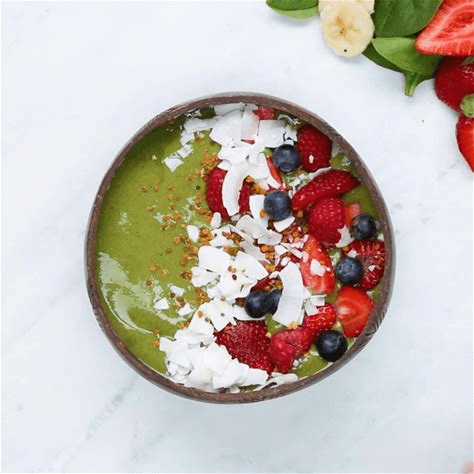
Moringa Smoothie
Ingredients
for 1 serving
1 teaspoon moringa powder
¼ cup frozen strawberry
¼ cup banana, sliced
1 cup spinach
1 cup non-dairy milk
Nutrition Info
Calories 132
- Fat 3g
- Carbs 22g
- Fiber 8g
- Sugar 8g
- Protein 5g
Estimated values based on one serving size.
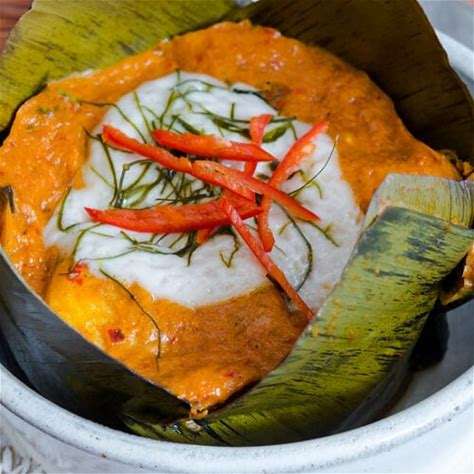
Cambodian Fish Amok, a traditional steamed fish curry often served in banana leaf cups. While most classic recipes use spinach or moringa leaves, noni leaves are a culturally authentic substitute in some regions for their earthy bitterness and medicinal value.
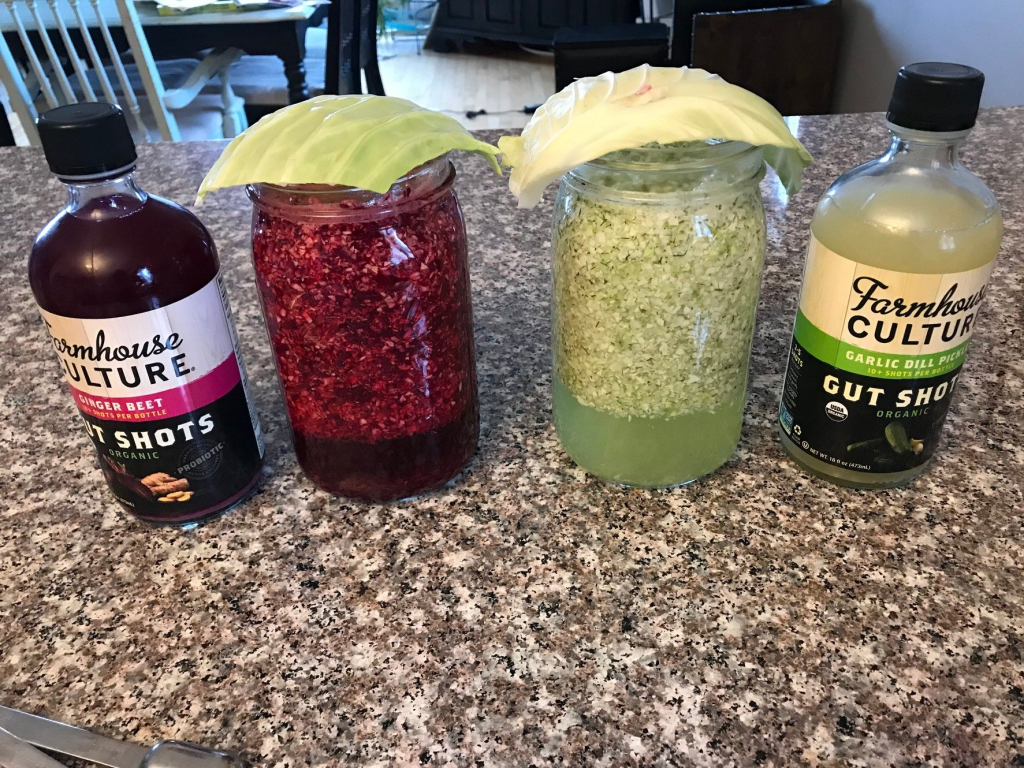
🧉 3. Fermented Morinda Wellness Shot
Ingredients:
- 1 cup ripe Morinda pulp
- 2 tbsp pineapple juice
- 1 tsp apple cider vinegar
- 1 pinch cayenne pepper
- 1 tbsp raw honey
Instructions:
- Blend all ingredients until smooth.
- Pour into sterilized glass jars.
- Ferment at room temperature for 24–48 hours.
- Chill and take 1 oz daily.
Used in Pacific Island traditions to boost immunity and cleanse the gut.
Where to Buy Morinda in the U.S.
🛒 Online Retailers
- Amazon stocks Morinda Supreme capsules made from whole noni fruit—no fillers, binders, or flow agents.
- Healthy Habits Living offers Morinda Supreme™, a 130-capsule bottle used for immune support and antimicrobial benefits.
- Instacart lists Morinda 4 oz dried herb available for same-day delivery in select regions.
🧪 Formulations Available
- Whole fruit capsules
- Fermented noni juice blends (e.g., Tahitian Noni)
- Dried herb for decoctions or infusions
- Topical products and essential oils
🏥 Practitioner-Recommended
- Many naturopaths and integrative doctors prescribe Morinda for:
- Immune modulation
- Antimicrobial support
- Inflammation and cognitive enhancement
Morinda Supreme™ – 130 Capsules
Morinda species like Morinda officinalis (Ba Ji Tian) and Morinda lucida (Oruwo) offer a wide range of traditional and research-backed benefits, there are several groups who should exercise caution or avoid them altogether:
⚠️ People Who Should Avoid or Be Cautious with Morinda
1. Pregnant or Breastfeeding Women
- Limited safety data exists for Morinda during pregnancy or lactation.
- Traditional use does not guarantee safety—some compounds may affect hormonal balance or fetal development.
2. Individuals with Liver or Kidney Conditions
- Morinda lucida and officinalis may impact liver enzymes or kidney function due to their potent bioactive compounds.
- Always consult a healthcare provider before use.
3. People on Medication
- Drug interactions are possible, especially with:
- Blood pressure medications
- Diabetes treatments
- Liver-metabolized drugs
- Morinda may amplify or inhibit drug effects, leading to unintended consequences.
4. Men Trying to Conceive
- Some studies suggest antispermatogenic effects—potentially reducing sperm production or motility.
5. People with Allergies or Sensitivities
- Allergic reactions like skin rashes, itching, or respiratory issues have been reported.
- Start with a small dose and monitor for symptoms.
6. Children
- Due to limited pediatric research, Morinda is not recommended for children unless under professional supervision.
✅ Safe Use Tips
- Start low, go slow: Begin with minimal doses and observe your body’s response.
- Choose reputable sources: Ensure purity and correct species identification.
- Consult a practitioner: Especially if you’re using it for therapeutic purposes or combining with other herbs.
🌿 Final Note
As we explore the bold bitterness and healing legacy of Morinda, we honor the wisdom carried in its leaves, roots, and rituals. Whether steeped in decoctions or folded into ceremonial dishes, this ancient botanical reminds us that wellness is a journey—rooted in story, soil, and stewardship.
🚐 And yes, we are still traveling down our highway of fruits—each stop a celebration of flavor, folklore, and fierce vitality. Buckle up. The next fruit is just around the bend.
⚖️ Disclaimer
This content is for educational and cultural storytelling purposes only. Morinda species—including Morinda citrifolia, Morinda officinalis, and Morinda lucida—may offer traditional and research-supported benefits, but they are not intended to diagnose, treat, cure, or prevent any disease. Always consult a qualified healthcare provider before using herbal remedies, especially if you are pregnant, nursing, taking medication, or managing a health condition. Children and individuals with known sensitivities should avoid use unless professionally advised. EJADA does not endorse unsupervised consumption and encourages responsible, informed engagement with all botanical traditions.
 EJADA
EJADA 
Leave a comment