🌿 What Is Mora?
Mora can refer to:
- Morus genus (Mulberry) – native to Asia, widely cultivated globally.
- Solanum genus (Hierba Mora / Black Nightshade) – used in Latin American cuisine and medicine.
- Mora excelsa / Mora oleifera (Fabaceae family) – large rainforest trees in South America, primarily valued for timber.
- Mora blend (Blackberry, Capirona, Yarrow) – a proprietary herbal formulation used in supplements.
🍇 Mora Andean Blackberry: A Highland Jewel of Flavor and Ritual
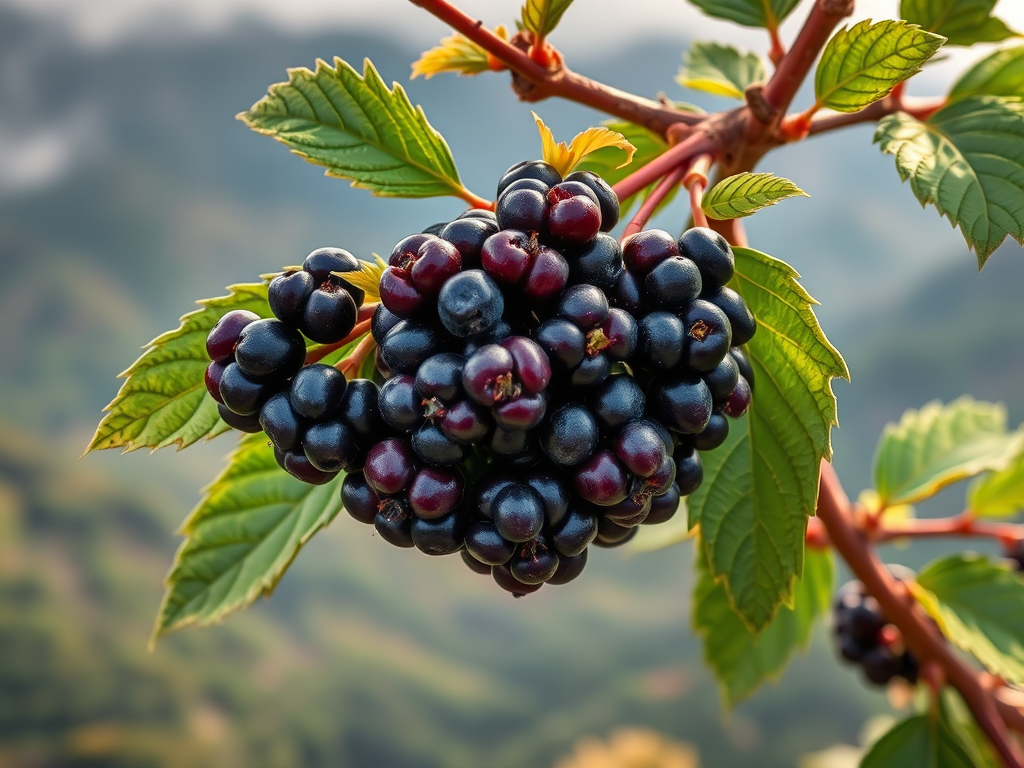
Mora, also known as Rubus glaucus, is the bold, tangy blackberry native to the misty highlands of Colombia, Ecuador, and Bolivia. With its deep purple hue and tart-sweet bite, this fruit is more than a culinary delight—it’s a symbol of vitality, ancestral connection, and seasonal celebration.
🌱 Origins & Cultivation of Mora (Rubus glaucus)
🏔️ Native Range & Ancestral Roots
- Mora is indigenous to the tropical highlands of Central and South America, thriving from Mexico to Bolivia, with deep cultural ties in Colombia, Ecuador, Peru, and Venezuela2.
- Known locally as mora de Castilla, it’s revered in Andean communities not just as food, but as a symbol of fertility, resilience, and reciprocity.
- In Costa Rica, it grows wild in the Cordillera de Talamanca and Central Volcanic Cordillera, often near sacred springs and ceremonial gathering sites.
🌤️ Ideal Growing Conditions
- Prefers cool, humid climates with temperatures between 12–19°C, 80–90% humidity, and well-distributed rainfall ranging from 800 to 2,500 mm/year.
- Thrives at elevations between 1,500–3,100 meters, where high UV exposure enhances its antioxidant profile and pigment intensity.
- Grows best in fertile, well-drained soils rich in organic matter—often volcanic or loamy in origin.
🌿 Plant Characteristics
- A semi-erect climbing shrub with spiny, powder-coated stems that can reach up to 3 meters in height.
- Leaves are trifoliate, serrated, and dual-toned—dark green above, silvery-white beneath—offering natural pest resistance and water retention.
- The fruit is a compound drupe, ellipsoid in shape, turning from green to red to a deep, luminous purple when ripe. Each berry weighs 3–5 grams and is rich in vitamin C, calcium, and phosphorus.
🌸 Cultivation Cycle & Yield
- Mora begins fruiting after its first year, with two peak harvests annually, and continues producing for 12–20 years.
- Its everbearing habit and adaptability have made it a candidate for hybridization with other Rubus species to enhance yield and resilience.
- Propagation is typically done via cuttings or layering, with attention to pollinator support—especially native bees and hoverflies.
🌾 Cultural & Economic Importance
- In Andean agriculture, mora is often grown in mixed cropping systems alongside maize, beans, and medicinal herbs.
- It’s a key ingredient in traditional beverages, jams, and ceremonial foods, and increasingly valued in global specialty markets for its flavor and nutrient density.
- Farmers use mora as a living fence, erosion control, and even in ritual planting ceremonies to mark solstices or ancestral commemorations.
🔮 Ritual Significance
🌄 Ancestral Offering & Reciprocity
- In Andean traditions, mora is often used in “Pago a la Tierra” (Payment to the Earth) ceremonies, where fruits, herbs, and grains are offered to Pachamama (Mother Earth) as acts of gratitude and balance.
- Its vibrant purple hue represents fertility, abundance, and the blood of the land, making it a powerful offering during solstice and equinox rituals.
🌞 Seasonal Symbolism
- Mora ripens during periods of high sun and rainfall, aligning it with solar festivals like Inti Raymi, the Incan celebration of the sun god.
- Consuming mora during these times is believed to honor the sun’s life-giving force and activate inner clarity.
🌿 Healing & Spiritual Purification
- Traditionally used in flower baths and infusions, mora is thought to cleanse the spirit, ease emotional burdens, and restore energetic flow.
- Its antioxidant-rich flesh is seen as a gift from the mountains, aiding both physical and metaphysical detoxification.
🧬 Connection to Lineage & Legacy
- Mora’s perennial nature and long lifespan (up to 20 years) symbolize ancestral continuity and intergenerational wisdom.
- In some communities, planting mora is a ritual act to honor elders or mark rites of passage, such as births or solstice initiations.
🕯️ Ceremonial Preparation
- Often served in handmade vessels or wrapped in woven textiles, mora is presented with intentions, prayers, or songs.
- Its bittersweet flavor is said to mirror the duality of life—joy and sorrow, growth and release.
🧪 Medicinal & Nutritional Benefits
| Benefit | Traditional Use | Modern Insight |
|---|---|---|
| Digestive Health | Infusions of leaves and fruit | High in fiber and gut-friendly tannins |
| Immune Support | Berry poultices for skin and throat | Rich in Vitamin C and antioxidants |
| Anti-inflammatory | Decoctions for joint pain and swelling | Contains anthocyanins and flavonoids |
⚠️ Safety Note: Naturally allergen-free and vegan. Its pigment may stain—handle with care!
🍹 Culinary & Wellness Applications
- Juices & Smoothies: A staple in Colombian kitchens
- Fermented Brews: Used in kombucha, mead, and fruited beers
- Desserts: Featured in jams, ice creams, and pastries—often paired with panela or honey
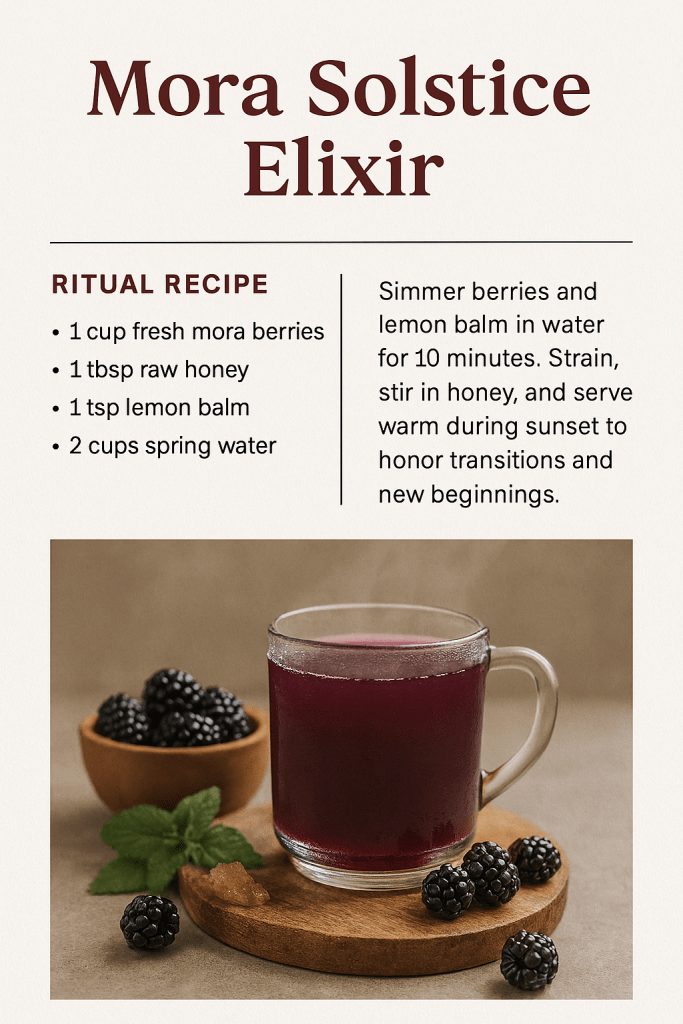
🍇 Health Benefits of Mora Solstice Elixir
1. Immune Support & Antioxidant Boost
- Mora berries (Rubus glaucus) are rich in Vitamin C, anthocyanins, and flavonoids, which help neutralize free radicals and strengthen immune defenses.
- These compounds may reduce oxidative stress and inflammation, supporting overall cellular health.
2. Digestive Harmony
- The lemon balm in the elixir is known for its calming effects on the digestive system. It may help relieve bloating, indigestion, and mild nausea.
- Mora’s fiber content also promotes gut health and regularity.
3. Emotional & Nervous System Balance
- Lemon balm is traditionally used to ease anxiety and promote restful sleep. Combined with the ritual warmth of the elixir, it creates a soothing effect on the nervous system.
- The ceremonial act of drinking it at sunset enhances mindfulness and emotional grounding.
4. Anti-inflammatory Properties
- Mora berries contain ellagic acid and quercetin, which have been studied for their anti-inflammatory effects. These may help reduce joint pain and support recovery from physical stress.
5. Skin & Vascular Health
- The deep pigments in mora (anthocyanins) support capillary strength, circulation, and skin elasticity.
- Vitamin C aids in collagen production, making this elixir a gentle beauty tonic.
⚠️ Safety & Ritual Notes
- Naturally allergen-free, vegan, and caffeine-free
- Best consumed warm during sunset rituals or seasonal transitions for emotional clarity and renewal
- May stain fabrics—handle with care!
🔮 Ritual & Ceremonial Uses of Mora Andean Blackberry
🌄 1. Offerings to Pachamama (Mother Earth)
In Andean cosmology, Pachamama is the sacred embodiment of nature and fertility. During seasonal transitions—especially solstices and equinoxes—mora berries are offered in bowls or blended into drinks as a gesture of gratitude and renewal.
- Symbolism: The deep purple hue represents vitality, protection, and ancestral wisdom.
- Practice: Families gather to share mora-infused beverages while planting intentions for the coming season.
🔥 2. Solstice Fire Ceremonies
Mora is often incorporated into solstice rituals, where berries are simmered into warm elixirs and served at dusk.
- Purpose: To honor the sun’s cycle and invoke clarity, transformation, and emotional release.
- Pairings: Mora is combined with herbs like lemon balm, chamomile, or coca leaf for added spiritual resonance.
🧘 3. Healing Circles & Herbal Baths
Traditional healers (curanderos) use mora in ritual baths and healing circles to cleanse emotional blockages and restore energetic balance.
- Method: Crushed mora berries are added to warm water with aromatic herbs. Participants bathe or anoint themselves while chanting or meditating.
- Belief: The fruit’s tartness is thought to “cut through” stagnation and invite renewal.
🍵 4. Ceremonial Infusions & Ancestral Recipes
Mora is steeped into infusions served during storytelling gatherings, where elders pass down wisdom through food and folklore.
- Recipe: Mora + panela + cinnamon = a warming drink shared to honor lineage and memory.
- Function: These infusions are often served before rituals involving music, dance, or dreamwork.
🧿 5. Protective Amulets & Dye Rituals
In some regions, mora juice is used as a natural dye for fabrics or talismans worn during rituals.
Crafting: Children and elders may create woven bracelets or altar cloths dyed with mora during festivals.
Symbolic Use: The pigment is believed to ward off negative energy and attract abundance.
🧪 Medicinal Purposes
🌱 Mulberry (Morus genus)
- Tea from leaves: Antioxidant, anti-inflammatory, supports blood sugar regulation.
- Used for: Liver health, metabolic disorders, immune support.
🌿 Hierba Mora (Solanum genus)
- Leaves: Cooked like spinach; used for digestive issues, liver problems, edema.
- Topical decoctions: Treat ulcers, arthritis, psoriasis4.
- Caution: Unripe berries can be toxic—only use fully ripened black berries or leaves.
🧬 Mora Herbal Blend (Blackberry, Capirona, Yarrow)
- Used for: Immune modulation, inflammation, and detoxification.
⚠️ Safety & Allergen Notes
✅ Allergen-Free Assurance
- No common allergens: The elixir contains no dairy, gluten, soy, nuts, or artificial additives.
- Naturally vegan and caffeine-free, making it suitable for most dietary lifestyles.
- Cross-contamination caution: If prepared in shared kitchens, ensure equipment is sanitized to avoid trace allergens.
🌿 Ethical & Ecological Sourcing
- Ingredients like mora berries and lemon balm are sourced from low-impact farms or wildcrafted where possible.
- No synthetic preservatives or colorants—only natural pigments and infusions.
- Packaging (if applicable) should be compostable or recyclable, aligning with EJADA’s ecological ethos.
🔥 Ceremonial Use & Temperature Guidance
- Best served warm, not boiling, to preserve antioxidant integrity and avoid scalding.
- If used in rituals, ensure open flame safety and avoid metal containers that may react with acidic ingredients.
🧒 Age & Sensitivity Considerations
- Safe for children over 5 in small amounts, but always dilute for younger audiences.
- Not recommended for individuals with sensitive stomachs, low blood pressure, or lemon balm contraindications (e.g., thyroid conditions or sedative use).
🧴 Staining & Handling
- Deep purple pigments from mora may stain fabrics, wood, and porous surfaces.
- Use ceramic or glassware for serving; avoid porous materials unless pre-treated.
🧘 Mindful Consumption
- Intended for seasonal transitions, sunset rituals, or emotional grounding—not as a daily tonic.
- Encourage users to pause, reflect, and hydrate before and after consumption for full ceremonial effect.
The Mora Andean Blackberry—a bold, tangy treasure from the highlands of Latin America.
🍹 Summer Mora Solstice Elixir (Cooling Ritual Edition)
🌞 Ingredients
- 1 cup fresh mora berries (or blackberries if unavailable)
- 1 tbsp dried hibiscus petals (for tartness and vibrant color)
- 1 tsp lemon balm leaves (fresh or dried)
- 1 tsp lavender buds (optional, for calming aroma)
- 1 tbsp raw honey or agave syrup
- Juice of ½ lemon
- 2 cups cold spring water or coconut water
- Splash of sparkling water (for effervescence)
- Mint leaves & edible flowers for garnish
🧊 Instructions
- Infuse: In a small pot, simmer mora berries, hibiscus, lemon balm, and lavender in 1 cup water for 5–7 minutes. Let cool and strain.
- Sweeten & Brighten: Stir in honey and lemon juice.
- Chill: Add remaining cold water and refrigerate until cool.
- Serve: Pour over ice, top with sparkling water, and garnish with mint and edible flowers.
- Ritual Tip: Serve at golden hour with a moment of silence or intention-setting. Ideal for solstice circles or solo reflection.
⚠️ Safety Notes
- Hibiscus may lower blood pressure—avoid if on related medication.
- Lavender is optional for those sensitive to floral herbs.
- Always label ingredients clearly if serving to guests with allergies.
🌈 Final Notes: Good News & Gentle Precautions
🍇 More Good News
- Mora’s popularity is rising globally, with increased interest in its antioxidant profile, cultural depth, and culinary versatility.
- Sustainable cultivation practices are helping preserve Andean biodiversity, while empowering smallholder farmers and indigenous communities.
- Its ceremonial use is being rediscovered by wellness seekers, herbalists, and cultural storytellers—making it a bridge between ancestral wisdom and modern ritual.
⚠️ Gentle Precautions
- While generally safe, individual sensitivities to herbal companions like lemon balm or hibiscus should be considered.
- Pregnant or nursing individuals should consult a qualified herbalist or healthcare provider before ritual use.
- If using mora in topical applications or baths, test a small patch first to avoid skin irritation.
- Always source ingredients ethically and transparently, especially when wildcrafting or importing.
🛒 Availability of Mora Andean Blackberry
| 🏪 Retailer | 🧊 Product Format | 🌍 Origin | 💲 Price Range | 📦 Notes |
|---|---|---|---|---|
| Target | Frozen pulp (14 oz) | Colombia | ~$3.79 | No sugar added, high in Vitamin C |
| Instacart | Frozen pulp (14 oz) | Varies by store | Varies | Fast delivery, local sourcing |
| H-E-B | Frozen pulp (10 ct) | Colombia | ~$7.82 | SNAP eligible, rich in iron |
📌 Tips for Sourcing
- Look for “El Sembrador” or “Canoa” brands for high-quality, single-origin pulp.
- Frozen pulp preserves nutrients and pigment intensity, ideal for ceremonial drinks and infographics.
- If unavailable locally, consider Latin American grocery stores or online specialty retailers.
📚 Mora Andean Blackberry Resource List
🌿 Botanical & Cultivation Insights
- Rubus glaucus – Wikipedia: Comprehensive overview of plant taxonomy, morphology, native range, and cultivation conditions.
- Lost Crops of the Incas – National Academies Press: Historical and agricultural promise of mora and other Andean fruits (referenced within Wikipedia).
🛒 Product Sourcing & Availability
- Target – El Sembrador Frozen Mora Pulp: 14 oz packs, Colombia origin, no sugar added.
- Instacart – El Sembrador Mora Pulp: Local availability and delivery options.
- H-E-B – Canoa Mora Fruit Pulp: 10-count frozen pulp, SNAP eligible.
- Fine Fruits Club – Mora Puree: Ecuador-sourced, ideal for smoothies, bowls, and ice cream.
🧭 Cultural & Ritual Context
- Inti Raymi Festival – Andean solstice celebration honoring the sun god, often involving mora offerings.
- Pago a la Tierra – Ceremonial practice of giving mora and other gifts to Pachamama (Mother Earth).
- Plants for a Future – Rubus glaucus: Ethnobotanical uses and ecological notes.
🧭 Sourcing Tips
- Look for brands like El Sembrador and Canoa for high-quality, single-origin pulp.
- Frozen pulp preserves nutrients, pigment intensity, and ceremonial integrity.
- Available in Latin American grocery stores, online retailers, and major chains like Target and H-E-B.
 EJADA
EJADA 
Leave a comment