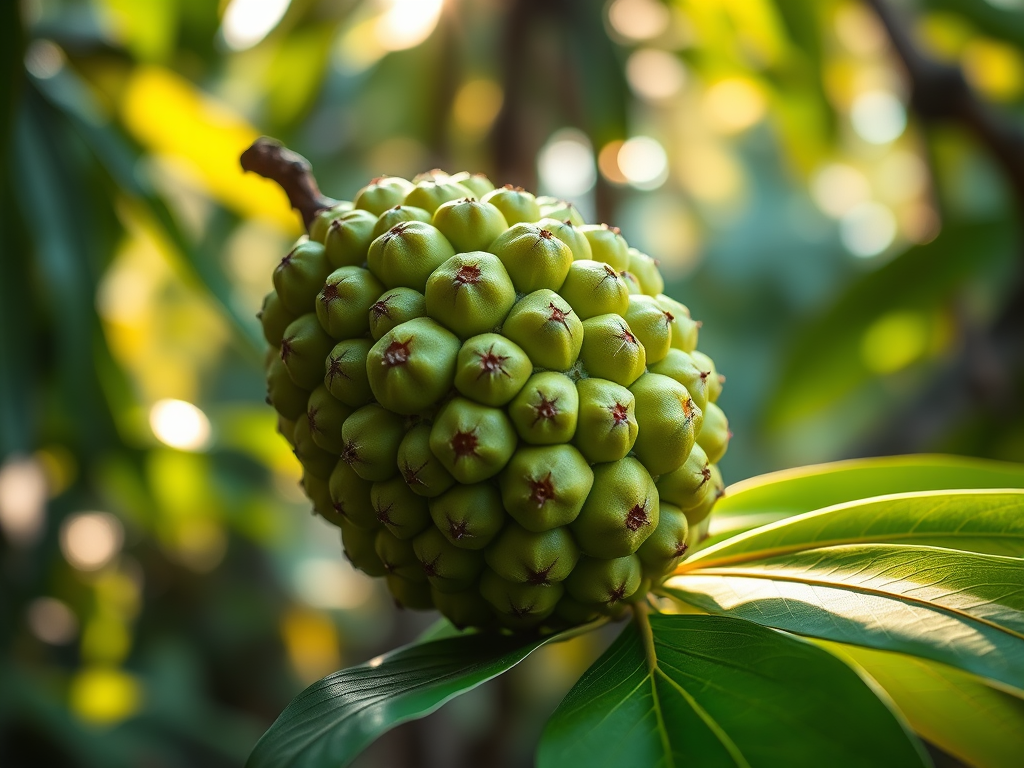
🌿 Mountain Soursop (Annona montana) is a lesser-known cousin of the popular soursop (Annona muricata), and it’s got a fascinating story rooted in tropical heritage, traditional medicine, and ecological resilience. Let’s break it down:
🌄 The name Mountain Soursop—scientifically Annona montana—is a poetic blend of Latin taxonomy and local tradition:
🧬 Scientific Naming Origins
- Genus: Annona From the Latin annona, meaning “foodstuff” or “provision,” referencing the fruit’s traditional use as nourishment across tropical cultures.
- Species: montana Derived from Latin montanus, meaning “of the mountains.” Interestingly, while the name suggests high-altitude growth, Mountain Soursop actually thrives mostly at low elevations (0–650 meters), making the name a bit of a botanical misnomer.
🌍 Common Names & Cultural Variants
This fruit has a rich tapestry of names across regions, reflecting its wild nature and local reverence:
| Language/Region | Common Names |
|---|---|
| English | Mountain Soursop, Wild Soursop, Fairchild’s Annona |
| Spanish (Caribbean) | Guanábana Cimarrona, Guanábana de Monte |
| Portuguese (Brazil) | Araticum, Araticunzeiro |
| French (Martinique) | Corossolier Bâtard, Kachiman Montan |
| Guarani | Araticu |
| Chinese | 山刺番荔枝 (Shan Ci Fan Li Zhi) |
| Japanese | ヤマトゲバンレイシ (Yama Toge Banreishi) |
These names often emphasize its wild, uncultivated nature—“cimarrona” in Spanish, for example, implies something untamed or feral.
🌍 Origins & Cultivation History
Native Range: South America, Central America, and the West Indies—including countries like Brazil, Colombia, Jamaica, and Suriname.
Altitude Preference: Despite its name, it typically grows at low to mid elevations (0–650 meters), thriving in warm, humid climates.
First Cultivated: While exact dates are elusive, it was likely cultivated by indigenous peoples of the Amazon and Caribbean long before European contact. Its use in traditional medicine and food suggests precolonial cultivation.
🌟 What It’s Known For
Resilience: More tolerant of poor soils and pests than its cousin, making it a hardy choice for tropical agroforestry.
Flavor Profile: The fruit is bitter to sour, not as sweet as common soursop, but still used in local beverages and preserves.
Mountain Soursop (Annona montana) is gaining traction among tropical fruit enthusiasts, and availability is expanding—though still niche. Here’s a breakdown of current sourcing options and regional viability:
🌱 Seed & Plant Availability
- Seeds Del Mundo offers Annona montana seeds with pineapple-like flavor notes and firm yellow flesh. Minimum order is 10 seeds, and they occasionally stock larger-fruited varieties.
- Tropical Fruit Forum recently listed high-quality seeds from Misiones, Argentina, with a special offer for U.S. buyers—$2.60 per seed for a limited time.
- CRISP Farms (New Orleans) has sprouted a sweet, cold-hardy strain called Guanabana do Tupi, sourced from Argentina. It’s available for $45 and praised for its resilience and flavor.
🌍 Growing Regions & Climate Suitability
- Native to Brazil, Central America, and parts of the Caribbean, Annona montana thrives in both flooded and dry environments, from sea level up to 1,800 meters.
- It’s more cold-hardy than traditional soursop (Annona muricata), tolerating brief dips to 24°F, making it viable in marginal climates like parts of California and the Gulf South.
🍈 Fruit Characteristics
- Smaller and rounder than soursop, with orange-yellow flesh and a pineapple-like taste.
- Used fresh, in smoothies, or desserts like puddings and ice creams. Leaves are often brewed into tea for their calming effects
Medicinal Powerhouse:
Revered for its anti-inflammatory, anti-parasitic, and anti-hyperglycemic properties.
🧪 Traditional & Modern Uses
| Part Used | Traditional Uses | Modern Interest |
|---|---|---|
| Fruit | Treats intestinal parasites, coughs, asthma, and fever | Used in juices, jams, and herbal tonics |
| Leaves | Brewed into teas for bronchitis, inflammation, and hypertension | Studied for anti-cancer and calming effects |
| Seeds & Bark | Remedies for diabetes, rheumatism, and headaches | Investigated for antiviral compounds |
| Roots | Used in decoctions for digestive and respiratory issues | Rarely used today, but part of folk medicine |
🌿 Cultural Significance
In Caribbean and South American communities, Mountain Soursop is often seen as a “wild healer”—a plant that grows freely and offers potent remedies without cultivation fuss.
Its name in various languages (e.g., Guanábana Cimarrona in Cuba, Araticú in Brazil) reflects its deep integration into local traditions.
Mountain Soursop (Annona montana) packs a surprising nutritional punch beneath its rugged exterior. Here’s a breakdown of its vitamin and nutrient profile per 1 cup (225g) of pulp:
🧬 Macronutrients
Calories: 148.5 kcal
Carbohydrates: 37.89 g
Sugars: 30.46 g
Dietary Fiber: 7.42 g
Protein: 2.25 g
Fat: 0.68 g (mostly unsaturated)
💎 Minerals
| Mineral | Amount (mg) |
|---|---|
| Potassium | 625.5 |
| Magnesium | 47.25 |
| Phosphorus | 60.75 |
| Calcium | 31.5 |
| Iron | 1.35 |
| Sodium | 31.5 |
| Zinc | 0.22 |
| Copper | 0.19 |
| Selenium | 1.35 µg |
🌿 Vitamins
| Vitamin | Amount |
|---|---|
| Vitamin C | 46.35 mg – immune booster & antioxidant |
| Vitamin B1 (Thiamin) | 0.16 mg – energy metabolism |
| Vitamin B2 (Riboflavin) | 0.11 mg – cellular function |
| Niacin (B3) | 2.02 mg – supports skin & nerves |
| Pantothenic Acid (B5) | 0.57 mg – hormone synthesis |
| Vitamin B6 | 0.13 mg – brain health |
| Vitamin A | 4.5 IU – vision & immunity |
| Vitamin E | 0.18 mg – antioxidant |
| Vitamin K | 0.9 µg – blood clotting |
| Vitamin B12 | 0 µg – not present |
🌟 Nutritional Highlights
High in Vitamin C: Excellent for immune support and collagen production.
Rich in Potassium: Aids in heart health and muscle function.
Fiber Dense: Supports digestion and blood sugar regulation.
Low in Fat & Cholesterol: Heart-friendly and weight-conscious.
Here’s a delicious and culturally rooted Mountain Soursop Juice Milk Drink recipe—perfect for your healthy living archive, Brinder. This version blends tropical tradition with creamy indulgence, ideal for ceremonial refreshment or a branded wellness twist:
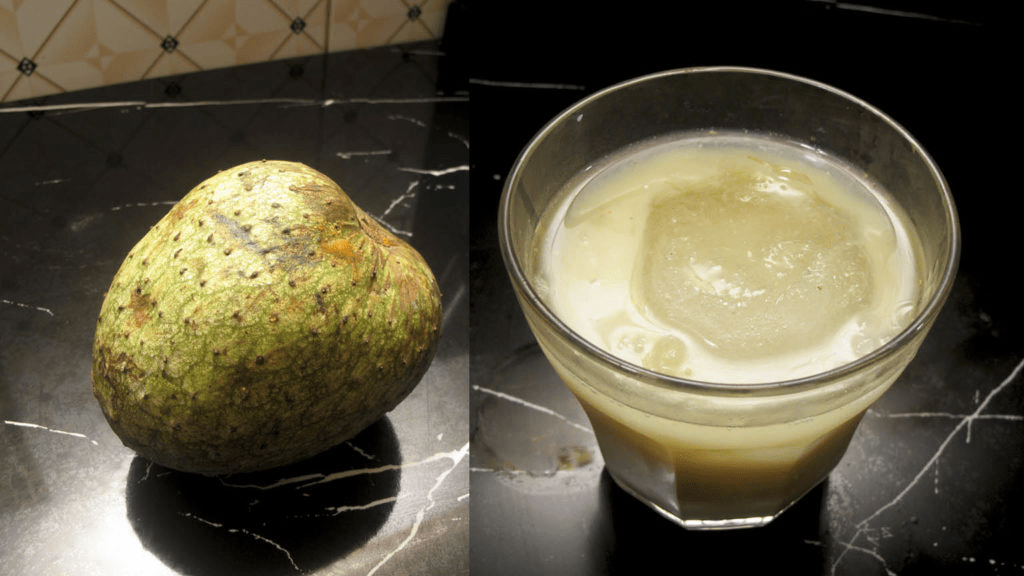
🥥 Mountain Soursop Juice Milk Drink
Servings: 4 | Prep Time: 10 mins | Difficulty: Easy1 large ripe Mountain Soursop Full Recipe
Optional: 1 tsp Jamaican white rum (for ceremonial flair)
🍃 Ceremonial Flair: Mountain Soursop Ritual Drink
“Spirit of the Mountain” Elixir
🌺 Ceremonial Context
Occasion: Offered during seasonal transitions, ancestral remembrance, or post-harvest gratitude rituals.
Setting: Outdoor altar or shaded veranda, surrounded by tropical leaves, river stones, and incense made from native bark.
Intention: To cleanse the body, awaken intuition, and honor the wild wisdom of uncultivated fruits.
🧉 Ritual Recipe
Base: Mountain Soursop pulp, strained and chilled
Infusions:
🌿 Lemongrass or guava leaf tea for grounding
🍯 Raw honey stirred with clockwise motion for sweetness and intention
🧂 Pinch of sea salt to honor earth and balance
Ceremonial Additions:
🍶 White rum (¼ tsp) as a libation offering—optional, symbolic
🍋 Fresh lime juice squeezed at sunrise
🌼 Edible flower garnish (e.g., hibiscus or marigold)
🔮 Serving Ritual
Pour into clay or coconut-shell cups.
Circle the cup three times over the heart before drinking.
Sip slowly while barefoot, facing east.
Offer a drop to the soil as a gesture of reciprocity.
🛡️ Symbolism & Safety
Mountain Soursop represents resilience, wild healing, and untamed nourishment.
Always include allergen disclaimers: Annona species may trigger latex sensitivities.
Use ethically sourced ingredients and avoid overharvesting wild fruit.
Mountain Soursop (Annona montana) is a wild tropical powerhouse with a rich legacy of healing. Here’s a curated list of its science-backed and traditional health benefits, perfect for your archive or a branded infographic:
🌿 Health Benefits of Mountain Soursop
🛡️ Immune & Antioxidant Support
- High in Vitamin C: Boosts immunity and helps fight infections
- Rich in antioxidants: Protects cells from oxidative stress and free radical damage
💓 Cardiovascular Health
- Potassium-rich: Supports heart rhythm and blood pressure regulation
- Dietary fiber: Helps lower cholesterol and stabilize blood sugar
🔥 Anti-inflammatory & Pain Relief
- Anti-inflammatory compounds: May reduce symptoms of arthritis, bronchitis, and asthma
- Traditional use for headaches and fever: Leaves and bark used in decoctions
🧠 Mental & Neurological Support
- Sedative properties: Leaf infusions promote calm and sleep
- Antidepressant effects: Used in folk medicine for mood support
🧬 Anti-cancer Potential
- Annonacin: A compound studied for its ability to kill multi-drug resistant cancer cells (especially in bark and leaves)
- Antiviral and anti-parasitic: Effective against intestinal worms and infections
🩺 Metabolic & Digestive Health
- Anti-hyperglycemic: May help regulate blood sugar—useful for diabetes management
- Digestive aid: Traditional remedy for ulcers and gut inflammation
⚠️ Mountain Soursop: Precautions & Safety
🧠 Neurological Risks
- Contains annonacin, a compound linked to atypical Parkinsonism and other neurodegenerative conditions when consumed in excess.
- Risk is highest with frequent use of seeds, bark, and leaves—especially in teas or extracts.
🚫 Parts to Avoid
| Plant Part | Risk Level | Notes |
|---|---|---|
| Seeds | ❌ High | Neurotoxic; discard before consumption |
| Leaves | ⚠️ Moderate | Avoid during pregnancy and in children |
| Bark & Roots | ⚠️ Moderate | Use only under guidance; may contain potent bioactives |
| Fruit Pulp | ✅ Safe | Edible in moderation; avoid overconsumption |
💊 Medication Interactions
- May lower blood pressure and blood sugar, so use cautiously if taking antihypertensive or diabetic medications.
- Can interfere with nutrient absorption due to antinutrients like tannins and oxalates.
👶 Sensitive Populations
Pregnant or breastfeeding individuals: Avoid leaf teas and concentrated extracts.
Children: Do not administer leaf-based remedies or seed infusions.
🧪 Usage Guidelines
Moderation is key: Enjoy fruit pulp occasionally, not daily.
Avoid long-term use of leaf teas or bark decoctions.
Always strain seeds from juice or pulp preparations.
🌿 Traditional Practices Surrounding Mountain Soursop
🧪 Medicinal Rituals & Remedies
Decoctions & Infusions: Leaves, bark, and seeds were brewed into teas or decoctions to treat:
Intestinal parasites
Asthma and bronchitis
Inflammation and fever
Diabetes and hypertension
Sedative Ceremonies: Evening infusions of leaves were used to calm the nerves and promote sleep, often as part of pre-bedtime rituals.
Pain Relief for Pregnancy: In some communities, leaf infusions were used to ease discomfort during pregnancy.
Cultural & Ceremonial Significance
Symbol of Prosperity: In indigenous and Afro-Caribbean traditions, Mountain Soursop was seen as a symbol of health and abundance, often featured in harvest festivals and healing circles.
Oral Traditions: Knowledge of its healing properties was passed down through elders, often accompanied by storytelling and seasonal rituals.
Respectful Harvesting: Ceremonies were sometimes held during harvest to honor the plant’s spirit and express gratitude for its medicinal gifts.
🍵 Culinary Traditions
Medicinal Juices: In Jamaica and other Caribbean regions, Mountain Soursop is blended into milk-based drinks with nutmeg and vanilla—used both for refreshment and immune support.
Cooked as Vegetable: Immature fruits were boiled in soups or stews, especially when seeds were still soft.
⚠️ Spiritual & Safety Practices
Use with Caution: Traditional healers recognized the potency of annonacin (a neurotoxin found in seeds and bark), and advised moderation or avoidance of certain parts.
Ritual Pairing: Often paired with grounding herbs or cooling foods to balance its energetic effects.
🌺 Closing Reflections: Mountain Soursop, the Wild Healer
Mountain Soursop (Annona montana) is more than a fruit—it’s a symbol of resilience, ritual, and untamed nourishment. From its bitter-sweet pulp to its ceremonial infusions, it carries the legacy of communities who understood healing as both science and spirit.
Whether sipped in a milk-based elixir, offered in ancestral rites, or studied for its potent bioactives, this fruit invites us to slow down, listen to tradition, and consume with intention.
Let this post be part of EJADA’s living archive—where every fruit tells a story, every recipe honors a ritual, and every disclaimer protects the journey.
🛡️ Wild Healer: Use with Care
This fruit is traditionally revered for its healing properties. However, certain parts of the plant may pose neurological risks if consumed frequently or in high doses. Always consult a qualified health practitioner before using Mountain Soursop medicinally. Not recommended for pregnant individuals, children, or those with neurological conditions.
Use responsibly. Honor the fruit, honor the body
 EJADA
EJADA 
Leave a comment