
🍒 Ancient Fruit, Modern Magic
Wrapped in a delicate husk like nature’s own gift wrap, the Mexican Ground Cherry (Physalis ixocarpa) is a sweet-tart treasure with roots deep in Mesoamerican tradition. Revered by the Aztecs and still beloved in Mexican home gardens, this golden orb is more than a fruit—it’s a story of resilience, ritual, and radiant flavor.
🕰️ Origins & Discovery
The Mexican Ground Cherry—also known as Physalis philadelphica or tomatillo—was first domesticated by the Aztecs around 800 BCE in central Mexico. It became a staple crop for both the Aztec and Mayan civilizations, prized for its tart flavor and medicinal properties. With the Spanish conquest in the 1500s, the plant was introduced to Europe, though it never gained the same popularity as its cousin, the tomato.
Fast-forward to modern science: fossilized Physalis fruits discovered in Patagonia, Argentina, dated to 52 million years ago, revealed that the nightshade family (which includes ground cherries) is far older than previously believed. That’s ancient fruit wisdom in action.
🧰 Traditional & Modern Uses
Mexican Ground Cherries are as versatile as they are vibrant. Here’s how they’ve been used across time:
🍽️ Culinary
Salsas: The backbone of salsa verde, roasted with chilies and garlic.
Preserves: Transformed into jams, chutneys, and compotes.
Baking: Used in crisps, pies, and muffins for a tropical-tart twist.
Raw snacking: Peeled and eaten straight—kids love them!
🔥 Flavor Matrix: Where Sweet Meets Smoky
🔥 Flavor Matrix: Where Sweet Meets Smoky
| Profile | Notes | Pairings |
|---|---|---|
| Sweet | Honeyed, tropical | Yogurt, granola, fruit tarts |
| Tart | Citrus-like zing | Salsas, ceviche, chutneys |
| Earthy | Slightly smoky undertone | Roasted meats, mole sauces |
| Juicy | Bursting texture | Smoothies, jams, cocktails |
🧑🍳 Ceremonial Recipe: “Solstice Salsa”
Ingredients:
- 1 cup Mexican ground cherries (husked)
- 1 roasted jalapeño
- ½ red onion, finely chopped
- Juice of 1 lime
- Pinch of sea salt
- Handful of cilantro
Ritual: Traditionally prepared during summer solstice gatherings to honor the sun’s golden bounty. Serve with grilled corn or fresh tortillas.
🛡️ Safety & Allergen Note
Mexican ground cherries are part of the Solanaceae family, also known as the nightshade family. Always consume ripe fruit only—unripe ones may contain solanine. If you have sensitivities to tomatoes or eggplants, consult a health professional before indulging.
🪶 Cultural Echoes
From Nahuatl chants to backyard harvests, this fruit carries the rhythm of generations. In rural Mexican communities, it’s often gifted during festivals as a symbol of abundance and joy. Its husk? A metaphor for protection and patience.
🏵️ Golden Rituals
Honoring fruits that bridge ancient wisdom and modern wellness
In every husk, peel, and seed lies a story—one of survival, celebration, and sacred nourishment. Golden Rituals is EJADA’s tribute to fruits that have journeyed through centuries of cultivation, ceremony, and healing, now reimagined for the conscious modern lifestyle.
🌿 What Defines a Golden Ritual Fruit?
Cultural Legacy: Rooted in indigenous traditions, folklore, and seasonal rites
Healing Power: Used in herbal medicine, spiritual cleansing, or ancestral diets
Modern Vitality: Rich in antioxidants, vitamins, and adaptogenic qualities
Sensory Brilliance: Bold flavors, vibrant colors, and unique textures that awaken the palate and the spirit
✨ Why It Matters
Golden Rituals aren’t just about eating well—they’re about living well. These fruits invite us to slow down, reconnect with the land, and honor the wisdom of those who came before us. Whether it’s a solstice salsa, a ceremonial jam, or a mindful harvest, each bite becomes a ritual of remembrance and renewal.
🧪 Medicinal & Nutritional Power of the Mexican Ground Cherry
- Rich in vitamin C, niacin, and dietary fiber
- Traditionally used in herbal remedies for inflammation and digestion
- Contains cryptoxanthin, a powerful antioxidant
From sacred gardens to superfood status
🌿 Ancient Healing Wisdom
In pre-Columbian Mexico, Physalis species were used in traditional medicine to:
Soothe inflammation: Crushed husks and leaves applied to swollen joints
Aid digestion: Decoctions brewed to relieve bloating and stomach discomfort
Treat respiratory issues: Infusions used for coughs and chest congestion
Spiritual cleansing: Incorporated into herbal baths and smoke rituals to ward off negative energy
These practices were often guided by curanderos (healers) who saw the fruit’s golden hue as symbolic of solar energy and vitality.
🧬 Modern Nutritional Breakdown
| Nutrient | Benefit |
|---|---|
| Vitamin C | Boosts immunity, supports collagen |
| Niacin (B3) | Aids metabolism, improves circulation |
| Fiber | Supports gut health, regulates blood sugar |
| Cryptoxanthin | Antioxidant linked to reduced inflammation |
| Potassium | Balances fluids, supports heart health |
| Low Glycemic Index | Ideal for blood sugar management |
Fun Fact: Cryptoxanthin is a carotenoid also found in papaya and pumpkin—known for its anti-inflammatory and anti-cancer properties.
⚖️ Functional Wellness Uses
Anti-inflammatory diets: Adds a tart-sweet punch to arthritis-friendly meals
Detox smoothies: Blended with greens and citrus for liver support
Post-workout recovery: Replenishes electrolytes and antioxidants
Mood & energy: Niacin and vitamin C help combat fatigue and stress
🛡️ Safety Reminder
As a member of the nightshade family, Mexican ground cherries should be consumed only when fully ripe. Unripe fruits may contain solanine, a compound that can cause nausea or digestive upset. Always remove the husk and wash thoroughly before use. If you have sensitivities to tomatoes, eggplants, or peppers, consult a healthcare provider before adding this fruit to your diet.
⚠️ Who Should Avoid Mexican Ground Cherry
Safety First: Know Before You Glow
While ripe Mexican Ground Cherries (Physalis philadelphica) are generally safe and nutritious, certain individuals should exercise caution—or avoid them altogether:
🚫 Not Recommended For:
Children under 5 Their digestive systems are more sensitive to solanine, a natural toxin found in unripe fruit and leaves.
Pregnant or breastfeeding individuals Due to limited research on solanine exposure during pregnancy, it’s best to consult a healthcare provider before consuming.
People with nightshade sensitivities or allergies Includes those sensitive to tomatoes, eggplants, peppers, or potatoes. Symptoms may include nausea, joint pain, or skin reactions.
Individuals with autoimmune conditions Some protocols (like AIP diets) recommend avoiding nightshades due to potential inflammatory effects.
Anyone consuming unripe or wild-foraged fruit Unripe ground cherries contain solanine and solanidine, which can cause nausea, diarrhea, and stomach cramps. Always ensure the fruit is golden-yellow and fully ripe.
✅ Safe Consumption Tips
Only eat fully ripe fruit—never green or shriveled ones
Remove husks and wash thoroughly
Start with small amounts if you’re new to nightshades
Stick to store-bought or cultivated varieties to avoid toxic lookalikes like Horse Nettles
🧑🎨 Creative
Dipped in chocolate for gourmet treats
Added to salads with roasted beets and goat cheese
Infused into cocktails or fermented into wine
🎨 Creative Alchemy with Mexican Ground Cherry
The Mexican Ground Cherry isn’t just a fruit—it’s a canvas. Its golden hue, papery husk, and tart-sweet burst invite creators to reimagine it across culinary, visual, and ceremonial domains.
🍫 Gourmet Twists
Chocolate-dipped jewels: Husked and dipped in dark cacao, then dusted with chili-lime salt for a fiery finish
Golden tartlets: Nestled in almond crusts with honey drizzle and edible flowers
Physalis confit: Slow-cooked in agave syrup and saffron for a luxurious topping on panna cotta or yogurt
🍹 Mixology & Fermentation
Sunburst cocktails: Muddled with mezcal, lime, and smoked paprika for a smoky-sweet sip
Golden shrub: Fermented with apple cider vinegar and cinnamon—perfect for gut-friendly mocktails
Physalis wine: A rare, golden-hued wine made from fermented ground cherries, often served in indigenous ceremonies
🖼️ Visual & Ritual Design
Husk lanterns: Dried husks strung into garlands for solstice altars or garden parties
Fruit mandalas: Used in ceremonial food art to honor abundance and seasonal change
Badge overlays: Stylized ground cherry motifs for EJADA’s “Golden Rituals” series—symbolizing protection, patience, and solar energy
🧑🍳 Cultural Fusion Recipes
Physalis mole drizzle: Blended into traditional mole for a tart counterpoint
Ground cherry tamarind glaze: Brushed over roasted vegetables or grilled fish
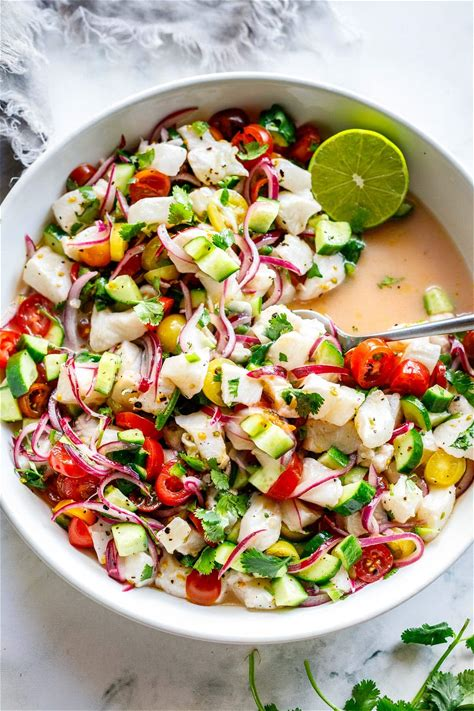
Physalis & prickly pear ceviche: A vibrant, cross-cultural dish that bridges desert and garden
✅ Safe When Prepared Correctly
Ceviche relies on acidic citrus juice (like lime or lemon) to denature proteins in raw ingredients, mimicking cooking. However, this process does not kill all parasites or bacteria, especially in fish or wild fruits2.
🧪 Safety Checklist for This Recipe
1. Use Ripe, Clean Ingredients
- Physalis (Mexican Ground Cherry): Only use fully ripe, golden-yellow fruit. Unripe ones may contain solanine, a natural toxin.
- Prickly Pear: Remove all glochids (tiny spines) using tongs and a vegetable brush. Wash thoroughly under cold water.
2. Avoid Raw Fish Unless Sushi-Grade
If you’re adding seafood:
Use sushi-grade saltwater fish (like tuna or snapper)
Avoid freshwater fish unless it’s been deep-frozen at −4°F for at least 7 days to kill parasites
3. Skip for Vulnerable Groups
Avoid serving to:
Pregnant or breastfeeding individuals
Children under 5
Immunocompromised individuals
Anyone with nightshade sensitivities
🛡️ Safer Alternatives
- Vegetarian ceviche: Skip the fish and use avocado, cucumber, and mango with your Physalis and prickly pear
- Cooked ceviche: Lightly poach seafood before marinating
📚 Referenced & Supporting Resources
🧬 Safety & Toxicity
Are Ground Cherries Safe to Eat? – From Hunger to Hope Explores the edibility of ground cherries, solanine risks, and preparation tips.
Gardening Alert: Are Ground Cherries Poisonous? – Green Packs Offers insights into toxicity concerns and how to identify safe, ripe fruit.
🍽️ Culinary Inspiration
Physalis & Prickly Pear Ceviche Recipe – Bing Image Search Visual inspiration for plating and ingredient pairing in creative ceviche dishes.
🧠 Historical & Botanical Context
Fossil discovery of ancient Physalis in Patagonia (52 million years ago) Referenced in scientific literature—consider linking to a peer-reviewed article or museum archive for credibility.
Aztec and Mayan cultivation of Physalis philadelphica Commonly cited in ethnobotanical studies and indigenous food history texts.
🌿✨ Final Bite: The Garden’s Hidden Gold
From ancient Aztec rituals to modern-day ceviche bowls, the Mexican Ground Cherry isn’t just a fruit—it’s a story wrapped in a lantern.
Whether you’re savoring its sun-kissed sweetness or planting seeds of tradition in your own backyard, this golden gem invites you to taste history, honor heritage, and celebrate the wild wisdom of nature.
 EJADA
EJADA 
Leave a comment