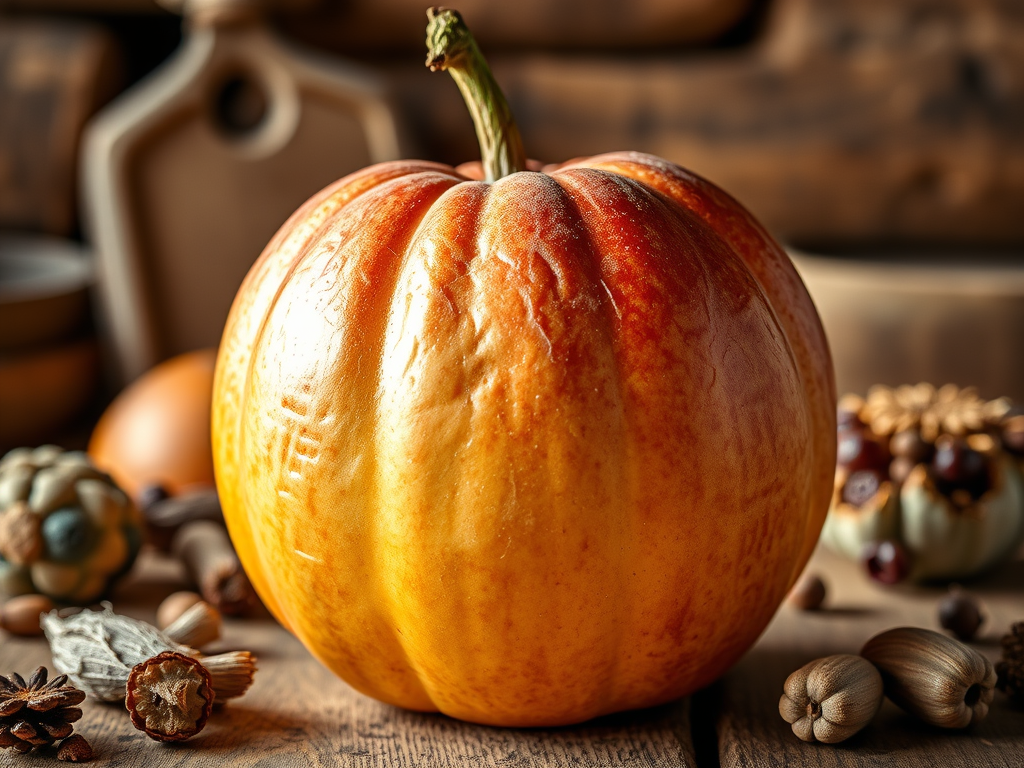
Before apples got all the spotlight, there was the Medlar—an ancient fruit with a wild sense of humor and a surprisingly rich history. Think of it as the rebellious cousin of the rose family, puckering up with flavor only after it’s been “bletted” (aka softened to near mush). Sounds weird? That’s part of its charm.
🌱 Cultivated by Kings and Commoners
The Medlar (Mespilus germanica) was first cultivated over 3,000 years ago in the region of ancient Persia and the Caucasus. It made its way to Greece and Rome, where it was adored for its unique taste and medicinal punch. By the Middle Ages, it was a staple in European gardens—especially in England, where it earned cheeky nicknames like “open-arse” fruit (yes, really).
🧪 Medicine Then: A Fruit with Bite
Back in the day, Medlar was more than a snack—it was a remedy. Healers used it to:
Treat digestive issues and diarrhea
Ease menstrual cramps
Act as a mild sedative
Soothe sore throats and coughs
Its tannin-rich pulp and natural acids made it a go-to for balancing the body’s humors (the medieval version of wellness).
🏛️ Medlar in Greece & Rome: From Myth to Medicine
Long before it became a medieval curiosity, the Medlar (Mespilus germanica) was a botanical darling of the ancient world. In Greece and Rome, it wasn’t just a fruit—it was a symbol, a remedy, and a ritual.
In Ancient Greece: A Fruit of Philosophy and Healing
Cultivated in the Hellenistic era, the Medlar was prized for its ability to ripen off the tree—a metaphor for wisdom and patience in philosophical texts.
Greek physicians, influenced by Hippocrates, used Medlar pulp and decoctions to treat intestinal distress, inflammation, and fevers.
It was often paired with honey or wine in medicinal preparations, aligning with the Greek belief in balancing the four humors.
In Ancient Rome: From Apothecary to Army
The Romans adopted Greek medical practices wholesale, and Medlar featured in the materia medica—the catalog of healing plants used by Roman physicians.
Dioscorides, a Roman army physician, documented Medlar’s use for diarrhea, mouth ulcers, and wound healing.
Medlar was also used in military hospitals (valetudinaria), where its tannins helped disinfect wounds and soothe digestive issues.
Pliny the Elder praised its astringent qualities and recommended it for stomach ailments and sore throats, often in dried or fermented form.
🐍 Ritual Roots
The cult of Aesculapius, the Roman adaptation of the Greek healing god Asclepius, included fruit offerings—and Medlar, with its odd ripening and potent pulp, was a favorite for symbolic healing.
Shrines and healing spas often featured Medlar trees as part of their sacred gardens, believed to ward off illness and invite longevity.
🔮 Medlar Rituals: Ripening, Reverence, and Rebellion
The Medlar isn’t just a fruit—it’s a ritual in itself. From ancient shrines to medieval hearths, this oddball pome has inspired ceremonies of patience, healing, and transformation.
🍂 The Ritual of Bletting: A Fruit in Limbo
Before it’s edible, the Medlar must be bletted—left to soften and decay until its flesh turns sweet and spreadable. This slow ripening became a metaphor for:
Transformation through time: Symbolizing wisdom, aging, and the beauty of imperfection.
Seasonal rites: Medlars were often harvested late in autumn and bletted through winter, aligning with solstice rituals and end-of-year reflection.
Offerings to deities: In Roman healing shrines, bletted Medlars were placed as tokens of surrender and renewal.
🏺 Healing Shrines & Herbal Ceremonies
In Roman valetudinaria (military hospitals), Medlar pulp was used in wound salves and digestive tonics—often prepared with wine and herbs in ceremonial fashion.
Shrines to Aesculapius, the Roman god of healing, featured Medlar trees in sacred groves. Their fruit was believed to ward off illness and invite longevity.
In medieval Europe, Medlar was incorporated into herbal brews and poultices, often during moonlit gatherings or seasonal transitions.
🧙 Folklore & Symbolism
Medlar was seen as a trickster fruit—ugly when ripe, delicious when decayed. This paradox made it a favorite in tales of transformation and hidden wisdom.
In literature, it symbolized moral ambiguity and ripening desire—appearing in works by Shakespeare, Chaucer, and Cervantes.
Some traditions used Medlar in divination rituals, where the fruit’s ripening state was read as a sign of personal growth or unresolved tension.
🔮 Medlar Rituals: Ripening, Reverence, and Rebellion
The Medlar isn’t just a fruit—it’s a ritual in itself. From ancient shrines to medieval hearths, this oddball pome has inspired ceremonies of patience, healing, and transformation.
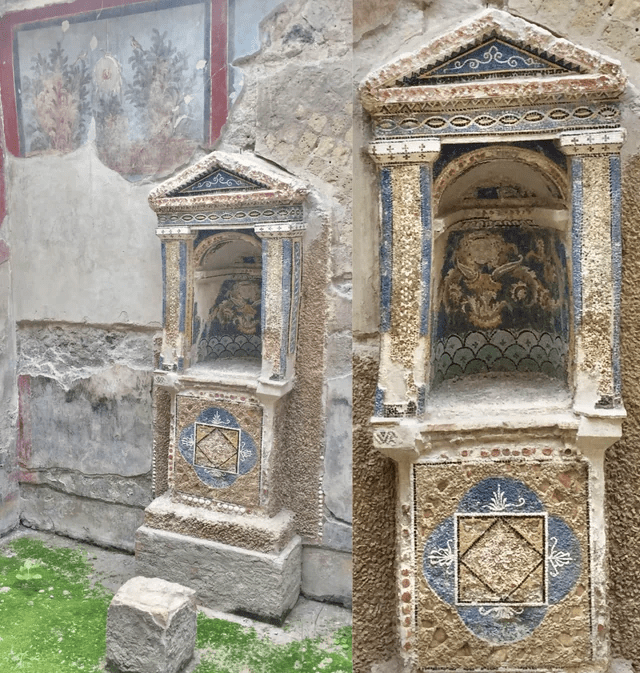
a shrine to the household gods, in the House of the Skeleton at Herculaneum, circa early 1st century CE. The dining room looked out into this open-air courtyard, where small sacrifices of food or wine would be left in order to protect the ancestors and property of the family.
🍂 The Ritual of Bletting: A Fruit in Limbo
Before it’s edible, the Medlar must be bletted—left to soften and decay until its flesh turns sweet and spreadable. This slow ripening became a metaphor for:
- Transformation through time: Symbolizing wisdom, aging, and the beauty of imperfection.
- Seasonal rites: Medlars were often harvested late in autumn and bletted through winter, aligning with solstice rituals and end-of-year reflection.
- Offerings to deities: In Roman healing shrines, bletted Medlars were placed as tokens of surrender and renewal2.
🏺 Healing Shrines & Herbal Ceremonies
In Roman valetudinaria (military hospitals), Medlar pulp was used in wound salves and digestive tonics—often prepared with wine and herbs in ceremonial fashion.
Shrines to Aesculapius, the Roman god of healing, featured Medlar trees in sacred groves. Their fruit was believed to ward off illness and invite longevity.
In medieval Europe, Medlar was incorporated into herbal brews and poultices, often during moonlit gatherings or seasonal transitions.
🍷 Ceremonial Foods & Drinks Featuring Medlar
🥣 Medlar Cheese (Jelly)
- A firm, sliceable jelly made from bletted Medlar pulp, sugar, and lemon juice.
- Traditionally served with game meats or on winter solstice tables as a symbol of seasonal transition.
- Its rich, spiced apple flavor made it a favorite for holiday feasts and reflective gatherings.
🍷 Mispelchen (Medlar Brandy Ritual Drink)
- A German specialty: preserved Medlar fruit served in a shot of Calvados (apple brandy).
- Often enjoyed in pubs during winter, it’s a ritual of warmth and digestion, perfect after heavy meals.
- Some families soak Medlars in brandy for six weeks or more, then serve them ceremonially at year’s end.
🍵 Medlar Infusion or Tonic
- Crushed bletted Medlars steeped in boiling water, cooled, and sipped as a digestive and immune-boosting drink.
- Historically used in herbal medicine to treat kidney conditions, menstrual flow, and memory.
- Can be modernized with ginger, lemon, and honey for a seasonal wellness brew.
🧬 Medlar Nutritional Values (per 100g serving)
| Nutrient | Amount | Benefits |
|---|---|---|
| Calories | 88 kcal | Moderate energy, great for light snacking |
| Carbohydrates | 10.6 g | Natural sugars for quick energy |
| Protein | 0.5 g | Minimal, but contributes to amino acid intake |
| Fat | 0.1 g | Very low, heart-friendly |
| Dietary Fiber | 1.3 g | Aids digestion, supports gut health |
| Iron | 15% DV | Boosts oxygen transport, combats fatigue |
| Calcium | 4.1% DV | Supports bone health |
| Vitamin B1 (Thiamine) | 5% DV | Helps convert food into energy |
| Vitamin C | High | Strengthens immunity, antioxidant properties |
| Potassium, Magnesium | Present | Regulates blood pressure, muscle function |
🌿 Phytochemicals & Functional Compounds
- Tannins: Astringent, antimicrobial, and digestive support
- Monoterpenes & Organic Acids: Anti-inflammatory and flavor-enhancing
- Amino Acids: Especially glutamate and aspartate in ripe fruit
- Antioxidants: Help neutralize free radicals and reduce oxidative stress
🧙 Folklore & Symbolism
Medlar was seen as a trickster fruit—ugly when ripe, delicious when decayed. This paradox made it a favorite in tales of transformation and hidden wisdom.
In literature, it symbolized moral ambiguity and ripening desire—appearing in works by Shakespeare, Chaucer, and Cervantes.
Some traditions used Medlar in divination rituals, where the fruit’s ripening state was read as a sign of personal growth or unresolved tension.
💊 Medicine Now: A Quiet Powerhouse
Today, Medlar is making a quiet comeback in herbal circles. Modern studies highlight its:
- Antioxidant properties that fight free radicals
- Anti-inflammatory effects for joint and gut health
- Mild antimicrobial action that supports immunity
Plus, it’s packed with vitamin C, potassium, and fiber—making it a rustic little superfruit in disguise.
🧬 Medlar Today: The Ancient Fruit with Modern Superpowers
Once a medieval remedy, now a rising star in phytotherapy—Medlar (Mespilus germanica) is quietly reclaiming its place in the wellness world. Modern research is catching up to what ancient healers already knew: this fruit is packed with bioactive brilliance.
🔬 What Science Says
Recent studies have uncovered a treasure trove of health-promoting compounds in Medlar:
- Phenolic acids & flavonoids: These antioxidants help neutralize free radicals, reducing the risk of chronic diseases like cancer, heart disease, and diabetes.
- Vitamin C & polyphenols: Boost immune function and protect cells from oxidative stress.
- Pectin & dietary fiber: Support gut health, regulate blood sugar, and promote satiety.
- Organic acids & carotenoids: Contribute to anti-inflammatory and antimicrobial effects.
🧪 Biological Properties Identified
Medlar’s leaves, bark, and even bud flowers have shown:
- Antimicrobial activity: Effective against certain bacteria and fungi.
- Cytotoxic effects: Potential in cancer research, though still early-stage.
- Neuroprotective potential: Suggested benefits for cognitive health.
- Anti-diabetic properties: Due to its ability to modulate glucose metabolism.
⚠️ The Catch?
Despite its promise, clinical studies are still scarce, and Medlar remains underutilized in mainstream medicine3. But its growing popularity in herbal circles and functional foods suggests a renaissance is underway.
🍮 Recipe: Medlar Fruit Butter
A silky, spiced spread perfect for toast, porridge, or ceremonial platters.
🌿 Ingredients
- 2 kg bletted Medlar fruit (soft, wrinkled, and brown inside)
- 750 ml water
- 200 g soft brown sugar (or demerara for deeper flavor)
- Optional: pinch of cinnamon, clove, or star anise powder
🧑🍳 Instructions
- Prep the Fruit: Remove skins from bletted Medlars. Discard seeds.
- Simmer: Place fruit and water in a saucepan. Bring to a boil, then simmer for 15 minutes.
- Strain: Push the mixture through a colander to remove any remaining solids.
- Sweeten & Thicken: Return pulp to pan, add sugar, and stir over medium heat until thick and glossy.
- Jar It: Pour into sterilized jars. Seal and store in a cool, dark place or refrigerate.
🧭 Flavor Profile: Like stewed apples with hints of date, cinnamon, and citrus. Rich, earthy, and perfect for autumn rituals.
📅 Medlar Fruit Availability
| Region | Season | Notes |
|---|---|---|
| Northern Hemisphere | Late September – November | Requires bletting (2–4 weeks post-harvest) |
| Europe & U.S. | Fall through early winter | Specialty growers, farmers markets, or online |
| Hardy Zones | USDA Zones 5–9 | Trees tolerate frost and partial shade3 |
🌬️ Tip:
A few touches of frost help trigger the bletting process. Medlars are best when soft, wrinkled, and aromatic.
⚠️ Precaution & Disclaimer
While Medlar is celebrated for its unique flavor and ceremonial uses, please note:
- Seed Safety: Medlar seeds contain trace amounts of cyanogenic compounds (similar to apple seeds). Always remove seeds before cooking or consuming.
- Bletting Required: Unripe Medlars are astringent and may cause digestive discomfort. Only consume fully bletted (soft and brown) fruit.
- Allergen Awareness: Individuals with sensitivities to pome fruits (like apples or pears) should consult a healthcare provider before trying Medlar.
🧘♀️ Disclaimer:
This content is intended for educational and cultural storytelling purposes only. It does not constitute medical advice. Always consult a qualified professional before introducing new foods into your diet, especially if you have known allergies, health conditions, or dietary restrictions.
 EJADA
EJADA 
Leave a comment