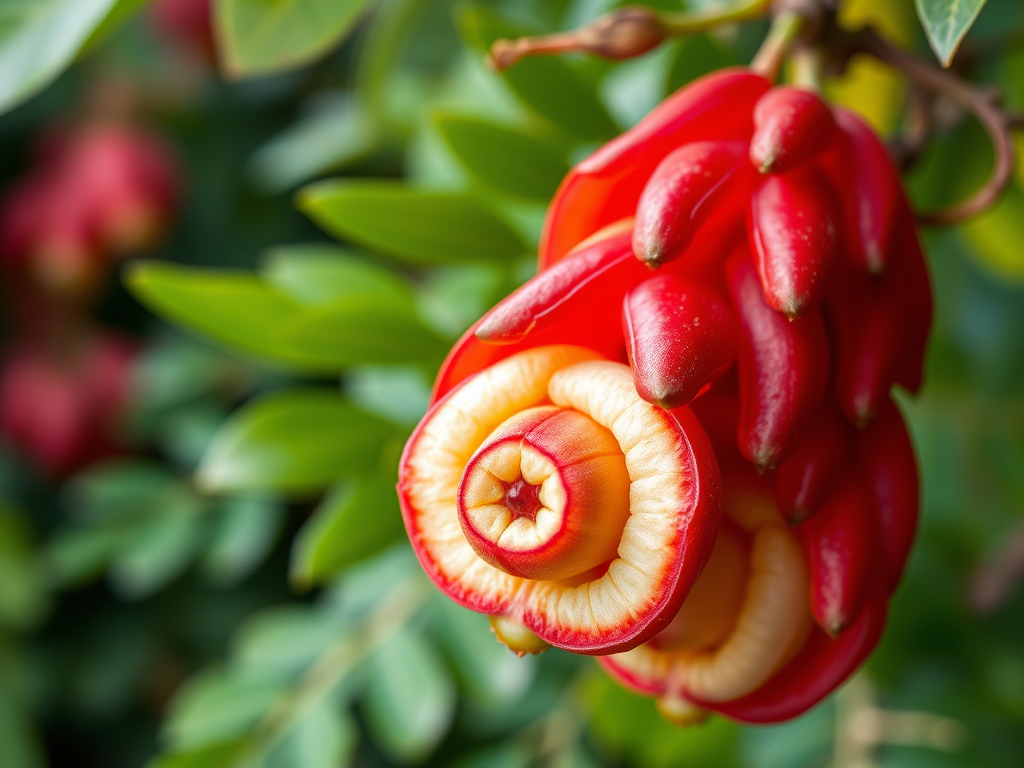
🍃—the Manila Tamarind, also known as camachile, jungle jalebi, or opiuma depending on the region. Despite its misleading name, it’s not related to the true tamarind but belongs to the pea family Fabaceae. Let’s unwrap its hidden values and cultural depth:
🌺 Manila Tamarind (Pithecellobium dulce): The Spiraled Wonder
🍬 Flavor Profile & Culinary Uses
- Taste: Sweet, tangy, musky, and slightly acidic. Red-fleshed pods are sweeter; white ones may cause mild throat irritation.
- Texture: Doughy, chewy, wispy, and mildly grainy—melts on the tongue.
- Culinary Rituals:
- In Mexico, the pulp is blended into lemonade-like drinks with ginger or mint.
- In India, roasted seeds are added to curries and stir-fries.
- Used in desserts, chutneys, candies, and even pastries across tropical regions2.
🌿 Nutritional & Medicinal Matrix
| Nutrient | Amount per 100g | Health Benefit |
|---|---|---|
| Vitamin C | 133 mg (221% RDI) | Immune boost, antioxidant, scurvy prevention |
| Thiamine (B1) | 0.24 mg (16.6% RDI) | Energy metabolism, nerve function |
| Riboflavin (B2) | 0.10 mg (5.8% RDI) | Skin and eye health |
| Niacin (B3/B6) | 0.60 mg (3% RDI) | Supports digestion and circulation |
| Iron | 0.5 mg (2.7% RDI) | Blood oxygenation |
| Potassium | 222 mg (6.3% RDI) | Electrolyte balance, heart health |
| Fiber | 1.2% | Digestive support |
| Protein | 3% | Tissue repair and growth |
🧪 Bonus: Contains rare polyphenols like kaempferol and dulcitol, used in folk medicine for ulcers, dysentery, reproductive health, and skin repair2.
🧬 Ethnobotanical Wisdom
Indigenous Use: Mesoamerican cultures used bark and pulp for gum ailments, hemorrhages, and toothaches.
Pharmaceutical Interest: Modern medicine is exploring its bark, seeds, and leaves for anti-ulcer, anti-diabetic, and anti-inflammatory properties.
Ceremonial Potential: Its coiled pods and vibrant pulp make it a symbolic fruit for cyclical healing and feminine energy rituals.
🧊 Storage & Safety
While native fruits offer exceptional health benefits, their potency and perishability demand mindful handling. Traditional wisdom and modern science both emphasize the importance of proper storage, preparation, and consumption.
🧊 Storage Rituals & Techniques
Cool & Dry: Many indigenous fruits—like bael, marula, or ice cream bean—retain their nutrients best when stored in breathable containers away from direct sunlight.
Fermentation & Drying: Traditional methods like sun-drying (acerola, camu camu) or fermenting (noni, miracle fruit) not only preserve shelf life but enhance bioavailability and ritual value.
Ceremonial Storage: In some cultures, fruits are wrapped in leaves or stored in clay vessels to honor their sacredness and prevent spoilage.
⚠️ Safety Precautions
Allergen Awareness: Some native fruits contain latex-like compounds (jackfruit, soursop) or histamine triggers (durian, longan)—always test in small amounts and consult with a healthcare provider if sensitive.
Toxic Parts: Seeds of fruits like ackee, custard apple, and tamarind may contain toxic alkaloids or cyanogenic compounds—never consume unless traditionally prepared and verified safe.
Ripeness Matters: Unripe ackee, noni, or black sapote can cause nausea or toxicity. Traditional harvest timing and ripening rituals are key to safe consumption.
🧪 Modern Handling Tips
Refrigeration: For fruits with high moisture content (mamey, sapote, guava), refrigeration slows enzymatic breakdown but may dull flavor—wrap in paper towels to reduce condensation.
Freezing: Freeze pulp or juice of fruits like camu camu, maqui, or acerola in small batches to preserve antioxidants.
Labeling & Rotation: Always label with harvest or freeze date. Rotate stock to avoid spoilage and maintain potency.
🧘 Ethical & Ritual Considerations
Respect Indigenous Protocols: Some fruits are considered sacred and should not be commercialized or consumed outside ceremonial contexts without cultural consent.
Sustainable Sourcing: Choose suppliers who honor traditional harvesting methods and avoid overexploitation of wild
! The Manila Tamarind is a powerhouse of traditional healing and nutritional goodness. Here’s a breakdown of its health benefits, both scientifically supported and rooted in indigenous wisdom 🌿:
🌟 Health Benefits of Manila Tamarind
🧬 Nutritional Boost
Vitamin C (221% RDI): Strengthens immunity, fights oxidative stress, and supports collagen production.
Thiamine (B1 – 16.6% RDI): Enhances energy metabolism and nerve function.
Potassium (6.3% RDI): Regulates blood pressure and supports heart health.
Iron (2.7% RDI): Aids in oxygen transport and prevents anemia.
Fiber (1.2%): Promotes digestive health and satiety.
🌿 Traditional & Medicinal Uses
Astringent & Hemostatic: Bark and pulp used to treat gum ailments, hemorrhages, and toothaches.
Digestive Relief: Bark extracts help with chronic diarrhea, dysentery, and even tuberculosis.
Reproductive Health: Leaf extracts are used to prevent spontaneous abortion and treat gall ailments.
Ulcer Treatment: Ground seeds are traditionally applied to ulcers.
Wound Healing: Leaves are used for both open and closed wounds, showcasing antimicrobial potential.
🌸 Ceremonial & Symbolic Potential
Its coiled pod structure and dual-colored pulp make it a potent symbol in rituals for cyclical healing, feminine energy, and gut restoration.
Native fruits often carry profound symbolic weight—used in rites of passage, seasonal festivals, healing rituals, and ancestral offerings. Their colors, textures, and flavors evoke stories of origin, resilience, and renewal.
🌿 Cultural Significance
- Spiritual Anchors: Fruits like bael (India), marula (Southern Africa), and noni (Polynesia) are revered as sacred gifts from nature, often linked to fertility, protection, or divine favor.
- Seasonal Markers: Ice cream bean and sapote signal seasonal transitions in Amazonian and Mesoamerican calendars, used in solstice feasts or planting ceremonies.
- Symbolic Pairings: Combining fruits with herbs, smoke, or chants amplifies their ritual potency—guava with basil for cleansing, mamey with cacao for abundance.
🧘 Ritual Use Ideas
- Ancestral Offering Bowl: Arrange sliced native fruits in a clay bowl with wildflowers, seeds, and handwritten intentions. Place near a window or altar during full moon.
- Sensory Meditation: Slowly taste a fruit like black sapote or miracle fruit while reflecting on its journey from seed to mouth. Use breathwork to deepen awareness.
- Healing Infusion: Brew dried bael or acerola with sacred herbs like tulsi or lemongrass. Sip while journaling or chanting.
🍵 Ceremonial Recipe: “Fruit of the Ancestors” Ritual Elixir
A warming, grounding drink inspired by indigenous traditions of seasonal transition and ancestral reverence.
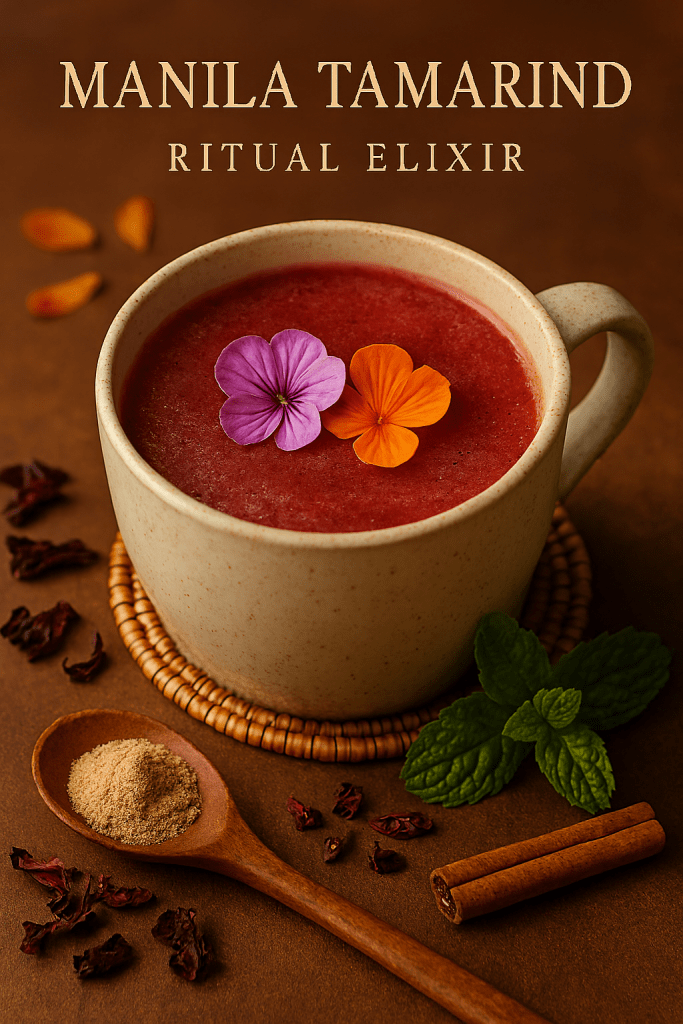
This version celebrates Manila tamarind—known for its sweet-sour pulp and vibrant pink pods. It’s often used in Filipino and South Asian traditions for cleansing, digestive balance, and seasonal transitions.
🍵 Ingredients:
- ½ cup fresh Manila tamarind pulp (remove seeds)
- 1 tsp dried hibiscus petals (for tartness and color)
- ½ tsp ginger powder
- 1 tsp raw honey or coconut sugar
- 1 cup warm water or lemongrass tea
- Pinch of sea salt
- Garnish: edible flower petals or fresh mint
🔥 Instructions:
- Infuse: Steep hibiscus petals in warm water for 5–7 minutes. Strain.
- Blend: Combine tamarind pulp, ginger, honey, and hibiscus infusion. Blend until smooth.
- Warm & Serve: Gently heat the elixir. Pour into a clay or ceramic cup.
- Garnish & Intend: Top with mint or petals. Sip slowly while reflecting on renewal and ancestral connection.
🌿 Symbolism:
- Tamarind’s dual flavor mirrors the balance of joy and grief in ancestral memory.
- Hibiscus represents heart-opening and feminine energy.
- Ginger adds fire and digestive clarity—perfect for ritual transitions.
🌕 Ritual Notes:
- Best served during dusk or dawn, aligned with lunar phases.
- Ideal for grounding before creative work, storytelling, or community gathering.
- Can be adapted with local fruits like persimmon, fig, or blackberry if native options are unavailable.
🍊 Vitamin & Nutrition Profile
Manila tamarind isn’t just a symbolic fruit—it’s a nutritional gem with a unique blend of vitamins, minerals, and bioactive compounds that support holistic health.
🌿 Key Nutrients
- Vitamin C: Boosts immunity, collagen production, and skin health. Manila tamarind pulp contains notable levels, especially when fresh.
- Iron: Supports blood oxygenation and energy. Traditionally consumed to combat fatigue and anemia.
- Calcium & Phosphorus: Strengthen bones and teeth—especially valuable in communities with plant-based diets.
- Magnesium: Aids in muscle function, mood regulation, and sleep cycles.
🧬 Bioactive Compounds
- Tannins: Found in the seed pods, these offer antimicrobial and anti-inflammatory properties.
- Flavonoids: Help neutralize free radicals and support cardiovascular health.
- Alkaloids: Traditionally used in digestive tonics and anti-parasitic remedies.
🧘 Functional Benefits
- Digestive Support: The sweet-sour pulp acts as a mild laxative and digestive stimulant.
- Anti-inflammatory: Used in folk medicine to soothe joint pain and skin irritation.
- Blood Sugar Balance: Fiber and polyphenols may help regulate glucose levels when consumed in moderation.
🌿 Hidden Healing: Health Benefits of Manila Tamarind
🍃 Nutritional Powerhouse
Native fruits aren’t just flavorful—they’re biochemical marvels. Packed with phytonutrients, antioxidants, and adaptogenic compounds, they offer a potent synergy of nourishment and healing.
🌈 Phytochemical Richness
- Many indigenous fruits boast vibrant pigments—deep purples, fiery reds, golden yellows—that signal high levels of anthocyanins, carotenoids, and polyphenols.
- These compounds help combat oxidative stress, reduce inflammation, and support cellular regeneration.
💪 Functional Benefits
- Camu camu and acerola cherry contain some of the highest natural vitamin C concentrations on Earth—boosting immunity and collagen synthesis.
- Baobab is rich in soluble fiber and prebiotics, supporting gut health and blood sugar regulation.
- Sea buckthorn offers omega-7 fatty acids, rare in plant sources, which aid skin repair and cardiovascular health.
🧠 Brain & Mood Support
- Adaptogenic fruits like schisandra and amla are used in traditional medicine to enhance mental clarity, reduce stress, and balance mood.
- Magnesium-rich fruits such as sapote and soursop support neurological function and sleep cycles.
🩸 Detox & Circulation
- Bitter fruits like xoconostle and bitter melon stimulate liver function and aid in detoxification.
- Iron-rich varieties like black currant and mamey sapote support blood oxygenation and energy levels.
🧬 Longevity & Cellular Defense
- Native berries like maqui and chokeberry have ORAC scores (antioxidant capacity) that rival or surpass commercial superfoods.
- Their bioactive compounds may help slow aging, protect DNA, and reduce risk of chronic disease.
🌸 Ethnobotanical Wisdom
Astringent & Hemostatic: Bark and pulp used for gum ailments, hemorrhages, and toothaches.
Digestive Relief: Bark extracts treat chronic diarrhea, dysentery, and tuberculosis.
Reproductive Support: Leaf infusions used to prevent spontaneous abortion and soothe gall issues.
Ulcer Healing: Ground seeds applied to skin ulcers.
Wound Care: Leaves used for both open and closed wounds, showcasing antimicrobial potential.
🌀 Ceremonial & Symbolic Use
Native fruits have long transcended their nutritional value, becoming vessels of meaning in rituals, rites of passage, and seasonal celebrations. Their presence in ceremonies often reflects a community’s relationship with land, ancestry, and the divine.
🌿 Spiritual Offerings & Ancestral Connection
- Fruits like xoconostle, bael, or miracle berry are offered to deities or ancestors in indigenous ceremonies.
- Their colors, shapes, and seasonal availability often symbolize renewal, fertility, or protection.
- In Andean rituals, native berries are placed on altars to honor Pachamama (Mother Earth), reinforcing reciprocity between humans and nature.
🔥 Fire, Smoke & Fruit: Ritual Pairings
- Some fruits are dried and burned as incense or infused into ceremonial smokes to cleanse spaces or invoke spirits.
- In Afro-Caribbean traditions, tropical fruits are paired with rum and herbs in libation rituals to summon ancestral guidance.
🌀 Symbolism in Myth & Folklore
- Many native fruits appear in origin stories or moral tales—like the marula in Southern Africa, believed to be a gift from the gods.
- The ice cream bean (Inga edulis) is seen as a symbol of abundance and generosity in Amazonian lore.
🌕 Seasonal & Lunar Rituals
- Fruits are often consumed or displayed during solstices, equinoxes, or full moon ceremonies to mark transitions.
- In Hawaiian hula rituals, fruits like ulu (breadfruit) represent growth and are used to bless dancers before performances.
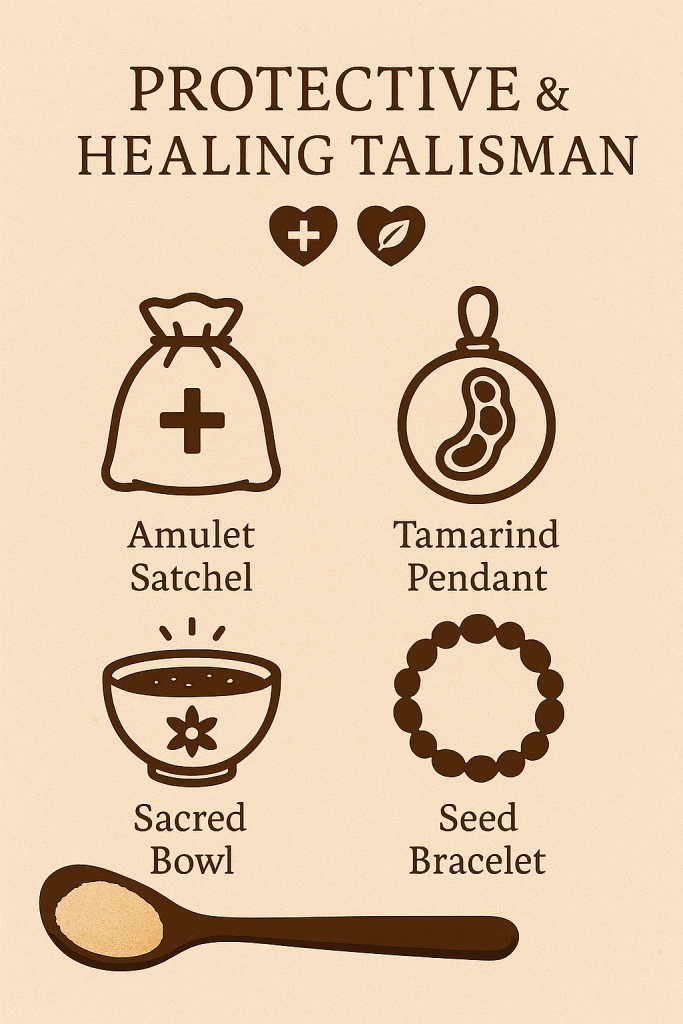
Seeds and dried fruit skins are worn as amulets or placed in homes to ward off illness or misfortune.
The calabash fruit, when carved and painted, becomes a sacred vessel in West African and Caribbean spiritual practices.
Manila tamarind is available in the U.S.—though it’s still a niche item. You can find it through specialty plant nurseries like Sow Exotic
which offer it as a live tree or seedling, often grown from seed and capable of fruiting within 1–2 years. It’s also available for online grocery delivery through platforms like Weee!, which specialize in Asian and tropical produce.
🌟 Little-Known Fact
In parts of southern India and the Philippines, Manila tamarind seeds were once ground into a paste and used as a natural ink for sacred scripts and ceremonial markings. The deep purplish-black hue was prized not just for its color, but for its symbolic connection to protection, ancestral wisdom, and storytelling.
This forgotten use reminds us that fruits are more than food—they’re vessels of memory, ritual, and creative expression.
 EJADA
EJADA 
Leave a comment