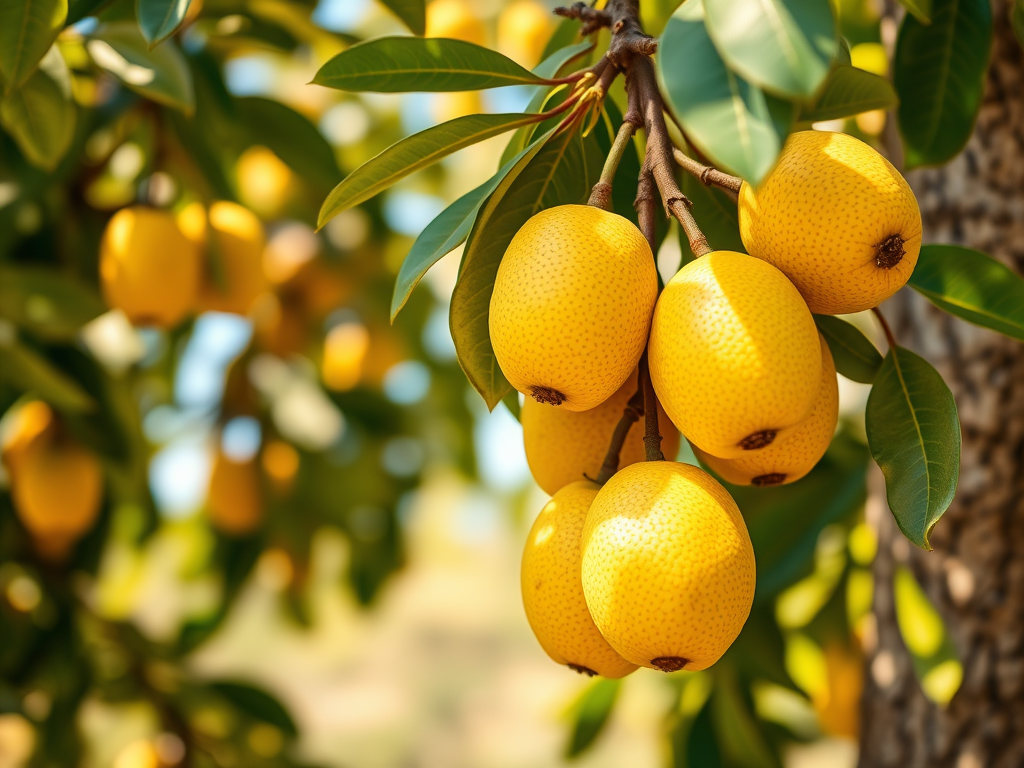
The Marula fruit is a fascinating gem of African heritage—nutritionally potent, culturally revered, and ecologically resilient. 🌍🍈
🌳 Botanical Identity & Origins
- Scientific name: Sclerocarya birrea
- Family: Anacardiaceae (same as mango, cashew, pistachio)
- Native range: Southern Africa, especially the Miombo woodlands; also found in West Africa and Madagascar
- Tree type: Deciduous and dioecious (separate male and female trees)
- Height: Up to 18–20 meters tall
- Bark: Mottled grey, often freckled or spotted2
🍈 Fruit Characteristics
- Shape & size: Small, plum-like drupes (3–5 cm)
- Color: Green when unripe, ripens to yellow
- Flavor: Sweet-tart, juicy, with a distinctive tang
- Flesh: White and succulent
- Stone: Hard shell with 2–4 edible seeds inside3
🧬 Nutritional Powerhouse
- Vitamin C: 8× more than oranges!
- Antioxidants: High levels, especially in the skin
- Oleic acid: Found in the fruit oil—great for skin health
- Protein-rich seeds: Nutty flavor, high energy content
🐘 Cultural & Ecological Significance
- “Elephant Tree”: Believed to be a favorite of elephants, who help disperse seeds
- Ancient diet: Consumed by indigenous peoples in South Africa, Namibia, and Botswana
- Bantu migration: Spread the fruit across Africa due to its nutritional value
- Gendered trees: Only female trees bear fruit, reducing harmful mutations and promoting genetic diversity
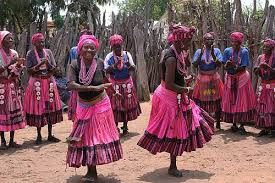
The Oshituthi shomagongo, marula fruit festival is a celebration that lasts two to three days between March and April, uniting the eight Aawambo communities of northern Namibia
Here’s a ceremonial Marula recipe inspired by traditional African practices, especially those from Namibia and South Africa, where the fruit plays a central role in fertility rites and communal celebration:
🪔 Ceremonial Marula Brew (Oshikundu-style)
A fermented drink used in fertility rituals and harvest festivals
🌿 Ingredients:
- Ripe Marula fruits – 2–3 cups (yellow, freshly fallen)
- Water – enough to cover the fruit (approx. 4 cups)
- Sugar or honey – optional, 2–3 tbsp for sweetness
- Calabash or clay vessel – for traditional fermentation
- Time & intention – 3–4 days of fermentation, stirred daily
🧭 Ritual Preparation Steps:
- Harvest with Intention Gather ripe Marula fruits from beneath female trees. Traditionally, women sing or hum fertility songs during collection.
- Cleanse & Cut Wash fruits gently. Slice each fruit along its equator and remove the stone. Save the pulp and juice.
- Soak & Ferment Place pulp in a clay vessel or clean glass jar. Cover with water. Stir clockwise while speaking blessings or ancestral names.
- Fermentation Let sit at room temperature for 3–4 days. Stir once daily with a wooden spoon. The brew will become cloudy and slightly fizzy.
- Strain & Sweeten Strain out solids. Add sugar or honey if desired. Chill before serving.
💞 Ceremonial Use:
- Fertility Blessings: Shared among women during rites of passage or marriage ceremonies.
- Ancestral Offerings: Poured over graves or sacred stones to honor lineage.
- Communal Toasts: Served in calabashes during harvest festivals like Oshituthi shomagongo.
⚠️ Safety & Allergen Note:
- Marula seeds may trigger nut allergies. Always strain thoroughly.
- Fermented drinks may contain trace alcohol—consume responsibly.
The Marula fruit is a nutritional powerhouse with a wide array of health benefits—many of which are deeply rooted in both traditional medicine and modern research.
🌟 Top Health Benefits of Marula Fruit
🛡️ 1. Immune System Support
- Contains 8× more vitamin C than oranges, helping to strengthen immune defenses and fight infections.
🧠 2. Cognitive & Brain Function
- Rich in B vitamins and antioxidants that support brain health and may improve mood and mental clarity.
💓 3. Heart Health
- May help lower LDL cholesterol, reduce arterial plaque, and decrease inflammation—supporting cardiovascular wellness.
🌿 4. Anti-Inflammatory Properties
- Contains phenolic compounds and antioxidants that naturally reduce inflammation throughout the body.
💪 5. Muscle & Bone Strength
- High in magnesium, phosphorus, and calcium, which support bone density and muscle function.
🌾 6. Gut Health
- Rich in dietary fiber, promoting regular digestion, gut microbiome balance, and nutrient absorption.
✨ 7. Skin & Hair Nourishment
- Marula oil (from the seeds) is packed with oleic acid, vitamin E, and antioxidants, which hydrate skin, repair damage, and lock in moisture for hair.
⚡ 8. Energy & Vitality
- The seeds are protein– and energy-dense, making them a great source of sustained energy.
🧬 9. Cancer Risk Reduction
- Antioxidants may help neutralize free radicals and reduce oxidative stress, potentially lowering cancer risk
🍹 Culinary & Ritual Uses
The Marula fruit festival recognized by UNESCO as Intangible Cultural Heritage. This celebration honors the Marula’s deep ties to fertility, community, and ancestral tradition:
🍽️ Culinary Uses
🧃 Beverages
- Amarula Cream Liqueur: A globally renowned South African drink made from fermented Marula pulp, blended with cream and sugar.
- Traditional Marula Beer: Fermented at the household level, often shared communally during harvest festivals.
- Juice & Syrup: Fresh juice is consumed directly or boiled into a thick syrup used to sweeten porridge or gruel.
🍯 Preserves & Desserts
- Jams & Jellies: Marula pulp is used to make tangy preserves.
- Ice Creams & Sorbets: Popular in gourmet African cuisine.
- Fruit Salad & Smoothies: Adds a tropical, tart-sweet note.
🥜 Seeds & Oil
- Roasted Seeds: Eaten like nuts or ground into flour.
- Marula Oil: Used in cooking and as a meat preservative; prized for its stability and oleic acid content.
🍵 Coffee Substitute
- Dried Skin: Burned and brewed as a caffeine-free coffee alternative.
🪔 Ritual & Ceremonial Uses
👑 Royal & Communal Festivals
- Feast of First Fruits: Celebrated across Southern Africa; fresh juice poured over ancestral tombs as offerings.
- Swazi Marula Festival: Held at the Royal Residence; beer is presented to the King and Queen Mother before the community may drink.
- Xikuha Festival: Women brew Marula beer and present it in calabashes to the chief, singing praises and celebrating unity.
💞 Fertility & Marriage Symbolism
- Known as the “Marriage Tree” in many cultures.
- Fertility Fruit: Believed to enhance reproductive vitality; bark preparations used to influence the gender of unborn children.
- Love Tokens: Necklaces made from dried Marula nuts are worn as symbols of love and protection.
🔮 Spiritual & Agricultural Lore
- Ngelengele Ritual: Celebrating Marula is believed to banish crop-damaging worms—symbolic of renewal and protection.
- Sangoma’s Dice: Marula kernels used in divination practices.
🌿 Indigenous Names & Lore
The Indigenous Names & Lore surrounding the Marula fruit are a vibrant tapestry of linguistic diversity, ancestral reverence, and symbolic meaning
The Marula tree (Sclerocarya birrea) is known by dozens of names across Africa, reflecting its deep cultural integration:
| Region/Culture | Indigenous Name(s) |
|---|---|
| Zulu & Swazi | Umganu, Amaganu |
| Shona (Zimbabwe) | Mutsomo, Mushomo, Mapfura |
| Tswana & Sotho | Morula, Nkanyi |
| Afrikaans | Maroela |
| Namibia (Herero) | Omuongo, Ongongo |
| West Africa (Senegal) | Birr, Béri, Edi |
| Madagascar | Sakoa, Saokao |
| Arabic-speaking regions | El Hameid, Homeid |
| Portuguese-speaking regions | Canhoeiro |
| English | Jelly Plum, Cider Tree, Marriage Tree, Elephant Tree, Cat Thorn |
These names often reflect the tree’s uses, appearance, or symbolic role in the community.
🔮 Cultural Lore & Symbolism
💞 Fertility & Gender Rituals
- In some traditions, bark preparations are used to influence the gender of unborn children:
- Female bark → taken by women who wish for daughters
- Male bark → taken by those hoping for sons
🧿 Protection & Healing
- Necklaces made from dried Marula nuts are worn as love charms or to prevent nosebleeds and diarrhea in children
- Bark and leaves are used in snakebite rituals, where they are rubbed into the skin and consumed as decoctions
🪔 Ancestral Offerings
- During first-fruit ceremonies, Marula juice is poured over ancestral graves as a gesture of gratitude and renewal
🐘 Myth & Animal Lore
- Known as the “Elephant Tree”, Marula is believed to ferment in the stomachs of animals, causing intoxication—a myth popularized in documentaries and local storytelling
🗣️ Linguistic Drift & Migration
- The spread of Marula names across Africa mirrors the Bantu migrations, with linguistic adaptations reflecting local dialects, spiritual beliefs, and ecological relationships
- In regions like Zimbabwe’s Pomongwe Cave, archaeological evidence shows 24 million Marula fruits were consumed over millennia
🔥 Final Pour: Marula as Ritual, Rebellion, and Revival
The Marula isn’t just a fruit—it’s a vessel of ancestral memory, feminine power, and wild celebration. From fertility rites whispered beneath moonlit trees to communal brews stirred with laughter and lineage, this golden orb dares us to drink deeper.
So, whether you’re fermenting your own ceremonial batch or simply savoring its sun-kissed tang, let the Marula remind you: Ritual is rebellion. Nourishment is narrative. And every fruit holds a story worth tasting.

 EJADA
EJADA 
Leave a comment