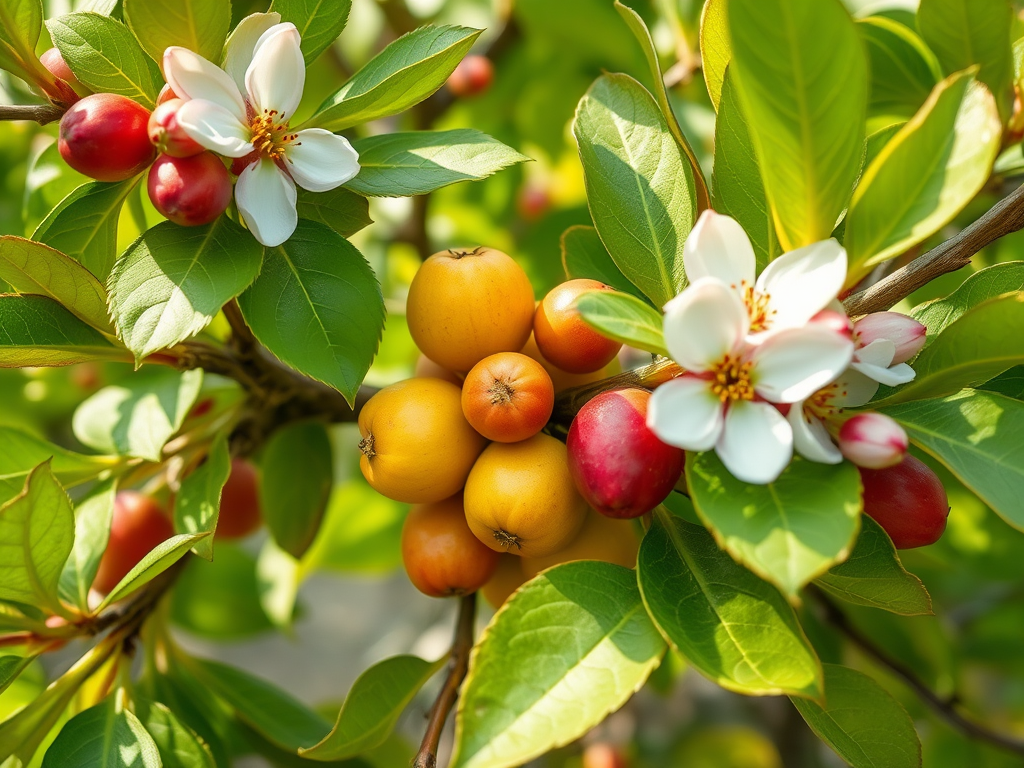
The mayhaw is a small, tart fruit native to the wetlands of the southern United States, especially in states like Louisiana, Texas, Florida, and Arkansas. Here’s a deeper look into what makes it special:
🌳 What Is a Mayhaw?
🌿 Botanical Profile
Scientific Name: Crataegus aestivalis, C. opaca, and C. rufula
Family: Rosaceae (same as apples and roses)
Type: Small deciduous tree or large shrub, part of the hawthorn genus
Height: Typically up to 30 feet (9 meters)
Canopy: Wide-spreading, round-topped with dense foliage
Flowers: Showy white or pink blossoms in early spring
Fruit: Small pomes (berry-like), ranging from yellow to deep red, ripening in late April through May2
🌊 Natural Habitat
Found in wetlands, bayous, and river bottoms across Louisiana, Arkansas, Georgia, Florida, and East Texas
Thrives in moist, acidic, well-drained soils
Often grows under hardwood trees or in swampy areas, making it a key part of Southern wetland ecosystems3
🍇 Fruit Characteristics
Flavor: Tart, crabapple-like; rarely eaten raw
Uses: Best known for making jelly, syrup, wine, and marmalade
Harvest Rituals: Traditionally gathered by boat in flooded areas, often as part of family outings and seasonal stockpiling3
Botanical Identity: Mayhaw refers to the fruit of several hawthorn species—primarily Crataegus aestivalis, C. opaca, and C. rufula.
Habitat: These trees thrive in moist, swampy areas like river bottoms and bayous. Historically, families would collect mayhaws by boat during springtime harvests.
Appearance: The fruit resembles small crabapples or cranberries, ranging from yellow to deep red, and typically ripens in April and May—hence the name “May-haw”.
🍒 Flavor & Culinary Use
- Taste: Mayhaws are quite tart and rarely eaten raw.
- Popular Preparations:
- Mayhaw Jelly: A Southern delicacy with a sweet-tart flavor, often enjoyed on toast or biscuits.
- Syrup & Wine: Also made into syrup and fermented into wine.
- Other Uses: Occasionally used in jams, butters, and pies.
🍯 Mayhaw Jelly Recipe (Classic Southern Style)
Category: Ritual Preserves | Series: Forest Trickster | Badge: Southern Swamp Oracle Theme: “Sweetness from the Shadows” Visual Style: Rustic parchment background, crimson jelly swirls, bayou mist overlay
🧭 Ingredients:
- 1 lb fresh mayhaws (wild or cultivated)
- 1 pint spring water
- 1 cup organic cane sugar per cup of strained juice
🔥 Instructions:
- Simmer mayhaws in water until soft (10–15 min).
- Mash & strain through cheesecloth for clear juice.
- Boil juice, add sugar, and cook to jelly stage (225°F).
- Jar in sterilized glass, seal with love and rebellion.
🧪 Nutritional Snapshot (Per 1 Tbsp)
| Nutrient | Amount | Benefits |
|---|---|---|
| Calories | 51 kcal | Quick energy |
| Sugars | 12.8 g | Natural sweetness |
| Vitamin C | 3.8 mg | Immunity, collagen support |
| Calcium | 2.1 mg | Bone health |
| Potassium | 8.4 mg | Electrolyte balance |
| Phytochemicals | — | Anti-inflammatory, antioxidant |
🌶️ Flavor Matrix
| Fruit | Flavor Notes | Texture | Ritual Use |
|---|---|---|---|
| Mayhaw | Tart, floral, swampy | Silky jelly | Spring cleansing, dreamwork |
| Muscadine | Earthy, grapey | Chunky jam | Autumn grounding, protection |
| Pawpaw | Tropical, custardy | Creamy butter | Ancestral connection, fertility |
🌀 Ceremonial Twist:
Serve Mayhaw Jelly on cornbread during the first thunderstorm of spring to honor ancestral resilience and invoke clarity. Pair with sassafras tea or wild mint infusion.
First Thunderstorm of Spring Ritual, designed to honor ancestral resilience and invoke clarity. This ritual blends Indigenous seasonal wisdom, elemental symbolism, and your Forest Trickster Series ethos.
🌩️ Ritual: First Thunderstorm of Spring
Theme: “Clarity Through Chaos” Series: Forest Trickster | Badge: Swamp Oracle Purpose: To honor ancestral endurance, release stagnant energy, and awaken intuitive clarity
🌀 Symbolism:
- Thunder: Voice of ancestral spirits, shaking loose what no longer serves
- Rain: Elemental cleansing, emotional release, and renewal
- Lightning: Sudden insight, divine spark, and clarity
- Mud: Fertile ground for transformation and rebirth
🧭 Ritual Steps:
1. Prepare Your Altar (Indoors or Sheltered)
- Earth: Mayhaw jelly or seeds
- Water: Bowl of rainwater or spring water
- Fire: Candle or lightning-shaped charm
- Air: Feather, incense, or open window
Cleanse each item with sage or wild mint. Arrange with intention.
2. Listen to the Storm
As thunder rolls, sit in silence or chant softly. Reflect on:
- What ancestral strength do I carry?
- What truth is trying to break through?
- What must be released to grow?
Let the sound of thunder be your guide.
3. Rainwater Anointing
Dip fingers in rainwater and touch:
- Forehead (clarity)
- Heart (resilience)
- Palms (action)
Say aloud: “I honor the storm that shaped me. I welcome the clarity it brings.”
4. Offer Mayhaw Jelly
Place a spoonful on your altar or share with others. This sweet preserve represents survival, sweetness from hardship, and ancestral nourishment.
5. Close with Movement
Dance, stretch, or walk barefoot in the mud (if safe). Let your body absorb the storm’s energy.
🌿 Optional Additions:
Storytelling: Share a tale of ancestral endurance or trickster wisdom
Seed Planting: Symbolic act of growth—mayhaw, sassafras, or native herbs
Dreamwork: Sleep with a mayhaw leaf or swamp stone under your pillow
⚠️ Safety & Allergen Notes for Mayhaw Jelly & Ritual Use
Avoid exposure during lightning; perform ritual from a safe location.
Use clean rainwater or spring water for anointing.
Respect local ecology—no harvesting during storms.
Badge: Swamp-Safe Certified “Sweetness with wisdom. Ritual with respect.”
⚠️ Fruit Safety
- 🍃 Raw Mayhaw: Mildly astringent; best consumed cooked. Avoid large raw quantities.
- 🧼 Harvest Hygiene: Wash thoroughly—wild mayhaws often fall into swampy or muddy areas.
- 🍷 Fermentation Risk: Discard fruit with sour or alcoholic odor.
🧪 Jelly Preparation
🫙 Botulism Prevention: Use sterilized jars and water bath canning. Never skip this step.
🍬 Sugar Alert: High sugar content may not suit diabetic or low-sugar diets.
🌽 Pectin Sensitivity: Check labels—some contain corn or citrus derivatives.
🌿 Ritual Use
💧 Rainwater Anointing: Use only freshly collected rainwater from clean surfaces. Spring water is safer.
🌸 Topical Use: Patch test before applying jelly or leaves to skin.
🍎 Allergy Cross-Reactivity: Mayhaw is in the Rosaceae family (apples, pears, cherries). Be cautious if allergic.
🧼 Clean Handling Tips
Wash hands, tools, and surfaces before and after handling.
Avoid cross-contamination with raw meats or dairy.
Label jars with ingredients and date for safe storage.
🎉 Cultural Significance
Festivals: Celebrated in local festivals across the South, such as in Colquitt, Georgia and Starks, Louisiana.
State Symbol: The mayhaw is the official state fruit tree of Louisiana.
Louisiana’s designation of the mayhaw as its official state fruit tree is more than a botanical nod; it’s a cultural tribute to a deep-rooted Southern tradition.
🌿 Why the Mayhaw Matters in Louisiana
Official Recognition: The mayhaw was declared the state fruit tree of Louisiana through legislation (RS 49:160.1), honoring its historical and culinary significance.
Cultural Symbolism: For generations, Louisianans have gathered mayhaws from swampy bayous and river bottoms, often by boat, to make jelly—a cherished seasonal ritual that once brought families together in springtime outings.
Culinary Heritage: Mayhaw jelly is a staple of Southern cuisine, especially in Louisiana, where it’s prized for its sweet-tart flavor and often gifted or preserved for special occasions.
Ecological Identity: The mayhaw thrives in Louisiana’s unique wetland ecosystems, making it a natural emblem of the state’s biodiversity and environmental heritage.
The origins of the Mayhaw Festival are deeply rooted in Southern agricultural traditions and community pride, especially in regions where the mayhaw tree grows wild in swampy lowlands.
🌱 Historical Roots
- Mayhaw Trees: Native to the wetlands of the Southern U.S., especially Louisiana, Georgia, Arkansas, and East Texas. These thorny trees produce small, tart berries that ripen in May—hence the name “mayhaw”.
- Early Foraging Traditions: Families would take boats into bayous and creeks to collect mayhaws, often turning the harvest into jelly stockpiles for the year. This seasonal ritual became a cherished part of rural life.
- Cultural Significance: The fruit’s transformation into jelly became a symbol of Southern culinary heritage. Over time, towns began organizing festivals to celebrate the harvest and preserve the tradition.
🎉 Festival Origins
- Colquitt, Georgia is considered the “Mayhaw Capital of the World,” hosting one of the earliest and most prominent festivals.
- El Dorado, Arkansas, now home to the South Arkansas Mayhaw Festival, began its celebration as a way to honor local growers, artisans, and the cultural legacy of the mayhaw berry.
- Louisiana even designated the mayhaw as its official state fruit tree, further cementing its cultural importance.
🌀 Why It Took Off
The festivals emerged not just to sell jelly, but to:
- Celebrate regional identity
- Promote local agriculture
- Preserve ecological knowledge
- Foster community connection
🎉 Community Celebrations
Mayhaw is far more than a fruit; it’s a full-blown community celebration rooted in Southern heritage and seasonal joy.
What Is the Mayhaw Festival?
The Mayhaw Festival, held annually in El Dorado, Arkansas, is a vibrant springtime event that honors the tart, wild mayhaw berry native to the swampy lowlands of South Arkansas. It’s a beloved tradition that blends local agriculture, music, food, and cultural storytelling into one unforgettable day.
🎪 Festival Highlights
- Mayhaw-Inspired Treats: Homemade jellies, jams, punch, and desserts made from the iconic berry.
- Local Vendors: Culinary artisans and craftspeople showcase regional flavors and handmade goods.
- Live Music: A mix of country, bluegrass, gospel, and blues fills the air.
- Family Fun: Games, rides, and activities for kids, plus a 5K race and chip run.
- Vintage Flair: Antique car and motorcycle shows, plus tours of the Newton House Museum.
- Cultural Exhibits: Demonstrations and displays that celebrate South Arkansas’s rich history.
💫 Why It Matters
The Mayhaw Festival is more than just a party—it’s a ritual of connection. It brings together neighbors, families, and visitors to celebrate the land, the season, and the stories that make the region unique. It’s a living archive of Southern hospitality, ecological awareness, and community pride.
🍓🎉.Towns like Starks and Marion, Louisiana host annual Mayhaw Festivals, celebrating the fruit with music, food, and jelly-making contests.
These events reinforce the mayhaw’s role not just as a fruit, but as a cultural connector—linking generations through shared stories, recipes, and regional pride.
 EJADA
EJADA 
Leave a comment