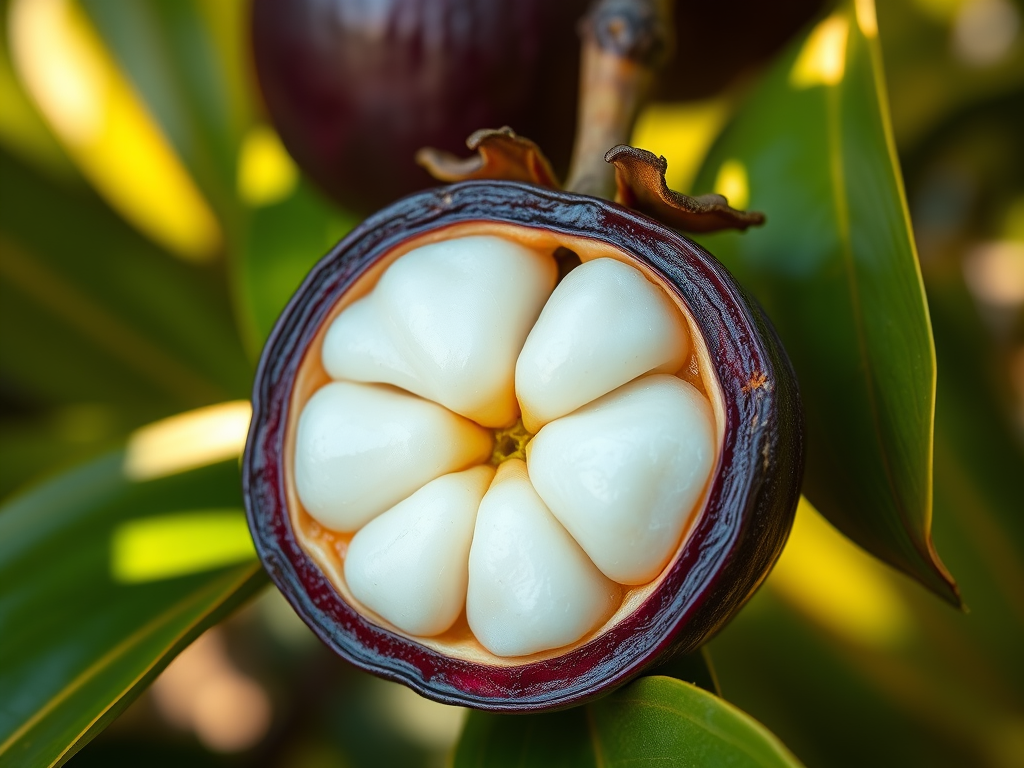
The Powerful and Nutritious Mangosteen: Origins & Rituals
🧬 Who First Used Mangosteen?
- Indigenous Southeast Asian communities were the earliest known cultivators and users of mangosteen, particularly in regions like the Malay Peninsula, Borneo, and the Molucca Islands.
- The fruit was known locally as mangostan, and its use predates written records, embedded in oral traditions and healing practices.
📜 What Was It Used For?
- Medicinal Uses: Traditional healers used the rind (pericarp) to treat abdominal pain, infections, and skin conditions. Infusions were made for throat ailments and wound care.
- Cultural Symbolism: Mangosteen was revered as a “guardian fruit,” believed to ward off illness and spiritual imbalance.
- Colonial Interest: In the 18th century, botanist John Ellis wrote “A Description of the Mangostan and the Bread-Fruit”, elevating mangosteen’s status in British colonial horticulture.
🕯️ When and How Was It Ritualized?
- Healing Rituals: In various Southeast Asian cultures, applying mangosteen-based remedies was often accompanied by prayers or chants for protection and healing.
- Ceremonial Use: The fruit occasionally appeared in religious offerings and symbolic events, especially in regions like Thailand and Indonesia.
- Mythical Lore: Legends speak of mangosteen possessing magical healing powers, with some tales linking its origin to divine or mystical events.
👑 Royal Fascination
- Queen Victoria was so enchanted by mangosteen that she reportedly offered knighthood to anyone who could bring her fresh specimens—a testament to its allure and rarity.
🌏 Mangosteen’s Global Journey: From Ancient Ritual to Modern Reverence
First Use & Origins
- Indigenous to Malaysia, Indonesia, and Thailand, mangosteen was first cultivated in tropical rainforests and revered for its sweet-tart flavor and healing properties.
- Known as manggis, it was used in traditional medicine and ceremonial offerings symbolizing prosperity and fertility.
Historical Spread
- 1200–1600 AD: Traded via the Maritime Silk Road, reaching India, China, and the Arabian Peninsula.
- 1775: British botanist John Ellis published A Description of the Mangostan and the Bread-Fruit, detailing its cultivation and transport.
- 19th century: Introduced to the Caribbean and Americas, though it struggled outside tropical climates.
Rituals & Symbolism
- Used in healing rituals, with the rind brewed into teas and poultices.
- Featured in fertility ceremonies and spiritual practices across Southeast Asia.
- Nicknamed the “Queen of Fruits”, with legends linking it to Queen Victoria’s fascination and reward offer.
Modern Superfruit Status
- Today, mangosteen is celebrated for its antioxidant-rich profile, appearing in juices, supplements, and wellness rituals worldwide.
📎 For a beautifully narrated version of this journey, check out the full story on FoodieCatch
This Frozen Mango Yoghurt Bark tastes amazing! Just 3 ingredients……. mix and freeze! Creamy natural yoghurt drizzled in vanilla and sprinkled with mango pieces, frozen into a delicious and really healthy snack. Full Recipe
The Mangosteen has been woven into ceremonial and spiritual traditions across Southeast Asia for centuries
🕯️ Mangosteen Ancestral Infusion
Ingredients
- 1 ripe mangosteen (flesh and rind separated)
- 2 cups spring water
- 1 slice fresh ginger
- 1 pandan leaf (optional)
- 1 tsp honey or palm sugar
Instructions
- Simmer rind and ginger in water for 10 minutes.
- Add flesh and pandan, steep for 5 more minutes.
- Strain, sweeten, and serve warm during reflection or ritual.
Ceremonial Use: Traditionally sipped during harvest blessings or healing rites to invite clarity and balance.

Intensive preparations commence. On the designated day, the local community gathers at the village temple, bringing various types of offerings as offerings to the gods. read more

a priest (pemangku) leads a series of sacred mantras and prayers, accompanying the Lembu’s journey to the sacrificial site. read more
🕯️ Ceremonial & Ritual Significance of Mangosteen
👑 Symbol of Royalty and Prestige
- Mangosteen earned the title “Queen of Fruits” not just for its flavor, but for its association with royal gardens and elite offerings.
- In Thailand and Indonesia, it was often presented to honored guests or used in courtly rituals, symbolizing abundance and respect.
🌿 Spiritual Offerings
- The fruit’s vibrant purple rind and pure white flesh made it a favored offering in ancestral ceremonies and harvest blessings.
- Villagers would place mangosteen on altars to protect homes, ensure good harvests, or invite divine favor.
🧘 Healing Rituals
- Traditional healers used mangosteen rind in medicinal infusions, often accompanied by chants or prayers for healing and balance.
- In Bali, mangosteen is referenced in Lontar Taru Pramana, a sacred text detailing its use in treating skin ailments and spiritual imbalance.
🖼️ Ritual Image of Mangosteen
📍 From Budaya Bali—a glimpse into Manggis Village, where mangosteen is part of cultural and ceremonial life.
🧪 Proven Medicinal Uses of Mangosteen
🌿 1. Anti-Inflammatory Properties
- Mangosteen contains xanthones, a unique class of polyphenols with strong anti-inflammatory effects.
- Studies show xanthones may help reduce markers of inflammation linked to arthritis, heart disease, and diabetes.
🛡️ 2. Antioxidant Powerhouse
- Rich in vitamin C, manganese, and xanthones, mangosteen helps neutralize free radicals, which are tied to aging and chronic disease.
- These antioxidants may support cellular health, reduce oxidative stress, and promote longevity.
💪 3. Immune System Support
- Mangosteen’s vitamin C and xanthones contribute to enhanced immune function, helping the body fight infections and maintain resilience.
🧬 4. Improved Insulin Sensitivity
- A clinical trial found that 400 mg of mangosteen extract daily for 26 weeks improved insulin sensitivity in women with obesity.
- This suggests potential support for metabolic health and blood sugar regulation.
🧘 5. Weight and Body Composition
- In combination with other herbs, mangosteen extract was shown to reduce waist circumference and body fat in a controlled study.
- While results are promising, more research is needed to isolate mangosteen’s specific role. @ Verywell Health
🧴 6. Skin Health
- Mangosteen’s antioxidants are used in topical skincare to reduce signs of aging and improve skin texture.
- Traditional uses include applying the rind as a poultice for wounds and skin infections.
🇺🇸 Mangosteen Availability in the U.S.
✅ Legal Status
Once banned due to fears of the Asian fruit fly, mangosteen became legal in the U.S. in 2007 after irradiation methods were approved.
(The real reason)
🛒 Where to Find It
- Fresh mangosteens are typically found in:
- Asian supermarkets (especially in cities like San Francisco, NYC, LA)
- Specialty grocers like New May Wah Market or H Mart
- Online retailers such as Miami Fruit and Amazon
- Freeze-dried mangosteen is sold at Trader Joe’s
- Canned versions are available in many Asian grocery stores
💸 Cost & Seasonality
- Fresh mangosteen is often pricey—up to $14/lb—and highly seasonal.
- Best availability is late spring to early fall, depending on import cycles.
🌿 Cultivation Challenges
- Mangosteen trees require high humidity and stable tropical temperatures, making U.S. cultivation difficult outside of Hawaii and Puerto Rico.
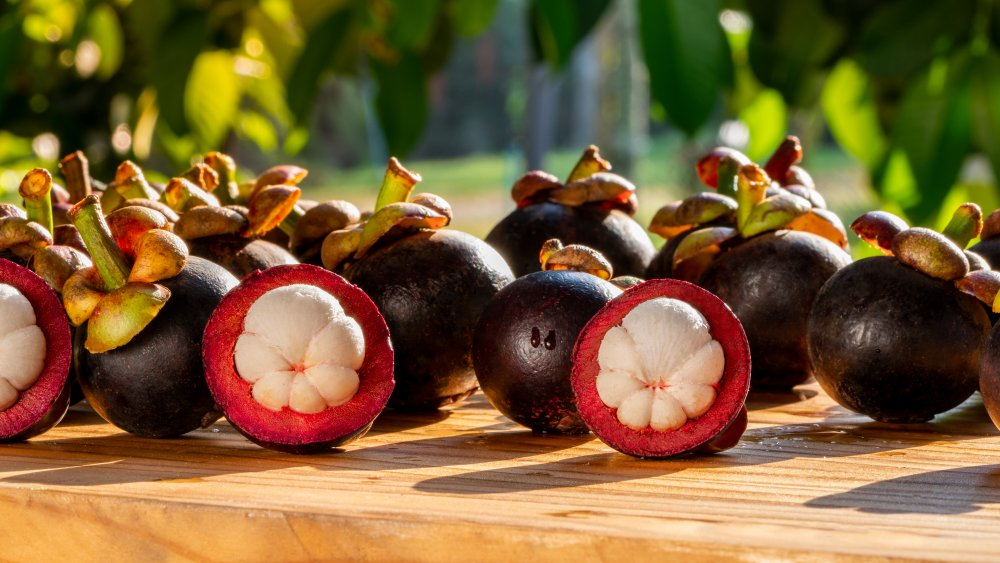
The Mangosteen is notoriously difficult to cultivate. The fruit is believed to have come from Malaysia or Indonesia, and outside of its home region of Southeast Asia, the fruit struggles to survive READ MORE
⚠️ Safety & Precautions
Mangosteen is generally safe when consumed as a fruit. @ Healthline.com
High-dose supplements may interact with medications or cause digestive upset—especially in powdered rind form.
Always consult a healthcare provider before using mangosteen medicinally, especially in capsule or extract form.
 EJADA
EJADA 
Leave a comment