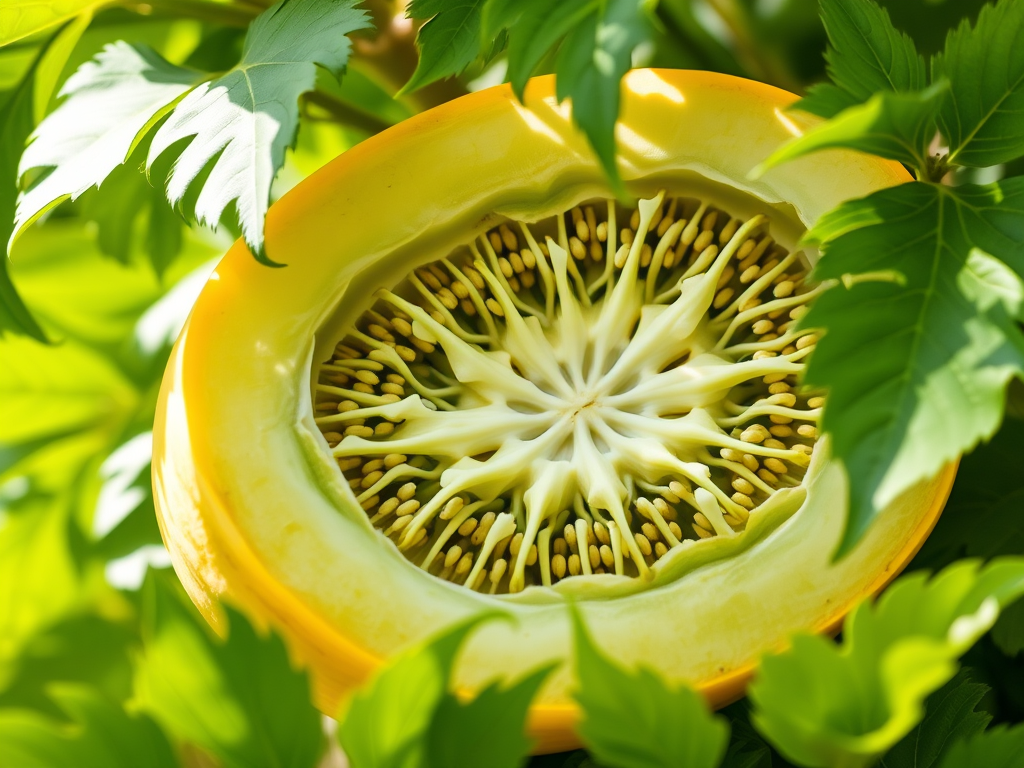
Malabar melon is a fascinating fruit with deep culinary and medicinal roots across South and Southeast Asia. It’s often confused with cucumbers due to its appearance and local naming conventions, but it’s actually a type of culinary melon, scientifically known as Cucumis melo var. conomon or acidulus depending on the region@Melon
🍈 What Is Malabar Melon?
- Common Names: Malabar cucumber, vellarikka (Kerala), dosakaya (Andhra Pradesh), southekayi (Karnataka), Madras cucumber (Tamil Nadu)
- Botanical Identity: A non-dessert melon variety used as a vegetable, not a sweet fruit
- Appearance: Varies by region—yellow or green rind, ovate to globular shape, typically weighing 0.5–1.5 kg
- Taste & Texture: Mildly sour, gourd-like when cooked
🌱 First Cultivation of Malabar Melon
🗺️ Origins & Spread
- Native Region: Likely domesticated in India, particularly the Malabar Coast (modern-day Kerala), where it has long been used as a vegetable melon.
- Historical Cultivation: Melons (Cucumis melo) were cultivated in Egypt over 4,000 years ago, but the sour culinary varieties like Malabar melon likely emerged later through selective breeding in tropical South Asia.
- Trade Influence: The spread of melon varieties was facilitated by ancient trade routes, including maritime exchanges between India, Southeast Asia, and the Middle East.
🧬 Botanical Relatives
- Culinary Melon Group: Malabar melon belongs to the acidulus/conomon group of Cucumis melo, which are non-dessert melons used for cooking rather than sweet consumption.
- Distinct from Malabar Gourd: Cucurbita ficifolia, also called Malabar gourd or shark fin melon, originated in South America and was introduced to India in the 16th–17th centuries via colonial trade routes.
🗺️ Origins & Spread
- Native Region: Likely domesticated in India, particularly the Malabar Coast (modern-day Kerala), where it has long been used as a vegetable melon.
- Historical Cultivation: Melons (Cucumis melo) were cultivated in Egypt over 4,000 years ago, but the sour culinary varieties like Malabar melon likely emerged later through selective breeding in tropical South Asia.
- Trade Influence: The spread of melon varieties was facilitated by ancient trade routes, including maritime exchanges between India, Southeast Asia, and the Middle East.
🧬 Botanical Relatives
- Culinary Melon Group: Malabar melon belongs to the acidulus/conomon group of Cucumis melo, which are non-dessert melons used for cooking rather than sweet consumption.
- Distinct from Malabar Gourd: Cucurbita ficifolia, also called Malabar gourd or shark fin melon, originated in South America and was introduced to India in the 16th–17th centuries via colonial trade routes.
👩🏽🌾 Who Cultivated It First?
Cultural Stewards: Over centuries, it became embedded in regional cuisines like sambar, pachadi, and dosakaya curries, passed down through oral tradition and seasonal planting cycles.
Indigenous Farmers: Likely first cultivated by Dravidian and coastal agrarian communities in Kerala and Tamil Nadu, who used it in ritual and daily cooking.
Ayurvedic Practitioners: Early Ayurvedic texts mention sour melons and cucurbits for digestive and cooling properties, suggesting medicinal cultivation.
- Indigenous Farmers: Likely first cultivated by Dravidian and coastal agrarian communities in Kerala and Tamil Nadu, who used it in ritual and daily cooking.
- Ayurvedic Practitioners: Early Ayurvedic texts mention sour melons and cucurbits for digestive and cooling properties, suggesting medicinal cultivation.
- Cultural Stewards: Over centuries, it became embedded in regional cuisines like sambar, pachadi, and dosakaya curries, passed down through oral tradition and seasonal planting cycles.
🧬 Medicinal Uses
Malabar melon is rich in bioactive compounds and traditional medicinal lore:
- Antioxidant & Anti-inflammatory: Contains polyphenols and phytosterols that help reduce oxidative stress and inflammation
- Skin & Connective Tissue Health: High in silica, magnesium, and potassium—supports skin elasticity and bone strength
- Digestive Aid: The fiber-rich rind and pulp promote gut health and regularity
- Antidiabetic & Antimicrobial: Some studies suggest potential for blood sugar regulation and microbial resistance
🍲 Culinary Uses
Used extensively in South Indian and Southeast Asian cuisines:
- Sambar & Stews: A staple vegetable in lentil-based dishes like sambar
- Pickles & Chutneys: In Japan and Andhra Pradesh, used in pickling (dosvakaya) and chutneys
- Raita-style Dishes: Kerala’s vellarikka pachadi is a yogurt-based side dish
- Curries & Dosas: Incorporated into savory pancakes and curries across India
- Desserts & Jams: In East Asia, the flesh is candied or made into jam; seeds are roasted or ground into flour
🧑🌾 Who Uses It and How?
- Traditional Healers: Use decoctions of seeds and pulp for digestive and skin health
- Home Cooks & Farmers: Cultivated in backyard gardens and used in daily cooking
- Cultural Custodians: In Kerala, Tamil Nadu, and Karnataka, it’s part of ritual meals and seasonal celebrations
- Modern Researchers: Studying its phytochemical profile for nutraceutical applications
Malabar melon—known regionally as vellarikka, dosakaya, southekayi, or Madras cucumber—is a culinary cornerstone in South Indian cooking, especially in Kerala, Andhra Pradesh, Tamil Nadu, and Karnataka. Though technically a sour melon (Cucumis melo var. acidulus), it’s treated like a vegetable and features prominently in traditional dishes that reflect centuries of cultural adaptation and ritual use.
🍛 Cultural Dishes Featuring Malabar Melon
Here’s a breakdown by region, with dish names and cultural context:
Kerala (Malabar Coast)
- Vellarikka Pachadi A yogurt-based side dish made with diced Malabar melon, coconut, green chili, and mustard seeds. 🔸 Served during Onam and other Sadhya feasts 🔸 Symbolizes cooling and digestive balance in Ayurvedic meals
Andhra Pradesh & Telangana
- Dosakaya Pappu A tangy lentil stew made with pigeon peas (tur dal), turmeric, and chopped dosakaya. 🔸 Staple in Telugu households 🔸 Often served with steamed rice and ghee
- Dosavakaya Pickle A spicy, fermented pickle made with mustard seeds, chili powder, and chopped melon. 🔸 Preserved for months; used during monsoons when fresh vegetables are scarce
Tamil Nadu
- Sambar with Madras Cucumber Malabar melon is added to tamarind-based lentil stew alongside drumsticks and carrots. 🔸 Served in temple feasts and daily meals 🔸 Considered sattvic and balancing in traditional diets
Karnataka
- Southekayi Palya A dry stir-fry with mustard seeds, curry leaves, and grated coconut. 🔸 Common in wedding feasts and seasonal harvest meals
🪔 Cultural Significance of Malabar Melon
🌾 1. Symbol of Agrarian Wisdom
- Grown in rain-fed and rice fallow fields, Malabar melon thrives in marginal conditions, making it a symbol of agricultural resilience.
- Its long shelf life (up to 300 days) allows rural households to store it through monsoons and lean seasons—often hung from kitchen rafters like sacred gourds.
- This practice reflects vernacular architecture and food security traditions, especially in Kerala and Karnataka.
🧘🏽♀️ 2. Ayurvedic & Ritual Use
- In Ayurveda, it’s considered cooling and pitta-balancing, often included in Sadhya feasts and temple offerings.
- The sourness is prized for its digestive stimulation, and its fiber-rich rind is used in detoxifying preparations.
- In some households, it’s part of seasonal cleansing rituals, especially during Onam and Ugadi.
🍽️ 3. Culinary Identity & Regional Pride
- Known by different names—vellarikka, dosakaya, southekayi, Madras cucumber—it reflects linguistic drift and cultural adaptation.
- Each region has its own signature dish (e.g., dosakaya pappu, vellarikka pachadi, southekayi palya) that anchors it in local identity and memory.
- These dishes are often passed down matrilineally, tying the melon to ancestral kitchens and storytelling.
🧬 4. Medicinal Legacy & Indigenous Knowledge
- Traditional healers use its seeds, rind, and pulp for skin, digestion, and inflammation.
- The fruit contains caffeic acid, citrulline, and polyunsaturated fatty acids, which modern researchers now validate for nutraceutical potential.
- This bridges indigenous wisdom and modern science, reinforcing its role in ethnobotanical heritage.
🏺 5. Cultural Continuity & Ecological Stewardship
- The melon’s cultivation and use reflect sustainable practices—low water needs, natural pest resistance, and zero-waste cooking.
- Its preservation in oral traditions, seed-saving rituals, and community feasts makes it a living emblem of ecological and cultural continuity.
Ayurvedic Cooling Agent: Used to balance pitta dosha and aid digestion
- Ritual Feasting: Featured in Onam Sadhya, Ugadi, and Pongal spreads
- Preservation Wisdom: Pickled or sun-dried for use during lean seasons
- Kitchen Architecture: In rural homes, melons are hung from rafters for long-term storage—up to 300 days
The Malabar melon (Cucumis melo var. acidulus)—also known as dosakaya, vellarikka, southekayi, or Madras cucumber depending on the locale. These dishes are deeply embedded in South Indian culinary traditions and often appear in ceremonial, seasonal, or everyday meals.
🍽️ Regional Dishes Featuring Malabar Melon
| Region | Dish Name | Description | Cultural Context |
|---|---|---|---|
| Andhra Pradesh | Dosakaya Pappu | Lentil stew with pigeon peas, turmeric, and chopped melon | Staple in Telugu homes; comfort food |
| Dosavakaya Pickle | Spicy fermented pickle with mustard seeds and chili | Preserved for monsoon and rituals | |
| Kerala | Vellarikka Pachadi | Yogurt-based side dish with coconut, cumin, and melon | Served during Onam and Sadhya feasts |
| Sambar with Vellarikka | Tamarind-lentil stew with melon and vegetables | Temple offerings and daily meals | |
| Karnataka | Southekayi Palya | Stir-fried melon with mustard seeds, curry leaves, and coconut | Wedding feasts and harvest meals |
| Tamil Nadu | Madras Cucumber Sambar | Similar to Kerala sambar, often with drumsticks and carrots | Sattvic food in traditional diets |
Dosakaya Pappu (Andhra Pradesh)
Ingredients: Tur dal, chopped dosakaya, turmeric, green chilies, mustard seeds, cumin, red chilies, curry leaves
Method: Boil dal and melon separately, mash dal, combine with melon and chilies, temper with spices, serve with rice
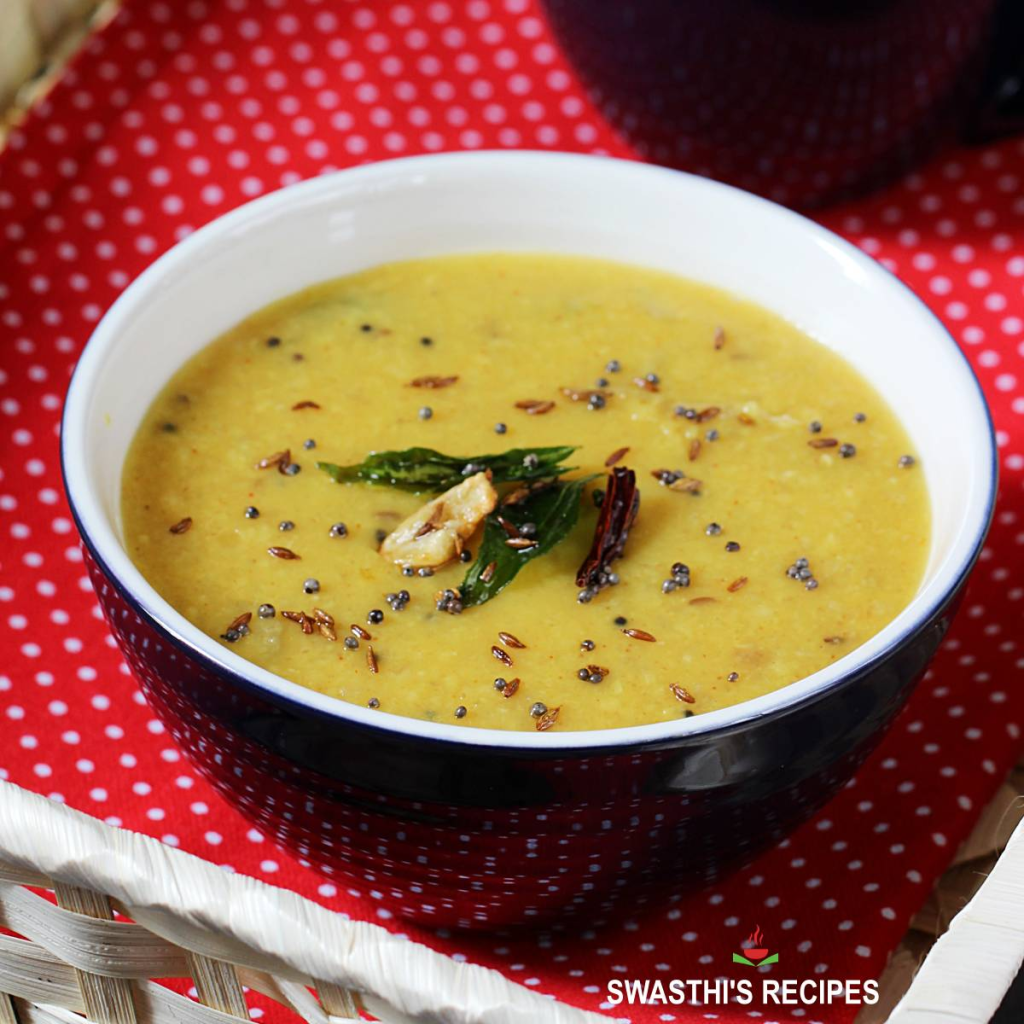
Vtamin and nutrition breakdown for Dosakaya Pappu:
🧬 Nutritional Matrix: Dosakaya Pappu
: “Soulful Sour: The Nutritional Wisdom of Yellow Cucumber Dal”
🍲 Nutrients per 1 Cup Serving (~250g)
| Nutrient | Amount | Benefit |
|---|---|---|
| Calories | ~180 kcal | Balanced energy |
| Protein | 9 g | Muscle repair and satiety |
| Fat | 6 g | Healthy fats from tempering oil |
| Carbohydrates | 22 g | Sustained energy |
| Fiber | 5 g | Gut health and detox |
| Vitamin C | 30 mg | Immunity and antioxidant support |
| Vitamin A | 110 µg | Eye and skin health |
| Iron | 2.5 mg | Blood oxygenation |
| Magnesium | 45 mg | Nerve and muscle function |
| Potassium | 400 mg | Electrolyte balance |
| Folate | 90 µg | Cellular regeneration |
🌿 Ayurvedic Dosha Notes
- Pitta: Dosakaya’s sourness may aggravate; balance with ghee or coconut
- Vata: Lentils ground and stabilize; cumin and garlic aid digestion
- Kapha: Mustard seeds and chili stimulate metabolism
⚠️ Wellness Disclaimer
This dish contains lentils, spices, and sour cucumber. May not be suitable for individuals with legume sensitivities, acid reflux, or histamine intolerance. Always consult a healthcare provider for chronic digestive or inflammatory conditions. For ceremonial use, ensure ingredients are ethically sourced and prepared with intention.
🔸 Vellarikka Pachadi (Kerala)
Ingredients: Diced melon, coconut, curd, green chili, ginger, cumin, onion, mustard seeds, curry leaves
Method: Cook melon, grind coconut mix, combine with curd, temper with mustard seeds and curry leaves
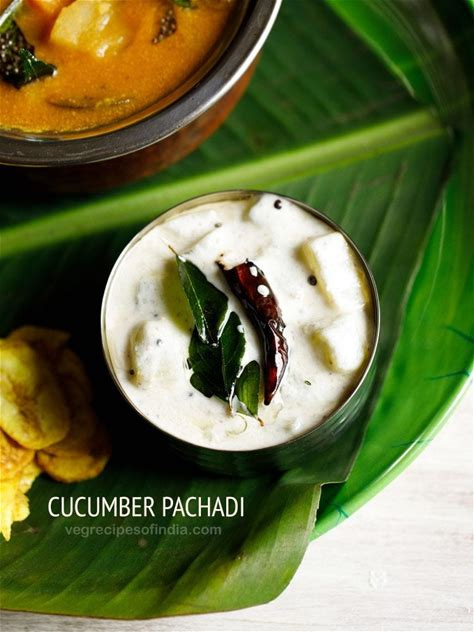
Vellarikka pachadi Cucumber pachadi If you are looking for some different types of Raita Recipes, look no further. This recipe of Vellarikka Pachadi is going to be just the apt one for you. Also known as Cucumber Pachadi, this preparation is a Kerala style raita which is super simple,
🧬 Nutritional Matrix: Vellarikka Pachadi
Title: “Gut Wisdom in a Bowl: The Nutritional Soul of Cucumber Pachadi”
🥣 Core Nutrients per 200g Serving
| Nutrient | Amount | Benefit |
|---|---|---|
| Calories | 120 kcal | Light and digestible |
| Water | 178 g | Deep hydration |
| Protein | 3.6 g | Supports tissue repair |
| Fat | 7 g | Satiety and nutrient absorption |
| Fiber | 2 g | Gut motility and detox |
| Vitamin C | 45 mg | Immunity and skin health |
| Vitamin A | 130 µg | Eye and cellular health |
| Magnesium | 40 mg | Nerve and muscle function |
| Potassium | 360 mg | Electrolyte balance |
| Folic Acid | 80 µg | Cellular regeneration |
🌿 Ayurvedic Dosha Notes
- Pitta: Cooling cucumber + curd pacify heat
- Kapha: Mustard seeds + chili stimulate digestion
- Vata: Coconut and cumin ground and nourish
⚠️ Wellness Disclaimer
This dish contains dairy and coconut. Not suitable for those with cucumber allergies or lactose intolerance. Always consult a practitioner for chronic digestive conditions.
This image captures a moment of communal ritual—earth tones, shared food, and reverence. It’s ideal for anchoring your narrative around monsoon comfort, ancestral memory, and the healing power of seasonal foods like Dosakaya Pappu.
🍯 Ritual Jam Recipe (Inspired by Vellarikka Pachadi)
Ingredients:
- 1 cup chopped yellow cucumber (Malabar melon)
- ¼ cup grated coconut
- ½ tsp mustard seeds
- ¼ tsp cumin seeds
- 1 green chili
- 1 cup curd (beaten)
- 1 tbsp jaggery (optional for jam twist)
- Curry leaves, dry red chili, coconut oil for tempering
Steps:
- Cook chopped melon with water until soft.
- Grind coconut, mustard, cumin, chili into a paste.
- Mix paste into cooked melon; simmer gently.
- Cool, then stir in beaten curd and jaggery.
- Temper with mustard seeds, red chili, curry leaves in coconut oil.
- Serve in brass bowl with turmeric thread and banana leaf.
⚠️ Wellness Disclaimer
This dish contains dairy and coconut. Not suitable for those with cucumber allergies or lactose intolerance. Always consult a practitioner for chronic digestive conditions.
🌀 Ceremonial Flow
| Step | Gesture | Symbolism |
|---|---|---|
| Hang melon | Above entryway | Invite digestive clarity |
| Light lamp | Coconut oil + turmeric wick | Honor ancestral fire |
| Offer jam | On banana leaf | Nourish body and spirit |
| Chant | Local rain invocation | Bless the monsoon |
⚠️ Safety & Allergen Note
This jam contains dairy and coconut. Always test for sensitivity. Not recommended for those with cucumber allergies or severe IBS during flare-ups.
🥒 Cucumber Pachadi: Vitamins & Nutrition
🌿 Per 200g Serving (Approximate)
| Nutrient | Amount | % Daily Value* |
|---|---|---|
| Calories | 120 kcal | — |
| Water | 178 g | — |
| Total Fat | 7 g | 10.8% |
| Saturated Fat | 2 g | 10% |
| Monounsaturated Fat | 3.8 g | — |
| Polyunsaturated Fat | 1.2 g | — |
| Carbohydrates | 10 g | 3.6% |
| Sugars | 6 g | 12% |
| Fiber | 2 g | 7.1% |
| Protein | 3.6 g | 7.2% |
| Sodium | 450 mg | 19.6% |
| Potassium | 360 mg | 7.7% |
| Vitamin C | 45 mg | 50% |
| Vitamin A | 130 µg | 14% |
| Vitamin E | 1.5 mg | 10% |
| Calcium | 60 mg | 6% |
| Magnesium | 40 mg | 10% |
| Iron | 1.2 mg | 7% |
| Zinc | 0.7 mg | 6% |
| Folic Acid | 80 µg | 20% |
| Biotin | 10 µg | — |
*Based on a 2,000 calorie diet. Values may vary by preparation method2.
🌞 Health Benefits
- Hydration & Cooling: High water content and potassium support electrolyte balance
- Digestive Aid: Ginger, curry leaves, and curd soothe the gut
- Anti-inflammatory: Yogurt + cucumber combo reduces heat-induced inflammation
- Oral Health: Cucumber’s antibacterial properties freshen breath
- Detoxification: Diuretic effect helps flush toxins during monsoon season
🧬 Nutritional Matrix: Vellarikka Pachadi
“Gut Wisdom in a Bowl: The Nutritional Soul of Cucumber Pachadi”
🥣 Core Nutrients per 200g Serving
| Nutrient | Amount | Benefit |
|---|---|---|
| Calories | 120 kcal | Light and digestible |
| Water | 178 g | Deep hydration |
| Protein | 3.6 g | Supports tissue repair |
| Fat | 7 g | Satiety and nutrient absorption |
| Fiber | 2 g | Gut motility and detox |
| Vitamin C | 45 mg | Immunity and skin health |
| Vitamin A | 130 µg | Eye and cellular health |
| Magnesium | 40 mg | Nerve and muscle function |
| Potassium | 360 mg | Electrolyte balance |
| Folic Acid | 80 µg | Cellular regeneration |
🌿 Ayurvedic Dosha Notes
- Pitta: Cooling cucumber + curd pacify heat
- Kapha: Mustard seeds + chili stimulate digestion
- Vata: Coconut and cumin ground and nourish
⚠️ Wellness Disclaimer
This dish contains dairy and coconut. Not suitable for those with cucumber allergies or lactose intolerance. Always consult a practitioner for chronic digestive conditions.

And if your Pachadi turns out too spicy, just ask the pumpkin—he’s clearly seen things. From ceremonial calm to chili chaos, this bowl’s got soul, sass, and a sidekick with painted eyeballs. May your rituals be flavorful, your cucumbers crisp, and your kitchen spirits always mischievous.
Availability in the U.S.
the Malabar melon—also known as Malabar gourd, fig leaf gourd, or shark fin squash—is available in the U.S., primarily as seeds for home cultivation 🌱.
Amazon: You can purchase seeds labeled as Shark Fin Squash or Malabar Gourd. These are typically sold for gardening purposes and are described as warm-season annuals with edible fruit, seeds, and greens.
- Etsy: Sellers like SerendipitySeeds offer heirloom, non-GMO Malabar gourd seeds. These are shipped from Texas and praised for their use in jams, sweets, and even as cucumber substitutes when young.
- TradeWinds Fruit: Offers detailed growing guidance and sells seeds for Cucurbita ficifolia, the botanical name for Malabar melon. It’s noted for its long storage life and versatility in both sweet and savory dishes.
🍈 Quick Facts
- Botanical Name: Cucurbita ficifolia
- Common Names: Malabar gourd, fig leaf gourd, chilacayote, seven-year melon
- Uses: Jam-making, soups, sweets, edible seeds, and greens
- Growing Zones: Best in USDA Zone 10 or warmer; can be grown as an annual in cooler climates
- Cultural Roots: Popular in Latin America and Asia, often used in diabetic-friendly dishes and ceremonial sweets
Malabar Gourd @ Tradewindsfruit.com
 EJADA
EJADA 
Leave a comment