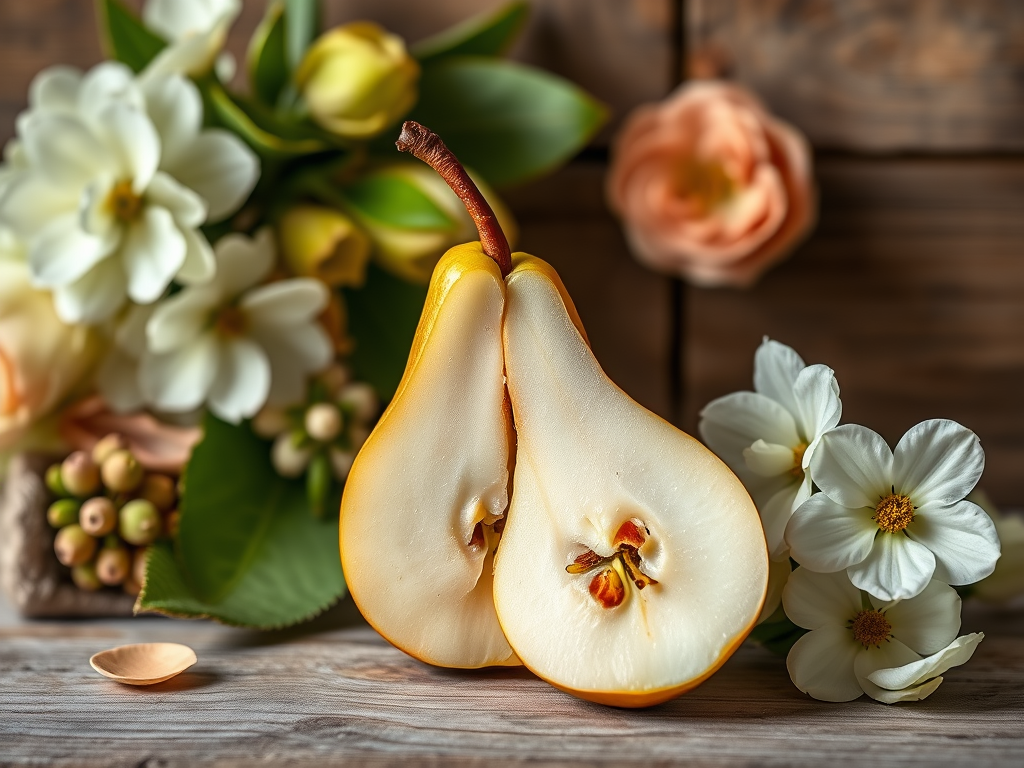
🍐 Louise Bonne of Jersey: A Fruit with Noble Roots
French Roots: The Louise Bonne of Jersey pear traces its lineage to Normandy, France, where it was first cultivated in the early 18th century. Its name honors Louise Bonne, the mother of Napoleon III, linking it to imperial French history and aristocratic gardens.
Jersey Connection: Despite its French origin, the pear gained popularity in the Channel Islands, particularly Jersey, where it thrived in the temperate maritime climate. The name “of Jersey” reflects its strong association with the island’s orchards and horticultural traditions.
English Adoption: By the mid-1700s, the pear had crossed the Channel and was embraced by English gardeners. It became a staple in Victorian-era walled gardens, prized for its elegant appearance and refined flavor. It was often featured in botanical illustrations and fruit catalogues of the time.
Heirloom Status: Today, Louise Bonne of Jersey is considered an heirloom variety, preserved by heritage orchardists and fruit enthusiasts. Its cultivation is a nod to traditional European pomology and the slow food movement, celebrating biodiversity and historical flavor profiles.
Cultural Symbolism: The pear embodies a blend of French elegance and English pastoral charm. It’s a fruit that speaks to cross-cultural horticultural exchange, colonial garden aesthetics, and the enduring appeal of old-world flavors.
🍐 Flavor Profile: Where Elegance Meets Earthiness
The Louise Bonne of Jersey pear is a sensory experience that unfolds in layers—delicate, aromatic, and deeply satisfying.
🌸 Aroma & First Bite
- Fragrance: A floral bouquet with notes of rosewater, honeysuckle, and a whisper of musk.
- Initial Texture: Crisp and refreshing when freshly picked, with a satisfying snap that gives way to juicy flesh.
🍯 Mid-Palate Complexity
- Flavor Notes: A harmonious blend of honeyed sweetness, subtle spice, and a faint citrus tang.
- Acidity Balance: Gentle tartness that lifts the sweetness, making it ideal for pairing with rich or savory ingredients.
🧈 Ripened Transformation
- Texture Shift: As it ripens, the flesh softens to a buttery, melt-in-your-mouth consistency.
- Flavor Deepens: Earthier undertones emerge—think almond, vanilla bean, and late-season apple.
🥂 Culinary Pairings
- Cheese Boards: Stunning with aged cheddar, brie, or Roquefort.
- Desserts: Poached in saffron syrup, baked into almond frangipane tarts, or layered in parfaits.
- Drinks: Blends beautifully into pear tonics, shrub infusions, or sparkling perry.
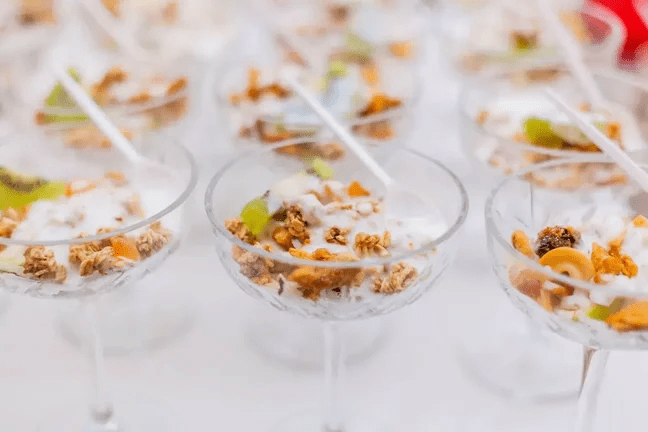
Poached Pear Parfait with Mascarpone: Layers of Luxury
Desserts are more than just flavor; it is an experience, a delight for all senses. Consider a creamy, luscious treat layered with the delicate sweetness of poached pears. (FULL RECIPE)
🍐 It’s not just a whopper in size, but in flavor, heritage, and visual appeal.
🍐 Nutritional Notes: Louise Bonne of Jersey Pear
- High in fiber, vitamin C, and antioxidants.
- Traditionally used in digestive tonics and skin-soothing remedies.
🧬 Nutritional Profile (Per 100g)
| Nutrient | Amount | Benefits |
|---|---|---|
| Calories | 50–62 kcal | Low-calorie, ideal for light desserts |
| Carbohydrates | 13–15.76g | Natural energy source |
| Sugars | 9g | All naturally occurring—no added sweeteners |
| Dietary Fiber | 3.1–4g | Supports digestion, satiety, and blood sugar balance |
| Protein | 0.4–1g | Minimal, but contributes to overall intake |
| Vitamin C | 4.4–7.98mg | Antioxidant, immune support |
| Potassium | 116mg | Heart health, muscle function |
| Iron | 0.18–2mg | Supports oxygen transport and energy |
| Magnesium | 7mg | Nerve and muscle function |
| Water Content | 83.6g | Excellent hydration source |
🌿 Nutritional & Phytochemical Highlights
- Vitamin C: Boosts immunity, collagen production, and skin clarity.
- Dietary Fiber (Pectin): Supports gut health, regulates blood sugar, and aids detoxification.
- Polyphenols & Flavonoids: Found in the red-blushed skin—antioxidant, anti-inflammatory, and potentially anti-carcinogenic.
- Natural Sugars (Fructose & Sorbitol): Gentle on glycemic load, ideal for low-GI diets.
🧠 Functional Wellness Applications
- Gut Microbiome Support: Soluble fiber feeds beneficial bacteria, enhancing digestion and mood.
- Skin & Cellular Health: Antioxidants help reduce oxidative stress and promote cellular repair.
- Hydration & Electrolyte Balance: High water content and trace minerals support fluid balance.
- Sustained Energy: Natural sugars + fiber = slow-release energy without spikes.
🍽️ Culinary Synergy
- Poached in Herbal Infusions: Cinnamon, clove, and elderflower enhance circulatory and respiratory benefits.
- Layered in Parfaits: Mascarpone and spiced poached pears create a luxurious, gut-friendly dessert.
- Baked in Low-Sugar Cakes: Paired with raspberries and nuts for protein-rich, breakfast-friendly options.
🌸 Ecological & Cultural Notes
- Pollinator-Friendly Blossoms: Spring flowers attract bees, supporting biodiversity.
- Named for Queen Louise: Introduced to Jersey from Normandy in the 18th century, celebrated in Victorian England.
- Non-Toxic Fruit: Safe for humans and pets (though seeds contain amygdalin, like most pears).
🌱 Growing & Harvesting Wisdom
Hardy & Productive: Upright tree with strong limbs, ideal for cordon or espalier growing.
🌿 Medicinal & Functional Benefits
Early Season Variety: Ripens late August to early September.
Best Picked Slightly Underripe: Then ripened off-tree to preserve nutrients and flavor.
Native fruits aren’t just flavorful—they’re pharmacological powerhouses rooted in centuries of indigenous wisdom. Their bioactive compounds offer a spectrum of healing benefits that modern science is only beginning to validate.
🍐 Louise Bonne of Jersey Pear
| Nutrient | Amount per 100g | Functional Role | Wellness Synergy |
|---|---|---|---|
| Vitamin C | 4.4–7.98 mg | Immunity, collagen production, antioxidant defense | Pairs well with berries for skin-boosting blends |
| Vitamin A | 23 IU | Vision, cellular growth, skin health | Enhances glow when combined with mango or lucuma |
| Vitamin K | Trace | Blood clotting, bone metabolism | Complements leafy greens in bone-support recipes |
| B Vitamins | Small amounts | Energy metabolism, nerve health | Ideal in breakfast parfaits with oats & seeds |
| Iron | 2 mg | Oxygen transport, energy levels | Boosts vitality when paired with citrus or cacao |
| Potassium | 116 mg | Blood pressure regulation, fluid balance | Balances electrolytes in post-workout smoothies |
| Dietary Fiber | 3–4 g | Digestive health, satiety | Supports gut health in probiotic-rich pairings |
🍐 Louise Bonne of Jersey Pear
🌿 Vitality Ritual Card
| Aspect | Vitality Insight |
|---|---|
| Botanical Origin | Normandy heirloom (c. 1780), beloved in Jersey & Victorian England |
| Seasonal Energy | Early harvest (late August–September) aligns with autumnal wellness resets |
| Nutritional Power | Vitamin C, pectin, polyphenols, and sorbitol for immunity, gut health & energy |
| Culinary Rituals | Poached in cinnamon & star anise, layered in mascarpone parfaits, baked in cakes |
| Ecological Role | Pollinator-friendly blossoms, ideal for cordon/espalier growing in small gardens |
| Functional Benefits | Supports digestion, hydration, skin clarity, and sustained energy |
| Cultural Legacy | Named for Queen Louise; symbol of orchard refinement and seasonal celebration |
🍽️ Featured Recipe: Poached Pear Parfait with Mascarpone
A tiered dessert of spiced poached Louise Bonne pears, creamy mascarpone, and crunchy granola or nuts.
Spices: Cinnamon, star anise, vanilla
Layers: Granola → Mascarpone cream → Poached pear slices
Garnish: Poaching syrup drizzle + toasted almonds
🍰 Bonus Ritual: Pear & Raspberry Breakfast Cake
Low-sugar, protein-rich loaf with crushed nuts and gluten-free flour—perfect for morning vitality
Louise Bonne of Jersey Pear 🍐
🌍 Origins & Naming
Raised in 1780 by M. de Longueval in Avranches, Normandy.
Originally named Bonne Louise de Longueval, dedicated to his wife.
Later renamed Louise Bonne de Jersey after gaining popularity in the Channel Islands and Victorian England.
Honored Queen Louise, wife of King Charles X of France.
🧺 Folk & Culinary Traditions
Poached in Spiced Syrups: Cinnamon, star anise, and elderflower infusions were used to enhance respiratory and circulatory health.
Preserved in Honey or Wine: Used in winter tonics and festive desserts—believed to “warm the blood” and aid digestion.
Layered in Parfaits: Mascarpone and nuts added for grounding energy and gut balance.
Autumn Rituals: Early harvest aligned with seasonal transitions and equinox celebrations.
🧪 Traditional & Ethnobotanical Notes
Vinous Flavor & Melting Flesh: Symbolized abundance and sensuality in French folklore.
Pollinator-Friendly Blossoms: Spring flowers supported bee populations, linking the pear to fertility and renewal.
Cordons & Espaliers: Grown in ornamental kitchen gardens—valued for beauty, productivity, and space efficiency.
🧘♀️ Medicinal Echoes
Pectin & Polyphenols: Used in digestive tonics and skin poultices.
Sorbitol Content: Mild laxative effect, traditionally used for gentle cleansing.
Vitamin C & Antioxidants: Folk healers associated it with vitality, clarity, and seasonal immunity.
Vinous Sweetness: Historically prized for its “saccharine, well-flavoured juice” and buttery flesh, often used in digestive tonics and gentle laxatives.
French Apothecary Roots: Originating in Normandy (circa 1780), it was favored in early European herbalism for its cooling and moistening qualities—ideal for dry coughs and overheated constitutions.
Seasonal Synergy: Ripens in late summer to early fall, aligning with seasonal detox rituals and harvest-based immunity tonics.
🍐 Seasonal Ritual of the Louise Bonne of Jersey Pear
🌿 Origin & Ancestral Lore
- Rooted in Normandy (circa 1780), the Louise Bonne pear was originally known as Bonne Louise or Louise d’Avranches.
- It gained prominence in Victorian England after being introduced to the Channel Island of Jersey, where it became a symbol of refined taste and seasonal abundance.
- Traditionally gifted during late summer harvest festivals, it was associated with fertility, sweetness of life, and the turning inward of autumnal reflection.
🕯️ Ritual Timing: Late August to Early September
- The pear ripens just as summer wanes, making it ideal for Equinox ceremonies and first-fruit offerings.
- Orchardists often pick it slightly underripe, allowing it to soften off the tree—mirroring the theme of patience and transformation.
🍯 Ritual Practices
| Element | Symbolism | Action |
|---|---|---|
| Poached Pear Offering | Sweetness, softness, ancestral memory | Serve warm with elderflower syrup or cinnamon |
| Blossom Infusion | Renewal, pollinator blessing | Brew tea from pear blossoms (if available) |
| Vinous Tasting Ritual | Earth’s richness, sensory awakening | Taste with mascarpone or aged cheese |
| Seed Saving Ceremony | Continuity, ecological stewardship | Dry and store seeds for spring planting |
🌟 Closing Reflection: A Fruitful Invitation
As the golden blush of the Louise Bonne pear signals the shift from summer’s exuberance to autumn’s introspection, we’re reminded that nature’s timing is never rushed. This heirloom fruit invites us to savor softness, honor sweetness, and celebrate the quiet rituals that root us in tradition and transformation.
Whether poached in elderflower syrup, layered into a parfait, or offered in ceremony, the Louise Bonne becomes more than a pear—it becomes a symbol of seasonal grace.
So here’s to the harvest. To the stories we preserve. And to the sweetness we carry forward.
 EJADA
EJADA 
Leave a comment