
🍒 On our journey of little known fruits, this is what I have next: Lovi-Lovi
Bold, tart, and brimming with medicinal mystique, Lovi-Lovi (Flacourtia inermis) is a tropical treasure that’s been quietly healing and flavoring communities across Southeast Asia and beyond. Known as Batoko Plum or Plum-of-Martinique, this cherry-sized fruit packs a punch of acidity and antimicrobial power that makes it a standout in both kitchens and herbal traditions.
🌿 What Makes Lovi-Lovi Special?
Origin: Native to the Philippines and Indonesia; now found across tropical Asia and Africa
Flavor: Tart, sour, and astringent—rarely eaten raw, but transforms beautifully when cooked
Medicinal Use: Traditionally used to treat sore throats, digestive issues, and infections
🍒 Nutritional Profile of Lovi-Lovi
Lovi-Lovi is a sour, cherry-like fruit packed with wellness-enhancing compounds:
| Nutrient | Benefit |
|---|---|
| Vitamin C | Boosts immunity, supports collagen production |
| Vitamin A | Promotes eye health and skin regeneration |
| Vitamin B1, B2, B3 | Supports energy metabolism and nervous system |
| Anthocyanins (108 mg/100g) | Powerful antioxidants, anti-inflammatory effects |
| Polyphenols (1.28 g GAE/100g) | Protects cells from oxidative stress |
| Quinic & Malic Acid | Aids digestion and detoxification |
🌿 Medicinal Uses of Lovi-Lovi
Traditionally used across Southeast Asia and the Pacific, Lovi-Lovi offers a range of healing benefits:
Digestive Aid: Boiled fruit juice is used to treat diarrhea, nausea, and vomiting
Throat Relief: Warm infusions soothe sore throats and coughs
Anti-inflammatory: Rich in antioxidants that reduce inflammation and support recovery
Antiviral & Anticancer Potential: Due to its high antioxidant content
Culinary Medicine: Used in jams, chutneys, pickles, and syrups that double as wellness tonics
🍴 How It’s Used
Jams & Jellies: Sugar tames its wild tartness
Chutneys & Pickles: A rebellious twist on condiments
Fermented Drinks: Think vinegars and fruit wines
Medicinal Teas: Boiled fruit infusions for wellness

Fruit-Infused Herbal Tea – A Meal In Mind
If you plan to add cut strawberries, as in this version, make them the last ingredient before serving. They are a pretty garnish, but over time, the fruit tends to soften and look mushy around the cut edges.
🌱 Grow It Yourself
Sunlight: Full sun lover
Soil: Moist, well-drained
Fruiting Time: 3–4 years to yield
Care: Moderate pruning boosts fruit production
🕰️ Historical Origins & First Use
Native Region: Lovi-Lovi is native to the Philippines and Indonesia, and has naturalized across tropical Asia and Africa.
Earliest Uses: Traditional communities in Indonesia, Malaysia, and the Philippines used the fruit in folk medicine and culinary preparations. It was boiled into teas, made into jams, and used to treat ailments like diarrhea, throat pain, and nausea.
Scientific Introduction: In the Philippines, the fruit was formally introduced from Sumatra, Indonesia by Dr. Roberto Coronel in 1987, and it fruited for the first time in 2002.
Eponymous Roots: The genus Flacourtia was named after Etienne de Flacourt, a 17th-century governor of Madagascar, known for documenting extinct species like the elephant bird.
🌿 Traditional Medicinal Use
Fruit Juice: Used to treat digestive issues and throat infections
Leaves & Bark: Applied to wounds, rheumatic pain, and even snake bites in some villages
Cultural Preparations: In Indonesia, it’s featured in rujak and asinan—spicy fruit and vegetable dishes with medicinal undertones
The Lovi-Lovi is sometimes called Lobi-Lobi, and the variation reflects its rich cultural journey across Southeast Asia.
🌍 Names Across Cultures
| Name | Region / Language |
|---|---|
| Lovi-Lovi | Philippines, English-speaking regions |
| Lobi-Lobi | Indonesia, Malaysia, Java |
| Louvi Plum | Caribbean, French-speaking regions |
| Batoko Plum | English (alternative name) |
| Plum of Martinique | French colonial reference |
| Tome-Tome | Ternate (North Maluku, Indonesia) |
| Lubi-Lubi | Batak and Malay dialects |
These names all refer to the same species: Flacourtia inermis, a sour, cherry-like fruit used in traditional medicine and culinary preparations.
🌺 Cultural Identity: In Indonesia, Lobi-Lobi Is More Than Just a Fruit
In Indonesia, Lobi-Lobi isn’t just a tart fruit—it’s a cultural thread woven into everyday life, especially in Java, Sumatra, and the Maluku Islands. Its presence in traditional dishes like rujak (a spicy fruit salad with chili and peanut sauce) and asinan (pickled vegetables or fruits in vinegar and chili) reflects its deep culinary and communal roots.
- Culinary Rituals: Lobi-Lobi is often prepared during family gatherings and festive occasions, where its sourness is balanced with bold spices—symbolizing harmony through contrast.
- Language & Identity: The name “Lobi-Lobi” varies across dialects—Tome-Tome in Maluku, Lubi-Lubi in Batak, Rukem Belanda in Malay—showing how the fruit adapts to local identity while preserving its core essence.
- Medicinal Heritage: In village traditions, the fruit, bark, and leaves are used to treat ailments like sore throats, digestive issues, and even snake bites—passed down through generations as part of indigenous healing systems.
- Symbol of Resilience: Its sourness is embraced, not masked—mirroring the Indonesian ethos of finding strength and flavor in life’s challenges.
✨ Why the Name Variations Matter
Linguistic Drift:
As the fruit spread across islands and cultures, its name adapted to local phonetics and dialects.
Linguistic drift—the gradual, unconscious evolution of language—has left its mark on the name and identity of Lobi-Lobi across Southeast Asia. As the fruit traveled through trade routes, colonial influence, and oral traditions, its name morphed, adapted, and localized, becoming a linguistic mirror of cultural transformation.
- From Lobi-Lobi to Tome-Tome: In Maluku and South Halmahera, the fruit is known as Tome-Tome or Tombi-Tombi, reflecting Austronesian phonetic patterns and regional dialects.
- Malay Variants: In Malay-speaking regions, it’s Rukem Belanda, Tomi-Tomi, or Rokam Masam—names that blend indigenous terms with colonial references like “Belanda” (Dutch), hinting at historical entanglements.
- Batak & Tagalog Twists: In Batak, it’s Lubi-Lubi or Balakko, while in Tagalog it becomes Ratiles—each version shaped by local phonology and cultural nuance.
- Colonial Echoes: The French Prune de la Martinique and Spanish Ciruela de Martinica suggest colonial naming conventions that exoticized the fruit for European audiences.
- Semantic Drift: Some names emphasize taste (Masam = sour), others geography (Belanda = Dutch), and some reflect botanical traits (Thornless Rukam)—showing how language encodes perception.
This drift isn’t just linguistic—it’s cultural. Each name carries a story of migration, adaptation, and identity, making Lobi-Lobi a living archive of Southeast Asian history.
🔄 Semantic Drift: How Meaning Morphs Across Time and Culture
Semantic Drift: refers to the subtle, often unconscious shift in a word’s meaning over time. With Lobi-Lobi, this drift isn’t just linguistic—it’s a reflection of cultural reinterpretation, colonial influence, and ecological intimacy.
From Botanical to Symbolic: Originally referring to the sour, thornless fruit of Flacourtia inermis, “Lobi-Lobi” has evolved in some regions to connote bitterness, resilience, or nostalgia—especially in folk songs and oral storytelling.
Colonial Reframing: European names like Plum of Martinique or Ciruela de Martinica reframed the fruit as exotic and ornamental, stripping it of its indigenous medicinal and culinary significance.
Taste as Metaphor: In Malay and Tagalog, variants like Rukam Masam (“sour Rukam”) and Ratiles have shifted from botanical descriptors to metaphors for emotional sharpness or youthful rebellion.
Digital Drift: In modern wellness branding, “Lobi-Lobi” is sometimes marketed as a “superfruit,” a term that flattens its cultural depth into a health buzzword—an example of semantic drift driven by global commerce.
Phonetic Play: The reduplication in “Lobi-Lobi” (a common Austronesian linguistic trait) originally emphasized abundance or intensity. Today, it’s often stylized for aesthetic appeal, losing its grammatical function but gaining brand charm.
This drift reveals how language isn’t static—it’s a living archive of cultural perception. Every name, every shift, tells a story of how people relate to the fruit, the land, and each other.
In Indonesia, Lobi-Lobi isn’t just a tart fruit—it’s a cultural thread woven into everyday life, especially in Java, Sumatra, and the Maluku Islands. Its presence in traditional dishes like rujak (a spicy fruit salad with chili and peanut sauce) and asinan (pickled vegetables or fruits in vinegar and chili) reflects its deep culinary and communal roots.
- Culinary Rituals: Lobi-Lobi is often prepared during family gatherings and festive occasions, where its sourness is balanced with bold spices—symbolizing harmony through contrast.
- Language & Identity: The name “Lobi-Lobi” varies across dialects—Tome-Tome in Maluku, Lubi-Lubi in Batak, Rukem Belanda in Malay—showing how the fruit adapts to local identity while preserving its core essence.
- Medicinal Heritage: In village traditions, the fruit, bark, and leaves are used to treat ailments like sore throats, digestive issues, and even snake bites—passed down through generations as part of indigenous healing systems.
- Symbol of Resilience: Its sourness is embraced, not masked—mirroring the Indonesian ethos of finding strength and flavor in life’s challenges.
🍽️ Culinary Rituals: Lobi-Lobi as a Vessel of Memory and Meaning
In Indonesia, culinary rituals involving Lobi-Lobi are more than recipes—they’re acts of remembrance, resistance, and renewal. The fruit’s sourness is embraced in communal dishes that celebrate contrast, balance, and boldness.
Indonesian Traditions
- Rujak & Asinan: Lobi-Lobi is a key ingredient in rujak, a spicy fruit salad with chili and peanut sauce, and asinan, a vinegar-based vegetable or fruit pickle. These dishes are often prepared during family gatherings, festivals, and rites of passage—symbolizing unity through diversity.
- Flavor as Philosophy: The sourness of Lobi-Lobi is not masked but amplified, reflecting the Indonesian ethos of finding beauty in boldness and harmony in contrast.
- Seasonal Offerings: In some regions, Lobi-Lobi is offered during harvest festivals or used in ancestral rites, where food becomes a medium of spiritual connection.
🌏 Rituals Across Cultures
- Communal Preparation: Like Ethiopia’s shared injera plate or India’s Diwali sweets, Lobi-Lobi dishes are often prepared together—fostering intergenerational bonding and storytelling.
- Symbolic Ingredients: Just as the Japanese tea ceremony uses matcha to evoke purity and mindfulness, Lobi-Lobi’s tartness evokes resilience, cleansing, and vitality.
- Resistance to Globalization: These rituals preserve indigenous identity in the face of homogenized food culture. Preparing Lobi-Lobi in traditional ways is an act of cultural stewardship.
🌀 Ritual as Rebellion
In modern wellness branding, Lobi-Lobi is often reimagined as a “superfruit.” But in its native culinary rituals, it remains a rebellious fruit—unapologetically sour, deeply rooted, and fiercely communal.

🍯 Lovi-Lovi Jam (Sri Lankan Style)
A sweet-tart preserve that honors the fruit’s natural intensity and healing heritage.
🧂 Ingredients:
- 2 cups fresh Lovi-Lovi fruit (washed and deseeded)
- 1½ cups cane sugar or jaggery
- ½ cup water
- 1 tsp lime juice
- Optional: 1 cinnamon stick or 2 cloves for warmth
🔥 Instructions:
- Prep the Fruit: Slightly crush the Lovi-Lovi to release juices.
- Cook Down: In a saucepan, combine fruit, water, and sugar. Simmer over medium heat.
- Flavor Boost: Add lime juice and spices. Stir occasionally until thick and glossy (about 20–30 minutes).
- Bottle It: Pour into sterilized glass jars. Let cool before sealing.
🌿 Cultural Notes:
- Traditionally made during monsoon season when Lovi-Lovi is abundant.
- Used as a spread, a tangy dip for rice crackers, or a healing spoonful for sore throats.
Here’s a bold, flavor-packed recipe for Lovi-Lovi Sesame Chicken, inspired by Southeast Asian culinary traditions and your brand’s rebellious flair:
🍗 Lovi-Lovi Sesame Chicken
A tangy, umami-rich dish that balances the sour punch of Lovi-Lovi with toasted sesame and aromatic spices.
🧂 Ingredients:
- 1 lb boneless chicken thighs (cut into bite-sized pieces)
- ½ cup fresh Lovi-Lovi pulp (or substitute with tart plum if unavailable)
- 2 tbsp soy sauce
- 1 tbsp sesame oil
- 1 tbsp honey or palm sugar
- 2 cloves garlic (minced)
- 1 tsp grated ginger
- 1 tbsp rice vinegar
- 1 tbsp toasted sesame seeds
- Optional: sliced red chili or scallions for garnish
🔥 Instructions:
- Marinate: Combine Lovi-Lovi pulp, soy sauce, sesame oil, honey, garlic, ginger, and vinegar. Toss chicken in the marinade and let sit for 30 minutes.
- Sear: Heat a skillet over medium-high. Cook chicken until browned and cooked through (about 6–8 minutes).
- Glaze: Pour remaining marinade into the pan and simmer until thickened and glossy.
- Finish: Sprinkle with toasted sesame seeds and garnish with chili or scallions.
🌿 Cultural Notes:
- Inspired by the balance of sweet, sour, and umami found in Indonesian and Filipino cooking.
- Lovi-Lovi’s tartness cuts through the richness of sesame and soy, creating a bold, layered flavor profile.
- Serve with jasmine rice or coconut-infused millet for a complete meal.
🌱 Vegan Lovi-Lovi Sesame Stir-Fry
Bold. Tart. Plant-powered. A modern twist on Southeast Asian tradition.
🧂 Ingredients:
- 1½ cups young green jackfruit (shredded) or 1 block tempeh (cubed)
- ½ cup fresh Lovi-Lovi pulp (or tart plum substitute)
- 2 tbsp soy sauce or tamari
- 1 tbsp sesame oil
- 1 tbsp coconut sugar or agave
- 2 cloves garlic (minced)
- 1 tsp grated ginger
- 1 tbsp rice vinegar
- 1 tbsp toasted sesame seeds
- Garnish: chili flakes, scallions, Thai basil
🔥 Instructions:
- Prep:
- Jackfruit: rinse, drain, shred.
- Tempeh: steam 10 min, cube.
- Marinate: Mix Lovi-Lovi pulp, soy sauce, sesame oil, sweetener, garlic, ginger, vinegar. Coat jackfruit or tempeh. Marinate 30 min.
- Sear & Simmer: Sauté until golden. Add marinade. Simmer until sticky and fragrant.
- Finish: Sprinkle sesame seeds. Garnish with herbs or chili.
🌿 Cultural Callouts:
- Jackfruit mimics shredded chicken texture; tempeh adds earthy depth.
- Lovi-Lovi’s sourness honors indigenous flavor philosophy: boldness = balance.
- Serve with coconut rice or sautéed greens for a complete plant-based plate.
Lovi-Lovi (Flacourtia inermis)
is available in the U.S.—though it’s considered a rare tropical fruit tree and typically sold through specialty nurseries.
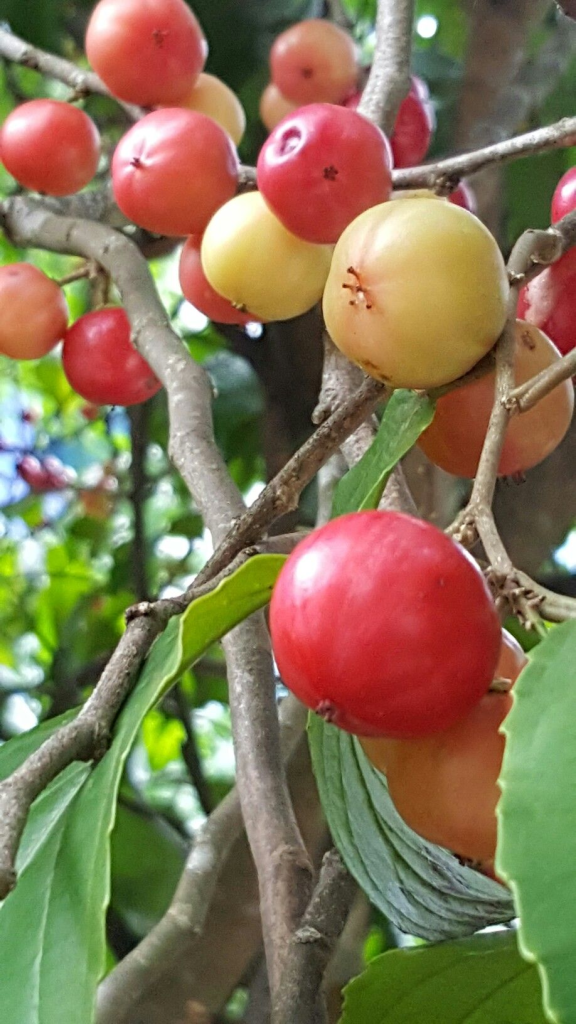
Lobi-lobi ( Flacourtia inermis ) | Lobbies (Flacourtia inermis) is a …
🌿 Where to Find It:
- Urban Tropicals offers the Lovi-Lovi Batoko Plum Tree for purchase online. It’s described as rich in vitamin C and antioxidants, with brilliant scarlet fruits used in chutneys, jams, and wines.
- Royal Paradise Garden also lists the Sweet Lovi Fruit Plant as an exotic perennial, grown for both its edible fruit and ornamental foliage.
🧭 Availability Notes:
- Best suited for USDA Zones 10a–11 (warm climates), but can be grown in containers and brought indoors during colder months.
- Not commonly found in mainstream grocery stores—more likely to be grown by tropical fruit enthusiasts or found at specialty markets.
⚠️ Precautions
- Sourness & Acidity: Lovi-Lovi fruit is intensely sour and astringent when raw. Excessive consumption may irritate the stomach lining or cause acid reflux in sensitive individuals.
- Allergic Reactions: Though rare, some people may experience allergic responses to tropical fruits. Introduce gradually if trying for the first time.
- Unripe Fruit: Avoid eating unripe Lovi-Lovi in large quantities—it may be overly acidic and harsh on digestion.
- Pregnancy & Medication: If pregnant, nursing, or on medication, consult a healthcare provider before using Lovi-Lovi medicinally.
📝 Disclaimer
This content is for informational and cultural storytelling purposes only. It does not constitute medical advice, diagnosis, or treatment. Always consult a qualified health professional before making dietary or wellness changes. EJADA celebrates indigenous wisdom and ecological heritage, and encourages respectful, informed engagement with traditional plants.
 EJADA
EJADA 
Leave a comment