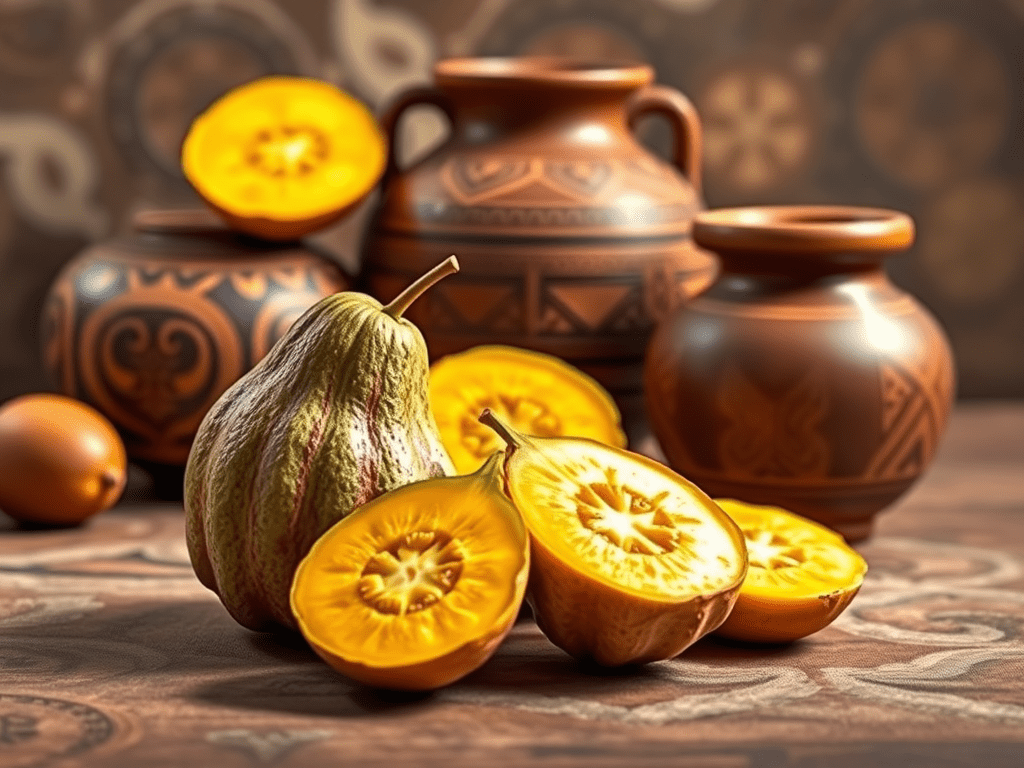
Lucuma, the South American little-known superfruit, has been cherished for millennia in the high valleys of Peru, Chile, and Ecuador. With its golden flesh and maple-like flavor, lucuma was once revered as the “Gold of the Incas”—a symbol of abundance and vitality. Long before modern superfoods hit the shelves, ancient cultures cultivated lucuma not just for nourishment, but for ceremony, medicine, and myth.
🏺 Lost Fruits of the Andes: Lucuma
🌄 Origins & Reverence
- Native to Peru, Ecuador, Bolivia, and northern Chile, lucuma has been cultivated for over 2,000 years.
- First documented by Europeans in 1531, but revered by Moche, Chimu, and Inca civilizations long before.
- Found in ceremonial pottery and burial offerings—lucuma wasn’t just food, it was symbolic nourishment.
🥇 Known as “Gold of the Incas”
- Celebrated for its maple-sweet flavor, low glycemic index, and nutrient density.
- Grows at high altitudes (2,700–3,000m), thriving in Andean valleys where few fruits survive.
🧬 Nutritional Legacy
- Rich in beta-carotene, iron, zinc, calcium, and fiber
- Supports immune health, skin vitality, and blood sugar balance
🏺 A Fruit Rooted in Ancestry
Lucuma’s legacy stretches back more than two millennia, woven into the spiritual and agricultural fabric of ancient Andean civilizations.
Long before the rise of the Inca Empire, cultures like the Moche, Chimu, and Nazca cultivated lucuma in the arid valleys of northern Peru.
Its presence in ceremonial pottery and burial offerings suggests that lucuma was more than food—it was a sacred symbol of life, fertility, and divine favor.
- Moche Pottery Depictions: Archaeologists have uncovered ceramic vessels shaped like lucuma fruits, often found in tombs and ritual sites. These artifacts hint at lucuma’s role in spiritual ceremonies and seasonal rites.
- Chimu Agricultural Wisdom: The Chimu people developed sophisticated irrigation systems to grow lucuma in dry coastal regions, showcasing its resilience and value.
- Incan Integration: By the time of the Inca, lucuma was a staple in highland diets and likely used in medicinal preparations, thanks to its nutrient density and healing properties.
Lucuma’s indigenous names—lugma in Ecuador, lucumo in Chile—reflect its linguistic drift and regional reverence. Each name carries echoes of ancestral knowledge, passed down through oral tradition and ecological stewardship.
🌄 Lucuma in Highland Diets & Medicinal Traditions
Lucuma wasn’t just a sweet treat—it was a cornerstone of Andean nourishment and healing. In the high-altitude valleys of Peru, Ecuador, and Bolivia, lucuma was consumed fresh, dried, and ground into flour, making it a versatile staple in daily meals and ceremonial feasts.
🍲 Culinary Uses
- Lucuma flour was mixed into porridges and breads, prized for its natural sweetness and dense nutrition.
- The fruit’s maple-like flavor complemented native ingredients like quinoa, amaranth, and cacao.
- In modern Peru, lucuma remains a beloved flavor in ice creams, smoothies, and desserts—often called the “Peruvian vanilla.”
🌿 Medicinal Applications
Lucuma’s healing reputation stems from its rich nutritional profile and bioactive compounds:
Anti-inflammatory & antioxidant properties: Lucuma contains polyphenols and carotenoids that help reduce inflammation and protect against cellular damage, @ Healthline
Gut health support: Its high fiber content—both soluble and insoluble—promotes digestion, nourishes gut bacteria, and prevents constipation.
Blood sugar balance: Lucuma’s low glycemic index and complex carbohydrates make it a diabetes-friendly sweetener, helping regulate blood sugar spikes, @ WebMD
Immune and heart health: With vitamin C, beta-carotene, and potassium, lucuma supports immune function and cardiovascular wellness.
In traditional Andean medicine, lucuma was often used in tonics and poultices, believed to aid in wound healing and boost vitality. Its reputation as a fertility symbol among the Incas further underscores its spiritual and medicinal significance.
💪 Nutritional Powerhouse
Lucuma isn’t just sweet—it’s stacked with nutrients that support vitality from the inside out. Revered as the “Gold of the Incas,” this fruit earned its status not just for its flavor, but for its impressive nutritional profile and healing potential.
🧬 Key Nutrients
Lucuma is rich in:
- Beta-carotene → Converted into vitamin A, supporting vision, skin health, and immune function.
- Vitamin C → Boosts collagen production, strengthens immunity, and acts as a powerful antioxidant.
- Niacin (Vitamin B3) → Supports metabolism and brain health.
- Iron, Calcium, Potassium, Phosphorus → Essential for bone strength, blood oxygenation, and heart health.
- Soluble & Insoluble Fiber → Promotes gut health, regulates digestion, and supports blood sugar balance.
🛡️ Antioxidant & Anti-inflammatory Power
Lucuma is packed with polyphenols and carotenoids, especially xanthophylls like lutein and zeaxanthin, which:
- Protect against oxidative stress linked to aging, cancer, and heart disease.
- Support eye health by shielding against blue light and macular degeneration.
- Reduce inflammation, lowering the risk of chronic conditions like arthritis and Alzheimer’s.
🩺 Blood Sugar & Heart Health
- Lucuma’s low glycemic index and complex carbs help prevent blood sugar spikes.
- It may inhibit alpha-glucosidase, an enzyme that breaks down carbs into glucose—similar to some antidiabetic drugs.
- Potassium and polyphenols help regulate blood pressure and protect cardiovascular health.
🍂 Lucuma Vitality Matrix
| Benefit Area | 🌿 Key Nutrients & Compounds | ⚡ Functional Impact |
|---|---|---|
| Radiant Skin & Eyes | Beta-carotene, Vitamin C, Lutein, Zeaxanthin | Boosts collagen, protects vision, fights aging |
| Immunity & Healing | Vitamin C, Polyphenols, Iron | Strengthens immune response, reduces inflammation |
| Metabolic Support | Niacin (B3), Fiber, Low GI carbs | Enhances energy metabolism, balances blood sugar |
| Heart & Blood Health | Potassium, Polyphenols, Iron | Regulates blood pressure, supports circulation |
| Gut Harmony | Soluble & Insoluble Fiber | Promotes digestion, nourishes microbiome |
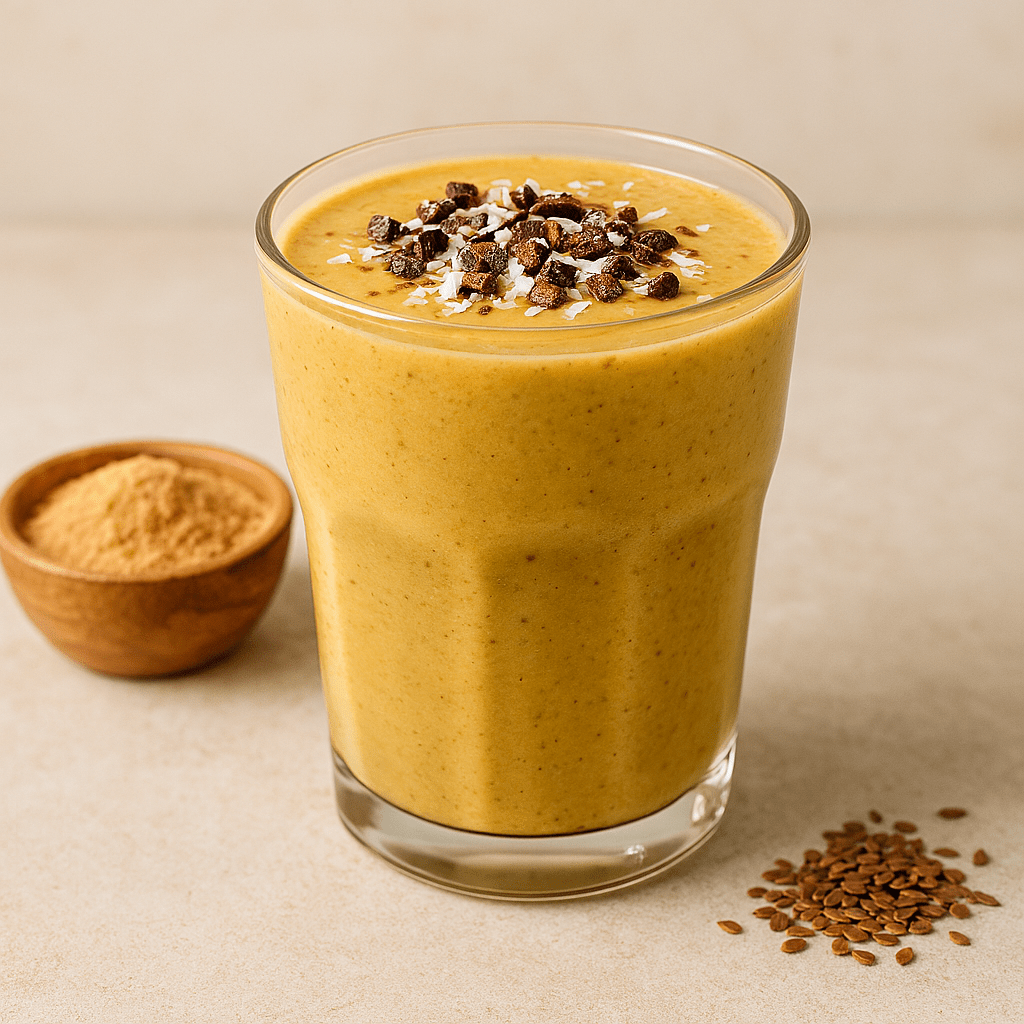
🥄 Lucuma Glow Smoothie Recipe
Ingredients: 1 tbsp lucuma powder
1 frozen banana
½ cup mango chunks
1 cup oat milk
1 tsp flaxseed
Dash of cinnamon
Instructions: Blend until creamy. Top with cacao nibs or coconut flakes for crunch.
✨ A golden blend for skin, energy, and gut health.
Cultural & Ecological Resonance
Lucuma’s story is rooted in sacred soil and ancestral wisdom. It’s more than a fruit—it’s a living symbol of reciprocity between people, land, and spirit.
🏛️ Lucuma Lineage: A Timeline of Reverence
| Era | Cultural Significance | Ecological Role |
|---|---|---|
| Pre-Columbian Andes | Cultivated by the Inca and pre-Inca civilizations; offered in rituals to Inti, the sun god | Grown in high-altitude valleys using agroforestry and companion planting |
| Colonial Period | Survived cultural suppression; remained a staple in indigenous diets | Continued to thrive in biodiverse plots, resisting monoculture pressures |
| Modern Revival | Reclaimed as a superfruit and symbol of indigenous resilience | Promoted as a climate-smart crop in regenerative agriculture systems |
🗺️ Lucuma’s Sacred Terrain
Native Range: Lucuma grows wild and cultivated in Peru, Ecuador, Bolivia, and northern Chile, especially in the Andean valleys between 1,000–2,400 meters elevation.
Ecological Highlights:
- Thrives in dry, nutrient-poor soils—a testament to its resilience.
- Supports pollinators and native biodiversity.
- Often grown alongside quinoa, amaranth, and native herbs, reflecting holistic land stewardship.
🔁 Reciprocity in Action
By choosing lucuma, consumers participate in a circular exchange:
🌱 Support Indigenous Growers: Many lucuma farms are run by smallholder families preserving traditional practices.
🌍 Protect the Planet: Lucuma’s low water needs and pest resistance make it ideal for sustainable farming.
🧬 Honor Ancestral Wisdom: Every spoonful carries the legacy of ecological balance and cultural reverence.
Lucuma’s story is one of resilience and reverence. It thrives in arid, high-altitude climates where few fruits dare to grow
Lucuma in the U.S.: Forms & Availability
🥄 Most Common Forms
| Form | Description | Where to Find |
|---|---|---|
| Lucuma Powder | Dried and ground fruit; used as a natural sweetener in smoothies, baking, and desserts | Health food stores, Amazon, Organifi, specialty retailers2 |
| Frozen Pulp | Flash-frozen lucuma flesh; closest to fresh in flavor and texture | Ethnic supermarkets, online importers |
| Whole Fruit (Rare) | Occasionally grown in California or Hawaii; not widely distributed due to perishability | Farmers markets in select regions3 |
| Lucuma Plants | Saplings for home growing; cold-hardy varieties available for zone-pushing gardens | Specialty nurseries like Wildlands Farm |
🔍 Where to Look
Online Retailers: Amazon, Organifi, HerbaZest, Lucuma.com
Health Food Stores: Whole Foods, Sprouts, Natural Grocers
Ethnic Markets: Especially those serving South American communities
Farmers Markets: In California, Hawaii, or areas with tropical fruit growers
🧠 What to Know Before You Consume Lucuma
Lucuma is a nutrient-rich, culturally revered fruit—but like any superfood, it’s best enjoyed with awareness and intention.
✅ Choose Your Form Wisely
- Lucuma Powder is the most common form in the U.S.—made from dried fruit and designed to preserve nutrients.
- Frozen Pulp is closest to fresh but harder to find.
- Fresh Fruit is rare outside South America due to perishability.
🧪 Nutritional Highlights (per 1 tbsp powder)
- Calories: ~30
- Fiber: 2g
- Sugar: 3g
- Rich in beta-carotene, vitamin C, niacin, potassium, and polyphenols
⚠️ Things to Keep in Mind
1. Moderation Matters
- Lucuma is low on the glycemic index and rich in complex carbs, but it still contains natural sugars.
- Best used as a functional sweetener, not a free-pass indulgence.
2. Substitution Tips
- Works well in smoothies, oatmeal, and yogurt.
- In baking, use a 2:1 ratio (lucuma to brown sugar) and expect a softer texture.
3. Allergies & Sensitivities
- No major allergenic compounds reported, but always test new ingredients in small amounts.
- If you have diabetes or blood pressure concerns, lucuma may offer benefits—but consult your healthcare provider first.
4. Research Is Ongoing
- Lucuma shows promise in blood sugar regulation, heart health, and anti-inflammatory effects, but human studies are limited.
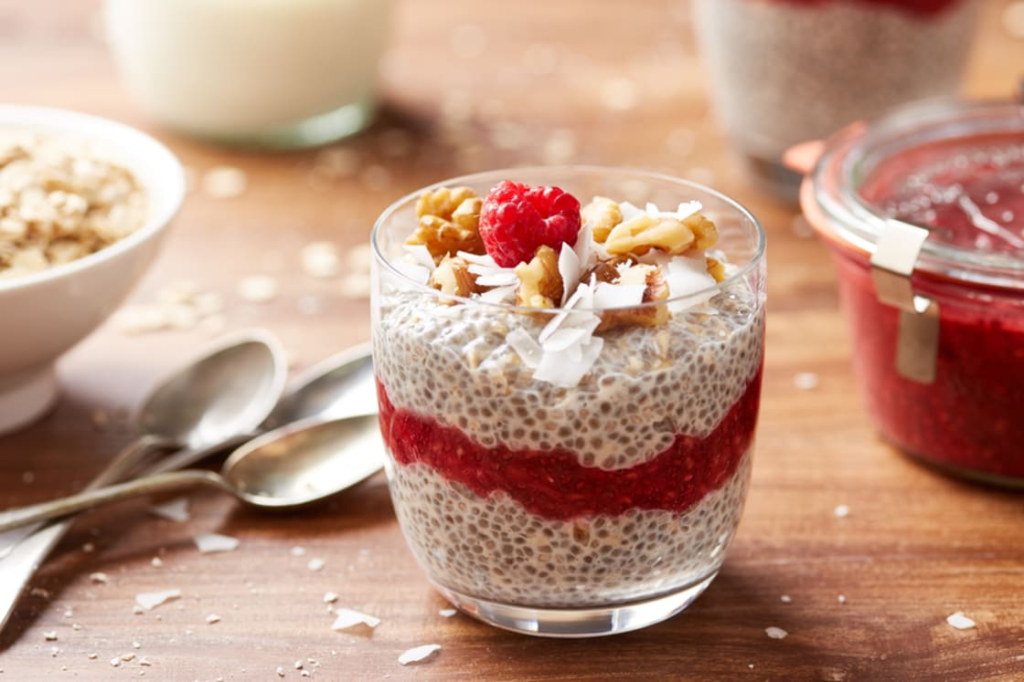
🍮 Lucuma-Spiced Chia Pudding
A creamy, slow-release energy booster that doubles as a gut-friendly treat. This recipe honors lucuma’s golden legacy while layering in texture, fiber, and subtle spice.
🌾 Ingredients
- 2 tbsp chia seeds
- 1 cup plant-based milk (almond, oat, or coconut)
- 1 tbsp lucuma powder
- ½ tsp cinnamon
- ¼ tsp cardamom (optional for warmth)
- 1 tsp maple syrup or raw honey (optional)
- Pinch of sea salt
🌟 Nutritional Highlights
- Lucuma: Antioxidants, vitamin C, and low-GI sweetness
- Chia seeds: Omega-3s, fiber, and complete protein
- Spices: Anti-inflammatory and digestive support: Full recipe
Golden chia pudding layered with cacao cream and lucuma @cookeatlivelove.com
Almond spice lucuma chia pudding in a jar—protein-packed and vibrant @nourishsupermeals.com
🌱 Health Benefits of Chia Seeds
💪 1. Rich in Nutrients
- Just 2 tablespoons contain:
- 9.8g fiber
- 4.7g protein
- 5g omega-3 fatty acids (ALA)
- 14% DV calcium, 23% DV magnesium, 20% DV phosphorus
🧠 2. Supports Brain & Heart Health
- High in omega-3s (ALA), which reduce inflammation and improve cholesterol profiles
- May lower blood pressure and reduce risk of heart disease3
🌾 3. Promotes Digestive Wellness
- Soluble fiber forms a gel-like texture that:
- Softens stool
- Promotes regularity
- Nourishes gut bacteria
🧬 4. Loaded with Antioxidants
- Contains quercetin, kaempferol, chlorogenic acid, and caffeic acid
- These fight oxidative stress, slow aging, and may reduce cancer risk
🍬 5. Helps Regulate Blood Sugar
- Fiber slows digestion and glucose absorption
- Can stabilize blood sugar levels and reduce insulin resistance
🦴 6. Strengthens Bones
- Excellent plant-based source of calcium, magnesium, and phosphorus
- Supports bone density and skeletal health
✨ 7. Boosts Skin Radiance
- Antioxidants and omega-3s help hydrate skin and reduce signs of aging
Lucuma × Chia Synergy Chart
“Sacred Sweetness Meets Strength”
| Benefit Area | 🌰 Chia Seeds | 🍯 Lucuma Powder | Synergy Effect |
|---|---|---|---|
| Energy & Stamina | Omega-3s + complete protein | Low-GI carbs + iron | Sustained energy without spikes |
| Digestive Health | Soluble & insoluble fiber | Prebiotic fiber | Gut-friendly, promotes regularity |
| Blood Sugar Balance | Slows glucose absorption | Natural sweetness, low glycemic index | Sweet without the crash |
| Skin & Cellular Health | Antioxidants (quercetin, ALA) | Beta-carotene + polyphenols | Anti-aging, skin radiance |
| Bone Strength | Calcium, magnesium, phosphorus | Iron + trace minerals | Plant-based bone support |
| Mood & Hormones | Omega-3s support brain & hormone function | B vitamins + zinc | Nourishes mood and endocrine balance |
| Flavor Harmony | Neutral, nutty texture | Maple-sweet, creamy | Dessert-worthy without added sugar |
🌟 The Truth About Lucuma
Lucuma isn’t just a trendy superfruit—it’s a cultural cornerstone, a nutritional powerhouse, and a symbol of ancestral resilience.
🍠 What It Really Is
- A fruit native to the Andean valleys of Peru and Ecuador, revered since 6000 B.C.
- Nicknamed “Gold of the Incas” for its rich flavor and sacred status
- Tastes like maple syrup meets sweet potato, with a dry texture that shines in powders and desserts
💪 What It’s Not
- It’s not a miracle cure—but it can support blood sugar regulation, digestion, and heart health when used wisely
- It’s not widely available fresh—most of what you’ll find is powdered, often blended into smoothies, yogurts, or baked goods
- It’s not just hype—its benefits are backed by studies showing antioxidant, anti-inflammatory, and antihyperglycemic properties
🧬 The Bottom Line
Lucuma is a nutrient-dense, low-glycemic alternative to refined sugar, rich in fiber, beta-carotene, and polyphenols. But its real power lies in its cultural depth—a fruit that has nourished civilizations, inspired rituals, and now offers a bridge between ancestral wisdom and modern wellness.
⚠️ Disclaimer
This content is for informational and educational purposes only. It is not intended to diagnose, treat, cure, or prevent any disease. Always consult with a qualified healthcare provider before making changes to your diet or wellness routine.
 EJADA
EJADA 
Leave a comment