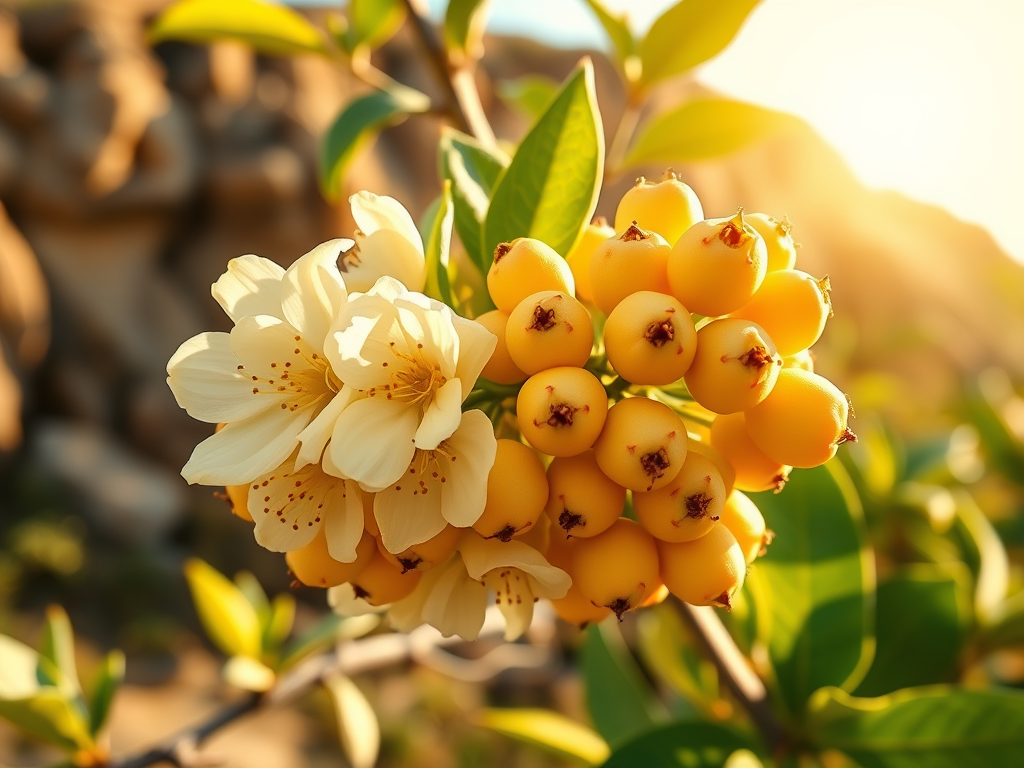
Before lemonade came in plastic bottles, it grew wild on the sunbaked cliffs of Southern California. Meet Rhus integrifolia—aka Lemonade Berry. Tart, citrusy, and packed with ancestral power, this berry was more than a thirst-quencher. It was medicine, ritual, and rebellion in a single bite.
🌿 Indigenous Wisdom: How Lemonade Berry Was Used
🍋 Thirst-Quenching Elixir
- Berry Soak: The tart berries were soaked in cool water to create a naturally sour drink—an early form of lemonade. This was especially useful during long journeys or hot days.
- Chewed Raw: The berries were also chewed directly for hydration and refreshment.
Here’s a recipe concept that channels the bold flavor and bold spirit of Lemonade Berry, inspired by indigenous traditions and modern wellness vibes:
🍋🔥 Lemonade Berry Elixir: Wild, Tart, and Unapologetic
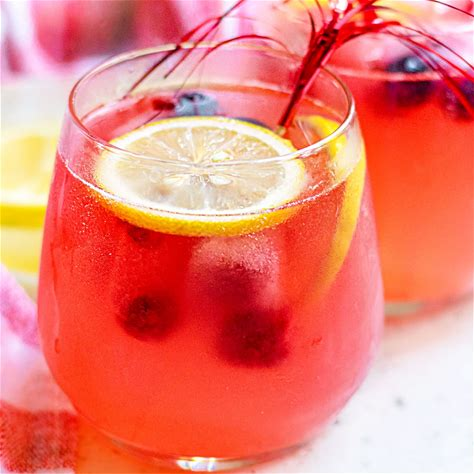
Full Recipe Berry Lemonade Ingredients
•3 cups Cold Water
•0.67 cup Lemon Juice
•1 cup Berries
•0.67 cup Sugar Cane Syrup
10 min · 180 cals · 4 servings
This isn’t your grandma’s lemonade. It’s a wild infusion of tart berries, ancestral wisdom, and rebellious refreshment. Perfect for summer drops, wellness rituals, or just flexing your flavor game.
| Element | Description |
|---|---|
| Flavor | Tart, citrusy, wild with a sweet edge |
| Mood | Bold, refreshing, rooted in tradition |
| Pair With | Existential merch, sun-soaked playlists, quiet rebellion |
Medicinal Uses of Lemonade Berry (Rhus integrifolia)
Traditional Indigenous Remedies
- Bark tea for postpartum recovery: Brewed by Southern California tribes to support women’s healing after childbirth.
- Respiratory relief: Infusions of bark or leaves used to soothe coughs, sore throats, fevers, and lung infections.
- Anti-inflammatory poultices: Crushed berries or leaves applied topically to ease arthritis and rheumatism.
- Thirst and body cooling: Chewed or soaked berries consumed to quench thirst, purify the blood, and cool the nervous system during heat or exertion.
Phytochemical Profile
- Antioxidants and vitamin C: Contribute to immune support and tissue repair.
- Tannins and organic acids: Impart astringent, blood-purifying, and antimicrobial properties.
- Anti-inflammatory compounds: Help reduce swelling and pain in joints and soft tissues.
- Antifungal and antimicrobial agents: Effective against various human pathogens, supporting skin and respiratory health. 1
Modern Therapeutic Applications
- Cold sore relief: Topical use of berry extracts may alleviate symptoms, leveraging antimicrobial action.
- Lung health support: Tea infusions help clear respiratory tract infections, reducing cough and congestion.
- Joint comfort: Oral or topical preparations can ease arthritis and rheumatism through anti-inflammatory effects.
- Detox and nerve cooling: Regular consumption is believed to assist toxin elimination and calm nervous tension.
Preparation & Dosage
- Berry infusion: Soak 1 cup of berries in 1 cup of warm water for 2–3 hours. Strain and drink 1–2 cups daily.
- Decoction of bark/leaves: Simmer 1 tbsp of dried bark or leaves in 2 cups of water for 10 minutes, strain, and sip as a medicinal tea.
- Topical poultice: Mash fresh berries or leaves and apply directly to aches, swelling, or cold sores.
Safety Considerations
- Test for skin sensitivity before topical use—related sumac species can cause dermatitis in some individuals.
- Avoid excessive boiling of plant material to preserve beneficial compounds.
- Consult a healthcare provider before using if pregnant, nursing, or on prescription medications.
🧠 Spiritual & Ecological Significance
🌱 Spirit of Reciprocity
Indigenous communities saw Lemonade Berry as a living partner in the cycle of giving and receiving. Harvesting was accompanied by songs, prayers, or small offerings—never more than what could be shared. This practice honored the plant’s life force and ensured its continued abundance. In some tribes, the first berries of the season were offered back to the earth in a simple gratitude ceremony.
🌿 Ecological Keystone
Lemonade Berry anchors coastal sage scrub and chaparral ecosystems, acting as a keystone species. Its dense foliage and sprawling roots create microhabitats for insects, small mammals, and ground-nesting birds. By shading young seedlings, it fosters plant diversity and buffers temperature extremes. Restoration projects often reintroduce this shrub to rebuild degraded slopes and revive native plant communities.
🔄 Reciprocity in Practice
Traditional harvesters followed strict seasonal rhythms—collecting berries only after the first fall rains and leaving the heaviest branches untouched. This ensured seed dispersal and wildlife forage remained intact. Warriors, hunters, and gatherers alike respected “no-take” zones marked by elder stewards. This ethos of restraint kept the plant populations healthy and the broader ecosystem in balance.
🐝 Pollinator & Wildlife Ally
Lemonade Berry’s clusters of tiny flowers feed a host of pollinators, from native bees to hummingbird moths. Once the berries ripen, birds like towhees and thrushes feast on them, dispersing seeds far and wide. Small mammals use its thorny thickets for shelter and nesting. In this way, one shrub supports dozens of species and threads them into a living tapestry.
🌍 Erosion Control & Fire Resilience
Its deep, fibrous roots grip sandy and rocky soils, stabilizing coastal bluffs and canyon walls against erosion. After wildfires, Lemonade Berry often sprouts from its roots, pioneering recovery when many other plants have perished. This rapid regeneration helps hold soil in place and creates nurse patches for slower-growing natives. In fire-prone landscapes, it stands as a testament to adaptation and renewal.
This wasn’t just survival—it was botanical brilliance.
🍋 Modern Revival: Lemonade Berry with Nutritional Zest
A bold reawakening of ancestral refreshment—now backed by flavor science and nutrient-rich storytelling. This section blends the tangy thrill of sour patch citrus with the wellness credibility of berries, lemon oils, and natural hydration. Think neon nostalgia meets functional nutrition.
Today, Lemonade Berry is making a comeback:
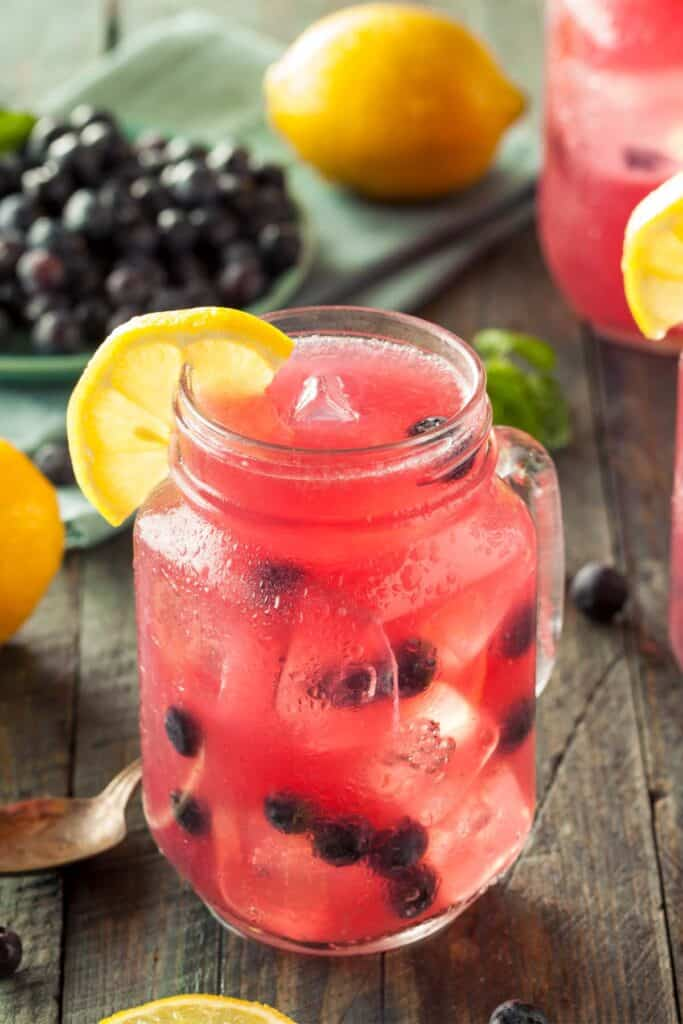
Full Recipe Take one sip of this homemade berry lemonade and you’ll be hard pressed to go back to buying store bought. The most time consuming step is juicing the lemons.
Flavor-forward: Think sour patch meets citrus zest.
Wellness-packed: Rich in antioxidants, vitamin C, and anti-inflammatory compounds.
Eco-chic: Drought-resistant and pollinator-friendly.
🧬 Nutritional Highlights
| Nutrient | Source | Benefit |
|---|---|---|
| Vitamin C | Fresh lemon juice, mixed berries | Immune support, collagen synthesis |
| Antioxidants | Raspberries, blueberries | Cellular protection, anti-inflammatory |
| Potassium | Lemonade base | Electrolyte balance, heart health |
| Polyphenols | Berry skins | Gut health, metabolic support |
| Hydration Boost | Ice + water base | Replenishes fluids, supports detoxification |
One serving of homemade Lemonade Berry contains ~32 mg of Vitamin C, 99 mg potassium, and 1 g fiber.
🌈 Flavor-Forward Microcopy
- “Think sour patch meets citrus zest.” A puckering punch of lemon oils and berry acids—bright, bold, and unforgettable.
- “Zest with benefits.” Every sip delivers immune-boosting vitamin C and antioxidant-rich berry compounds.
- “Hydration with a twist.” Ice-cold refreshment meets nutrient density—perfect for hot days and high vibes.
🧪 Ingredient Breakdown (Based on Carefree Kitchen’s Recipe)
| Ingredient | Function | Nutritional Role |
|---|---|---|
| Fresh Lemon Juice | Flavor base + acidity | High in Vitamin C, supports digestion |
| Mixed Berries | Sweet-tart balance | Rich in antioxidants, fiber, and polyphenols |
| Simple Syrup | Sweetness + texture | Adds carbs; can be swapped for honey/agave |
| Water + Ice | Dilution + chill factor | Hydration, volume |
Optional add-ins: mint (cooling), basil (anti-inflammatory), jalapeño (metabolism boost), sparkling water (effervescence).
🔥 Bold Flavor, Bold Spirit — With Precautions
Lemonade Berry isn’t just a sensory thrill—it’s a wild citrus with a warrior’s legacy and a healer’s touch. But boldness demands respect. This section celebrates its punchy flavor and cultural symbolism while offering clear, responsible guidance for modern use.
🌶️ Bold Flavor
- Flavor Profile: “Think sour patch meets citrus zest.” Lemonade Berry delivers a puckering tang with subtle sweetness, like biting into a lemon drop wrapped in berry skin. The oils from its leaves and fruit offer a bright, resinous aroma—sharp, refreshing, and unforgettable.
- Culinary Uses:
- Infused waters and lemonades
- Berry-forward vinaigrettes
- Wild citrus marinades
- Herbal teas with mint or basil
- Garnishes for grilled fish or ceviche
🧠 Bold Spirit
- Cultural Symbolism: Traditionally used by coastal tribes for hydration and healing, Lemonade Berry was more than a drink—it was a ritual. Warriors chewed the tart fruit before battle, while healers brewed its leaves to soothe inflammation and fever.
- Modern Revival: Today, it’s making a comeback in wellness circles and flavor-forward kitchens. From berry elixirs to sour patch–inspired mocktails, its bold spirit lives on in every sip.
⚠️ Precautions & Responsible Use
| Concern | Guidance |
|---|---|
| Oxalates in Leaves | Avoid consuming large quantities of raw leaves; steep briefly if used. |
| Allergic Reactions | Test small amounts first—especially if sensitive to sumac or cashew family. |
| Wild Harvesting | Only harvest from clean, pesticide-free areas. Respect local ecosystems. |
| Medicinal Claims | Traditional use ≠ medical advice. Consult professionals for health issues. |
| Children & Pets | Keep out of reach—tart oils may irritate sensitive mouths or stomachs. |
“Bold doesn’t mean reckless. Respect the plant, honor the ritual, and enjoy the flavor with care.”
🧪 Nutritional Snapshot (Per 8 oz serving of berry lemonade)
- Calories: 288
- Vitamin C: 32 mg
- Potassium: 99 mg
- Sugar: 71 g
- Fiber: 1 g
- Antioxidants: High (from mixed berries
Lemonade Berry doesn’t ask for permission. It grows where others wilt. It heals while it bites.
🌿 Final Thought
“To taste the wild is to remember who we are—bold, rooted, and alive.”
From ancient warriors to modern wellness seekers, Lemonade Berry carries a legacy of resilience and flavor. Let its story remind us that nature’s boldest gifts often grow in the most unexpected places.
 EJADA
EJADA 
Leave a comment