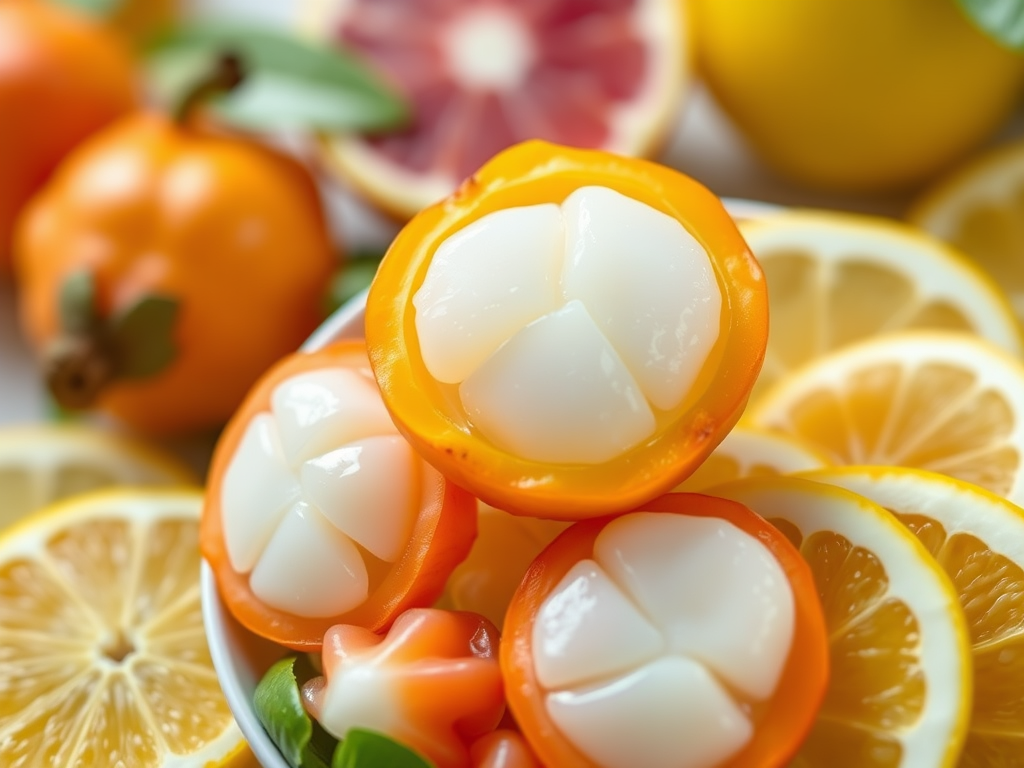
Lemon Drop Mangosteen (Garcinia intermedia) is a tropical gem with a flavor profile that’s practically a fruit cocktail in one bite 🍍🍋🥭.
Its taste is often described as a vibrant blend of citrus, pineapple, and mango, wrapped in a sweet-tangy punch that makes it a standout in the Amazonian fruit scene
🌿 Medicinal & Nutritional Highlights
- Traditional Uses: Indigenous communities have long used it to support digestion and boost immunity.
- Antioxidants: Rich in xanthones, carotenoids (like lutein and beta-carotene), and Vitamin C — all known for fighting oxidative stress and supporting cellular health.
- Digestive Support: Its fiber content helps regulate digestion and gut health.
- Immune Boost: The combination of Vitamin C and B vitamins makes it a natural immune enhancer.
🍽️ Culinary Versatility
- Eaten fresh or added to fruit salads, smoothies, jams, and even savory marinades.
- Its aromatic citrusy scent also makes it a natural air freshener in gardens.
Garcinia intermedia, also known as Lemon Drop Mangosteen, Monkey Fruit, or Mameyito:
🌍 Origin & Distribution
- Native Range: Southern Mexico through Central America, possibly extending into northwestern South America.
- Cultivation Zones: Grown sporadically in tropical regions including Belize, Costa Rica, Panama, Ecuador, and parts of Asia and Africa.
🌿 Botanical Profile
- Family: Clusiaceae (also known as Guttiferae or the St. John’s Wort family)
- Growth Habit: Fast-growing evergreen tree, typically 10–15 ft (3–5 m) tall.
- Leaves: Opposite, stiff, and glossy green.
- Flowers: Small, whitish, and perfect (having both male and female parts), growing in clusters.
🍊 Fruit Characteristics
- Appearance: Round, about 1 inch in diameter, with a thin orange to reddish peel.
- Flavor: Aromatic, sweet-sour taste with white pulp (aril) and 1–2 seeds.
- Uses: Eaten fresh, or made into jams, juices, and jellies.
🌱 Cultivation Notes
- Climate: Thrives in humid tropical environments; tolerates a wide range of soils and altitudes up to 4000 ft.
- Propagation: Typically grown from seed; seeds must remain moist to retain viability.
- Fruit Bearing: Can begin fruiting in as little as 2–3 years under ideal conditions.
🍊 Nutritional Highlights
Lemon Drop Mangosteen, packs a surprising punch for such a small fruit. Here’s a breakdown of its health benefits based on traditional use and emerging nutritional insights:
Vitamin C: Supports immune function and skin health.
B Vitamins: Aid in energy metabolism and nervous system support.
Dietary Fiber: Promotes digestive health and regularity.
Antioxidants: Contains carotenoids like zeaxanthin, lutein, and beta-carotene, which support eye health and reduce oxidative stress.
Xanthones: Found in the mangosteen family, these compounds may help combat inflammation and protect cells from damage.
🌿 Traditional & Medicinal Uses
Digestive Aid: Traditionally used to soothe digestion and improve gut function.
Immune Booster: Folk remedies often cite its immune-enhancing properties, thanks to its vitamin and antioxidant profile.
Aromatherapy Benefits: The citrusy scent is said to uplift mood and act as a natural air freshener, contributing to emotional well-being.
⚠️ Safety Note
While it’s rich in nutrients, no formal medicinal uses are widely recognized, and scientific research is still catching up. Always consult a healthcare professional before using it therapeutically.
Antioxidants in Lemon Drop Mangosteen—like xanthones, flavonoids, and carotenoids—act as microscopic bodyguards, shielding your cells from damage caused by oxidative stress. Here’s how they work their magic:
🧬 What Is Oxidative Stress?
- Your body naturally produces free radicals during metabolism and exposure to toxins.
- These unstable molecules can damage DNA, proteins, and cell membranes.
- Over time, this contributes to aging, inflammation, and chronic diseases.
⚡ How Antioxidants Neutralize Free Radicals
- Xanthones and flavonoids in Garcinia intermedia donate electrons to free radicals, stabilizing them before they wreak havoc.
- Carotenoids like lutein and zeaxanthin protect sensitive tissues—especially the eyes and skin—from oxidative damage.
- These compounds also help regulate inflammatory pathways, reducing the risk of conditions like cardiovascular disease and neurodegeneration.
🛡️ Cellular Defense Boost
- Antioxidants support the body’s natural detox systems, including enzymes like glutathione peroxidase and superoxide dismutase.
- They may also enhance immune function by protecting white blood cells and improving cellular communication.
🧪 Bonus Insight
Some studies suggest that xanthones and garcinol (another compound found in Garcinia species) may even help inhibit the growth of harmful microbes and cancer cells by disrupting their oxidative balance3.
🌱 Availability
Lemon Drop Mangosteen is available in several forms depending on your goals—whether you’re cultivating it, consuming it fresh, or exploring its extract-based health benefits
Cultivation Regions: Native to Central America, especially Costa Rica, Panama, and southern Mexico. Also grown in parts of South America, Southeast Asia, and sporadically in Florida and California.
Growing Conditions: Thrives in humid tropical climates, tolerates a wide range of soils, and can be grown in containers or large pots.
Commercial Scale: Not widely farmed commercially; mostly found in specialty gardens, local markets, or grown by tropical fruit enthusiasts.
🛍️ Forms You Can Find
| Form | Description | Availability Notes |
|---|---|---|
| Fresh Fruit | Sweet-sour pulp with thin orange-red rind. Eaten raw or used in drinks/jams | Rare outside tropical regions |
| Seeds/Seedlings | Used for cultivation; must stay moist to remain viable | Available from specialty nurseries |
| Powdered Extract | Often standardized for xanthones or garcinol; used in supplements | Found in wellness shops and online |
| Capsules/Tablets | Typically marketed for antioxidant or weight-loss support | May contain Garcinia species blends |
| Juice/Jam Products | Homemade or artisanal; not widely commercialized | Occasionally found in tropical regions |
⚠️ Considerations
Labeling Confusion: he labeling confusion around Garcinia intermedia—aka Lemon Drop Mangosteen—is a real botanical headache 🍋🧠. Here’s what’s going on:
🌀 Why the Confusion Happens
- Multiple Common Names: It’s called lemon drop mangosteen, monkey fruit, mameyito, jorco, berba, and even achachairu in different regions.
- Shared Names Across Species: The name achachairu is also used for Garcinia humilis, a different species native to Bolivia that’s been commercialized in Australia as “Achacha”.
- Bacupari Mix-Up: The term bacupari is casually applied to several Garcinia species, including G. intermedia and G. brasiliensis. This leads to misidentification, especially among growers and collectors.
- Visual Similarities: Fruits from different Garcinia species can look deceptively similar—round, yellow-orange, sweet-sour pulp—which adds to the confusion.
🧪 What to Watch For
| Species Name | Common Names Used | Notes |
|---|---|---|
| Garcinia intermedia | Lemon Drop Mangosteen, Mameyito, Bacupari | Small, round fruit; sweet-sour pulp |
| Garcinia humilis | Achachairu, Achacha | Larger fruit; commercialized in Australia |
| Garcinia brasiliensis | Bacupari, Superior Lemon Drop | Often confused with G. intermedia |
✅ Tips for Clarity
Look at leaf and seed structure: Subtle differences in foliage and seed size can help distinguish species.
Check the Latin name on labels or seed packets—don’t rely on common names alone.
Ask for origin info: Knowing where the fruit was grown can help narrow down the species.
Supplement Quality: Look for third-party testing and clear sourcing to ensure you’re getting the right compound (e.g., xanthones vs. HCA).
🍋 Ready to turn Lemon Drop Mangosteen (Garcinia intermedia) into something delicious? While it’s often enjoyed fresh, its sweet-tart pulp lends itself beautifully to a few standout recipes. Here are some creative ways to use it:
🍯 Lemon Drop Mangosteen Jam
A two-ingredient wonder—no pectin needed!
Ingredients:
- Fresh Lemon Drop Mangosteen pulp (separated from seeds)
- Equal amount of sugar (turbinado or white)
Instructions:
- Cook peeled fruits over medium-low heat until pulp loosens from seeds (about 20 min).
- Strain pulp through a colander to remove seeds.
- Return pulp to saucepan, add sugar (1:1 ratio), and boil until thickened.
- Pour into sanitized jars and seal.
Perfect for PB&J, biscuits, or even as a glaze for roasted veggies.
🍨 Frozen Yogurt Bark with Mangosteen
Ingredients:
- 2 cups Greek yogurt
- 1 cup peeled Lemon Drop Mangosteen
- ¼ cup honey or maple syrup
- Granola, berries, nuts (optional)
Instructions:
- Mix yogurt and sweetener.
- Spread on parchment-lined tray.
- Top with mangosteen and extras.
- Freeze 3–4 hours, break into pieces.
🍫 Chocolate Mangosteen Mousse
Exotic meets indulgent.
Ingredients:
- Dark chocolate
- Whipped cream
- Mangosteen pulp
Instructions:
- Melt chocolate and fold in whipped cream.
- Stir in mangosteen pulp.
- Chill and serve with shaved chocolate or mint.
🍋✨. Lemon Drop Mangosteen Jam isn’t just a recipe, it’s a vibe: sweet, tart, and a little wild. The fruit’s candy-like flavor and jungle mystique make it perfect for a jam that feels like a secret island treat.
Want to add a cheeky caption to your WordPress post? How about:
“Jam-packed with jungle joy—spread it like sunshine.”
Or maybe:
“Warning: May cause spontaneous hammock daydreams.”
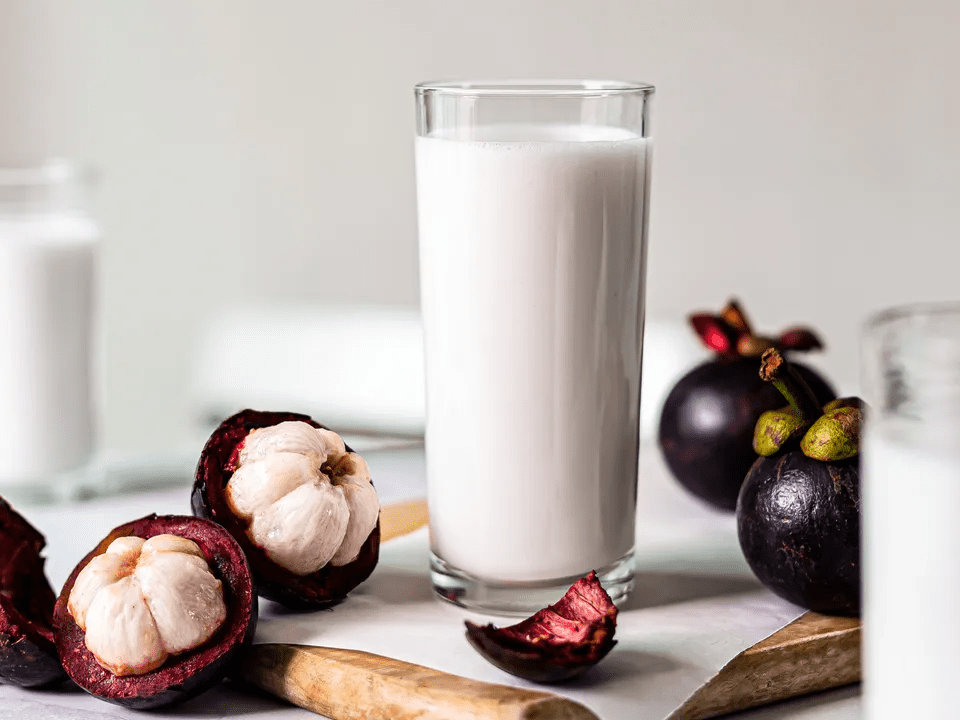
Mangosteen Smoothie with Coconut | Foodaciously
- et carbs 65%
- sugars 65%
- fats 26%
- saturates 21%
- proteins 5%
- fibers 5%
The mangosteen is generally safe and packed with nutrients, there are a few precautions worth noting, especially if you’re incorporating it into wellness content or recipes:
⚠️ Precautions When Consuming Mangosteen
1. Blood Clotting Risks
- Mangosteen may slow blood clotting, especially when consumed in large quantities or taken as a supplement.
- This can increase the risk of bleeding, particularly for people with bleeding disorders or those taking anticoagulant/antiplatelet medications.
- Pre-surgery warning: Avoid mangosteen at least 2 weeks before surgery to reduce bleeding risk.
2. Pregnancy & Breastfeeding @ rxlist.com
There’s insufficient evidence about mangosteen’s safety during pregnancy or breastfeeding.
- Best to avoid supplements or large quantities unless cleared by a healthcare provider.
3. Allergic Reactions
- Some individuals may be allergic to mangosteen or related fruits (like latex-producing plants).
- Symptoms could include itching, swelling, hives, or even anaphylaxis in severe cases.
4. Digestive Side Effects @ WebMD
- Overconsumption may lead to bloating, constipation, acid reflux, diarrhea, or nausea.
- Mangosteen rind is not edible, though extracts from it may have health benefits. Stick to the juicy white pulp for eating.
5. Drug Interactions
- Mangosteen may interact with medications like Donepezil (Aricept), potentially enhancing their effects.
- Always consult a healthcare provider if you’re on prescription meds.
🍋 Nutritional Profile of Lemon Drop Mangosteen
This fruit’s nutrient density makes it a natural candidate for the “superfruit” club, even if it’s still flying under the radar.
| Nutrient | Function in the Body |
|---|---|
| Vitamin C | Boosts immune function, supports collagen production, and acts as a potent antioxidant. |
| B Vitamins | Aid in energy metabolism, brain function, and red blood cell formation. |
| Dietary Fiber | Promotes digestive health, regulates blood sugar, and supports satiety. |
| Carotenoids | Includes lutein, zeaxanthin, and beta-carotene—support eye health and reduce oxidative stress. |
| Xanthones | Powerful antioxidants with anti-inflammatory and antimicrobial properties. |
🧠 Health Benefits at a Glance
- Cellular Protection: Antioxidants help neutralize free radicals, reducing the risk of chronic diseases.
- Digestive Support: Fiber aids in gut health and regularity.
- Immune Boost: Vitamin C and B vitamins strengthen the body’s defenses.
- Eye Health: Carotenoids protect against age-related macular degeneration.
Mangosteen Availability in the U.S.
✅ Legal Status
- Mangosteen was banned until 2007 due to concerns about the Asian fruit fly.
- The ban was lifted, and fresh mangosteens began arriving in select markets.
🛒 Where to Buy
- Online Retailers: You can find fresh mangosteen on platforms like Amazon and Instacart3.
- Asian Supermarkets: Stores like New May Wah in San Francisco have stocked fresh mangosteens.
- Farmers Markets: Limited availability in states like California and Florida, where small-scale growers may offer them seasonally.
🧊 Other Forms
- Available freeze-dried at Trader Joe’s and canned in many Asian grocery stores.
- These forms are more shelf-stable but may lack the fresh fruit’s full flavor and texture.
💸 Price & Seasonality
- Fresh mangosteen is expensive—often $14/lb or more.
- Best quality is found May to September, during its peak season.
 EJADA
EJADA 
Leave a comment