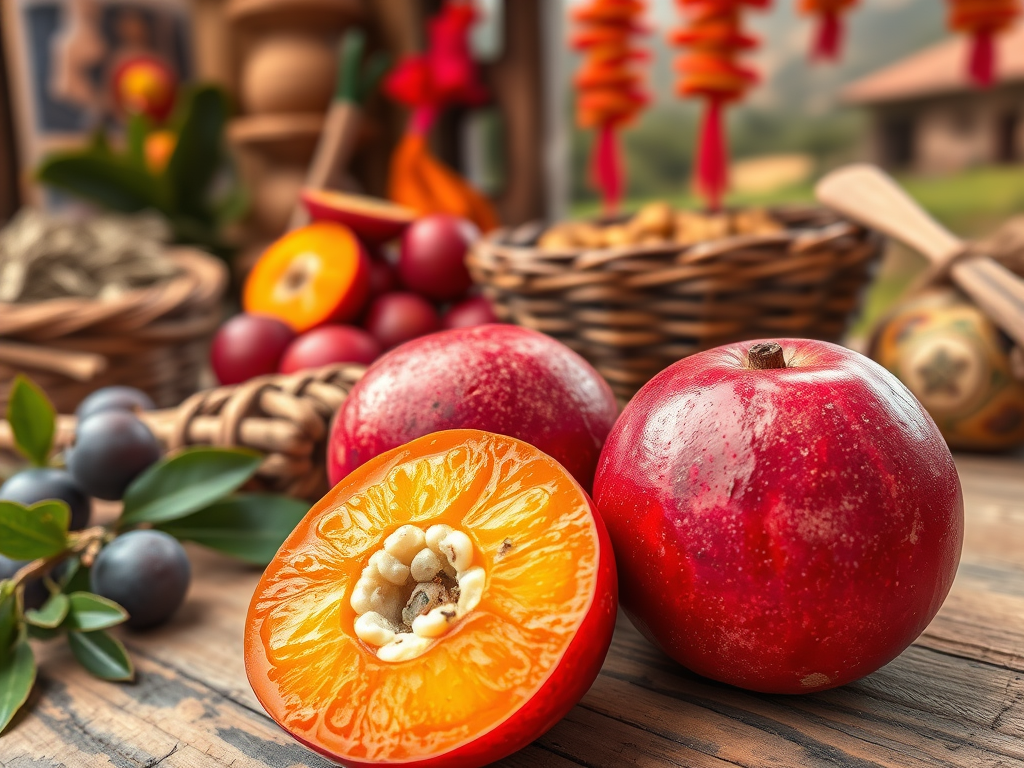
🌿 Lapsi:
Also known as the Nepali hog plum, is the fruit of Choerospondias axillaris, a subtropical tree native to the Himalayan foothills. It’s cherished in Nepal for its tangy flavor and cultural significance, often used in pickles, chutneys, and traditional sweets.
While there’s no single historical figure credited with its medicinal introduction, its use is deeply embedded in Nepalese village traditions, passed down through generations of healers and farmers.
📜 Historical Use in Medicine
- Lapsi has been used in Nepali traditional medicine for centuries, though exact dates are hard to pin down.
- Its medicinal use is documented in local herbal practices and agroforestry reports, especially among subsistence farmers in Nepal’s hill districts.
- The fruit is often dried and incorporated into herbal preparations, showcasing its dual role in both culinary and healing traditions.
🌿 Little-Known Uses of Lapsi (Nepali Hog Plum)
Traditional Medicine & Digestive Aid
- Used in Ayurvedic and folk remedies for indigestion, bloating, and nausea.
- The dried powder is sometimes mixed with black salt and cumin as a natural digestive tablet.
🧼 Natural Cleanser & Skin Tonic
- Lapsi pulp is mildly acidic and rich in vitamin C—used in rural Nepal as a natural exfoliant or skin brightener.
- Could inspire a “Tangy Glow” face scrub or wellness soap concept.
🍬 Lapsi Ko Mada (Sweet Balls)
- A chewy candy made by cooking lapsi pulp with sugar and spices, then sun-drying into balls.
- Think “Nepali Sour Bombs”—a nostalgic treat with bold packaging.
🧴 Fermented Lapsi Juice
- Locals sometimes ferment lapsi juice into a light probiotic drink—similar to kombucha.
- Could be branded as a “Himalayan Gut Elixir” with cultural flair.
🪔 Ritual & Festive Use
- In Newar feasts, lapsi pickle is served at the end to aid digestion and mark completion.
- During Teej and Bisket Jatra festivals, lapsi sweets are offered to deities.
🌿 Lapsi’s Medicinal Journey: Then vs. Now
Let’s break down how lapsi (Choerospondias axillaris) has evolved from a folk remedy to a scientifically recognized botanical with therapeutic promise:
🕰️ Traditional Uses (Then)
- Digestive aid: Used in pickles and dried forms to relieve bloating, constipation, and indigestion.
- Anti-inflammatory: Folk healers applied lapsi pulp or bark to soothe joint pain and swelling.
- Cardiovascular support: In Mongolian and Chinese traditional medicine, lapsi extracts were used to improve blood circulation and calm nerves.
- Burn treatment: Bark extracts were applied to second-degree burns in Vietnamese and Mongolian practices.
- Cultural medicine: Referenced in ancient Nepali texts like Swasthani Brata Katha, lapsi was considered sacred and medicinal around sites like Pashupatinath Temple.
🔬 Modern Insights (Now)
- Anti-inflammatory properties: Lapsi’s bioactive compounds help reduce inflammation, potentially lowering the risk of chronic conditions like arthritis and cardiovascular disease.
- Antioxidant support: Rich in vitamin C and polyphenols, it helps combat oxidative stress, which is linked to aging and various diseases.
- Digestive aid: Its high fiber content promotes gut health and regularity, making it a natural remedy for constipation and bloating.
- Immune booster: The fruit’s vitamin C concentration supports immune function and may help the body fight infections.
🧪 Emerging Applications
- Aquaculture: Ethanol extracts of lapsi are being used in fish diets to enhance growth and immunity—successfully tested on species like tilapia and rainbow trout.
- Herbal formulations: Dried lapsi is still widely used in Nepalese herbal remedies, often combined with other botanicals for digestive and respiratory support.
🌱 Rooted in Tradition, Rising in Wellness
Once a staple of Nepalese kitchens and folk medicine, lapsi is stepping into the global wellness spotlight. Revered for generations for its digestive and anti-inflammatory properties, this tangy fruit now boasts modern validation—packed with vitamin C, polyphenols, and fiber that nourish immunity and gut health. From rural herbalists to cutting-edge aquaculture trials, lapsi is rewriting its narrative as a botanical powerhouse. With its cultural depth and therapeutic potential, lapsi offers a bold new canvas for functional foods, holistic formulations.
🌿🥭 Lapsi’s Vitamin Profile & Cooking Impact
Lapsi (Choerospondias axillaris), also known as Nepali hog plum, is especially rich in vitamin C, along with smaller amounts of vitamin A, vitamin E, and B-complex vitamins like niacin (B3) and riboflavin (B2).
🌟 Main Vitamins in Raw Lapsi
| Vitamin | Function | Estimated Presence |
|---|---|---|
| Vitamin C | Antioxidant, immune support, collagen synthesis | Very high (up to 100–150 mg/100g) |
| Vitamin A | Vision, skin health | Low to moderate |
| Vitamin E | Cell protection, skin health | Trace amounts |
| Niacin (B3) | Energy metabolism | Low |
| Riboflavin (B2) | Cellular function, energy production | Low |
🔥 Does Cooking Affect Vitamin Content?
- Vitamin C is heat-sensitive: Cooking methods like boiling or prolonged simmering can reduce vitamin C levels by 30–70%, depending on temperature and duration.
- Pickling or candying (common lapsi preparations) may preserve some vitamin C if done gently, but sun-drying retains more than boiling.
- Fat-soluble vitamins (A & E) are more stable during cooking, though lapsi contains only small amounts.
🍽️ Best Ways to Enjoy Lapsi (Nepali Hog Plum)
Lapsi’s bold tang and vitamin-rich profile make it a versatile ingredient across culinary traditions. Here’s how to get the most out of its flavor and health benefits:
🥗 Raw or Sun-Dried (Max Nutrition)
- Raw pulp: Eat fresh for the highest vitamin C retention.
- Sun-dried slices: Retain antioxidants better than boiling; great for snacking or grinding into powder for spice blends.
🧂 Pickled (Flavor + Gut Health)
- Lapsi ko achaar: Traditional Nepali pickle with mustard oil, chili, turmeric, and garlic. Fermentation adds probiotics and preserves nutrients.
- Pairing: Serve with dal bhat, grilled meats, or even cheese boards for a tangy twist.
🍬 Candied or Mada (Sweet Treats)
- Lapsi candy: Cooked in sugar syrup, often spiced with chili or salt. Vitamin C drops slightly but flavor intensifies.
- Mada: Sun-dried pulp mats mixed with salt and spices—great for travel snacks or gifting.
🧃 Juice or Squash (Refreshing + Digestive)
- Lapsi squash: Diluted concentrate with water and ice; add mint or cumin for a digestive boost.
- Juice: Blend fresh lapsi with honey and lemon for a tangy immunity shot.
🍛 Cooked in Curries or Chutneys
- Adds sour depth to lentil stews, fish curries, or tamarind-style sauces.
- Combine with tomatoes, garlic, and mustard seeds for a bold chutney.
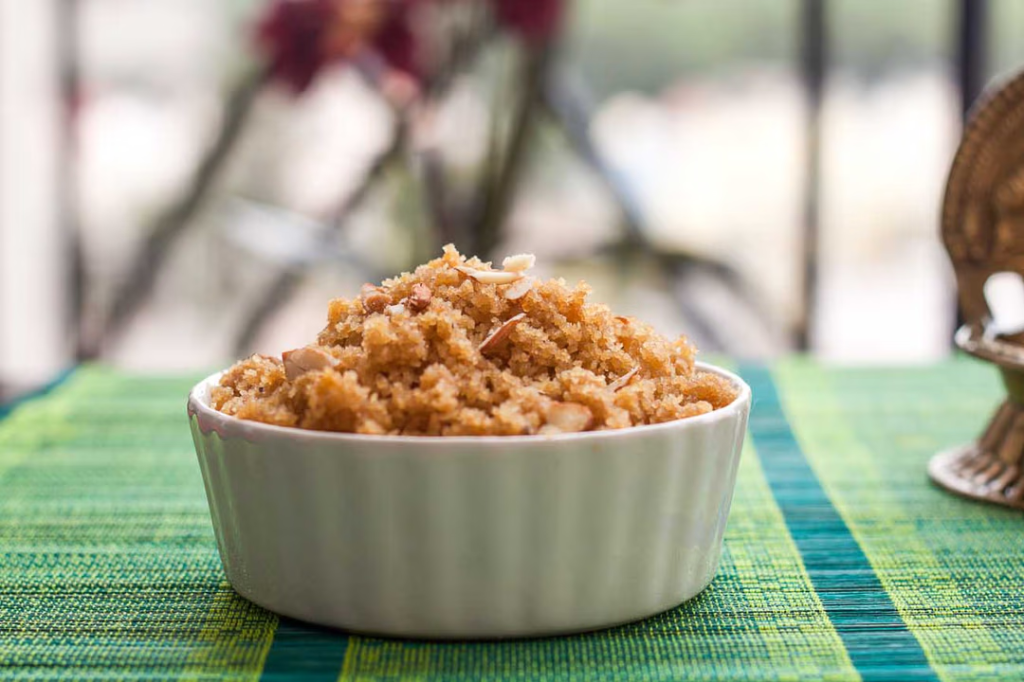
Lapsi Recipe – Sweetened Gujarati Broken Wheat
Lapsi Recipe is a Gujarati sweet dish made from broken wheat has an age-old significance of being auspicious.
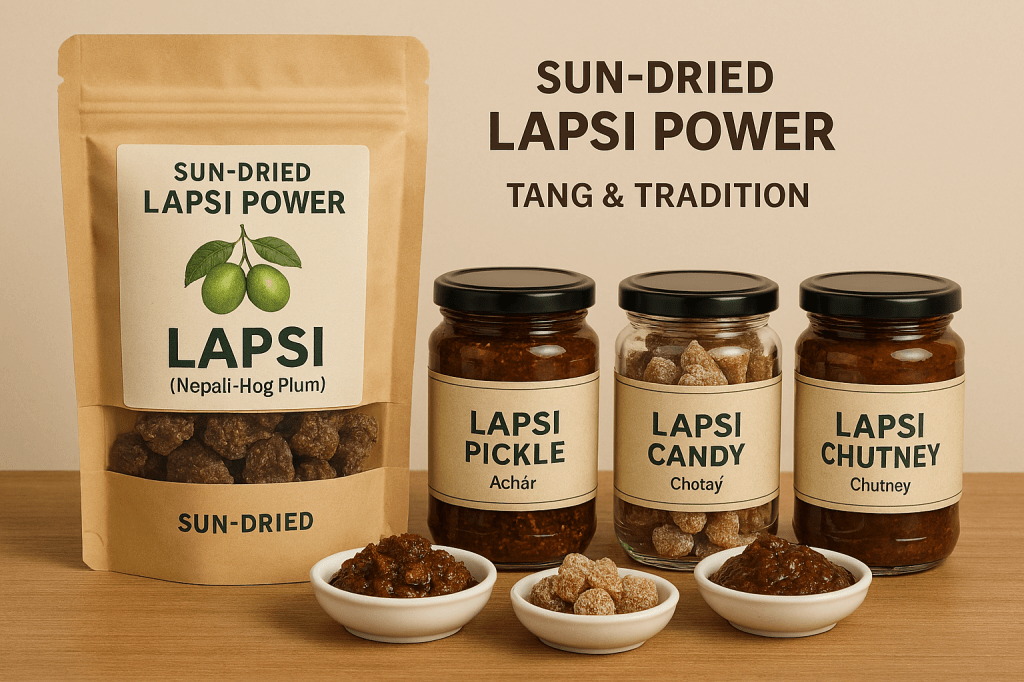
🥄 Lapsi Powder Delight: A Tangy Twist on Tradition
Here’s a bold, wellness-forward recipe using lapsi powder (made from sun-dried Nepali hog plum) that blends traditional flavor with modern nutrition. This version works beautifully as a digestive chutney, a spice blend, or even a tangy seasoning for snacks.
Ingredients:
- 2 tbsp lapsi powder (sun-dried and ground)
- 1 tsp roasted cumin powder
- ½ tsp black salt (or Himalayan pink salt)
- ¼ tsp red chili powder (adjust to taste)
- 1 tsp jaggery powder (optional, for balance)
- 1 tbsp lemon juice or tamarind paste
- 2–3 tbsp warm water (to adjust consistency)
Instructions:
- In a bowl, mix lapsi powder with warm water to form a thick paste.
- Add cumin, black salt, chili powder, and jaggery. Stir until smooth.
- Finish with lemon juice or tamarind for a tangy kick.
- Serve as a dip with roasted chickpeas, crackers, or grilled veggies—or use as a flavor bomb in wraps and rice bowls.
🔥 Bonus: Lapsi Spice Sprinkle
Dry blend lapsi powder with chili, salt, and dried mint for a “Tang & Tradition” seasoning—perfect for popcorn, fruit salads, or roasted nuts.
🔍 References:
- Cultural use and festival significance: A Journey to the Heart of Nepali Hog Plum
- Digestive and medicinal uses: Archana’s Kitchen — Lapsi Powder Chutney
- Skincare and fermented lapsi insights: Shailee Nepal’s coverage of lapsi
🧬 Medical & Nutritional Sources on Lapsi
| Source | Description |
|---|---|
| Shailee Nepal – Nepali Hog Plum | Covers lapsi’s cultural and digestive uses, including its role in Newar cuisine and folk medicine. |
| Archana’s Kitchen – Lapsi Powder Chutney | Offers a recipe with digestive benefits, highlighting lapsi’s traditional use with cumin and black salt. |
| MedlinePlus – National Library of Medicine | While not lapsi-specific, it’s a reliable portal for cross-referencing ingredients and wellness claims. |
| PubMed – Biomedical Literature | Search for studies on lapsi’s botanical name Choerospondias axillaris to find clinical or nutritional research. |
| For the Public | Explore any ongoing trials involving lapsi or related digestive botanicals. |
⚠️ Disclaimer:
The information provided here is for educational and cultural storytelling purposes only. It does not constitute medical advice or replace professional consultation. For health-related concerns or dietary changes, please consult a qualified healthcare provider.
 EJADA
EJADA 
Leave a comment