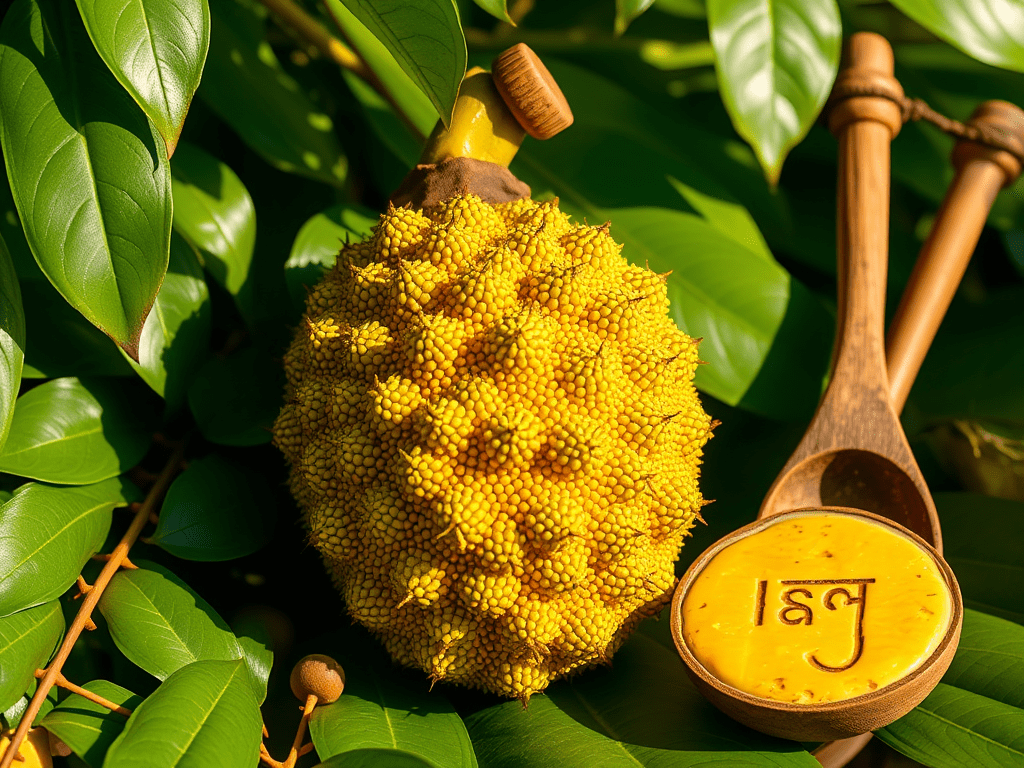
Lakoocha’s Origins & Early Uses
Lakoocha, also known as monkey jackfruit (Artocarpus lacucha), is native to the humid sub-Himalayan regions of India and Southeast Asia.
While it’s difficult to pinpoint a single individual or group who first cultivated it, historical texts like the Arthashastra—an ancient Indian treatise on statecraft and economics—mention the tree, suggesting its use dates back over two millennia.
🛠️ Traditional Uses:
- Food: The fruit was primarily consumed fresh for its sweet-tangy pulp. It’s still used in Indian sweets like lakoocha halwa and in pickles and chutneys.
- Medicine: In Ayurvedic and traditional Southeast Asian medicine, lakoocha was valued for its anti-inflammatory and digestive properties.
- Timber & Tools: Its wood was used for furniture and even musical instruments like the pong lang in Northeastern Thailand.
- Dye Production: The roots yield a rich dye, used in textiles and crafts.
It’s a true multipurpose tree—nutritious, medicinal, and culturally significant
🐒 Monkey Jackfruit: Jungle-Born, Wellness-Raised
Intro Paragraph: Unlocking the health codes from the canopy, lakoocha (aka monkey jackfruit) isn’t just a fruit — it’s a cultural capsule packed with ancient remedies and primal nutrition. Revered in Ayurvedic texts and tropical kitchens, its story bridges ancient bark and modern wellness.
🧬 Nutrients That Don’t Monkey Around
Lakoocha isn’t here to be a sidekick — it’s the jungle’s frontliner in natural nutrition.
- Rich in vitamin C — immunity’s jungle armor
- Natural enzymes — gut-soothing, digestion-friendly
- Antioxidants — skin radiance with wild flair
🛡️ Vitamin C: Jungle Armor Boosts collagen, protects against oxidative stress, and keeps immunity sharp.
“Jungle-born. Collagen-strong.”
🔬 Antioxidants: Cell-Savvy Rebels Loaded with flavonoids and polyphenols for brain health and anti-aging effects.
“Fight free radicals with primal precision.”
🌿 Digestive Enzymes: Instinctual Gut Health Eases bloating, streamlines digestion, and supports nutrient absorption.
“Not just fruit — it’s instinctual digestion.”
⚡ Micronutrient Matrix: Small but Mighty Calcium, iron, potassium — the unsung heroes of endurance and balance.
“Trace minerals. Major movement.”
“Why settle for basic citrus when monkey fruit brings the primal edge to your gut game?”
🪔 Ancient Medicine, Modern Rebellion
Used for centuries to treat inflammation, skin disorders, and digestive woes, lakoocha’s bark and fruit have Ayurvedic cred long before modern wellness made it chic. Blend ancestral wisdom into modern routines and you’ve got a wellness revolution wrapped in jungle lore.
Where Ayurveda meets attitude.
Lakoocha isn’t just a jungle curiosity — it’s a time-traveling remedy that’s still shaking up the wellness scene. From ancient bark extracts to pulp-based potions, monkey jackfruit has been used for centuries to tackle inflammation, digestive imbalances, and skin woes.
💥 Traditional Uses with Firepower:
- Bark paste: Antiseptic and anti-inflammatory treatment
- Fruit pulp: Digestive support, skin revitalization
- Roots: Used in dye making with cultural and ceremonial significance
🌿 Bark Paste: Antiseptic & Anti-Inflammatory Treatment
In traditional Ayurvedic applications, lakoocha bark was ground into a coarse paste and applied to wounds, inflamed joints, and skin lesions. Its bitter compounds acted as natural antiseptics — no labs, no synthetics, just forest wisdom wielded by barefoot healers and street-side herbalists.
“No prescription. Just bark, belief, and bitter brilliance.”
The paste wasn’t just medicine — it was ritual. Harvested with intention, prepared in clay mortars, and administered during moonlit vigils, it symbolized resilience drawn straight from the tree’s skin.
🍈 Fruit Pulp: Digestive Gold with Jungle Grit
Lakoocha’s tangy pulp isn’t just tasty — it’s therapeutic. In traditional healing, the fruit was consumed fresh, fermented, or blended into syrups to relieve indigestion, boost appetite, and soothe inflammation from the inside out.
Its bittersweet edge was seen as balancing — bitter enough to spark digestion, sweet enough to nourish.
“One bite, and the gut knows — monkey jackfruit isn’t here to play.”
Whether stirred into Ayurvedic tonics or pickled on tropical porches, lakoocha pulp was more than a snack. It was a tool for equilibrium, used to clear the digestive path and restore gut rhythm long before the term “microbiome” ever existed.
🧶 Roots: Dye, Ritual, and Earthbound Expression
Beneath the bark, lakoocha’s roots carry not just nutrients — they carry narrative. For centuries, artisans across India and Southeast Asia extracted a deep russet dye from the roots, using it to tint ceremonial fabrics, sacred art, and tools of daily ritual.
This wasn’t just about color — it was about connection. The dye was seen as a symbol of earth’s essence, infused into garments worn during harvest festivals, healing ceremonies, and ancestral rites.
“Lakoocha roots didn’t just stain fabric — they marked belonging.”
Ayurvedic Legacy: Bitter Truths & Primal Balance
“Balance isn’t bland — it’s bitter, bold, and jungle-rooted.”
In the Ayurvedic canon, lakoocha isn’t a passive remedy — it’s a dynamic force, classified as a “cooling” fruit that tames digestive fire and restores internal harmony. Think bitter with purpose, sweet with edge.
Long before “gut health” became a marketing phrase, this jungle fruit was working its magic in bark pastes, pulp decoctions, and fermented forms — not because it sounded holistic, but because it worked.
“Lakoocha didn’t ask for validation — it got written into the healing texts.”
From Charaka Samhita to street-side picklers in Uttar Pradesh, lakoocha bridged science and instinct, offering anti-inflammatory properties that soothed not just bodies, but stories passed between generations.
Modern Parallel:
🌳 Bark + Pulp: Duality of Strength and Nourishment
In lakoocha, the bark defends — coarse, bitter, bruised with resilience. The pulp nourishes — soft, tangy, alive with digestion and renewal.
Together, they mirror a truth echoed in healing traditions: real wellness isn’t just comfort, it’s confrontation. You need bitterness to cleanse, and sweetness to restore.
The bark stood its ground — antiseptic, anti-inflammatory, raw strength. The pulp flowed into bellies — restoring gut rhythm, reviving skin, feeding balance.
“The jungle didn’t choose between grit and grace — it gave us both.”
🌏 Funk & Function: Cultural Firepower
Lakoocha isn’t just eaten — it’s played, worn, fermented, and revered.
This fruit’s influence stretches far beyond nutrition. It’s been a muse for folk recipes, musical instruments, ritual dyes, and rebellious flavor.
“More than food — monkey jackfruit is cultural electricity with roots.”
🍛 Culinary Traditions:
- Used in spicy pickles, halwas, and chutneys across India and Nepal
- Fermented into gut-friendly tonics and monsoon-season delights
- Bitter-tangy profile valued for balancing heat in Ayurvedic meals
“Taste the ancient — tangy, funky, unforgettable.”
🎶 Musical Lore:
- Lakoocha wood crafted into the pong lang, a xylophone-like instrument played during festivals in Northeast Thailand
- Its sound carries warmth — a sonic signature of rural rebellion and joy
“Monkey fruit makes music, not just medicine.”
🪮 Craft & Ceremony:
- Root-based dye used in textile art and ceremonial garments
- Earth-toned pigments tied to harvest, fertility, and healing rites
“From soil to soul — color that speaks culture.”
- Fruit in cuisine: tangy base in chutneys, halwas, pickles
- Roots as dye: used in Southeast Asian textiles
- Wood in music: crafting traditional Thai instruments
“Not just fruit — it’s folklore you can feel.” “Taste history, fuel vitality.”
Ritual & Ceremonial Resonance
This fruit and its tree have long been woven into spiritual and healing practices across South and Southeast Asia.
“From bark to pigment, lakoocha carries ancestral memory.”
🌿 Sacred Dye & Garments:
- Lakoocha root and bark yield earthy dyes used in ceremonial textiles
- Worn during harvest festivals, fertility rites, and healing rituals
- Colors symbolize grounding, renewal, and connection to soil
🧴 Ayurvedic Applications:
- Bark infusions used to cleanse wounds and ulcers
- Heartwood extract featured in skin-whitening and detoxifying rituals
- Vishatinduka Taila — an herbal oil with lakoocha — applied in Vata-balancing ceremonies
🔥 Symbolic Offerings:
- In some regions, lakoocha fruit is offered during monsoon prayers
- Its sourness represents purification and the shedding of excess
- Used in folk rituals to ward off digestive imbalance and spiritual stagnation
A fiery, funky Punjabi-style pickle made from raw lakoocha (aka monkey jackfruit).
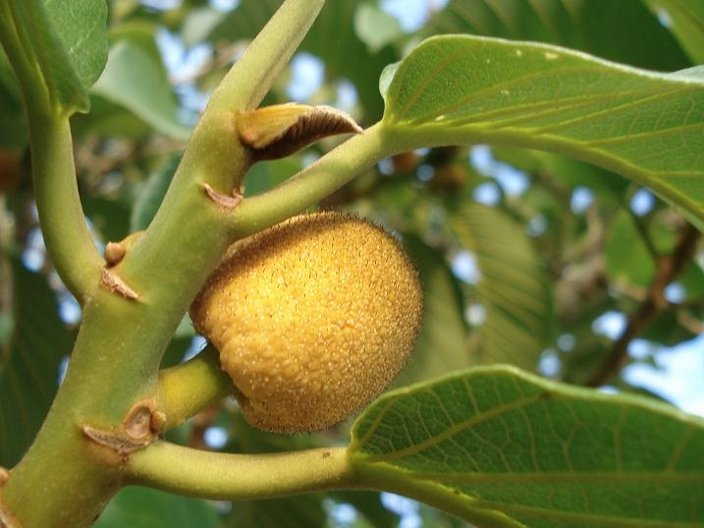
“From bark to bite — Lakoocha stands tall as nature’s funky healer.”
A fiery, funky Punjabi-style pickle made from raw lakoocha (aka monkey jackfruit).
🥒 Dheu Achar (Lakoocha Pickle)Key Ingredients:
- Raw lakoocha (Dheu)
- Mustard oil (smoked and cooled)
- Red chili, turmeric, salt
- Fenugreek seeds, fennel seeds, kalonji
The wild and rare fruit badhal remains unknown to many
“Lakoocha: Eat bold, feel balanced.”
🧬 Nutritional Voltage: What’s Inside Lakoocha?
Per 100g of edible pulp:
- Calories: ~73 kcal
- Moisture: 90g (super hydrating)
- Protein: 2g
- Fat: 1g
- Fiber: 3g (gut-friendly goodness)
- Calcium: 67mg (bone support)
- Phosphorus: 25mg
- Carotenoids: ~4609 µg (eye health + antioxidant power)
- Vitamin C (Ascorbic Acid): High levels — immune boost + skin glow
- Potassium, Magnesium, Iron, Zinc, Copper, Manganese: Present in trace but impactful amounts
“It’s like nature’s multivitamin wrapped in a tangy punch.”
Medicinal Uses: Then & Now
Lakoocha didn’t just survive history — it healed through it.
🌿 Then: Ancestral Applications
Lakoocha was a jungle pharmacy long before wellness had a label. Traditional healers and Ayurvedic texts revered it for:
- Bark paste: Applied to wounds, ulcers, and inflamed skin as a natural antiseptic
- Fruit pulp: Used to treat dysentery, stimulate digestion, and balance internal heat
- Seeds & latex: Acted as purgatives to cleanse the body
- Root infusions: Used in dyeing and detoxifying rituals with ceremonial significance
- Vishatinduka Taila: An herbal oil featuring lakoocha bark for Vata-balancing treatments
“Healing wasn’t bottled — it was barked, brewed, and believed.”
⚡ Now: Modern Wellness Reboot
Lakoocha is making a comeback in holistic health circles and nutritional science:
- Antioxidants: Help fight inflammation, oxidative stress, and may support cancer prevention
- Vitamin C & B-complex: Boost immunity, skin health, and metabolic function
- Fiber-rich pulp: Supports gut health, lowers cholesterol, and aids weight management
- Liver tonic: Fresh pulp used to support liver function in herbal medicine
- Anti-viral & anti-HIV properties: Being explored in pharmacological research
Lakoocha in the U.S.: Forms & Access
🌱 Live Plants & Saplings
- Available from specialty nurseries like Sow Exotic and Orchard Dreams
- Sold as live fruit trees or seedlings for home growers
- Best suited for USDA Zones 10–12, or greenhouse/patio growing in cooler zones
🍈 Fresh Fruit (Rare)
- Occasionally found at tropical fruit markets or international grocers in major cities
- Typically available late summer, but supply is limited and seasonal
🥫 Pickled or Preserved
- Lakoocha is traditionally pickled in South Asian cuisine — sometimes imported as “Monkey Jack Pickle”
- May be found in specialty Indian or Southeast Asian grocery stores
🧪 Extracts & Powders (Emerging)
- Bark and heartwood extracts used in herbal medicine, sometimes sold as Puag-Haad in Thai apothecaries
- These are more common in online herbal shops than mainstream wellness stor
“From jungle remedy to clinical curiosity — Lakoocha’s legacy evolves.”
From jungle lore to gut-loving glory,
Lakoocha’s legacy is bold, bitter, and beautifully complex. But even nature’s powerhouse fruit has its fine print:
⚠️ Who Should Approach with Caution
- Pregnant or breastfeeding individuals: Traditional use warns against purgative effects from seeds or latex
- Those with sensitive digestion: Unripe fruit can be astringent and trigger upset in some
- People on diuretics or liver medication: Lakoocha may amplify effects — check with your herbalist or physician
- Latex allergies: The milky sap from leaves and stems may cause reactions
- Children under five: Best to avoid unless guided by traditional practice
“It’s not just preserved — it’s powered with ancestral spice… but not every gut is ready for the jungle.”
 EJADA
EJADA 
Leave a comment