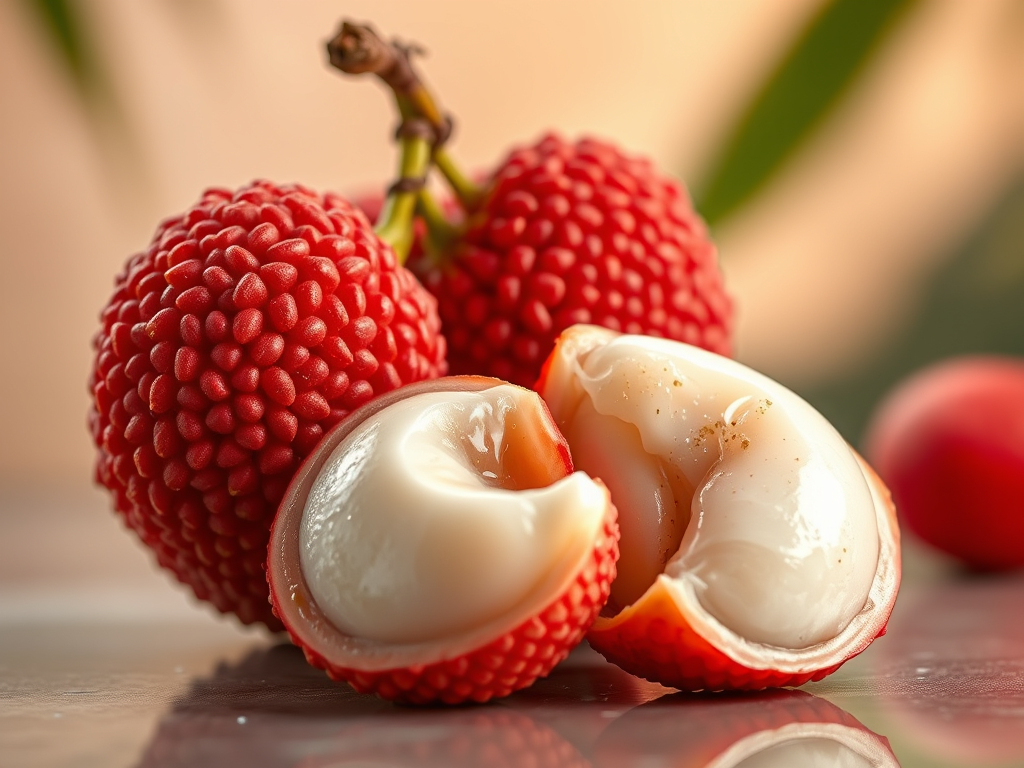
🌸 Lychee is best known for its sweet, floral flavor and distinctive appearance — a bumpy red shell encasing juicy, translucent white flesh with a single seed inside. It’s a tropical fruit native to China and Southeast Asia, often featured in desserts, drinks, and even wines.(Web MD)
Lychee earned its imperial reputation thanks to a mix of romance, rarity, and royal logistics that reads like a Tang Dynasty fairytale 🍒👑.
👸 The Love Story That Crowned a Fruit
During the 8th century, Emperor Xuanzong of Tang was utterly smitten with his consort Yang Guifei, one of China’s legendary Four Beauties. Her favorite indulgence? Fresh lychees — grown over 1,200 miles away in the subtropical south.
To satisfy her cravings, the emperor ordered a relay of horseback couriers to race across the empire, using the ancient Ziwudao road — later dubbed the “Lychee Road” — to deliver the fruit before it spoiled. This wasn’t just a snack run; it was a logistical feat of love, involving infrastructure upgrades and strategic pit stops.
Tang poet Du Mu immortalized the moment with the line:
“A single rider in red dust brings a smile from the beloved — none know it’s just lychees arriving.”
🏛️ Why It Became a Symbol of Royalty
Cultural Legacy: The story of Yang Guifei turned lychee into a metaphor for devotion, indulgence, and imperial power.
Exclusivity: Lychees were highly perishable and hard to transport, making them a luxury only emperors could afford.
Tribute Fruit: Lychees were often presented as tribute to the imperial court, reinforcing their elite status.
🍬 Flavor: Often described as a mix of grape, rose, and pear — delicate and aromatic.
🍬 Lychee’s Flavor Profile: A Sensory Snapshot
Sweet & Floral: The dominant taste is sweet, but not in a sugary-candy way — more like rosewater meets ripe pear, with a whisper of honey. That floral undertone is what gives lychee its romantic, almost perfumed quality.
Tart Edge: Beneath the sweetness lies a subtle acidic zing, thanks to organic acids like malic and citric acid. This keeps the flavor from being cloying and adds a refreshing lift — think of it like the citrusy sparkle in a good white wine.(Home Gardening)
Juicy Texture: The flesh is crisp yet tender, similar to a grape but with more snap. That burst of juice when you bite in? It’s like nature’s own lychee martini.
Aromatic Complexity: Lychee’s aroma comes from volatile compounds like esters and terpenes — the same family that gives tropical flowers and fruits their heady scent. That’s why it smells as good as it tastes.(
🍭 Flavor Comparisons
| Fruit | Similarity to Lychee |
|---|---|
| Grape | Texture & juiciness |
| Rose | Floral aroma |
| Pear | Mild sweetness |
| Strawberry | Tart undertone |
Lychee’s culinary versatility is seriously underrated
🍽️ Sweet & Sensational Uses
Desserts:
Lychee panna cotta: Silky, floral, and elegant — perfect for a romantic or luxe-themed drop
Lychee sorbet: Refreshing and light, often blended with lemon zest and egg white for creaminess
Lychee jam: A fragrant spread that pairs beautifully with toast, oatmeal, or even cheese boards
Frozen Treats:
Aiskrim Malaysia Rose Lychee: A creamy, nostalgic frozen dessert with rose-lychee flavor
Baked Goods:
Lychee-infused cupcakes, tarts, or mochi — adds a tropical twist to traditional sweets
🍹 Drinks & Elixirs
Cocktails:
Lychee martini, lychee mule, or lychee mojito — the fruit’s floral notes balance spirits beautifully
Mocktails & Teas:
Lychee iced tea: Black tea steeped with lychee juice for a summer-ready sip
Lychee lassi: A creamy yogurt-based drink with ginger and tropical flair
Smoothies:
Blend with mango, pineapple, or berries for a refreshing, nutrient-packed boost
🥗 Savory Surprises
Salads:
Tossed with greens, radish, and crispy shallots — lychee adds sweet contrast and texture
Salsas:
Chopped lychee with avocado, lime, and onion makes a killer tropical salsa
Stir-Fries & Curries:
Lychee in Thai green curry or pork stir-fry adds a sweet, juicy counterpoint to spice
Stuffed Lychee Appetizers:

Filled with cream cheese, macadamia nuts, and crystallized ginger — a gourmet bite
Full recipe @ Hawaiian Style
Filled with cream cheese, macadamia nuts, and crystallized ginger — a gourmet bite
🧪 Fusion & Gourmet Concepts
Asian Cuisine:
Used in Chinese, Thai, and Indian dishes — often paired with seafood, duck, or spicy sauces
Modern Fusion:
Lychee ceviche, lychee-glazed ribs, or lychee-infused vinaigrettes — bold meets delicate
🧬 Nutritional perks
: High in vitamin C, antioxidants (like polyphenols), and small amounts of minerals like copper and potassium.
Lychee’s Nutritional Powerhouse
Vitamin C (71.5 mg per 100g) That’s nearly your full daily dose in just 10 fruits! Vitamin C boosts immunity, supports collagen production (hello, radiant skin), and helps fight oxidative stress.
Antioxidants: Polyphenols like Epicatechin & Rutin These plant compounds help protect cells from damage caused by inflammation, aging, and pollution. Lychee actually contains more polyphenols than apples or melons.
Epicatechin: Linked to heart health and reduced cancer risk.
Rutin: May help prevent chronic diseases like diabetes and cardiovascular issues.
Copper Essential for red blood cell formation and maintaining healthy blood vessels. Lychee offers a decent dose, which supports heart health.
Potassium Helps regulate blood pressure and fluid balance. A subtle but important player in cardiovascular wellness.
🧪 Bonus Nutrients
Folate: Supports cell growth and is especially important during pregnancy.
Iron & Zinc: Present in small amounts, contributing to immune and metabolic functions.
🌿 Cultural significance: In Chinese culture, lychee has symbolized love and romance for centuries.
Lychee isn’t just a fruit, it’s a poetic symbol wrapped in a bumpy red shell. Let’s peel back the layers of its cultural legacy
🌿 Lychee in Chinese Culture: A Symbol of Love, Luck & Legacy
Romantic Icon: Lychee’s association with love dates back to the Tang Dynasty. Emperor Xuanzong famously had fresh lychees couriered hundreds of miles to his beloved concubine Yang Guifei — a gesture of devotion so extravagant it became legend.
This story gave lychee its reputation as a fruit of desire and affection, often gifted to express deep emotional bonds.
Festive Symbolism: With its vibrant red skin — a color tied to joy, prosperity, and good fortune in Chinese tradition — lychee is a popular offering during Lunar New Year and weddings1.
It’s believed to bring luck and abundance, making it a staple in celebratory spreads.
Fertility & Family Prosperity: Lychees grow in lush clusters, which in Chinese symbolism represent fruitful family life and generational harmony.
Sharing lychees is seen as a wish for a thriving household and enduring legacy.
Myth & Metaphor: In folklore, the contrast between lychee’s rough exterior and sweet interior reflects life’s dualities — hardship and reward, effort and sweetne
🧪 Health benefits: Its antioxidants may help fight inflammation and support heart health.
l🧪 Lychee’s Antioxidant Arsenal
Polyphenols (Epicatechin & Rutin) These plant-based compounds are like cellular bodyguards.
Epicatechin: May improve blood flow, reduce blood pressure, and protect against oxidative damage linked to heart disease.
Rutin: Known to strengthen blood vessels and reduce inflammation — a double win for cardiovascular health.
Vitamin C (71.5 mg per 100g) Beyond immune support, vitamin C is a potent antioxidant that helps neutralize free radicals — unstable molecules that contribute to chronic inflammation and aging.
Copper & Potassium These minerals play subtle but vital roles in heart rhythm regulation and blood vessel integrity.
🔥 Anti-Inflammatory Potential
Lychee’s polyphenols may help:
Support metabolic health and lower oxidative stress — key factors in preventing chronic conditionsychee’s antioxidant game is quietly fierce
Reduce markers of inflammation after exercise (as seen in studies on lychee-derived supplements like Oligonol)
Vitamins Found in Lychee
- Vitamin C The star of the show — one 100g serving delivers about 71.5 mg, nearly your full daily dose. It supports immunity, collagen production, and antioxidant defense.
- Folate (Vitamin B9) Crucial for cell growth and DNA synthesis, especially important during pregnancy.
- Vitamin B6 Supports brain health and helps regulate mood and metabolism.
- Niacin (Vitamin B3) Aids in energy production and skin health.
- Riboflavin (Vitamin B2) Helps convert food into energy and supports cellular function.
🧪 Bonus Nutrients
While not vitamins, lychee also contains:
Iron & Zinc: Present in small amounts, supporting immune and metabolic functionsFun fact: Lychee trees can live over 1,000 years and are sometimes called “alligator strawberries” because of their textured skin.
Copper: Supports red blood cell formation and heart health
Potassium: Helps regulate blood pressure
To get the most out of lychee’s nutritional and health benefits, it’s all about how and when you enjoy it 🍒💪. Here’s a breakdown of optimal ways to consume it:
🥣 Best Ways to Eat Lychee for Maximum Benefits
- Fresh & Raw Peel and eat the juicy flesh straight — this preserves all the vitamin C, antioxidants, and fiber. Avoid overripe or fermented ones, which may lose potency.
- In Smoothies Blend fresh or canned lychee with other fruits like pineapple or berries. This keeps the fiber intact and adds hydration, while the floral notes elevate the flavor.
- In Salads Toss lychee into fruit or green salads for a sweet-tart burst. Pair with mint, cucumber, or chili for a refreshing twist.
- Infused Water or Tea Add sliced lychee to water or herbal tea for a subtle antioxidant boost — especially good for hydration and digestion.
- Lychee + Protein Combo Pair lychee with yogurt, cottage cheese, or nuts to balance its natural sugars and support sustained energy.
🕒 Timing Tips
- Morning or Midday: Best for absorbing vitamin C and getting a natural energy lift.
- Post-Workout: Great for replenishing antioxidants and hydration.
- Avoid Late Night Binges: Lychee’s natural sugars can spike energy when you’re trying to wind down.
⚠️ Pro Tips (20 healthbenefits)
- Moderation is key: 4–6 lychees a day is plenty for most people.
- Watch for added sugars: Canned lychees in syrup are delicious but less ideal for health goals. Opt for those packed in water or juice.
⚠️ People Who Should Avoid or Limit Lychee Consumption
Children with low blood sugar or malnourishment In rare cases, especially in parts of India, lychee has been linked to hypoglycemia in children when consumed on an empty stomach.
Individuals with diabetes Lychee’s natural sugars can cause blood sugar spikes. Diabetics should monitor intake and avoid eating large quantities.
People with fruit allergies Lychee can trigger allergic reactions ranging from mild itching to severe anaphylaxis.
Those with sensitive stomachs or IBS Its fiber and sugar content may cause bloating, gas, or discomfort in sensitive individuals.
Pregnant or breastfeeding individuals While not strictly forbidden, moderation is key due to potential hormonal and digestive sensitivities.
People taking blood pressure medication Lychee may lower blood pressure, which could interfere with medication and cause dizziness or fatigue.
Anyone undergoing surgery soon Lychee might interfere with anesthesia or recovery, so it’s best to avoid it pre-op.
Those sensitive to sulfites Canned lychees may contain preservatives that can trigger reactions like headaches or asthma-like symptoms.
⚠️ Common Side Effects of Eating Lychee
Hypoglycemia (Low Blood Sugar) Especially in malnourished children, lychee has been linked to dangerously low blood sugar levels when eaten on an empty stomach.
Blood Pressure Drops Lychee’s potassium content can help lower blood pressure, but excessive intake may cause it to drop too low, leading to dizziness or fatigue.
Allergic Reactions Some people may experience itching, swelling, or even difficulty breathing due to lychee allergies.
Gastrointestinal Issues Overeating lychee can cause bloating, diarrhea, or stomach upset due to its high sugar and fiber content.
Weight Gain Despite being low in fat, lychee is high in natural sugars and carbs, which can contribute to weight gain if consumed excessively.
Autoimmune Concerns Lychee may stimulate the immune system, which could worsen symptoms in people with autoimmune conditions like lupus or rheumatoid arthritis.
Surgery Interference Lychee might affect blood sugar control during and after surgery. It’s recommended to avoid it at least two weeks before a scheduled procedure.
Pregnancy and Breastfeeding Caution While not strictly harmful, there’s limited research on lychee’s safety during pregnancy and lactation, so moderation is advised.
Resources
Hypoglycemia – Symptoms and causes – Mayo Clinic
Lychee Availability in the U.S.
Fresh lychee is typically available from May to July, with peak season in June.
It’s grown domestically in Florida, California, and Hawaii, where the subtropical climate suits it perfectly.
Outside of peak season, fresh lychee is harder to find, but canned, dried, and frozen lychee are available year-round in Asian markets, international grocery stores, and online retailers.
Imported lychee from countries like Mexico, Thailand, and Taiwan supplements U.S. supply during peak months.
Closing with Sweet News
Lychee is fresh, seasonal, and available in the U.S., mostly during the summer months — think May to July.
It’s grown in Florida, Hawaii, and California, adding tropical flair right from American soil.
Even off-season, lychee lives on via canned, frozen, and dried forms, making it a year-round flavor option.
With lychee’s cultural depth, wellness value, and culinary versatility, you’ve got the perfect fruit to spin into storytelling, seasonal specials, and bold EJADA designs.
Bonus: It’s a natural touchpoint for conversations around hypoglycemia, sweet rituals, and mood-boosting delights
 EJADA
EJADA 
Leave a comment