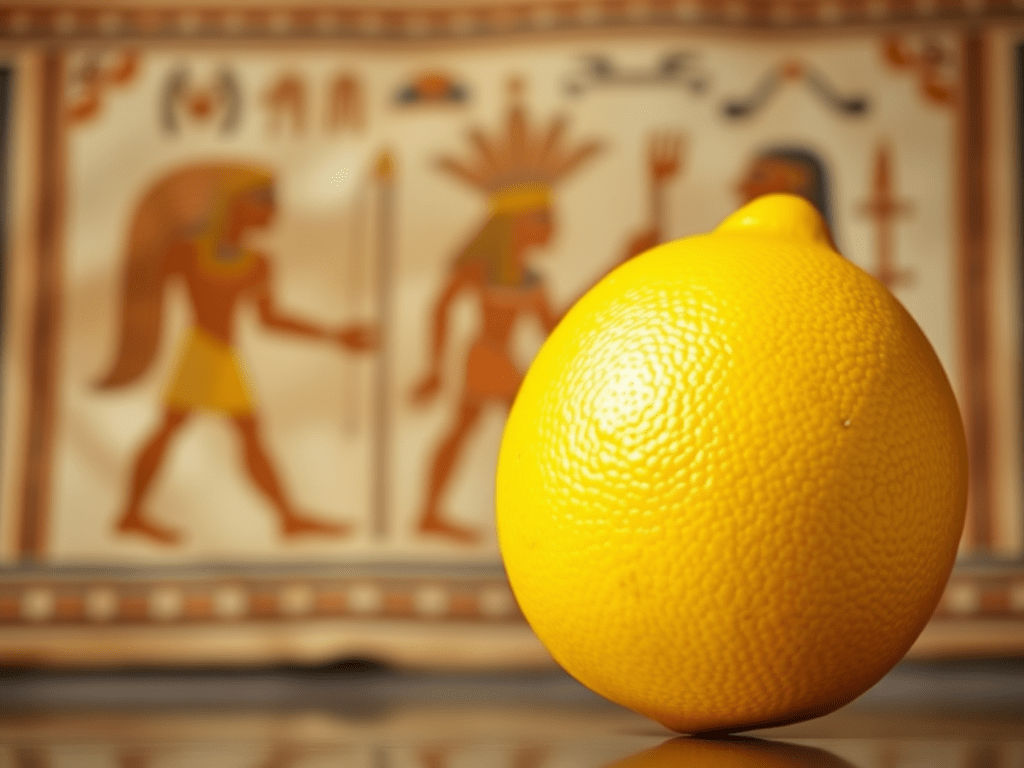
🟡 Lemon: A Familiar Fruit with Unfamiliar Roots
Before it became a kitchen staple or beauty ingredient, the lemon’s journey began as a medicinal marvel and spiritual tool:
- Origin: Lemons are a hybrid of citron and bitter orange, believed to have first appeared in the Himalayan region of India, Myanmar, and China over 2,000 years ago.
- Ayurvedic Healing: Ancient Indian healers used lemons for their alkaline effects, digestive aid, and purification rituals. Its juice was revered for cleansing and energizing the body.
- Egyptian Remedies: Around the 12th century, lemons appeared in Middle Eastern medicine. Ibn Jumay, physician to Saladin, noted its cooling properties and used it in preserved form to treat nausea and fever.
- Symbolism & Ritual: In various cultures, lemons symbolized cleansing, protection, and even fertility. They were hung in homes to absorb negative energy or mixed into ceremonial drinks.
🍋 Their role in purification and protection spans continents and centuries:
Ancient Rituals & Symbolism of Lemons
- Hindu Traditions: Lemons were hung with chilies at doorways to ward off evil spirits and negative energy. This practice, still common today, is rooted in ancient beliefs about energetic cleansing and spiritual protection.
- Egyptian Burial Rites: Lemons were used in embalming and placed in tombs to symbolize purity and safeguard the soul’s journey in the afterlife.
- Greek Offerings: Ancient Greeks offered lemons to deities as symbols of vitality and renewal. Their bright color and scent were linked to solar energy and divine favor.
- Jewish Sukkot Festival: The etrog, a citron closely related to lemon, is one of the Four Species used in sacred rituals. It represents the heart and spiritual perfection.
- Southern Conjure & Hoodoo: Lemons were used in spells to break curses, cleanse spaces, and attract prosperity. A sliced lemon placed under the bed was believed to absorb negative energy overnight4.
- Wiccan & Pagan Practices: Lemons are carved with sigils, added to moon water, or infused in ritual baths to promote clarity, healing, and emotional release
🍋 Lemon: A Symbol of Purification and Renewal
Long before it brightened teas and desserts, the lemon was revered as a ritual cleanser, an agent of transformation, and a beacon of health.
Spiritual Purification: In ancient Hindu ceremonies, lemons were offered to deities and used to ward off negative energy. Hanging a lemon with chilies at a doorway wasn’t just superstition—it was symbolic protection and energetic cleansing.
In Ayurveda, lemon isn’t just a tangy fruit—it’s a therapeutic powerhouse used for everything from digestion to detoxification. Here’s how this vibrant citrus is traditionally applied:Digestive & Metabolic Support
- Agni (Digestive Fire): Lemon stimulates Agni, enhancing digestion and nutrient absorption2.
- Appetizer & Detoxifier: Used before meals with ginger and salt to awaken appetite and cleanse the stomach.
- Ama Removal: Helps eliminate Ama (toxins from undigested food), promoting internal clarity.
🌿 Balancing the Doshas
- Vata & Kapha Pacifier: Its sour and warming nature calms Vata and Kapha doshas.
- Pitta Consideration: While lemon is generally heating, ripe lemons may soothe Pitta when used moderately.
🩺 Medicinal Applications
- Colic & Indigestion: Lemon juice relieves abdominal pain and bloating, often used in remedies like Hingvadi Churna.
- Nausea & Vomiting: Mixed with honey or onion juice to ease queasiness and support liver function.
- Cough & Cold: Combined with warm water and spices to soothe the throat and reduce Kapha-related congestion.
- Skin Health: Applied topically with honey to brighten complexion and reduce blemishes.
- Weight Loss: Warm lemon water in the morning is a classic Ayurvedic remedy to reduce Kapha and support fat metabolism.
🧪 Other Ayurvedic Uses
Worm Expulsion: Lemon’s sour and sharp qualities help eliminate intestinal parasites.
Menstrual Relief: Lemon seed paste is used for menstrual discomfort in traditional remedies.
Cultural Rebirth: In Egyptian and Islamic traditions, lemon was preserved and incorporated into healing rituals. It marked seasonal transitions and bodily resets—offering not just relief from illness but a restoration of balance.
Purification of Metals: Lemon juice is used in Shodhana (purification) of Ayurvedic minerals like iron pyrite
Modern Echoes: From juice cleanses to mindfulness teas, lemon remains a go-to for people seeking inner clarity and physical renewal.
🌍 Lemon’s Rise as a Global Culinary Icon
From ancient groves to modern kitchens, lemons have traveled far and wide:
- Mediterranean Marvel: In Sicily and the Amalfi Coast, lemons became central to cuisine—think limoncello, lemon sorbet, and seafood dishes kissed with citrus.
- Middle Eastern Depth: Preserved lemons are a staple in Moroccan tagines, adding salty-sour complexity to slow-cooked stews.
- Asian Fusion: Thai cuisine balances lime (a close cousin) with chili and palm sugar, creating vibrant flavor profiles.
- European Elegance: French and Italian chefs use lemon zest and juice to elevate sauces, pastries, and vinaigrettes.
- American Classics: Lemon bars, lemonade, and lemon meringue pie are beloved staples in U.S. kitchens.
Its versatility—zest for aroma, juice for acidity—makes lemon a culinary chameleon.
⚓ Lemon vs. Scurvy: A Life-Saving Legacy
In the 18th century, sailors on long voyages suffered from scurvy, a deadly disease caused by vitamin C deficiency. Enter the lemon:
- James Lind’s 1747 Experiment: He gave scurvy-stricken sailors citrus fruits—only those eating lemons and oranges recovered.
- British Navy’s Adoption: By 1795, sailors received daily lemon juice rations, nearly eradicating scurvy.
- The “Limey” Confusion: Lemons were later swapped for limes (cheaper, from Caribbean colonies), but limes had less vitamin C—leading to a resurgence of scurvy5.
- Cultural Impact: British sailors earned the nickname “Limeys,” and citrus became synonymous with health and vitality at sea.
Proven Medicinal Properties of Lemon
Lemons are loaded with vitamin C, polyphenols, and flavonoids, which give them a wide range of therapeutic benefits: 8 Benefits Very well health
Immune Support: High vitamin C content boosts white blood cell production and helps fight infections.
Heart Health: Flavonoids and soluble fiber in lemons may reduce blood pressure, lower cholesterol, and decrease stroke risk. 6 Evidence-Based Health Benefits of Lemons @ healthline
Kidney Stone Prevention: Citric acid increases urine volume and pH, reducing the risk of stone formation.
Iron Absorption: Vitamin C enhances absorption of non-heme iron from plant-based foods, helping prevent anemia.
Anti-inflammatory Effects: Antioxidants like limonene and hesperidin help reduce inflammation and oxidative stress.13 Impressive Health Benefits of Lemons: Natural Foods
Cancer Research: Early studies show lemon compounds may inhibit cancer cell growth and promote apoptosis (cell death), though more human trials are needed4.
Digestive Health: Pectin, a soluble fiber in lemon pulp, supports gut microbiota and slows sugar digestion, aiding blood sugar control.
Skin & Aging: Vitamin C promotes collagen production, improving skin elasticity and reducing wrinkles.13 Things That Happen to Your Body When You Eat Lemons: Evidence-Based
Antibacterial & Antifungal: Lemon juice has shown activity against pathogens like Salmonella, Staphylococcus, and Candida. Health Benefits of Lemon: WebMD
🍋 Let’s make lemons a daily delight, not just a garnish! Here are some creative, practical, and flavorful ways to eat more lemons—whether you’re aiming for wellness, culinary flair, or both:
🥗 Simple Everyday Additions
- Morning Ritual: Squeeze half a lemon into warm water to kickstart digestion and hydration.
- Salad Boost: Use lemon juice in homemade dressings with olive oil, herbs, and mustard.
- Veggie Upgrade: Drizzle lemon juice over steamed greens like kale, broccoli, or asparagus.
- Grain Bowls: Add lemon zest and juice to quinoa or rice for brightness and depth.
🍽️ Culinary Creations
- Lemon Coconut Delights: Blend lemon juice and zest with coconut oil and honey for freezer-friendly fat bombs.
- Kutjera-Lemon Fusion: Pair lemon juice with Kutjera (bush tomato) in sauces or chutneys for a tangy twist.
- Preserved Lemons: Ferment lemons with salt for Moroccan-style flavor bombs—perfect in tagines or grain bowls.
- Lemon Hummus: Add fresh lemon juice to garlic hummus for a zesty, creamy dip.
🍰 Sweet & Tart Treats
- Lemon Bars or Blondies: Bake with lemon zest and juice for a tangy dessert.
- Lemon Curd: Spread on toast, swirl into yogurt, or layer in cakes.
- Lemon Ice Cream or Sorbet: Refreshing and dairy-free options abound.
🍹 Drinks & Infusions
- Herbal Teas: Add lemon slices or juice to chamomile, mint, or ginger teas.
- Smoothies: Brighten berry or green smoothies with a splash of lemon.
- Infused Water: Combine lemon with cucumber, mint, or ginger for all-day hydration.

🍰 Playful & Foodie for Social Media “Tangy like your best retort, sweet like grandma’s hug. This lemon bar’s got that citrus sass!” Full Recipe
So whether you’re channeling apothecary chic or just here for the citrus sass, remember—this lemon bar doesn’t just brighten your plate, it might just realign your chakras… assuming your chakras respond to powdered sugar.
If it doesn’t, well—at least your taste buds will ascend. 🍋✨
🍋 Final Crumbs of Wisdom
From sun-drenched curd to golden, buttery base, these lemon bars aren’t just dessert—they’re a mood enhancer wrapped in powdered sugar. Rooted in citrus folklore and sweet alchemy, they pay homage to ancient remedies while embracing modern comfort.
Whether your interest lies in Ayurvedic vitality or you’re just chasing the perfect midday pick-me-up, let this bar be more than a treat. Let it be part of a deeper ritual—a celebration of zest, warmth, and the healing power of indulgence.
And if enlightenment doesn’t come from the citrus, powdered sugar might just coax it out. If not, hey… at least your kitchen smells divine and your Instagram’s about to look fresher than a lemongrass breeze.
 EJADA
EJADA 
Leave a comment