
In the arid heart of Australia, a rugged fruit thrives — Kutjera’s Chemistry of Resilience is more than poetic, it’s biochemical. Let’s explore its healing code.
🌞 This desert gem has a rich story woven through Indigenous tradition, nutrition, and resilience.
Kutjera’s First Use by Aboriginal Peoples
🌾 Origins in the Dreaming
- Indigenous use of Kutjera dates back tens of thousands of years, embedded in Dreamtime stories that map spiritual laws and seasonal behavior.
- Kutjera wasn’t “discovered”—it was known, through ancestral kinship with Country. Communities didn’t just consume it; they interpreted it.
🧺 Harvesting with Protocol
- The fruit was gathered after seasonal rains, when it naturally shriveled under the desert sun, making it ideal for preservation.
- Protocols guided by Elder knowledge determined when, how much, and where to harvest—avoiding overharvesting and respecting ecological balance.
🍴 Food, Medicine & Ceremony
- It was used in ceremonial meals, ground into a paste or powder and combined with herbs like wattleseed or saltbush to flavor dampers and meats.
- Medicinally, Kutjera aided digestion, wound care, and general vitality, infused with spiritual significance in healing rituals.
🌱 Cultivation & Cultural Origins
Its enduring role in Aboriginal diets and mythology — especially among the Warlpiri and Anmatyerre peoples — reflects deep ecological knowledge and cultural reverence.
Kutjera has been cultivated for millennia by Central Australian Aboriginal communities, including:x
- Amata and Mimili (Anangu Pitjantjatjara Yankunytjatjara lands)
- Dinahline near Ceduna
- Nepabunna in the Flinders Ranges
- Tangglun Piltengi Yunti farm in Murray Bridge5
These communities have extended the fruiting season from 2 months in the wild to 8 months using irrigation. Cultivation is deeply tied to ancestral knowledge, seasonal rhythms, and sustainable land practices.
Kutjera’s earliest known use stretches back over 40,000 years, making it one of the oldest documented bush foods in Indigenous Australian culture. Central desert communities relied on it as a staple food and medicinal resource, especially during dry seasons when few other fruits were available.
Traditionally, the dried fruits were:
- Gathered in autumn and winter, when they naturally dried on the bush.
- Formed into paste balls and sun-dried for long-term storage.
- Used in ceremonies and daily sustenance, often skewered and dried for portability4.
🔄 Knowledge Transfer Across Generations
- The techniques for drying, curing, and mixing varied between clans—preserved through oral tradition, songlines, and story dances.
- These methods also taught environmental indicators: when ants moved a certain way, when the wind shifted—clues to fruit readiness.
✨ Kutjera’s original users weren’t just foragers—they were climate scholars, cultural botanists, and custodians of desert intelligence.
Kutjera (Solanum centrale), also known as bush tomato or desert raisin, is prized for both its culinary punch and medicinal value:
Digestive health: Traditionally used to treat diarrhea, colds, and digestive issues.
Anti-inflammatory & antiseptic: Helps reduce swelling and heal wounds.
Antioxidant-rich: Contains compounds that may reduce the risk of chronic diseases like diabetes and cardiovascular issues.
Flavor enhancer: Its intense caramel-tamarillo taste makes it ideal for chutneys, sauces, and spice blends.
Traditional medicine: Roots were baked and applied to treat toothaches.
🌱 Cultivation & Cultural Origins
Kutjera has been cultivated for millennia by Central Australian Aboriginal communities, including:
- Amata and Mimili (Anangu Pitjantjatjara Yankunytjatjara lands)
- Dinahline near Ceduna
- Nepabunna in the Flinders Ranges
- Tangglun Piltengi Yunti farm in Murray Bridge5
These communities have extended the fruiting season from 2 months in the wild to 8 months using irrigation. Cultivation is deeply tied to ancestral knowledge, seasonal rhythms, and sustainable land practices.
Kutjera’s earliest known use stretches back over 40,000 years, making it one of the oldest documented bush foods in Indigenous Australian culture. Central desert communities relied on it as a staple food and medicinal resource, especially during dry seasons when few other fruits were available.
Traditionally, the dried fruits were:
- Gathered in autumn and winter, when they naturally dried on the bush.
- Formed into paste balls and sun-dried for long-term storage.
- Used in ceremonies and daily sustenance, often skewered and dried for portability4.
These compounds didn’t just evolve randomly—they align with Indigenous survival strategies, from seasonal eating to wound dressing.
Kutjera’s role beyond just nutrients.
🍊 Vitamin & Nutrient Profile
🔸 Vitamin C (Ascorbic Acid)
- Immune boost & skin repair: Ideal for harsh environments that tax immunity and damage skin.
- Heat resilience: Helps scavenge free radicals from sun exposure.
- Estimated Content: Up to 400 mg/kg in dried fruit—rivaling oranges!
🔸 Vitamin E (Tocopherols)
- Protects cell membranes and reduces oxidative stress.
- Supports reproductive and skin health, valuable in both traditional and modern medicine.
🔸 Vitamin K
- Assists blood clotting and bone health—a quiet hero especially when dietary variety is limited.
🔸 Potassium
- Vital for muscle control, hydration, and balancing electrolytes in arid-zone conditions.
- Kutjera carries significant natural potassium, aiding survival where water is scarce.
🔸 Magnesium
- Helps regulate nerve and muscle function.
- Supports energy metabolism during physically demanding tasks like foraging or long-distance travel.
🔸 Iron
- Supports oxygen transport, reducing fatigue and boosting endurance—key for nomadic desert living.
🔸 Zinc
- Essential for wound healing, immunity, and sensory function.
- Important for resilience in nutrient-scarce regions.
🔸 Dietary Fiber
- Promotes digestion even in low-water intake environments.
- Aids satiety and metabolic stability.
Beneath the sun-scorched skin of Kutjera lies a molecular shield—phenolic acids that protect, preserve, and promote health.
🌱Kutjera isn’t just about standard vitamins—it’s loaded with:
Unique Phytochemicals & Antioxidants
🌈 Kutjera’s Unique Phytochemicals & Antioxidant Arsenal
These compounds go beyond basic nutrition—they’re bioactive agents shaped by centuries of desert adaptation. Here’s a deeper look:
🔮 Unique Phytochemicals in Kutjera
| Compound Group | Description & Health Impact |
|---|---|
| Alkaloids | Natural compounds with antimicrobial and anti-inflammatory effects. May contribute to Kutjera’s bitter flavor and medicinal potency. |
| Saponins | Foam-forming compounds that can support immune response and reduce cholesterol. Often seen in traditional remedies. |
| Flavonoids | Diverse group including flavonols and flavones; antioxidant-rich and anti-inflammatory. These also protect against UV stress. |
| Glycoalkaloids (e.g. solanine) | Naturally occurring in nightshade relatives like tomato and eggplant. In small amounts (as in properly dried Kutjera), may assist in microbial defense. |
| Phenolic Acids | As covered earlier—powerful antimicrobials, antioxidants, and immunity boosters. |
🌿 Together, these phytochemicals give Kutjera its medicinal aura—used traditionally for wound care, infection control, and even digestive balance.
⚡ Antioxidant Powerhouses
Kutjera’s desert resilience is mirrored in its molecular strength:
| Antioxidant | Role & Benefits |
|---|---|
| Beta-Carotene | Converts to vitamin A; great for eye health and immune support. |
| Lutein & Zeaxanthin | Guards vision and skin against intense sun exposure. |
| Flavonols (e.g. quercetin) | Powerful anti-inflammatory and immune-modulating effects. |
| Polyphenols | Broad antioxidant family; helps slow aging, reduce inflammation, and protect cells. |
Kutjera’s role beyond just nutrients.
Cultural Resonance of Kutjera: Wisdom Rooted in Sand and Spirit
Kutjera is not just a food—it’s a relationship between land, people, and resilience.
1. Survival Storytelling & Seasonal Strategy
- Traditional use by Aboriginal communities spans generations. Kutjera was harvested post-seasonal rains when the fruit naturally dried—ideal for storage and trade.
- Songlines and Dreaming tracks often guided harvest timing and locations, embedding the fruit into sacred geography and oral history.
- Kutjera served as a seasonal marker, signaling climate patterns and survival readiness.
🔥 2. Culinary & Medicinal Rituals
- Smoked, ground, and combined with other native herbs, Kutjera was used to flavor meats and dampers, creating ceremonial meals rich in symbolism and sustenance.
- Medicinally, the fruit’s compounds were valued for wound dressing and digestive balance, linking physical healing with spiritual care.
- Traditional preparation methods amplified the antioxidant and antimicrobial potency—a cultural form of biochemistry before labs existed.
🧵 3. Trade Networks & Knowledge Transfer
- Bush tomatoes like Kutjera were central to Indigenous trade routes, exchanged between language groups as both food and cultural capital.
- Each community held unique drying, curing, and mixing methods—a tapestry of regional identity, resilience, and environmental stewardship.
🌍 4. Ecological Kinship & Sustainability
- Rather than exploitation, Kutjera was harvested with care—never stripping a plant entirely, preserving regeneration.
- This practice reflects a worldview of interconnectedness with Country, where fruit is seen as kin, not commodity.
- Modern regenerative agriculture now mirrors these Indigenous systems, proving traditional methods are not just spiritual—they’re scientifically sound.
✨ Kutjera’s cultural resonance weaves biology, geography, and spirituality into one resilient thread—a testament to desert innovation and ancestral wisdom.
“Kutjera’s Chemistry of Resilience: A molecular story of desert wisdom.”
In the blistering heart of Australia’s desert, Kutjera thrives—not by accident, but through a biochemical ballet refined over millennia. The fruit’s survival mechanisms mirror the resilience of the First Nations people who nurtured and understood it.
🌡️ 1. Sun-Hardened Antioxidants & Stress Response
- Kutjera endures extreme solar radiation, leading to heightened levels of polyphenols, notably chlorogenic acid and ferulic acid—compounds with protective effects against oxidative stress.
- These antioxidants aren’t just passive; they’re part of the plant’s active defense system, developed to shield cellular integrity from intense UV exposure.
🌬️ 2. Aromatic Alkaloids & Desert Scent Messaging
- The fruit’s bold aroma—earthy, sharp, almost smoky—is driven by tropane alkaloids and volatile oils. These chemicals serve multiple roles:
- Repelling desert pests
- Signaling ripeness to nearby foragers and human caretakers
- Promoting microbial harmony during drying and curing
💧 3. Osmoprotectants & Water-Wise Chemistry
- Kutjera accumulates osmolytes such as proline and betaines, which help regulate cellular water retention.
- This biochemical trait is key to its survival during droughts—a molecular version of “knowing when to rest”, as many Aboriginal Dreamings suggest.
🧬 4. Genetic Memory & Adaptive Evolution
- Recent studies suggest Kutjera has evolved unique gene expression pathways tied to heat shock proteins—molecules that maintain protein shape during high heat exposure.
- This adaptation echoes ancestral wisdom, where heat wasn’t feared but understood—a teacher of patience, preservation, and process.
✨ In every dried seed and pungent bite of Kutjera, there lies a molecular archive of desert adaptation—a chemistry born from survival, selected by spirit, and refined by time.
What Makes Phenolic Acids Powerful?
- Nature’s antimicrobials: These compounds defend Kutjera from spoilage, helping it survive and thrive in desert soils.
- Support for gut health: Their antimicrobial action extends to humans too, guarding against harmful microbes.
- Potent antioxidants: They fight oxidative stress, keeping your cells younger and more resilient.
📖 Traditional Preservation Meets Modern Insight
Indigenous communities used drying, smoking, and fermentation to amplify Kutjera’s microbial resistance—practices now validated by modern biochemistry. These methods likely boosted phenolic potency, aiding desert survival.
🧪 Phenolic Acids Spotlight
How each acid contributes to Kutjera’s healing profile:
| Compound | Function & Health Benefits |
|---|---|
| Caffeic Acid | Kills harmful bacteria, reduces inflammation |
| Ferulic Acid | Protects against UV damage, boosts skin repair |
| p-Coumaric Acid | Fights fungal infections, supports gut microbiome |
| Chlorogenic Acid | Blocks viral activity, strengthens immune response |
✨ These molecules form a natural toolkit for desert wellness—each one bringing layered protection where modern medicine may not reach.
Flavonols: Anti-inflammatory and protective for long-term health.
Carotenoids (including beta-carotene): For eye health and UV protection.
Kutjera is a nutritional powerhouse, especially for arid-zone survival:
Survival Superfood Profile
- High antioxidant levels – Especially polyphenols and flavonols, which help counteract cellular damage from harsh sun exposure.
- Rich in potassium – Critical for muscle function and hydration regulation, especially in dry climates.
- Sodium-smart – Contains trace natural sodium, balancing electrolyte needs without overloading the kidneys.
- Dietary fiber – Supports digestive health even when hydration and diet diversity are limited.
- Vitamin C – Bolsters immunity and skin health in demanding climates.
- Iron and other trace minerals – Useful for oxygen transport and endurance, essential during long treks or traditional bush living.
🔬 Adapted by Nature
- The fruit dries naturally on the plant, concentrating sugars and nutrients—making it ideal for preservation and travel.
- Its alkaloid content (when dried properly) has antimicrobial properties, aligning with survival needs in microbially-rich desert environments.
It also contains selenium, carotenoids, and flavonoids, which contribute to antioxidant and anti-inflammatory effects.
Kutjera isn’t just a fruit — it’s a cultural thread woven through generations of Indigenous Australian life.
Medicinal Benefits of Kutjera (Bush Tomato)
Bush tomatoes, also known as Kutjera, aren’t just culinary gems — they’re powerful allies in natural health. Their distinctive flavor is backed by a robust nutritional and medicinal profile that supports various aspects of wellness:
🧪 Nutritional Powerhouse
- Rich in antioxidants like carotenoids, flavonoids, and saponins, which combat inflammation and oxidative stress → Bush Tomato: A Mighty Superfood That Supports Digestive Health
- High levels of vitamin C, potassium, selenium, and fiber, contributing to immune support and heart health → Foundation for Indigenous Sustainable Health (FISH) – Bush Tomato Overview
🩺 Traditional & Modern Medicinal Uses
- Used by Indigenous communities for centuries to treat digestive issues, skin conditions, and general fatigue
- Recent studies suggest bush tomatoes may support gut microbiota, reduce arthritis symptoms, and promote cardiovascular wellness → Bush Tomato: The Indigenous Superfood Packed with Nutrients and Health Benefits – [your]NEWS
🍽️ Health-Forward Culinary Application
When transformed into chutney or relish, Kutjera’s nutrients remain potent and bioavailable. Paired with ingredients like lemon myrtle or coconut cream, this superfruit contributes to a functional diet rooted in flavor and Indigenous wisdom.
🌾 Its cultivation, preparation, and ceremonial use reflect deep ecological wisdom and spiritual connection to the land.
Traditional Harvesting & Preparation
- Seasonal gathering: Women traditionally harvested Kutjera in late autumn and winter, when the fruits dried naturally on the bush.
- Sun-drying & paste-making: Dried fruits were ground with water into thick pastes, shaped into balls, and sun-dried for long-term storage — often wedged into tree forks for safekeeping.
- Seed saving: Seeds were carefully extracted and stored for propagation or trade within communities.
🪶 Ceremonial & Spiritual Significance
- Dreamtime stories: Kutjera features in the mythology of the Warlpiri and Anmatyerr peoples, symbolizing survival, resilience, and sacred knowledge.
- Ritual use: The fruit was used in ceremonies honoring seasonal cycles, ancestral spirits, and land stewardship.
- Oral tradition: Knowledge of when, where, and how to harvest was passed down through storytelling and hands-on teaching by Elders.
🌱 Cultivation as Cultural Continuity
- Land stewardship: Cultivation sites were chosen with care, respecting soil, water, and seasonal rhythms.
- Community empowerment: Modern Indigenous farms like Tangglun Piltengi Yunti continue this legacy, blending ancestral techniques with sustainable irrigation.
- Cultural preservation: Kutjera’s cultivation is seen as a way to preserve identity, language, and ecological knowledge.
🍲 Culinary Traditions
Flavor Rituals with Kutjera:
For generations, Kutjera—commonly known as bush tomato—played a starring role in sacred flavor rituals. Its robust, sun-dried tang was more than just seasoning; it was a spiritual enhancer in meats, stews, and ceremonial dishes shared around ancestral fires. The intense umami-rich notes added depth to kangaroo meat and echoed the arid lands where this native fruit thrived. Flavor wasn’t just taste—it was memory, identity, and connection.Flavor rituals: Kutjera’s intense taste was used to flavor meats, stews, and ceremonial dishes.
🧭 Cultural Resonance
These compounds didn’t just evolve randomly—they align with Indigenous survival strategies, from seasonal eating to wound dressing.
Culinary Uses of Kutjera (Bush Tomato)
🌶️ As a Spice or Seasoning
- Ground Kutjera is commonly used to season meats, vegetables, and sauces.
- Adds depth to BBQ rubs, dukkah blends, and herb mixes.
- A little goes a long way—too much can taste bitter.
🍲 In Sauces and Condiments
- Featured in chutneys, relishes, and salsas for a tangy, smoky flavor.
- Used in pizza sauces, vinaigrettes, and bush tomato oil.
🧀 With Dairy and Eggs
- Pairs beautifully with cheese boards, especially goat cheese.
- Enhances dishes with eggs, like omelets or quiches.
🥩 As a Crust or Rub
- Ground Kutjera makes a flavorful crust for meats like kangaroo, lamb, or salmon.
- Often combined with native herbs like lemon myrtle or pepperberry.
🍞 In Baked Goods
- Incorporated into bread mixes, crackers, and even scones for a savory twist.
🥗 In Salads and Dressings
- Adds complexity to salad dressings and can be sprinkled over roasted veggies.
🍹 In Beverages and Preserves
- Used to flavor liqueurs, teas, and jams.
- Sometimes infused into vinegars for gourmet applications.
- Kutjera is also packed with antioxidants, vitamin C, and minerals like potassium and iron4—so it’s not just tasty, it’s a nutritional gem.
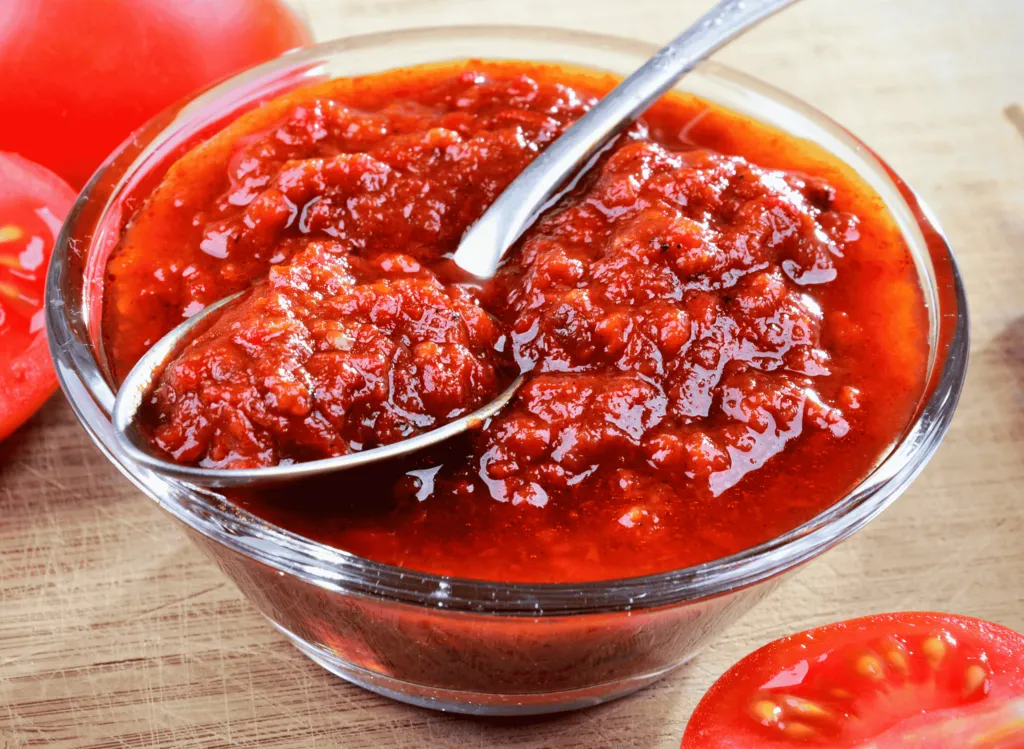
This native Australian condiment is known for its rich, earthy flavor and pairs beautifully with grilled meats, cheeses, and crusty bread.
Full Recipe: Australian Bush Tomato Chutney (Wild Tomato Relish) | DelishGlobe
Availability in the U.S.
Seeds: You can purchase Kutjera seeds from specialty seed suppliers like HRSeeds and Living Green and Feeling Seedy2. These are ideal if you’re interested in cultivating it yourself, especially in arid or controlled environments.
Dried Whole Fruit: Some online retailers and bushfood importers offer sun-dried Kutjera, which resembles small raisins and carries a pungent tamarillo-caramel flavor.
Ground Powder: Kutjera powder is one of the most popular forms. It’s used as a spice in sauces, chutneys, bread mixes, and meat rubs4.
Chutneys & Relishes: Gourmet brands occasionally feature Kutjera in bush tomato chutneys or wild tomato relishes, often blended with native herbs.
Preserves & Infusions: It’s also used in jams, jellies, teas, and even liqueurs.
🌿 Forms & Uses
| Form | Culinary Use | Notes |
|---|---|---|
| Whole dried | Eaten as-is, added to stews or trail mixes | Traditional Aboriginal use |
| Ground powder | Spice for meats, sauces, breads | Strong flavor — use sparingly |
| Chutney/Relish | Condiment for cheese, meats, sandwiches | Often paired with native pepperberry |
| Jam/Jelly | Sweet-savory spread | Rare, but available from bushfood brands |
| Tea/Liqueur | Infused beverages | Emerging in gourmet circles |
| Seeds | For cultivation | Requires smoke treatment for germination |
🔥 Flavor Rituals of Kutjera
Kutjera’s bold, sun-dried tomato-meets-caramel flavor wasn’t just a culinary delight — it was a sensory experience woven into cultural rhythm:
- Ceremonial seasoning: In sacred gatherings, Kutjera was ground and sprinkled over roasted meats and stews prepared in earth ovens. Its pungent aroma was believed to awaken ancestral spirits and honor seasonal transitions.
- Flavor layering: The fruit’s spicy aftertaste was used to balance fatty meats like kangaroo or emu. It added depth to dishes cooked in hot coals, often paired with native herbs like wattleseed or saltbush.
- Crusting & rubs: Ground Kutjera was mixed with ash or clay and rubbed onto meat before cooking — a technique that preserved the meat and infused it with earthy, smoky notes.
- Communal feasting: During harvest festivals, Kutjera was blended into thick sauces and shared in communal bowls. The act of eating together symbolized kinship, abundance, and gratitude.
- Flavor memory: Elders taught younger generations how to “read” the flavor — distinguishing between wild-harvested and cultivated Kutjera by its bitterness, sweetness, and aroma. This was part of oral culinary education.
- Trade & diplomacy: Dried Kutjera balls were exchanged between groups, not just as food but as gifts of flavor and goodwill, often accompanying meat parcels or ceremonial tools.
- Trade & sharing: Dried Kutjera was traded between groups, strengthening kinship ties and regional alliances.
Primary References
DelishGlobe – Australian Bush Tomato Chutney offers a detailed recipe and cultural overview of bush tomato chutney, including its Indigenous roots, flavor profile, and traditional ingredients like lemon myrtle and wattle seed.
Closing Notes: A Taste of the Desert’s Legacy
Kutjera’s fiery intensity isn’t just a flavor—it’s a thread of memory stitched into the landscape. From ceremonial stews to bold chutneys, its tang bridges ancient rituals with modern nourishment. In every bite, you’re tasting a survival story, a celebration, and a sacred spice passed through generations.
Let the bush tomato chutney be more than a condiment—let it be a conversation starter. Serve it with grilled meats, fold it into grain bowls, or spoon it atop sourdough. It’s Indigenous brilliance, jarred for the now.
And to crown this sensory journey, pair your dish with Muntries, a desert gem also known as emu apples. These glossy red berries bring a cinnamon-apple lift that complements Kutjera’s umami edge—two fruits of the same wild wisdom, entwined on your plate.
🌿 Closing Thoughts: Kutjera’s Gift to the World
From the sun-scorched soils of Central Australia to your modern-day pantry, Kutjera is more than a fruit—it’s a cultural beacon and botanical powerhouse. Its rich nutritional profile, smoky depth of flavor, and ancient medicinal use speak to generations of Indigenous wisdom and resilience.
By embracing Kutjera, we’re not just enriching our meals—we’re participating in a deeper movement toward biodiversity, cultural preservation, and conscious consumption. Whether you’re blending it into coconut cream, spicing up your sauces, or storytelling through your culinary creations, Kutjera invites us to revive forgotten flavors and honor their roots.
Let this be an invitation to explore, share, and celebrate fruits that carry history in their skin and healing in their pulp. The journey doesn’t end here—what fruit will you revive next?
 EJADA
EJADA 
Leave a comment