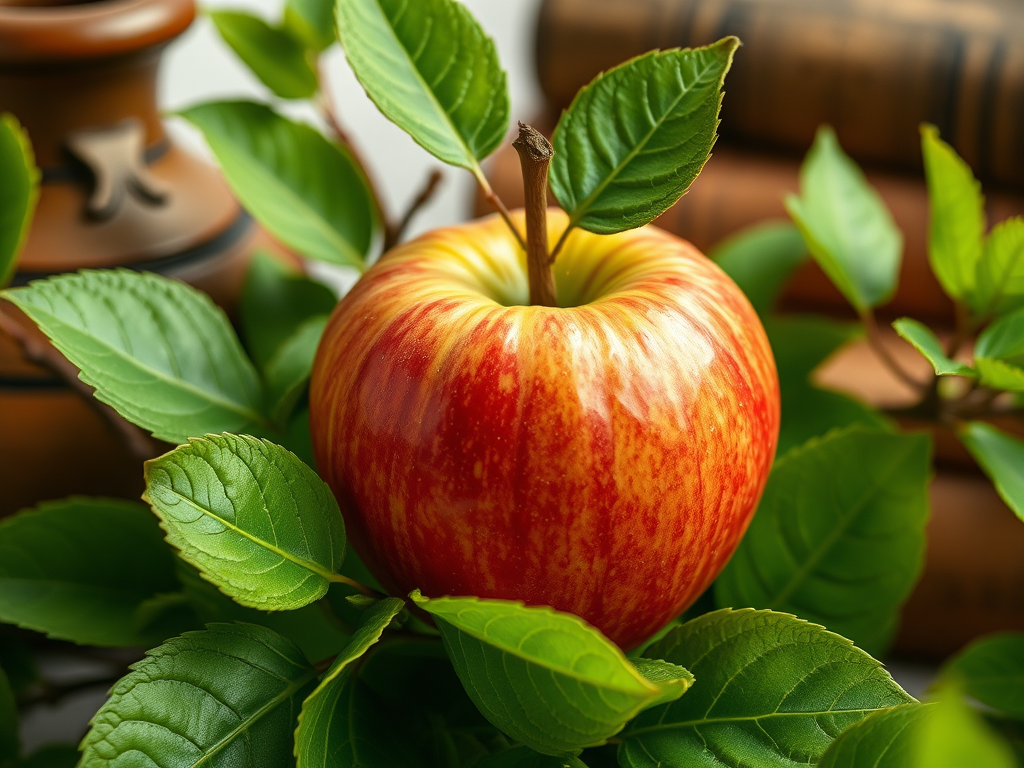
Lady Apple, or Pomme d’Api, might be small in size, but it’s mighty in legacy and health benefits. With roots tracing back to ancient Rome, this charming apple is a festive favorite that doubles as a nutritional powerhouse.
🍏 The Lady Apple — known historically as Pomme d’Api — is believed to date back to the early Roman Empire, with references suggesting it may be the same as the “Appian apple” described by Pliny the Elder in the first century CE. According to legend, it was cultivated by an Etruscan farmer named Appius in honor of Theophrastus, the Greek botanist
However, this Roman connection is debated among pomologists, as the first documented cultivation of the Lady Apple comes from 1628 in the Forest of Api in Brittany, France. So while it may have ancient roots, its formal recognition as a distinct cultivar happened much later.
🌿 Nutritional Highlights
- Fiber-Rich – Aids digestion and helps stabilize blood sugar.
- Vitamin C – Boosts immune function and supports radiant skin.
- Antioxidants (Quercetin & Flavonoids) – Fights inflammation, supports respiratory health, and protects cells.
- Pectin – A natural prebiotic promoting gut balance.
Lady Apple: Nutritional Breakdown & Health Benefits
Despite its petite size, the Lady Apple is loaded with nutrients that support digestion, immunity, heart health, and more. Here’s a deeper dive:
🔢 Macronutrients (Per 1 Cup / ~238g)
| Nutrient | Amount | % Daily Value* |
|---|---|---|
| Calories | 124 kcal | 6% |
| Carbohydrates | 33.3 g | 11% |
| Sugars | 23.8 g | — |
| Dietary Fiber | 5.7 g | 20% |
| Protein | 0.7 g | 1% |
| Total Fat | 0.5 g | 1% |
| Saturated Fat | 0.0 g | 0% |
| Cholesterol | 0 mg | 0% |
| Sodium | 2 mg | 0% |
*Based on a 2,000-calorie diet
💎 Micronutrients
| Nutrient | Amount | Key Benefits |
|---|---|---|
| Vitamin C | 9 mg | Immunity, collagen, antioxidant |
| Potassium | 255 mg | Heart rhythm, muscle function |
| Calcium | 14 mg | Bone health |
| Iron | 0.2 mg | Oxygen transport |
| Magnesium | 6 mg | Nerve and muscle support |
🧠 Functional Compounds
- Quercetin: Found in the skin, this flavonoid may reduce inflammation and support respiratory health.
- Pectin: A soluble fiber that acts as a prebiotic, feeding beneficial gut bacteria.
- Polyphenols: Help neutralize free radicals and may reduce the risk of chronic diseases.
🩺 Health Benefits at a Glance
- Digestive Health: High fiber content promotes regularity and gut balance.
- Weight Management: Low-calorie and high-fiber combo helps curb appetite.
- Blood Sugar Control: Gentle glycemic impact makes it suitable for diabetic-friendly diets.
- Heart Health: Antioxidants may lower LDL oxidation and support vascular function.
- Immune Support: Vitamin C and polyphenols help defend against infections.
🧘♀️ Holistic & Medicinal Touchpoints
The Lady Apple isn’t just a charming fruit — it’s a botanical bridge between ancient healing and modern wellness. Here’s how it shines: Lady Apples offer a gentle wellness boost:
- May soothe mild asthma symptoms (thanks to Quercetin)
- Offers digestive regularity
- Enhances natural detox through fiber-rich skin and pulp
Traditional & Cultural Uses
- Etruscan & Roman Roots: Some sources trace the Lady Apple’s lineage to the “Appian apple” cultivated by Etruscan farmers and praised by Pliny the Elder. It was valued not just for taste but for its aromatic and digestive properties.
- Victorian Aromatherapy: In 19th-century England, Lady Apples were used to freshen indoor air — a natural alternative to chemical air fresheners, thanks to their fragrant skin.
- Colonial Herbalism: In early America, Lady Apples were used in teas and decoctions to ease chest congestion and digestive discomfort. Cooked juice was sometimes applied as a soothing remedy.
🌬️ Medicinal Applications
| Use Case | Traditional Practice | Modern Insight |
|---|---|---|
| Chest Congestion Relief | Cooked juice used as a warm compress or drink | Vitamin C + antioxidants support respiratory health |
| Digestive Aid | Pectin-rich flesh used in gut-soothing teas | Prebiotic fiber promotes microbiome balance |
| Diarrhea Treatment | Tea from bark and leaves used by Aboriginals | Tannins and polyphenols may reduce inflammation |
| Wound Healing | Leaves applied topically to skin | Antioxidants may support skin regeneration |
🌈 Energetic & Symbolic Resonance
- Feminine Energy: Historically dubbed “une pomme des damoiselles et de bonne compagnie” — an apple for ladies and good company — it’s often associated with grace, hospitality, and seasonal celebration.
- Holiday Rituals: Used in wreaths and garlands, the Lady Apple carries symbolic weight in winter solstice traditions, representing abundance and renewal.
🧪 Integrative Wellness Potential
- Gut-Brain Connection: The pectin and polyphenols may support serotonin production via gut health — a subtle nod to mood regulation.
- Respiratory Support: Quercetin in the skin may help reduce histamine response, potentially easing asthma symptoms.
- Blood Sugar Balance: Low glycemic impact makes it suitable for diabetic-friendly diets, especially when paired with cinnamon or protein-rich foods.
🍽️ Cultural & Culinary Legacy of the Lady Apple
The Lady Apple’s journey from ancient orchards to modern kitchens is a rich tapestry of seasonal rituals, royal indulgence, and creative gastronomy. Here’s how it has shaped — and continues to shape — culinary and cultural traditions across centuries.
- Used in holiday wreaths, garlands, and centerpieces
- Paired with meats like lamb or pork for a sweet-savory balance
- Ideal for pickling, mini pies, chutneys, and infused waters
- Kid-friendly: perfect portion, playful color, and fun to eat
🏛️ Historical Culinary Prestige
- Royal Favorite: Beloved by French royalty, including King Louis XIII, Lady Apples were prized for their elegance and flavor. Their petite size made them ideal for refined snacking and decorative feasts.
- Colonial America: Used in festive dishes and holiday décor, Lady Apples became known as “Christmas Apples,” adorning wreaths, garlands, and even roast platters.
- Victorian England: Imported from the U.S. post-Civil War, they were used in cooking, cider-making, and as natural air fresheners due to their aromatic skin.
🍴 Culinary Applications Across Eras
| Preparation Style | Cultural Context | Flavor Role & Pairings |
|---|---|---|
| Roasted or Baked | Victorian and Colonial feasts | Paired with pork, sausage, chestnuts, or caramel |
| Chutneys & Stuffing | European and American holiday dishes | Blended with spices, nuts, and dried fruits |
| Pickled | Modern artisanal kitchens | Served with hot sauce or cheese boards |
| Raw Garnish | Historic and contemporary plating | Adds color and crunch to salads and roasts |
| Cider & Juice | Traditional fermentation practices | Used for aromatic, mildly tart beverages |
🎄 Seasonal Symbolism & Rituals
- Winter Celebrations: Lady Apples are iconic in Christmas décor — symbolizing abundance, renewal, and hospitality. Their glossy red skin and compact size made them ideal for wreaths, garlands, and even tree ornaments.
- Pomanders: Pierced with cloves and herbs, they were used as natural room fresheners and believed to ward off illness — blending fragrance with folklore.
- Table Centerpieces: Their aesthetic appeal made them a staple in historic banquet settings, often paired with nuts, pears, and evergreen sprigs.
👩🍳 Modern Culinary Renaissance
let’s celebrate the Lady Apple’s Modern Culinary Renaissance with a flavorful twist that honors its legacy while embracing contemporary tastes 🍏✨
- Farm-to-Table Revival: Chefs now use Lady Apples in gourmet dishes — from honey-Dijon pork tenderloin to apple-mint slaws.
- Kid-Friendly Snacking: Their small size makes them perfect for children’s lunchboxes or party platters.
- Flavor Profile: Sweet-tart with hints of citrus, dried fruit, and mint — ideal for pairing with herbs like rosemary or cheeses like goat and cheddar.
🍽️ Modern Culinary Renaissance of the Lady Apple
In today’s kitchens, the Lady Apple is experiencing a revival — not just as a decorative heirloom, but as a chef’s secret weapon for flavor, presentation, and seasonal storytelling.
🌟 Why It’s Making a Comeback
- Farm-to-Table Appeal: Its heirloom status and petite size make it a darling of artisanal growers and chefs.
- Visual Drama: Its glossy skin and festive coloring elevate plating aesthetics.
- Flavor Versatility: Sweet-tart with hints of citrus, mint, and dried fruit — perfect for savory and sweet dishes.
- Sustainability Symbol: Its long shelf life and minimal waste (small core, edible skin) align with eco-conscious cooking.
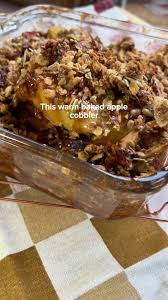
This image captures the essence of roasted Lady Apples — golden, caramelized edges, a rustic oat-herb crumble, and that glossy honey-Dijon glaze that ties it all together.
🌎 Why Lady Apple Deserves a Spot in Your Fruit Revival
In your journey of reviving traditional fruits, Lady Apple stands out as:
- A bridge between Roman history and today’s mindful eating
- A symbol of seasonal beauty and holistic health
- A versatile gem for modern recipes rooted in ancestral charm
1. Cultural Legacy & Historical Depth
- 17th-century origins in France, possibly linked to the royal orchard of King Louis XIII
- Known as “Christmas Apples”, used in wreaths and pomanders for their fragrance and longevity
- Once favored by fashion-conscious nobility for its petite size — a fruit that fit in a purse without bruising!
🧬 2. Genetic Rarity & Heirloom Status
- Not commercially mass-produced — Lady Apples are rare heirlooms grown in limited quantities
- Belong to the Api family, which includes other historic cultivars like Api Etoile and Api Panache
- Their clustered growth and ribbed shape make them visually distinct and botanically fascinating
🍽️ 3. Culinary Versatility
- Sweet-tart flavor with notes of citrus, mint, and dried fruit — ideal for both savory and sweet dishes
- Used in compotes, chutneys, pickles, pies, and roasted dishes
- Pairs beautifully with herbs (rosemary, mint), cheeses (goat, cheddar), and spices (cardamom, cinnamon)
🌱 4. Sustainability & Storage
- Long shelf life — can be stored up to four months in cool, dry conditions
- Minimal waste: small core, edible skin, and high yield per tree
- Perfect for eco-conscious consumers and seasonal storytelling
🧠 5. Educational & Storytelling Potential
- Bridges Indigenous practices (pomanders, herbal infusions) with modern culinary innovation
- Offers rich material for infographics, blog posts, and cultural narratives
- Can be paired with seasonal rituals, mindfulness practices, or historical anecdotes
🌸 And so, the Lady Apple blossoms back into the spotlight — not just as a relic of tradition but as a radiant muse for the modern table. From its storied French heritage to its eco-friendly charm and kitchen versatility, this petite powerhouse is proof that small fruits can make grand statements.
Whether nestled beside savory mains or dancing atop herbal crumbles, the Lady Apple invites us to cook, create, and celebrate with intention. It’s more than an ingredient — it’s a reminder that revival begins with curiosity, beauty, and bold flavor.
Let it be the apple that awakens your season 🌿🍏
 EJADA
EJADA 
Leave a comment