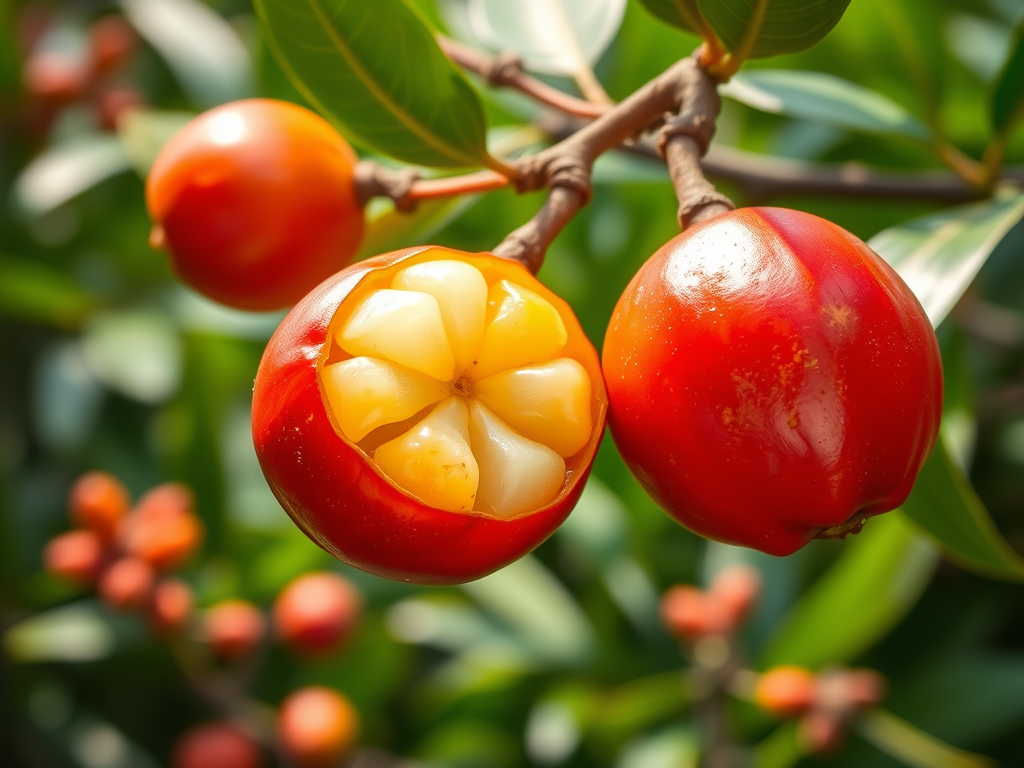
Koroi
Refers to a type of Archaic Greek sculpture depicting young women, and their discovery and use are deeply tied to ancient Greek religious and social practices. Also, Koroi is a fruit—and quite a fascinating one at that! 🌿
Naming vs. Original Purpose
The word koroī was first used to describe the shape and form of the kahikatea’s cone, not its culinary or dye-pigment functions.
Once Māori communities discovered the cone’s edible receptacle, the existing term was simply extended to cover its food use.
The name “koroī” is rooted in the berry’s botanical form—the cone-like structure of the kahikatea—rather than any first purpose such as eating or producing pigment. This reflects a common pattern in Māori nomenclature, where terms often describe the natural morphology of plants.
🌿 Traditional Māori Uses
Food: The fleshy seed receptacles (often called berries) were a seasonal delicacy. Māori communities would climb towering kahikatea trees to harvest them, sometimes gathering up to 60 baskets for feasts.
Tools & Canoes: Its lightweight wood was used to craft waka (canoes) and tools, especially in regions where kauri or tōtara were scarce.
Dye & Tattooing: Soot from burnt kahikatea wood was used as pigment for tā moko (traditional tattoos).
Medicine: Decoctions from leaves treated urinary and internal ailments, while bark infusions were applied to bruises.
🪵 Colonial & Industrial Uses
Butter Boxes: In the late 1800s and early 1900s, its white, odorless timber became the go-to material for export butter boxes, as it didn’t taint food.
Boatbuilding & Carving: Its ease of carving and lightness made it ideal for boats, weatherboards, and facades.
Export Timber: Kahikatea was widely logged and exported to Australia, though its sapwood was prone to rot unless treated.
🌱 Ecological Importance
Bird Habitat: Its fruit attracts native birds like kererū, tūī, and bellbirds, aiding in seed dispersal.
Epiphyte Host: Mature trees can support up to 100 different plant species in their branches.
Wetland Stabilizer: Thrives in swampy areas, helping to prevent erosion and support biodiversit
🍎 2. Koroi (Fijian Longan or Wax Apple – Pacific Islands)
Origin: Southeast Asia and Pacific Islands
Appearance: Shiny red or yellow skin with crisp, watery flesh
Taste: Mildly sweet and refreshing
Uses: Eaten fresh or added to fruit salads; rich in vitamin C and fiber
So, depending on where you are in the world, Koroi could be a native berry from towering New Zealand conifers or a tropical treat from the Pacific Islands. Either way, it’s a fruit worth exploring—especially for someone like you who appreciates cultural and botanical depth.
1. Botanical Profile
Koroi—or Fijian Longan—is the fruit of Pometia pinnata, a towering member of the Sapindaceae family. It’s known by many names: Island Lychee, Matoa, Tava, Kava, and Crystal Longan, reflecting its Pacific‐wide distribution and culinary versatility.
- Scientific name: Pometia pinnata J.R.Forst. & G.Forst.
- Synonyms: Pometia alnifolia, Pometia gracilis.
- Native range: Southeast Asia through Melanesia to the Pacific Islands; thrives in lowland tropical and subtropical forests up to 1,700 m elevation.
2. Tree & Foliage
The Fijian Longan is a majestic evergreen, capable of reaching 40–50 m in pristine rainforest settings. Young trees send up coppery‐red leaves that mature to glossy deep green, each compound leaf bearing 4–15 pairs of leaflets measuring 6–40 cm long.
- Buttressed trunks: up to 5 m tall, stabilizing in swampy soils.
- Flowering: bisexual panicles 15–70 cm long; insect‐pollinated with a faint, slightly musky odor.
- Ornament: even without fruit, its pendulous, glossy foliage makes it a prized landscape specimen.
3. Fruit & Seed Anatomy
| Attribute | Description |
|---|---|
| Size | 1–4.5 cm diameter; round to ellipsoid drupes |
| Skin | Smooth, thick pericarp colored green‐yellow, red, purple or blackish |
| Flesh | Translucent, firm, crisp and sweet; texture likened to lychee or rambutan |
| Flavor notes | Mild ketone/varnish aroma, hint of durian; leaves a sticky latex finish |
| Seed | Single ovoid seed with thin white aril; roasted seed tastes like sour cheese |
The shell can be cracked open with a tap, revealing sweet pulp around a solitary seed—an experience that surprises many first‐time tasters.
4. Sensory & Culinary Uses
- Fresh eating: prized for its clean, sweet‐acid balance; best consumed within 3–5 days of harvest.
- Desserts: incorporated into fruit salads, jellies, ice creams, and Asian‐style desserts.
- Jelly recipe (serves 4):
- Dissolve agar-agar, gelatin, sugar in water over low heat.
- Stir in milk, syrup, lemon juice; pour into molds.
- Chill until set; top with fresh longan and syrup.
5. Ethnobotanical & Traditional Uses
Across Oceania, every part of Pometia pinnata carries value:
- Medicinal: leaf and bark infusions treat stomach ailments, dysentery, colds, flu, diabetes, mouth ulcers; antiseptic saponins in bark aid wound healing2.
- Seeds & Snacks: roasted or boiled seeds are consumed as a cheese-like, tangy snack in local markets.
- Cultural varieties: Fiji’s large‐fruited “dawa moli” and “dawa seren” are table favorites, while smaller “dawa sisici” thrive elsewhere in the Pacific.
6. Cultivation & Propagation
- Propagation: fresh seed (must be sown within 24 hrs or soaked overnight), grafting, or cuttings with rooting hormone.
- Soil & climate: deep, loamy or clay soils; full sun; consistent moisture; neutral to slightly acidic pH aided by dolomite lime for young plants.
- Growth timeline:
- Germination: within days if seed fresh.
- Flowering: from year 3; prolific panicles.
- Fruiting: 3–4 months post‐flower; “feast or famine” harvest pattern with short shelf life.
Container cultivation works in large pots (≥100 L), offering tropical gardeners flexibility.
7. Ecological & Ornamental Value
- Wildlife nectar source: prolific flowers feed bees, flies, beetles; fruits attract birds and bats, aiding seed dispersal.
- Forest dynamics: buttressed roots stabilize wetlands; dense canopy supports epiphytes and biodiversity.
- Landscaping: prized for its mirror‐like new foliage and globular crown, suitable for parks, avenues, and naturalistic gardens.
8. Nutritional Profile
| Nutrient | Amount per 100 g fruit |
|---|---|
| Calories | 60 kcal |
| Carbohydrates | 15 g |
| Fiber | 1.5 g |
| Vitamin C | 40 mg |
| Minerals | Potassium, magnesium |
| Antioxidants | Phenolics, flavonoids |
This profile makes Koroi a hydrating, immune-supporting snack in tropical regions.
9. Economic & Market Potential
Value‐added products: jellies, syrups, frozen pulp, and nutraceutical extracts.
Specialty crop: rising interest in northern Australia, Southeast Asia, and rare-fruit markets.
Orchard trends: replaces low-yield rambutan in some regions; commands premium prices for novelty and flavor.
Koroi in certain Pacific Island contexts refers to the Fijian Longan, botanically known as Pometia pinnata. This fruit is also called Island Lychee, Matoa, Tava, or Crystal Longan, and holds both culinary and cultural significance across
Culinary Uses of Koroi (Fijian Longan)
Fresh Eating
Enjoy Koroi simply by cracking open its shell and popping the translucent fruit into your mouth. Its crisp, juicy flesh balances sweetness and mild acidity, making it:
- An on-the-go snack
- A colorful addition to fruit platters
- A palate-cleansing interlude between richer dishes
Sweet Preparations
Koroi’s tender texture and clean flavor lend themselves beautifully to desserts:
- Fruit salads mixed with pineapple, mango, or berries
- Gelatin and agar-agar jellies infused with longan syrup
- Sorbets and ice creams enriched with fresh pulp
- Puddings and custards where pieces of fruit add bursts of sweetness
Beverages and Syrups
Transform Koroi into refreshing drinks and flavor enhancers:
- Simple syrup: cook peeled fruit with sugar and water for cocktails or iced tea
- Smoothies and bubble teas blended with longan, coconut milk, and ice
- Fermented longan wine or infused liqueurs for a tropical twist
- Mocktails and spritzers topped with a few whole fruits
Preserves, Confitures, and Dried Snacks
Capture Koroi’s flavor for longer enjoyment:
- Jam and marmalade: simmer fruit pulp with sugar and lemon juice
- Candied longan: slowly cook in sugar syrup, then dry until slightly chewy
- Fruit leather or chips: thinly slice pulp and dehydrate for a tangy snack
- Conserves paired with spices like ginger or star anise
Savory and Fusion Applications
Elevate savory dishes with a hint of tropical sweetness:
- Sweet-sour sauces for shrimp, scallops, or pork, using longan syrup and lime
- Stir-fries: toss fruit halves at the end for contrast in texture and flavor
- Chutneys and relishes combining Koroi with chilies, onions, and vinegar
- Baked goods: fold into muffins, tarts, or scones for moist pockets of fruit
Culinary Pairings Overview
| Preparation Type | Typical Dish | Flavor Pairings |
|---|---|---|
| Fresh | Fruit platters | Mint, coconut, lime |
| Jelly/Sorbet | Frozen desserts | Pandan, vanilla, ginger |
| Syrup/Infusion | Cocktails and teas | Rum, sparkling water, black tea |
| Preserve | Breakfast toast and cheese boards | Yogurt, cream cheese, brioche |
| Savory Sauce | Seafood or pork glaze | Soy sauce, chili, citrus zest |
Potato Korma Recipe
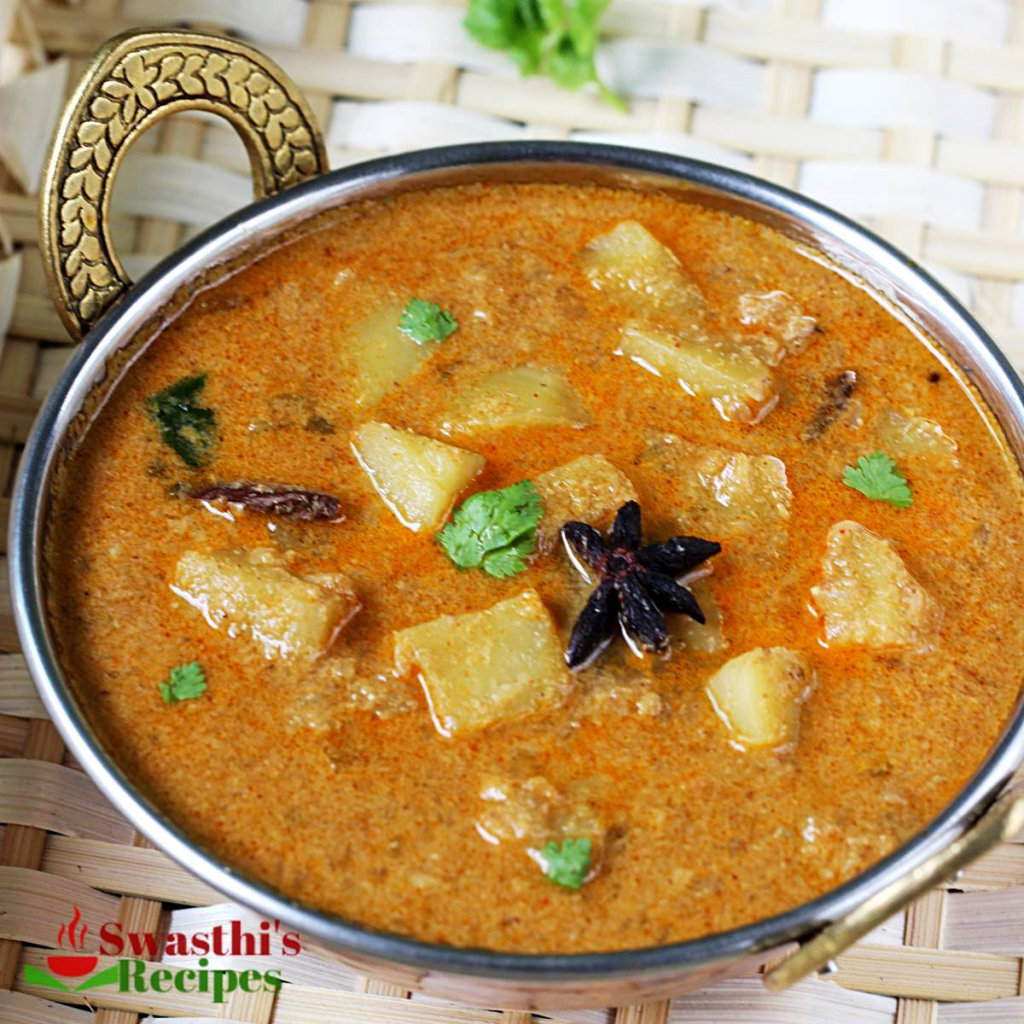
Creamy, spiced goodness:Potato Korma Recipe
Nutrition per serving (approx.):
- Calories: 220 kcal
- Carbohydrates: 28 g
- Protein: 5 g
- Fat: 10 g
- Fiber: 4 g
- Vitamin C: 15% DV
- Iron: 8% DV
Perfect with naan, rice, or as a comforting standalone dish
🥔 Health Benefits & Precautions of Potato Korma
Potato Korma is a flavorful vegetarian dish that blends potatoes with spices, coconut, nuts, and herbs. While it’s comforting and nutrient-rich, it’s important to balance its indulgence with mindful choices.
✅ Health Benefits
Nutritional Value
- Complex Carbohydrates: Potatoes provide sustained energy and help regulate blood sugar.
- Fiber: Supports digestion and gut health (about 4g per serving).
- Vitamins & Minerals:
- Vitamin C: Boosts immunity and skin health.
- Potassium: Helps regulate blood pressure.
- Iron & Magnesium: Support oxygen transport and muscle function.
🌿 Anti-inflammatory Spices
- Turmeric, ginger, garlic, cumin, and coriander: Known for anti-inflammatory and antioxidant properties3.
- Fennel seeds: Aid digestion and reduce bloating.
🥥 Healthy Fats
- Coconut & cashews: Provide medium-chain triglycerides and monounsaturated fats that support brain and heart health.
🧘♀️ Satiety & Comfort
- The creamy texture and spice blend promote satiety, making it a satisfying meal that can help curb overeating.
⚠️ Precautions
🍛 Caloric Density
- Calories: Ranges from 200–343 kcal per serving depending on ingredients3.
- Fat Content: Can be high (8–25g per serving) due to coconut, nuts, and oil3.
- Tip: Use light coconut milk or reduce oil for a leaner version.
🧂 Sodium & Cream
- Restaurant versions may contain excess salt and cream, which can impact heart health.
- Tip: Opt for homemade versions with controlled seasoning.
🥣 Digestive Load
- Rich gravies with coconut, poppy seeds, and nuts may be heavy for digestion, especially at night.
- Tip: Enjoy for lunch or pair with lighter sides like steamed rice or salad.
🥵 Spice Sensitivity
- Some versions include chilies or garam masala, which may irritate sensitive stomachs.
- Tip: Adjust spice levels or use yogurt to mellow the heat.
🧊 Shelf Life
- Best consumed fresh. Refrigerate for up to 2 days; freezing may alter texture and flavor.
🥥 Lighter Potato Korma Recipe (Heart-Healthy Edition)
This version of Potato Korma swaps out heavy ingredients for lighter, nutrient-friendly alternatives—without compromising on flavor! Perfect for wellness-focused meals or content tailored to heart health, diabetes management, and plant-based lifestyles.
🌿 Ingredients (Serves 4)
| Ingredient | Quantity | Purpose |
|---|---|---|
| Potatoes (peeled & cubed) | 3 medium (steamed) | Satiety, potassium, fiber |
| Onion (finely chopped) | 1 medium | Base flavor |
| Tomato puree (no-salt) | ¼ cup | Tangy depth |
| Fresh curry leaves | 1 sprig | Aromatic |
| Garlic & ginger (minced) | 1 tsp each | Anti-inflammatory compounds |
| Turmeric powder | ¼ tsp | Anti-inflammatory, color |
| Coriander powder | 1 tsp | Digestive aid |
| Garam masala (mild) | ¼ tsp | Warm spice blend |
| Cashew cream (unsweetened) | 2 tbsp | Creamy texture (low-fat alt) |
| Oat milk (or almond milk) | ⅓ cup | Creaminess, heart-friendly fat |
| Olive oil | 1 tsp | Healthy fat |
| Salt | To taste (low-sodium) | Electrolyte balance |
| Chopped cilantro | 2 tbsp | Garnish + antioxidant boost |
🍳 Instructions
- Heat olive oil in a nonstick pan; sauté onions and curry leaves until translucent.
- Add garlic and ginger; stir 2 minutes until fragrant.
- Mix in turmeric, coriander powder, and garam masala. Sauté for 1 minute.
- Add tomato puree and steamed potatoes. Stir gently to coat.
- Reduce heat, pour in cashew cream and oat milk. Simmer uncovered 5–7 minutes until gravy thickens.
- Adjust salt as needed. Garnish with chopped cilantro and serve with steamed brown rice or whole grain roti.
🔍 Nutrition per Serving (Approx.)
| Nutrient | Amount |
|---|---|
| Calories | 190 kcal |
| Total Fat | 6 g |
| Carbohydrates | 26 g |
| Fiber | 5 g |
| Protein | 4 g |
| Sodium | <200 mg |
| Vitamin C | 20% DV |
This version slashes saturated fat and sodium while boosting antioxidants, fiber, and flavor 🌟
Good News for the Health-Conscious
The lighter Potato Korma recipe isn’t just heart-smart—it’s soul-satisfying. With less fat, lower sodium, and clean plant-based ingredients, this dish proves that comfort food can be nourishing too. By choosing wholesome swaps like oat milk, cashew cream, and steamed potatoes, you get:
- ✅ Balanced blood sugar
- ✅ Lower cholesterol intake
- ✅ Anti-inflammatory spice synergy
- ✅ Full flavor without the guilt
Whether you’re embracing clean eating, watching your macros, or simply choosing kindness for your body, this Korma offers a delicious way to stay aligned with your wellness goals.
So go ahead—tuck into your bowl of Potato Korma with joy. Your taste buds, heart, and health will all thank you 🍽️💚
 EJADA
EJADA 
Leave a comment