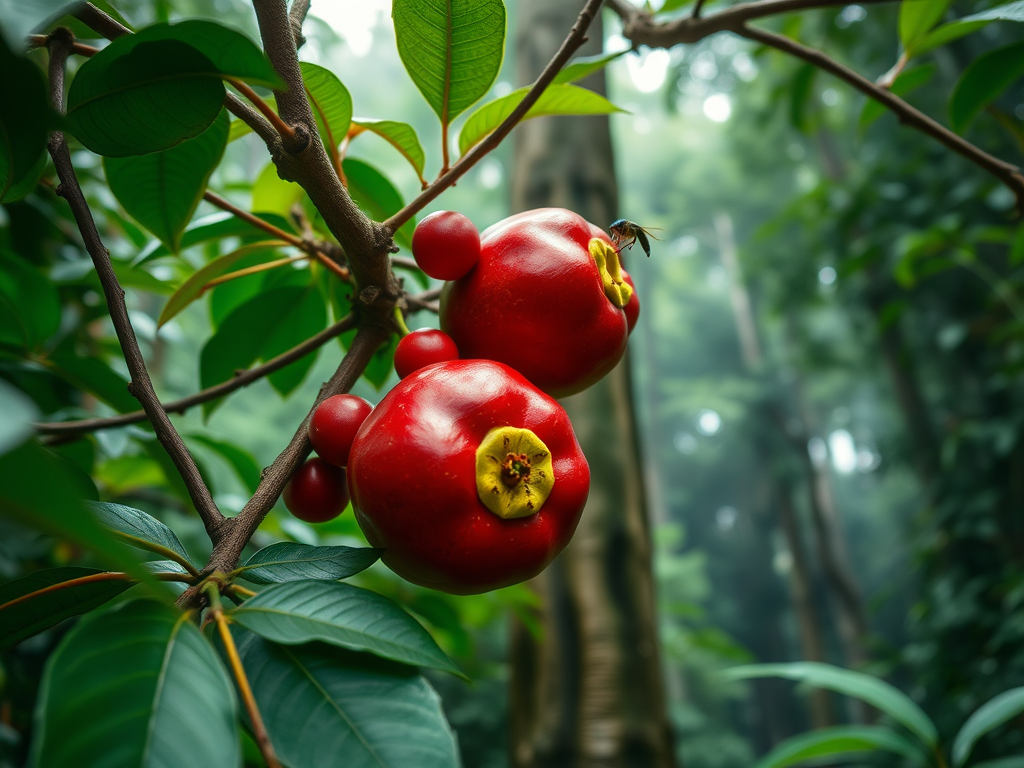
Kundong (sometimes spelled kundung or kundang) is a truly fascinating Southeast Asian gem.
🌿 Native Region of Kundong (Garcinia parvifolia)
Native Region:
Found mainly in Malaysia, Indonesia, and parts of the Philippines, often in tropical forests.
📍 Geographic Distribution
- Primary Habitat: Found in the lush rainforests of Borneo, including Brunei, Sarawak, and Sabah.
- Wider Presence: Grows in Peninsular Malaysia, Sumatra, and Sulawesi, often in humid tropical zones with rich biodiversity.
🏞️ Ecosystem & Elevation
- Elevation Range: Thrives between 600–800 meters (2,000–2,600 ft), typically along hillsides, ridges, and riverbanks.
- Forest Type: Flourishes in mixed dipterocarp forests, including lightly disturbed and swamp forests—highlighting its ecological resilience.
- Sub-canopy Tree: Despite the small cherry-like fruit, Kundong trees tower up to 33 meters, making them vital parts of the forest structure.
🌱 Ecological Role
- Wild Harvesting Tradition: Most Kundong trees are still wild-grown, symbolizing a strong tie to Indigenous and sustainable foraging practices.
- Pollinator-Friendly: Its vibrant flowers attract local pollinators, supporting broader forest regeneration.
- Mangosteen Ally: Sometimes used as a rootstock for mangosteen cultivation, showcasing its value to agroforestry systems.
🌍 Cultural Geography
- Locals often refer to it by various names:
- “Brunei Cherry” or “Red Mangosteen” in English
- “Asam aur aur” in Malay
- Known as “Entelang,” “Kundong,” or “Kandis” in Indigenous dialects
🟢 Forest-to-Table Spotlight: The Kundong Fruit’s Rainforest Roots
Deep within the mist-laced rainforests of Borneo, the Kundong fruit (Garcinia parvifolia) grows wild—crimson and cherry-like, nestled among towering trees of ancient dipterocarp forests. Found in Brunei, Sarawak, and Sabah, this vibrant fruit thrives in humid ecosystems, from riverbanks to forest ridges, echoing the pulse of biodiversity.
What makes Kundong more than just a pretty fruit? It’s a symbol of ecological resilience and Indigenous stewardship. Traditionally harvested from the wild rather than cultivated, Kundong has been revered for generations in local communities, known as:
- “Entelang” or “Kandis” in native tongues
- “Brunei Cherry” and “Red Mangosteen” in English
- “Asam aur aur” in Malay
Its towering tree—sometimes reaching up to 33 meters—supports pollinators and shares its lineage with the famed mangosteen, often used as a rootstock in agroforestry practices.
From its native hills to your health-conscious table, Kundong carries the story of a fruit that links rainforest heritage with modern natural living. In promoting sustainable wild foraging, this fruit invites us to reconnect with our environment and cherish the flavors of nature’s untouched pantry.
🌺 🍒 Kundong’s Journey: Traditional Wisdom Meets Contemporary Curiosity
Traditional uses of Kundong (Garcinia parvifolia) through the lens of Indigenous knowledge, practical utility, and culinary heritage. Historically used by Indigenous healers and rural communities to treat fevers, digestive issues, and act as a blood purifier.
In its native Bornean habitat, Kundong wasn’t just a fruit—it was a daily companion and multifunctional resource. Traditionally, its sour flesh enlivened forest stews and was often paired with fatty meats to cut richness. Locals would boil its young leaves and shoots as nourishing vegetables, while its hardwood supported carving crafts and the resin from its bark found uses in salves and sealing wax. Even more impressively, Indigenous farmers recognized its strength as a tree—grafting it with mangosteen in age-old agroforestry practices that required no manuals.
Fast-forward to today: Kundong is being rediscovered under new labels—“Brunei cherry,” “red mangosteen,” even “wild Garcinia.” Its health benefits—rich in antioxidants like hydroxycitric acid—are attracting attention for metabolism, digestion, and anti-inflammatory potential. Fusion chefs experiment with its tangy punch, adding it to smoothies, sauces, and fermented wellness shots. Meanwhile, botanists and conservationists are eyeing it as a climate-resilient species and potential player in sustainable rewilding initiatives.
Yet despite its modern glow-up, Kundong’s roots remain deep in the forest soil—woven into ritual, tradition, and relationship with the land. The revival isn’t just scientific; it’s ancestral memory reawakened.
The intangible wisdom, seasonal rituals, and animistic worldview
- Spiritual Context: In some oral traditions, Kundong trees were believed to offer shade with spiritual significance—used during seasonal ceremonies and healing rituals.
🌺 Spiritual Context: Kundong as a Forest Messenger
🧪 Medicinal Insights
- Antioxidant-rich: Contains flavonoids that help combat oxidative stress.
- Digestive aid: The sour pulp has been used in folk medicine for relieving bloating and aiding gut health.
- Cooling agent: Often boiled into teas or pastes to help cool the body in hot climates—perfect for tropical detox narratives.
🍲 Culinary Application
- Flavor profile: Sharp and sour—similar to tamarind or unripe mango.
- Usage:
- Added to pickles, sambals, and relishes.
- Blended into herbal teas or fermented tonics.
- Sometimes paired with spices or coconut cream to balance its tanginess.
🍒 Hidden Gems of Kundong Fruit
🌱 Botanical Curiosities
- Dual Identity: Kundong is sometimes confused with Citrus macroptera due to overlapping local names, but it’s actually a member of the Garcinia genus—making it a cousin of mangosteen.
- Sub-canopy Giant: Despite its cherry-sized fruit, the tree can grow up to 33 meters tall, thriving in humid tropical forests.
- Latex Secrets: Its shoots exude a yellow-white latex, a trait shared with other medicinal trees, hinting at potential phytochemical richness.
🍊 Fruit Features
- Color Spectrum: The fruit ranges from yellow to orange to red, with a white aril surrounding the seeds—visually striking and nutrient-dense.
- Flavor Fusion: Its tartness resembles a cross between grapefruit and mangosteen, making it ideal for souring curries or crafting fermented tonics.
🧬 Nutritional & Medicinal Highlights
- Bioactive Compounds: Contains limonene, naringenin, and hydroxycitric acid, which are known for anti-inflammatory and antioxidant effects.
- Heart & Circulation: Rich in potassium and magnesium, supporting blood pressure regulation and cardiovascular health.
- Weight Management: High in dietary fiber, which promotes satiety and aids digestion—great for natural wellness narratives.
🪵 Cultural & Ecological Notes
- Multipurpose Tree: Locals use its wood for carving, bark for resin, and young leaves as vegetables—a true forest ally.
- Mangosteen Ally: It’s sometimes used as a rootstock for mangosteen, showcasing its agricultural versatility.
- Wild Harvest Tradition: Though demand is rising, most Kundong fruits are still wild-harvested from tropical rainforests, preserving biodiversity.
Lesser-known and fascinating facts about Kundong fruit (Garcinia parvifolia)
🍒 Hidden Gems of Kundong Fruit
🌱 Botanical Curiosities
- Dual Identity: Kundong is sometimes confused with Citrus macroptera due to overlapping local names, but it’s actually a member of the Garcinia genus—making it a cousin of mangosteen.
- Sub-canopy Giant: Despite its cherry-sized fruit, the tree can grow up to 33 meters tall, thriving in humid tropical forests.
- Latex Secrets: Its shoots exude a yellow-white latex, a trait shared with other medicinal trees, hinting at potential phytochemical richness.
🍊 Fruit Features
- Color Spectrum: The fruit ranges from yellow to orange to red, with a white aril surrounding the seeds—visually striking and nutrient-dense.
- Flavor Fusion: Its tartness resembles a cross between grapefruit and mangosteen, making it ideal for souring curries or crafting fermented tonics.
🧬 Nutritional & Medicinal Highlights
“Each bite is a blessing—dense with nourishment, layered with intention.”
💎 Bioactive Compounds: The Molecular Wisdom of Kundong
“Within every sour burst is a coded message—healing, restoring, transforming.”
🌿 Key Compounds and Their Synergistic Effects
| Compound | Source (within Kundong) | Medicinal Actions | Cultural Relevance |
|---|---|---|---|
| Hydroxycitric Acid (HCA) | Rind & pulp | – Suppresses appetite<br>- Regulates fat metabolism<br>- Supports weight management | Believed to purify the body before sacred fasts |
| Limonene | Peel oils & skin | – Antioxidant & anti-inflammatory<br>- Antimicrobial properties<br>- Potential anti-cancer effects | Traditionally used in herbal infusions for stomach ailments |
| Naringenin | Skin & pulp | – Cellular repair<br>- Blood sugar moderation<br>- Liver support | Symbolic of bodily “rebalance” rituals during solstice season |
| Tannins | Seeds & inner skin | – Gut microbiome modulation<br>- Astringent cleansing<br>- Anti-diarrheal effects | Embedded in rain-forest healing lore for digestive protection |
| Flavonoids (quercetin, kaempferol) | Entire fruit matrix | – Immune system activation<br>- Cardiovascular health<br>- Anti-allergy support | Often invoked in ceremonial tonics and healing stews |
🧬 Therapeutic Potential Beyond the Lab
- Synergy Matters: These compounds don’t act in isolation—when consumed whole, Kundong’s sourness, bitterness, and sweetness harmonize therapeutic pathways.
- Preventive Medicine: The blend helps shield the body from oxidative stress, metabolic imbalance, and microbial overgrowth—a trifecta of chronic issues.
- Energetic Cleansing: Indigenous frameworks view sour fruits like Kundong as catalysts of energetic release, especially post-transition or grief rituals.
Kundong as both a ritual fruit and a biochemical ally 🧪🌺
- Heart & Circulation: Rich in potassium and magnesium, supporting blood pressure regulation and cardiovascular health.
Heart & Circulation: Kundong’s Vascular Vitality
“The fruit not only nourishes—it fortifies the rivers within us.”
🧬 Elemental Support
Kundong is a potent source of potassium and magnesium, minerals foundational to circulatory and heart function:
- Potassium
- Regulates electrical signaling across heart muscle
- Helps maintain optimal fluid balance, reducing strain on blood vessels
- Counteracts sodium to reduce hypertension risk
- Magnesium
- Relaxes blood vessel walls, supporting smoother blood flow
- Aids in lipid metabolism, lowering bad cholesterol (LDL)
- Reduces inflammation linked to arterial stiffness
🌿 Cardiovascular Benefits
Together, these minerals work synergistically with Kundong’s flavonoids and antioxidants, offering:
- Improved Vessel Elasticity → Reduces risk of stroke and blood clots
- Lowered Blood Pressure → Particularly effective in stress-prone or sedentary individuals
- Enhanced Heart Rhythm Stability → Vital for those managing arrhythmia or palpitations
- Anti-inflammatory Circulatory Boost → Eases fatigue, brain fog, and heaviness in the limbs
🌱 Traditional Insights
In Indigenous practice, Kundong was often consumed after physically intensive rituals or during seasonal transitions to “reclaim flow.” The fruit’s tart and mineral-rich profile was believed to “calm the heart and stir the breath,” supporting emotional and energetic recovery.
Weight Management: High in dietary fiber, which promotes satiety and aids digestion—great for natural wellness narratives.
Weight Management: Kundong’s Quiet Ally in Balance
🌿 Satiety & Digestive Harmony
Kundong is naturally high in dietary fiber, making it a fruit that does more than satisfy cravings—it recalibrates the relationship between nourishment and rhythm.
- Promotes Satiety
- Slows digestion, allowing for longer-lasting fullness
- Reduces sudden hunger spikes that derail mindful eating
- Encourages portion control through metabolic pacing
- Supports Digestive Flow
- Stimulates peristalsis (the natural wave-like motion of the digestive tract)
- Prevents constipation and bloating—ideal for gut balance
- Enhances nutrient absorption efficiency
🧬 Gut-Brain Connection
Kundong’s fiber also plays a vital role in the microbiome, supporting good bacteria that influence not just digestion—but mood and cravings.
- Fewer sugar crashes = More mindful choices
- Improved gut health = Balanced serotonin and dopamine production
- Less inflammation = Easier hormonal regulation
🌱 Cultural Insight: Food as Fasting
Traditionally, Kundong was consumed during periods of physical, emotional, or spiritual cleansing. Its sourness paired with fiber made it a “gentle fast” fruit—allowing internal purification while still offering sustenance.
🍽️ Modern Uses
Ideal for inclusion in:
- Morning tonics or fiber-rich smoothies
- Small fasting meals for intermittent fasting followers
- Post-detox recovery diets
🪵 Cultural & Ecological Notes
- Multipurpose Tree: Locals use its wood for carving, bark for resin, and young leaves as vegetables—a true forest ally.
- Mangosteen Ally: It’s sometimes used as a rootstock for mangosteen, showcasing its agricultural versatility.
- Wild Harvest Tradition: Though demand is rising, most Kundong fruits are still wild-harvested from tropical rainforests, preserving biodiversity.
“Before we harvest, we listen.”
Step into the forest with intention. Let the rustle of leaves and the sharp sweetness of the air prepare your senses.
Find the Kundong tree. Towering, rooted, silent—but watchful.
Place your hand gently on the bark. Close your eyes. Let the hum of the forest speak—not in words, but in rhythm.
Inhale the tart clarity. Exhale what no longer serves. Ask what the fruit is here to cleanse. Ask what the season wants you to release.
When you feel ready, pick the fruit—not with haste, but with humility. This is not consumption; this is communion.
Each bite is an offering. Each flavor carries history. Each sour note is an invitation to clarity.
🍵 Balance Tonic with Kundong & Coconut Fiber Blend
“Silence made edible. Clarity made drinkable.”
🌿 Ingredients
- 1 cup Kundong pulp (fresh or thawed from frozen)
- 2 tbsp coconut fiber flour or fresh coconut meat finely blended
- 1 tsp lime zest (optional for extra tart brightness)
- 1 tbsp raw honey or agave nectar
- 1 ½ cups spring water
- Pinch of Himalayan salt (for mineral balance)
- 4 mint leaves (for cooling digestive flow)
🌀 Instructions
- Blend Kundong pulp with spring water until smooth
- Add coconut fiber, lime zest, salt, and mint
- Pulse in sweetener—adjust to taste
- Strain if desired for a lighter texture
- Serve chilled, garnished with mint or Kundong rind twist
🌺 Wellness Benefits
| Benefit | Source | Function |
|---|---|---|
| Satiety & Digestion | Coconut fiber | Slows sugar absorption, promotes gut flora |
| Circulation & Clarity | Kundong pulp | Magnesium + antioxidants reduce inflammation |
| Mood & Calm | Mint + honey | Soothes nervous system and regulates energy |
🌺 Cultural Significance of the Kundong Tea Ritual
Ancestral Connection
The ritual honors ancestral memory and forest stewardship. Kundong, known for its tart clarity and vibrant hue, is often brewed during seasonal transitions—times when communities seek renewal, guidance, or healing. The act of preparing and sharing Kundong tea becomes a way to invoke ancestral presence, especially in rituals tied to harvest, monsoon shifts, or rites of passage.
”“To sip Kundong is to listen to the forest’s breath.”
🌿 Ecological Reverence
The ritual reflects a deep respect for biodiversity. Kundong is wild-harvested, and its preparation is slow and intentional—mirroring the rhythm of the rainforest. The tea ceremony often begins with a moment of silence, acknowledging the tree’s gift and the interconnectedness of all living things.
🔥 Symbolism of Sourness
In Indigenous cosmology, sour fruits like Kundong are believed to cut through stagnation, both physically and spiritually. The tea’s tartness is seen as a cleansing force, used in rituals to clear emotional heaviness, digestive imbalance, or energetic blockages.
🧘 Mindfulness & Reciprocity
The ritual embodies reciprocity—you don’t just take from the forest, you offer gratitude. Pouring Kundong tea is done with care, often accompanied by chants or quiet reflection. It’s a moment to slow down, reconnect, and honor the balance between nourishment and humility.
“In ritual seasons, the body asks for quiet foods. Kundong is silence made edible.
🧘 Ritual Tip
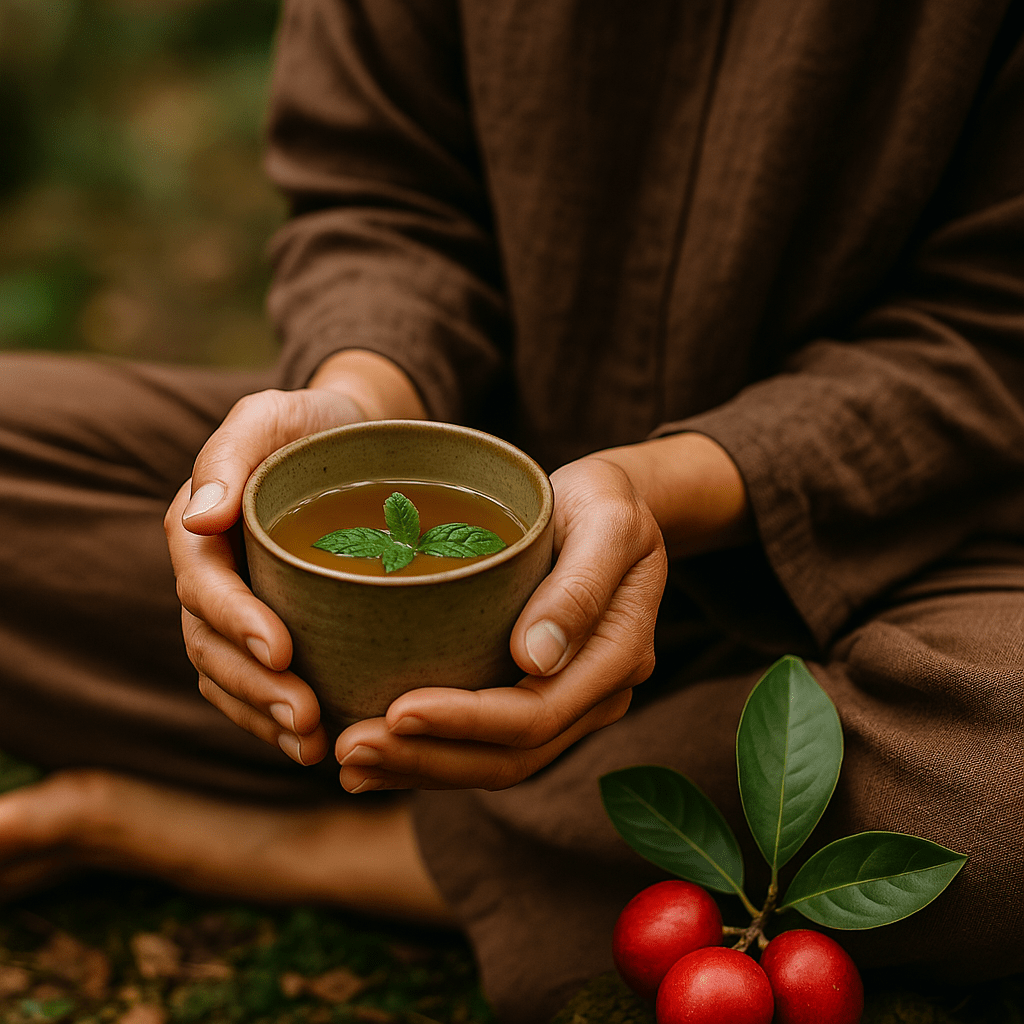
Sip slowly during early morning stillness or post-fast. Honor the balance between nourishment and non-attachment.
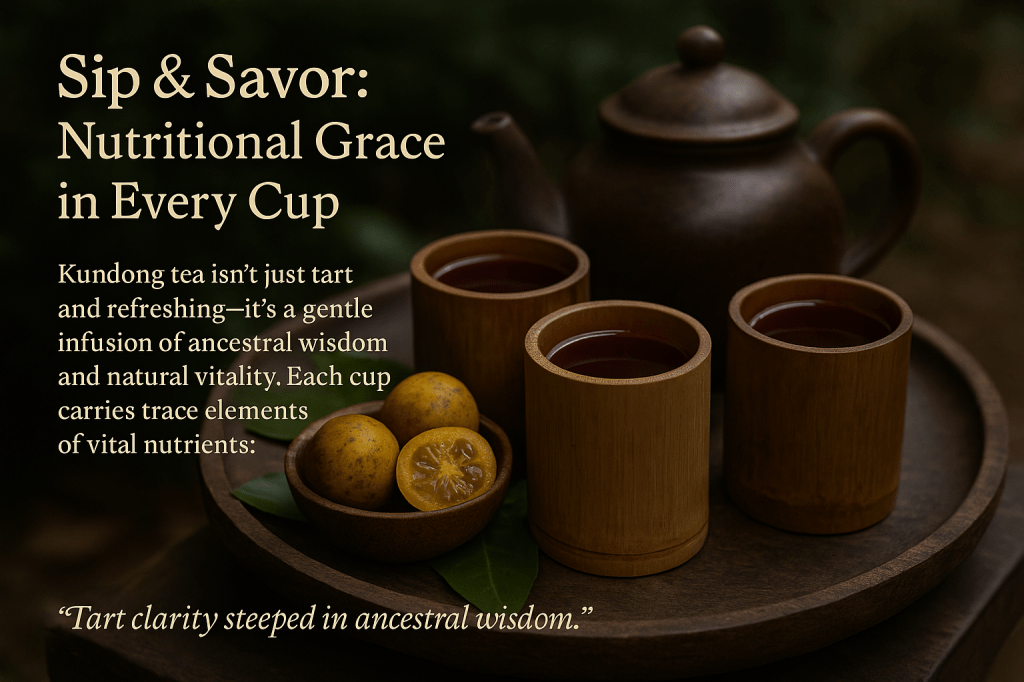
Kundong fruit is a nutrient-rich powerhouse that makes sipping its tea both a cultural and nutritional delight 🍵✨“Tart clarity steeped in ancestral wisdom.”
Sip & Savor: Nutritional Grace in Every Cup
Kundong tea isn’t just tart and refreshing—it’s a gentle infusion of ancestral wisdom and natural vitality. Each cup carries trace elements of vital nutrients:
✨ Vitamin Harmony
- Vitamin C – To bolster immunity and awaken cellular renewal
- Vitamin A – For radiant eyes and resilient skin
- Vitamin E – Guarding against oxidative stress and premature aging
- Vitamin B1 – Energizing body and mind through metabolic flow
- Folate – Supporting growth, repair, and reproductive wellness
💧 Mineral Whispers
- Potassium & Magnesium – Whispering heart balance and calming rhythms
- Iron – Infusing vitality into every red blood cell
- Dietary Fiber – Rooting digestion in strength and serenity
🔬 Bioactive Guardians: Kundong’s Healing Sentinels
“Bioactive Guardians of the Forest”
Compounds like limonene, naringenin, and hydroxycitric acid offer anti-inflammatory and antioxidant benefits—perfect for tea rituals that cleanse body and spirit.
🧬 Key Bioactive Compounds & Benefits
| Compound | Natural Role | Health Benefit |
|---|---|---|
| Hydroxycitric Acid | Found in Kundong pulp | Appetite control, supports weight management |
| Limonene | Found in rind/oils | Anti-inflammatory, immune support |
| Naringenin | Present in citrus-like variants | Antioxidant, improves metabolism |
| Vitamin C | In high concentrations | Immune boosting, skin rejuvenation |
| Magnesium & Potassium | Found in flesh and seeds | Heart health, blood pressure support |
These compounds act like guardians — neutralizing inflammation, nurturing gut flora, and boosting energy circulation.
“Tart fruit, fierce protectors — Kundong’s bioactive guardians strengthen digestion, heart, and spirit.”
“Within every berry lies ancient chemistry, whispering wellness through forest-born molecules.”
🍃 Bonus Nutrients
Alongside its vitamin profile, Kundong also contains:
- Potassium & Magnesium – Essential for heart health and blood pressure regulation
- Dietary Fiber – Supports digestion and satiety
- Antioxidants – Including limonene, naringenin, and hydroxycitric acid, which may help reduce inflammation and protect against disease
🍵⚠️
Kundong tea is generally safe and nourishing, there are a few groups who may want to approach it with caution, especially if consumed regularly or in concentrated form
1. Pregnant or Breastfeeding Individuals
- Sour fruits like Kundong may stimulate digestion and uterine activity.
- Its bioactive compounds (like hydroxycitric acid) haven’t been extensively studied for pregnancy safety.
- Best to consult a healthcare provider before regular use.
2. People with Iron Deficiency or Anemia
- Kundong contains tannins, which can inhibit iron absorption.
- If consumed with meals, it may reduce iron uptake—especially from plant-based sources.
3. Individuals on Blood Pressure or Diabetes Medications
- Kundong’s potassium and magnesium may enhance blood pressure-lowering effects, potentially leading to hypotension.
- Its metabolic compounds could interact with glucose-regulating medications.
4. Those Prone to Kidney Stones
- Like many sour fruits, Kundong may contain oxalates, which can contribute to stone formation in sensitive individuals.
- Moderation is key, especially if you’ve had calcium oxalate stones.
5. People with Sensitive Digestion or Acid Reflux
- The tartness and acidity of Kundong tea may trigger reflux or stomach discomfort in some.
- Consider pairing with soothing herbs like mint or ginger if sensitivity is an issue.
Kundong (also known as Kedondong or ambarella) is a tropical gem with a tart, pineapple-like flavor that lends itself beautifully to both sweet and savory creations. Here are some standout recipes that celebrate its versatility 🍍🌿
🍽️ Kundong Fruit Recipe Inspirations
Discover the tart brilliance of Kundong (Ambarella/Garcinia parvifolia)—a tropical fruit rooted in Southeast Asian traditions and rich with culinary and medicinal heritage.
🍲 Culinary Celebrations of Kundong
🥒 1. Kundong Pickles (Jeruk Kedondong)
A Malaysian classic balancing sweet, sour, and spicy. Ingredients: Unripe Kundong, vinegar, sugar, salt, chili flakes
Method: Thinly slice and marinate for 24–48 hours.
Perfect for snacking or adding zing to grilled dishes.
🧃 2. Kundong Juice with Ginger & Sour Plum
Popular in Jamaica and Southeast Asia. Ingredients: Ripe Kundong, ginger, sugar, water, sour plum (optional) Method: Blend, strain, sweeten, and chill.
A refreshing digestive with a tangy kick.
🍗 3. Roast Chicken with Pickled Kundong
East-meets-West pairing to elevate Sunday dinners. Ingredients: Chicken, herbs, garlic, pickled Kundong slices Method: Roast seasoned chicken and garnish with pickles.
Adds acidity and brightness to rich meats.
🍞 4. Kundong Fruit Butter
Tropical twist for toast or baked goods. Ingredients: Ripe Kundong, sugar, cinnamon, lemon juice Method: Simmer, mash, reduce, and jar.
Pairs beautifully with yogurt or warm pastries.
🍛 5. Kundong Coconut Curry
A tribute to Sri Lankan and South Indian comfort foods. Ingredients: Unripe Kundong, coconut milk, turmeric, garlic, cumin Method: Sauté spices, add sliced Kundong, simmer until tender.
Tartness of Kundong balances the richness of coconut.
🌺 Cultural & Medicinal Notes
- Kundong is revered across Southeast Asia for its digestive benefits and antioxidant content.
- Traditionally used to ease bloating, stimulate appetite, and support hydration in humid climates.
- Rich in vitamin C, hydroxycitric acid, and fiber, aiding metabolism and immune strength.
Fruit Revival Spotlight: Kundong, capturing its botanical identity, cultural heritage, nutritional profile, medicinal relevance, and sustainability context.
⚠️ Wellness Disclaimer
This spotlight is intended for cultural storytelling and educational use. While historical and emerging scientific research highlights potential benefits of Kundong (Garcinia parvifolia), EJADA encourages all readers to consult licensed healthcare professionals before considering its use in any health or dietary routine.
- This article does not diagnose, treat, or substitute professional medical advice.
- Specific caution is advised for individuals who are pregnant, breastfeeding, managing health conditions, or taking medication.
- Cultural references are included to honor Indigenous wisdom, not to claim universal efficacy.
EJADA stands for revival with reverence, where science meets story to inspire wellness and sustainability 🌿📘
I always enjoy sharing information and hope you’ll stick with me on our Alphabet Journey of healthy fruits. The final fruit under the letter “K” is the vibrant and little-known Kutjere—a fitting finale to a letter packed with nutrition and cultural depth. Stay tuned, because this journey isn’t just for you; it’s for me too. Through exploring these fruits, I’m learning how to better support myself and my family members—one discovery at a time. 🍃✨
Kundong fruit—also known as Garcinia parvifolia or Brunei cherry—is native to Southeast Asia and rarely cultivated outside its tropical habitat. In the U.S., it’s not widely available in mainstream markets, but there are a few niche avenues where you might catch it:
🍒 Seed Suppliers: Specialty vendors like Trade Winds Fruit occasionally offer Kundong seeds for home cultivation. However, they’re seasonal and often out of stock.
🌱 Growing Your Own: If you’re in a frost-free zone or have access to a greenhouse, you could try growing it yourself. The tree is fast-growing and can bear fruit in as little as four years, though germination may take six months3.
🛒 Limited Specialty Imports: Some tropical fruit enthusiasts and rare fruit clubs may import Kundong fruit or seedlings, but availability is sporadic and usually limited to online forums or private exchanges.
 EJADA
EJADA 
Leave a comment