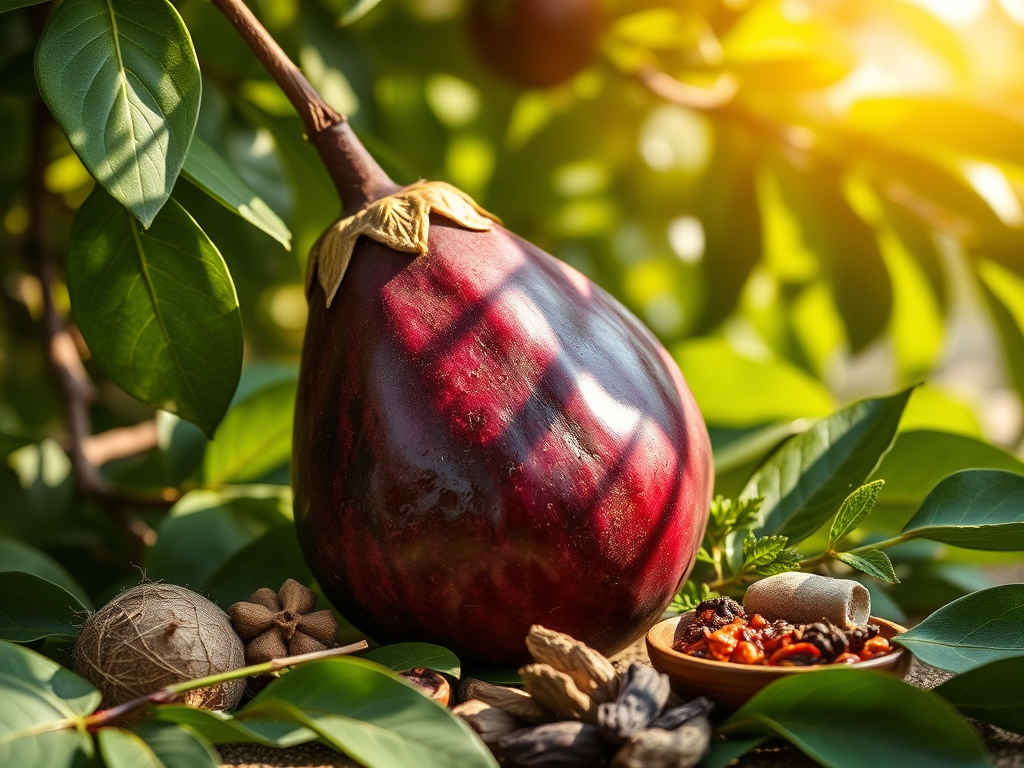
🌿 Kokum: The Healing Jewel of the Western Ghats
Kokum’s cultivation history is deeply rooted in the Indigenous traditions of India’s Western Ghats, but pinpointing an exact date is tricky—it was never formally “introduced” like some commercial crops. Instead, kokum has been wild-harvested and semi-cultivated for centuries, especially in regions like Goa, Maharashtra, Karnataka, and Kerala, where it grew naturally in tropical forests.
🌿 Ancient Use Before Formal Cultivation
- Traditional communities in the Konkan region have used kokum for generations, often growing it near homes or letting it thrive in forest edges.
- Its use in Ayurvedic medicine and culinary rituals suggests it was domesticated informally long ago—likely hundreds of years before modern agricultural records began.
📜 Documented Cultivation Emerged in the 20th Century
- Scientific interest and organized cultivation began to take shape in the mid-1900s, with research stations in Maharashtra and Goa documenting its potential.
- The first national seminar on kokum was held in 2001, marking a turning point in its recognition as a crop with commercial and medicinal value.
🌱 From Wild to Cultivated
- Kokum was traditionally grown from seeds, often propagated naturally under parent trees.
- Today, elite varieties like Konkan Amruta and Konkan Hatis are cultivated for higher yield and better fruit quality.
So while kokum’s cultivation may not have a precise “start date,” its journey from forest fruit to healing staple is a testament to ancestral stewardship and modern rediscovery.In the lush coastal belt of India, nestled among the forests of the Western Ghats, grows a fruit revered for centuries—kokum (Garcinia indica). More than just a tangy culinary delight, kokum is a medicinal powerhouse steeped in Ayurvedic tradition and modern scientific intrigue.
🧪 Nature’s Pharmacy in a Purple Rind
Kokum’s healing properties stem from its rich profile of bioactive compounds:
- Garcinol: A potent antioxidant and anti-inflammatory agent that combats oxidative stress and supports brain and heart health.
- Hydroxycitric acid (HCA): Known to suppress appetite, inhibit fat production, and aid in weight management.
- Anthocyanins: These vibrant pigments offer anti-aging, cardioprotective, and neuroprotective benefits.
🌿 Vitamin Content of Kokum (per 100g of fruit)
| Vitamin | Function |
|---|---|
| Vitamin C | Antioxidant; boosts immunity, supports collagen synthesis, and skin health |
| Vitamin A | Essential for vision, immune function, and cellular growth |
| Vitamin B3 | Also known as niacin; aids metabolism and supports nervous system function |
| Folic Acid | Crucial for DNA synthesis and cell division; especially important in pregnancy |
Kokum also contains ascorbic acid (a form of vitamin C) and anthocyanins, which contribute to its deep purple hue and antioxidant strength.
These compounds make kokum especially valuable in your narratives around healing, resilience, and seasonal renewal.
🩺 Multisystem Wellness Support
Kokum’s therapeutic reach spans multiple systems:
| Health Area | Benefits |
|---|---|
| Digestive System | Soothes acidity, improves digestion, relieves bloating and constipation |
| Cardiovascular | Regulates cholesterol, supports blood pressure, reduces inflammation |
| Skin & Hair | Kokum butter heals dry skin, cracked heels, eczema, and promotes hair growth |
| Mental Wellness | Calms anxiety, boosts serotonin, supports neurological health |
| Immune System | Rich in vitamin C and bioflavonoids that strengthen immunity |
🌿 Ayurvedic Wisdom Meets Modern Science
In Ayurveda, kokum is prized for its Pitta-balancing properties—cooling the body, calming inflammation, and restoring equilibrium. It’s traditionally used to treat:
- Menstrual discomfort
- Ear infections
- Intestinal parasites
- Heatstroke and skin rashes
Modern research echoes these uses, with studies highlighting kokum’s anti-cancer, anti-diabetic, and hepatoprotective potential.
🍹 Culinary Elegance with Healing Intent
From kokum sherbet to solkadhi, this fruit infuses meals with flavor and function. Its sour tang replaces tamarind in curries, while its juice cools and detoxifies after heavy meals.
“Kokum isn’t just consumed—it’s celebrated. A symbol of hospitality, healing, and heritage.”
✨ Why Kokum Belongs in Your Wellness Routine
Whether you’re sipping kokum-infused water post-meal or applying kokum butter to soothe your skin, this fruit offers a holistic path to health. It’s affordable, accessible, and deeply rooted in ancestral wisdom. Kokum’s ancestral wisdom is deeply woven into the cultural, ecological, and medicinal traditions of the Western Ghats and coastal India. It’s not just a fruit—it’s a legacy passed down through generations of healers, cooks, and farmers who understood its power long before science caught up.
Here’s what makes its ancestral wisdom so profound:
🌿 A Healer’s Heritage
- Ayurvedic lineage: Kokum has been used for centuries to balance the Pitta dosha, cool the body, and treat ailments like acidity, skin rashes, and inflammation.
- Traditional remedies: Elders would prepare kokum infusions for digestive issues, menstrual discomfort, and even ear infections—often without written recipes, relying on oral knowledge and intuition.
🧭 Ecological Harmony
- Sustainable harvesting: Kokum trees were nurtured in home gardens and forest edges, harvested seasonally with respect for nature’s rhythms.
- Zero-waste philosophy: Every part of the fruit was used—rind for cooking, seeds for butter, and pulp for sherbet—reflecting ancestral values of resourcefulness and reverence.
🧪 Intuitive Science
- Fermentation wisdom: Kokum was traditionally fermented to enhance its potency, a practice now validated by modern studies showing increased bioavailability of antioxidants.
- Food as medicine: Its sourness wasn’t just flavor—it was a signal of its digestive and cooling properties, understood instinctively by generations of cooks and healers.
🧴 Ritual & Symbolism of Kokum
Symbol of Vitality and Seasonal Renewal
- Kokum is traditionally harvested during the pre-monsoon months, aligning with rituals that celebrate seasonal transitions and agricultural cycles.
- Its deep red hue symbolizes life force, rejuvenation, and protection—often used in summer solstice ceremonies to cool the body and spirit.
🧘🏽♀️ Ayurvedic and Spiritual Cleansing
- In Ayurvedic rituals, kokum is revered for its cooling and digestive properties, making it a staple in detoxifying drinks like Sol Kadhi.
- It’s often consumed during fasting periods and spiritual retreats, believed to balance pitta dosha and promote inner clarity.
🪔 Offerings and Ancestral Connection
- Kokum extracts and dried rinds are used in ancestral offerings, especially in Konkan and Goan households, symbolizing gratitude and continuity.
- In some communities, kokum is placed near altars during Shravan month rituals, representing abundance and nourishment.
🧣 Cross-Cultural Symbolism
- The Kokum Floral Scarf, adopted by Indigenous and Ukrainian communities in Canada, is a powerful symbol of intergenerational wisdom and unity.
- The scarf’s floral motifs echo kokum’s connection to nature, femininity, and resilience, often worn during ceremonies and healing circles.
🌈 Rainbow and Generational Hope
- In Indigenous teachings, kokum is linked to the rainbow as a symbol of hope for the next seven generations.
- This metaphor reflects kokum’s role in preserving cultural memory, passed down through oral traditions and seasonal rituals.
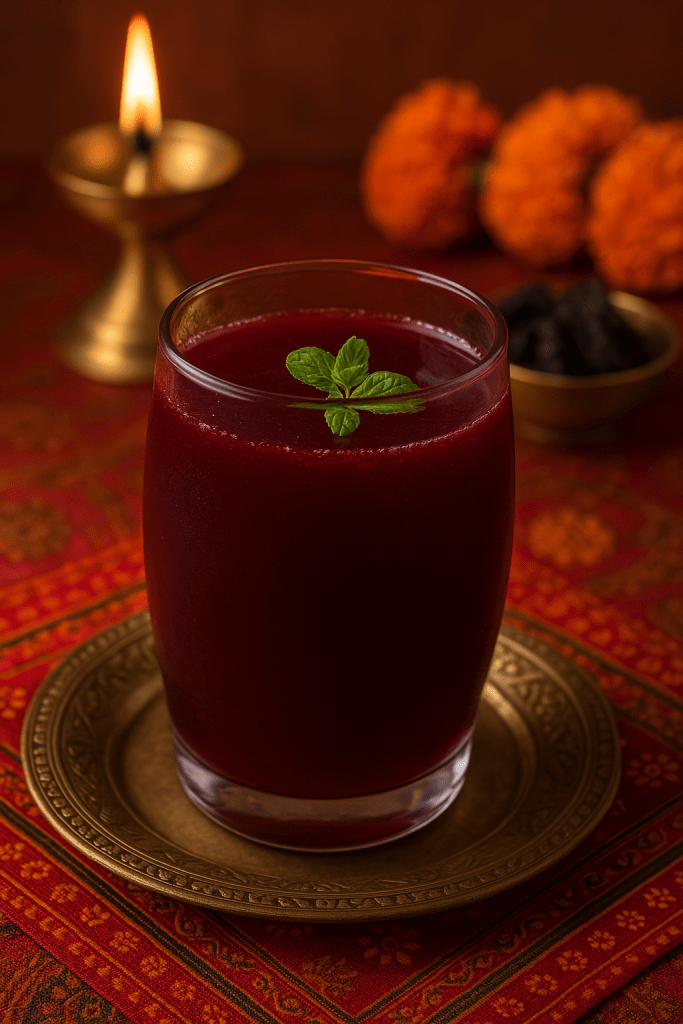
Ceremonial use: Kokum sherbet was served during festivals and rites of passage, symbolizing hospitality, healing, and renewal. In every sip of kokum sherbet, every dash of dried rind, and every story sung beneath monsoon skies, kokum reminds us of nature’s quiet generosity. Kokum sherbet in its ceremonial glory—ideal for capturing the essence of hospitality and healing during rites of passage. Full Recipe
In the Konkan and Goan regions, kokum appears in folk songs that mark:
- Harvest celebrations: Songs sung during Shigmo (spring festival) often mention kokum as a cooling fruit gifted by nature.
- Marriage rituals: Women sing verses about kokum sherbet being served to guests, symbolizing hospitality and renewal.
- Monsoon arrival: Songs describe kokum’s ripening as a sign of the rains, linking it to fertility and abundance.
Folk Songs
Across coastal India, kokum inspires verses that celebrate healing, hospitality, and seasonal change:
“Kokum in the clay pot, red as the bride’s veil, Sweet and sour, it cools the fire, Serve it with love, let hearts heal.”
These lines are sung during Shigmo and monsoon festivals, marking kokum’s place in communal joy and wellness.
Regional Proverbs
Local sayings carry kokum’s ancestral wisdom:
- “With kokum in your meal, peace in your life.” — Digestive harmony through daily use
- “The shade of kokum is the comfort of a hot day.” — Symbol of maternal care and protection
- “Without kokum, fasting brings pain.” — Highlights kokum’s role in spiritual and cleansing rituals
Cultural Significance
Kokum represents renewal and feminine resilience—often tied to rites of passage and intergenerational storytelling. Its symbolic role is echoed in practices like the Kokum Floral Scarf, worn during healing circles by Indigenous communities in Canada.
Kokum’s ancestral wisdom is a living archive—one that bridges oral tradition, ecological stewardship, and holistic healing.
📚 References
🔬 Nutritional Sources
- Irasto World Health – Kokum Nutritional Value Includes data on vitamin C, fiber, hydroxycitric acid, and antioxidants.
- Nutrition Meets Food Science – A Wonder Tropical Fruit Lists vitamins A, B3, C, folic acid, and minerals like potassium and magnesium.
- Health Benefits Times – Kokum Profile Highlights digestion, immunity, and skin health benefits.
- NDTV Doctor– Why Should I Use Kokum in My Diet? Details cardiovascular support, weight management, and skin healing.
🎶 Cultural & Oral Tradition Sources
- JNEIS Journal – Seasonal Chants and Plant Lore Features kokum’s role in folk songs and traditional healing.
- Oxford Research Encyclopedia – Oral Traditions in African History Discusses cultural memory preservation through storytelling.
- IJHSSI – Songs and Proverbs in Indigenous Religions Covers oral traditions conveying medicinal and spiritual wisdom.
The Good News: Kokum as Nourishment for Body and Spirit
Kokum is more than fruit—it’s a celebration of wholeness. Bursting with vitamin-rich nourishment and ancestral wisdom, it cools the body, grounds the spirit, and bridges generations through recipes and rituals. From coastal kitchens to healing circles, kokum invites us to live seasonally, breathe deeply, and nourish with intention. Whether sipped as sherbet or sung through a proverb, its story is yours to carry forward.
💚 Good news for every heart and home:
Kokum heals. Kokum uplifts. Kokum remembers
🌿 Rich in vitamins and antioxidants, it’s not just a fruit—it’s a healer. Spiritually, kokum embodies resilience and renewal, echoing ancestral traditions that honored its cooling essence in rituals of cleansing, fasting, and emotional grounding. Nutritionally, it restores balance, uplifts digestion, and strengthens immunity—making it a staple in sacred kitchens and holistic lifestyles.
So whether you’re reviving an ancestral recipe or introducing kokum to a new generation, you’re part of a living legacy that nourishes not only the body, but the soul.
Kokum is available in the U.S., though it’s a bit of a specialty item. You can find it in several forms:
🛒 Where to Buy Kokum in the U.S.
- Indian grocery stores like Gandhi Foods carry dried Kokum and Kokum phool (flower).
- Online retailers such as Amazon, Walmart, and Pure Indian Foods offer Kokum butter and dried Kokum pieces.
- Natural health shops like Plant Guru sell Kokum butter for skincare and DIY formulations.
🍒 Forms Available
- Dried Kokum rind: Used in cooking, especially in curries and beverages like Kokum Sharbat.
- Kokum butter: Popular in skincare for its emollient and healing properties.
- Powdered or extract forms: Occasionally found in herbal supplement sections.
 EJADA
EJADA 
Leave a comment