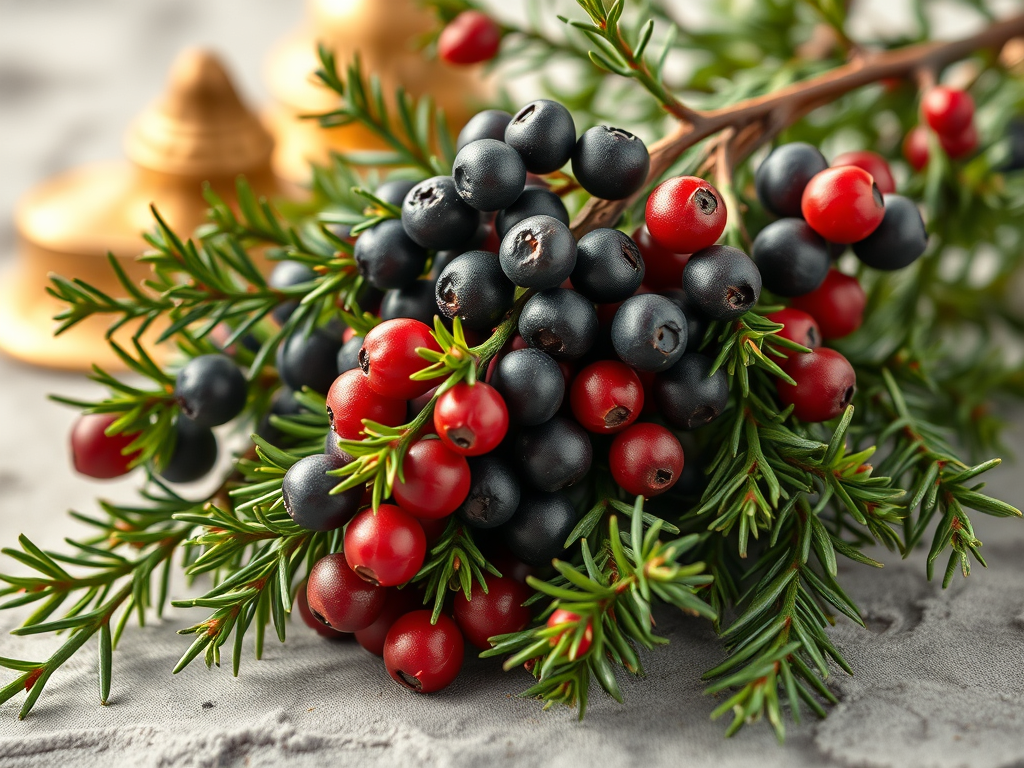
🌿 Juniper Berries: Nature’s Tiny Titans of Flavor and Healing
Move over blueberries—juniper berries have arrived with a story as rich as their piney aroma! These little gems aren’t technically berries at all, but fleshy cones from the juniper shrub, celebrated across centuries and continents for their culinary and medicinal magic.
🗺️ A Bit of History
Juniper berries trace their roots to ancient Egypt, Greece, and Rome, where they were used in spiritual rituals and as natural remedies.
Indigenous healers across North America embraced them to treat infections and enhance endurance. And yes—every bottle of gin owes its iconic flavor to this bold berry!
🔥 Ancient Rituals Featuring Juniper Berries
🧼 Purification & Smudging
- Native American Traditions: Juniper branches and berries were burned in sweat lodges and healing ceremonies to cleanse the spirit and ward off illness2.
- Celtic Samhain Festival: Juniper smoke was used to contact the Otherworld and purify homes at the start of the Celtic year.
- Central European Spring Cleansing: Juniper was burned to cast out witchcraft and negative energy during seasonal transitions4.
🛡️ Protection & Spiritual Defense
- Interior Salish & Northwest Tribes: Used juniper to banish evil spirits and protect against harmful magic.
- Biblical Symbolism: Juniper sheltered the prophet Elijah and was associated with divine protection during the flight into Egypt4.
- Mediterranean Witchcraft: Juniper was one of the earliest incenses used by witches to guard sacred spaces.
🌬️ Healing & Clairvoyance
- Ancient Egypt: Juniper was burned in temples for ritual purification and believed to aid clairvoyance.
- Tibetan & Ayurvedic Practices: Juniper berries were used to purify the aura and support spiritual healing, often in combination with meditation and breathwork.
💧 Ritual Baths & Anointing
- Spiritual Cleansing Baths: Juniper-infused water was used in rites of renewal, often paired with salt and herbs like rosemary.
- Anointing Oils: Juniper oil was applied to objects and people for protection and blessing, a practice dating back to ancient Egypt and echoed in modern herbalism.
Juniper’s ritual use is a beautiful example of how scent, symbolism, and sacred intention intertwine.
🏺 Ancient Uses – Culinary & Medicinal
Juniper berries weren’t just a flavorful twist in ancient kitchens—they were botanical celebrities in early medicine cabinets and sacred rituals.
🍽️ Culinary Traditions
- Ancient Rome: Roman cooks added juniper berries to meats and sauces for their sharp, piney kick. The berries also helped preserve food, thanks to their antimicrobial properties—like nature’s own pantry guardian.
- Greek Gastronomy: Juniper berries spiced up dishes and beverages, often paired with honey or vinegar. They were considered a digestive aid, perfect for multi-course feasts.
- Egyptian Recipes: Juniper was likely used in herbal mixtures and brews—some researchers believe it was part of fermenting wines and ceremonial concoctions.
🧪 Medicinal Wisdom
Egyptian Healing: Juniper was found in ancient tombs, including King Tutankhamun’s, suggesting it was valued for its aromatic and preservative powers. Oils extracted from juniper were used in embalming and treating wounds.
Greek and Roman Medicine: Physicians like Galen and Dioscorides praised juniper for cleansing the body—often recommending it to treat urinary tract infections, arthritis, and respiratory conditions.
Indigenous North America: Healers used juniper decoctions to relieve joint pain, purify the blood, and boost stamina. Some tribes burned juniper as incense during healing rituals to ward off negative energy and illness.
Juniper’s role in ancient medicine wasn’t just therapeutic—it was deeply spiritual. These berries were seen as purifiers, protectors, and restorers of vitality.
🌿 Herbal Companions to Juniper Berries in Healing
Juniper berries have a long history of being paired with other herbs in healing traditions across cultures. These combinations often amplify their effects or balance their potency.
Here are some standout herbal allies:
Uva Ursi (Bearberry)
- Often combined with juniper in urinary tract remedies.
- Both are antiseptic and diuretic, supporting kidney and bladder health.
- Used in European and Native American herbalism.
🌼 Chamomile
- Blends well in teas with juniper to soothe digestion and calm nerves.
- Adds a gentle, anti-inflammatory touch to juniper’s stimulating nature.
🌱 Ginger
- Used in traditional remedies for arthritis and joint pain alongside juniper.
- Enhances circulation and warms the body, complementing juniper’s detoxifying effects.
🌿 Rosemary & Sage
- These aromatic herbs pair with juniper in steam infusions and salves for respiratory and skin conditions.
- Their antimicrobial properties create a powerful cleansing synergy.
🍂 Dandelion Root
- Often used with juniper in liver and lymphatic detox blends.
- Supports bile flow and digestion, balancing juniper’s diuretic action.
🌸 Yarrow
- Combined in poultices and teas for wound healing and inflammation.
- Traditional European herbalists used this duo for circulatory and immune support.
These herbal pairings reflect centuries of wisdom—where juniper’s bold character is softened, enhanced, or directed by complementary plants
🌿 Everyday Uses — From Kitchen Alchemy to Holistic Living
Juniper berries might be tiny, but their versatility is mighty. Whether you’re infusing flavor, refreshing your space, or diving into DIY wellness, these little cones offer a fragrant touch of nature’s ingenuity.
🍲 Culinary Charm
- Savory Seasonings: Crushed juniper berries elevate the flavor of lamb, venison, and root vegetables with their woodsy zing. Add them to rubs or slow-cooked dishes for a rustic twist.
- Fermentation Friend: Traditional sauerkraut recipes across Europe often include juniper berries to aid fermentation and add depth of flavor.
- Flavor Balancer: Pair them with fruit preserves, citrus glazes, or honey-based marinades to create a sweet-and-spicy harmony.
🍹 Beverage Boosters
- Tea & Infusions: Steeped alone or blended with herbs like rosemary and mint, juniper offers an energizing, slightly bitter brew that supports digestion.
- Craft Spirits: Gin wouldn’t be gin without juniper—its defining botanical. Artisanal distillers also use it in flavored vodkas and bitters.
🏡 Home & Mindfulness
- Essential Oil Bliss: A few drops in a diffuser creates a grounding environment perfect for meditation or stress relief.
- Purifying Potpourri: Combine dried juniper berries with cedar chips and dried citrus peels to create a cleansing potpourri that honors ancestral traditions.
- Insect Repellent: Juniper’s pungent scent naturally deters moths and mosquitoes—just tuck a sachet in your drawers or keep one by windowsills.
🧼 Natural Wellness & Crafting
- Skincare Elixirs: Infused oils or homemade scrubs featuring juniper may help improve circulation and tone the skin, thanks to its mild astringency.
- DIY Bath Rituals: Add crushed berries to bath sachets for a spa-like soak that supports detox and relaxation.
- Sacred Smoke: Some cultures burn juniper wood and berries during cleansing ceremonies—believed to clear negative energy and promote clarity.
These daily delights make juniper berries more than just a spice—they’re a celebration of traditional wisdom and modern practicality. 🌲✨
💊 Medicinal Marvels – Ancient Wisdom Meets Modern Science
Juniper berries have long been cherished not just for their bold flavor, but for their impressive healing potential. Across continents and centuries, they’ve served as both preventive medicine and ritual purifier.
🧘 Detoxification & Diuretic Power
- Kidney & Urinary Support: Juniper berries stimulate kidney function and increase urine output, helping flush out toxins. Ancient Greek and Roman healers used them to treat bladder infections and water retention.
- Gentle Cleanser: Herbalists across Europe and Indigenous cultures in North America brewed juniper teas to “sweep” the body—supporting lymphatic drainage and breaking up congestion.
🤕 Anti-inflammatory Relief
- Joint & Muscle Care: Juniper’s volatile oils, particularly alpha-pinene and myrcene, show promise in reducing inflammation. Ancient healers used crushed berries as poultices to ease arthritis and rheumatic pain.
- Respiratory Soothing: Steam infusions with juniper were used to open airways and soothe coughs—a technique still embraced in traditional Balkan and Siberian herbalism.
🦠 Immune & Antimicrobial Defense
- Wound Healing: Egyptians and Romans applied juniper oils to skin abrasions and infected cuts for their antibacterial and antifungal effects.
- Immune Boost: Juniper berries were part of herbal elixirs to strengthen resistance against seasonal illness—often combined with herbs like elderberry and echinacea in modern formulations.
🧠 Digestive & Mental Clarity
- Stomach Settler: Their bitter compounds encourage bile production and stimulate appetite, which made them a staple in medieval European tonics.
- Mood Enhancer: Juniper’s uplifting aroma has long been tied to spiritual clarity and emotional grounding—burned in rituals to dispel sadness and anxiety.
These berries stand at the crossroads of science and ancestral wisdom, offering a holistic toolkit for natural healing. Whether steeped into herbal brews or blended into balms, juniper continues to echo the healing legacy of our ancestors.
How Juniper Ceremonials Were Celebrated Across Cultures
Purification Rituals
- Smudging Ceremonies: In Native American traditions, juniper branches were burned in sweat lodges or healing circles. The smoke was wafted over individuals to cleanse the spirit and body, often accompanied by chants or drumming.
- Scottish Saining: During Beltane and Samhain festivals, Highlanders burned juniper in homes and barns. The smoke filled every room to purify the space and protect livestock and family from illness and malevolent forces.
🛡️ Protection & Seasonal Transitions
- Celtic Fire Festivals: Juniper was added to bonfires during seasonal transitions. Cattle were led between two juniper-fueled fires as a symbolic and medicinal act of protection.
- Crow Pipe Ceremony: In some Indigenous ceremonies, spiritual leaders stood on mats of creeping juniper to shield themselves from negative energies while performing sacred rites.
🌬️ Spiritual Connection & Ancestral Guidance
- Siberian Shamanism: Juniper smoke was used to induce mild trance states, helping shamans connect with spirits and ancestors. It was believed to open portals to higher realms.
- Egyptian Temple Rituals: Juniper was burned in sacred spaces to purify the air and invite divine presence. It was also used in embalming rites to honor the dead.

Egyptian Temple Ritual celebration—featuring ancient priests in ceremonial attire surrounded by golden artifacts and sacred incense.
💧 Ceremonial Baths & Anointing
- Ritual Cleansing: Juniper-infused water was used in spiritual baths, often combined with salt and rosemary. These were performed before major life transitions or healing ceremonies.
- Blessing Oils: Juniper oil was used to anoint sacred objects, altars, and individuals—believed to offer protection and clarity.
These ceremonies weren’t just symbolic—they were sensory journeys that honored nature, ancestors, and the cycles of life.
⚠️ Precautions – Respecting Nature’s Power
Juniper berries may be small, but they’re potent—and like any natural remedy, they deserve respect and mindful use. Historically revered for healing and cleansing, they were used sparingly and intentionally. Here’s how modern users can follow suit:
🧪 Use in Moderation
- Potency Matters: Consuming large quantities—especially in concentrated forms like extracts or oils—can irritate the kidneys and digestive tract.
- Limit Duration: Herbalists traditionally recommend using juniper for short periods, typically not more than 4–6 weeks at a time without medical guidance.
🤰 Pregnancy & Breastfeeding
- Avoid Use: Juniper may stimulate uterine contractions, posing a risk to pregnancy. It’s best avoided entirely during pregnancy and while nursing.
💊 Drug Interactions
- Diuretics & Diabetes Medications: Juniper’s diuretic properties may amplify the effects of these medications, altering hydration levels or blood sugar.
- Blood Pressure & Heart Conditions: Because juniper can influence fluid balance, those with cardiac concerns should consult a healthcare provider before use.
🧒 Children & Sensitive Populations
- Not Recommended: Juniper berries and oils are generally not advised for young children or individuals with compromised kidney function unless under professional supervision.
👃 Essential Oils & Topical Products
- Patch Test First: Always test diluted juniper essential oil on a small area of skin to ensure there’s no allergic reaction.
- Avoid Inhalation in High Doses: Excessive inhalation of juniper oil can cause dizziness or respiratory irritation.
Juniper berries offer a profound link to our ancestral healing traditions, but their strength calls for wisdom. In using them thoughtfully, we honor both nature’s gifts and the cultural legacies they come from. 🌿🧘♂️
🛒 Availability – Where to Find Nature’s Pine-Scented Wonder
Juniper berries aren’t hard to track down, especially if you know what to look for. These resinous gems are widely available, but sourcing high-quality, food-grade berries makes all the difference—especially when honoring their medicinal and culinary roots.
🧂 Spice Aisles & Gourmet Shops
- Found in whole dried form at most health food stores, herbal markets, and specialty spice retailers.
- Look for labels that say culinary grade or organic, ideal for cooking, infusing, and blending.
🌐 Online Marketplaces
- Easily ordered through major platforms like Amazon, Etsy, Mountain Rose Herbs, and Starwest Botanicals.
- Available as dried berries, powdered form, tinctures, capsules, and essential oils.
🛍️ Local Herbalists & Co-ops
- Many community herbal shops and food co-ops stock juniper products—often alongside guidance on traditional uses and safety.
- Explore Indigenous-owned vendors or heritage-focused apothecaries for ethically sourced options that honor cultural traditions.
🍸 Beverage Retailers
- If gin’s your interest, artisanal distillers often highlight the origin of their juniper berries—look for small-batch producers who emphasize botanical integrity.
🍃 Seasonal Foraging (With Caution)
- In certain regions of North America, wild juniper can be responsibly foraged.
- Only forage if you’re well-informed on species (some types aren’t edible) and local sustainability practices—partnering with a trained herbalist or foraging guide is best.
With options ranging from spice racks to sacred gardens, the juniper berry’s accessibility reflects its timeless value. Whether you’re brewing a wellness tonic or crafting a forest-inspired meal, this botanical treasure is just a click—or a walk—away 🌲🧺
From the sacred smoke of ancient temples to the simmering stew of modern kitchens, the juniper berry whispers stories of healing, protection, and flavor across time. Let us carry its wisdom into every breath, every bite, and every ritual we renew.”
Now that we’ve celebrated juniper’s vibrant legacy, it’s time to make way for the final jewel in the J-fruit crown… 🏝️
🌴 Next Up: The Jussara Palm
Stay tuned as we journey into the last fruit that begins with J. The lush Atlantic Forests of Brazil to meet the Jussara Palm—a fruit revered for its rich acai-like flavor, deep purple pigments, and role in ecological regeneration. From Indigenous nutrition to sustainable farming, this tropical treasure is more than just a fruit—it’s a movement.
 EJADA
EJADA 
Leave a comment