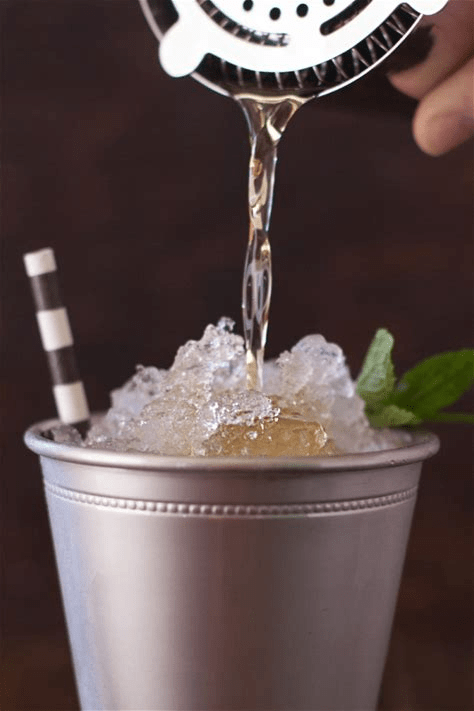
Mint Julep Recipe will Make You Think You’re at the Kentucky Derby!
Have you ever heard of the Julep Melon?
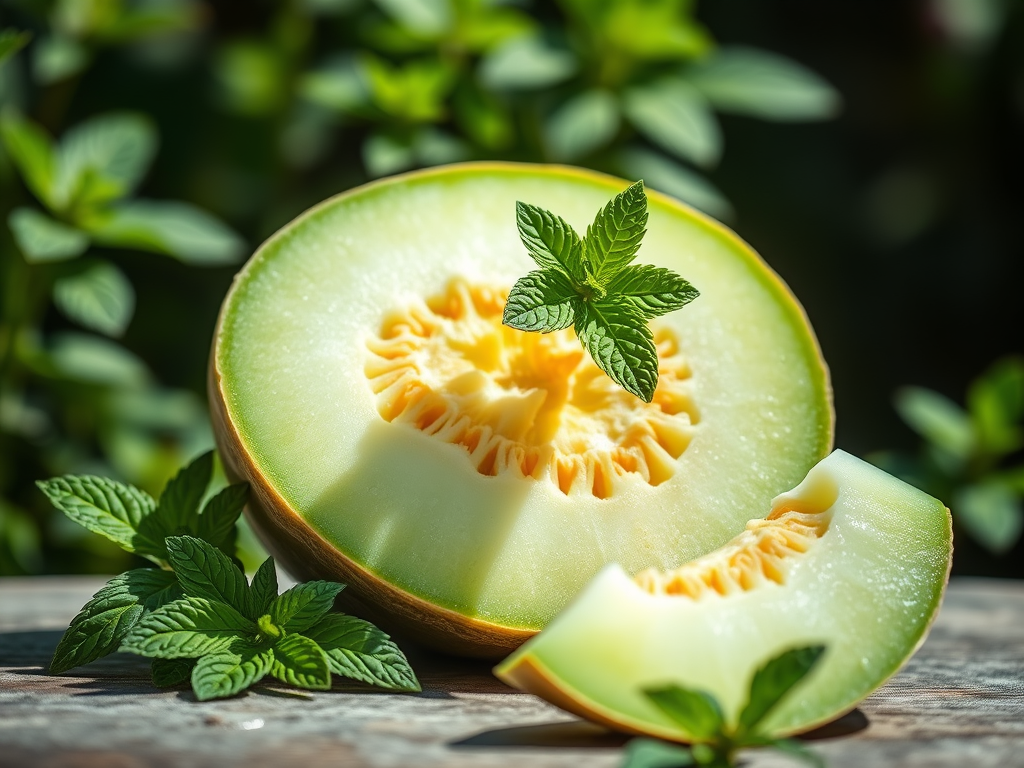
This rare and fragrant cultivar is a true gem among melons, known for its intensely sweet flavor, minty aroma, and smooth, pale green flesh. Believed to have been cultivated in the early 20th century, the Julep Melon is a variety of Cucumis melo, placing it in the muskmelon family alongside cantaloupes and honeydews.
🍈 Type of Fruit
- Belongs to the Cucumis melo species
- Typically round to slightly oblong in shape
- Pale green to creamy rind with minimal netting
- Flesh is juicy, aromatic, and exceptionally sweet—often described as having a hint of mint, hence the name “Julep”
🌱 Cultivation History
- Thought to have originated in the American South, possibly bred for its unique flavor and fragrance
- Rarely found in commercial markets today, but occasionally grown by heirloom gardeners and melon enthusiasts
- Its cultivation peaked in the mid-1900s before being overshadowed by more commercially viable varieties, such as cantaloupe and honeydew.
Cultivating the Julep Melon,
Like other heirloom muskmelons, it requires a blend of traditional care and modern techniques to bring out its signature minty sweetness and aromatic flesh.
Here’s a breakdown of the most effective methods:
🌱 Soil & Site Preparation
- Prefers sandy loam soil with good drainage and a pH between 6.0–6.5
- Enrich soil with organic compost and potassium-rich fertilizers to boost fruit development
- Use black plastic mulch to warm the soil and suppress weeds—especially helpful in cooler climates
🌞 Planting Techniques
- Start seeds indoors 3–4 weeks before transplanting, or sow directly when soil temps reach ≥18°C (64°F)
- Space plants 18 inches apart in rows 5–6 feet apart to allow vines to sprawl
- Harden seedlings for 3–6 days before transplanting to reduce shock
💧 Irrigation & Watering
- Use drip irrigation to deliver water directly to roots and prevent leaf diseases
- Water deeply but infrequently—about 1–2 times per week depending on climate
- Reduce watering during ripening to concentrate sugars and enhance flavor
🌼 Pollination & Protection
- Cover young plants with row covers to protect from pests like cucumber beetles
- Remove covers once flowers appear to allow bee pollination
- Optional: introduce hives to improve fruit set
🌿 Crop Management
- Apply phosphorus and potassium fertilizers at flowering to support fruiting
- Monitor for pests like aphids and fungal diseases; use natural pesticides and rotate crops to maintain soil health
- Thin out malformed fruits to direct energy to fewer, higher-quality melons
🍈 Harvesting Tips
- Julep Melons are ready when they emit a minty-sweet aroma, soften slightly at the blossom end, and show subtle rind color changes
- Most heirloom melons are harvested at full slip, meaning they detach easily from the vine with a gentle tug
Advanced Cultivation Techniques for Melons
Cultivating melons at a commercial or high-yield hobby level demands more than the basics of soil prep and watering. Advanced techniques focus on fine-tuning the plant’s environment—optimizing soil health, precisely delivering water and nutrients, and integrating smart pest control—to push fruit quality and yield to the next level.
1. Strategic Crop Associations
Intercropping and companion planting can improve soil fertility, suppress weeds, and deter pests without chemicals.
- Leguminous cover crops (e.g., clover, vetch) fix atmospheric nitrogen, boosting melon vigor.
- Marigolds and nasturtiums attract beneficial insects and repel nematodes and beetles.
- Radishes sown alongside melon rows help deter cucumber beetles and aphids.
2. Continuous Monitoring with Sensors
Real-time data on moisture, temperature, and nutrients allows precise adjustments:
- Soil moisture sensors trigger automated drip systems, preventing stress and disease.
- pH and EC (electrical conductivity) probes guide timely nutrient additions.
- Data loggers and wireless networks enable remote monitoring and predictive alerts for irrigation or feeding schedules.
3. Precision Irrigation & Fertigation
Combining drip irrigation with fertigation maximizes resource efficiency and fruit quality:
- Deliver water and soluble fertilizers directly at the root zone, reducing leaching and foliar disease.
- Schedule light, frequent irrigations during vegetative growth, then taper off at fruit set to concentrate sugars.
- Integrate variable-rate controllers to match soil moisture maps—delivering water exactly where it’s needed.
4. Targeted Micronutrient Management
Periodic soil and tissue tests guide the application of critical micronutrients that support fruit set, sugar accumulation, and rind health.
| Nutrient | Function | Recommended Source | Timing |
|---|---|---|---|
| Nitrogen (N) | Leaf and vine growth | Compost, organic fertilizers | Early growth stage |
| Phosphorus (P) | Root development, blossom formation | Natural phosphates | Pre-flowering |
| Potassium (K) | Fruit size, sugar translocation | Wood ash, potassium sulfate | Throughout season |
| Calcium (Ca) | Prevents blossom end rot | Gypsum, dolomitic limestone | During fruit development |
Adjust doses based on test results and crop stage for consistent, high-quality yields.
5. Integrated Pest & Disease Management
Moving beyond blanket sprays, advanced IPM combines cultural, biological, and mechanical controls:
- Rotate melon beds with non-cucurbit crops to break pest cycles.
- Release biocontrol agents (e.g., Trichogramma wasps) to suppress key pests.
- Use insect-exclusion nets or mesh tunnels during vulnerable flowering stages to protect against beetles and flies.
By layering these advanced methods—strategic intercropping, sensor-driven irrigation, precision nutrition, and modern IPM—you can push melon production to new heights of flavor, yield, and sustainability.
Health Benefits of the Julep Melon
The Julep Melon isn’t just a sensory delight—its sweet, minty flesh delivers a potent blend of nutrients common to heirloom muskmelons, making it as nourishing as it is delicious.
Key Nutrients
| Nutrient | Amount per 1 cup | Function |
|---|---|---|
| Water | ~90 g | Hydration and electrolyte balance |
| Vitamin A | ~100% DV | Vision support, skin repair, immune health |
| Vitamin C | ~75% DV | Antioxidant defense, collagen synthesis |
| Potassium | 270–400 mg | Blood pressure regulation, muscle function |
| Dietary Fiber | 1–2 g | Promotes healthy digestion and satiety |
| Beta-carotene / Lycopene | Variable | Free-radical scavenging, may reduce disease risk |
Julep Melon’s Medicinal Debut
Although melons in general have a long history in folk remedies, the Julep Melon itself wasn’t recorded as a “medicine” until modern nutritional science began taking notice of its unique profile.
Timeline of Medicinal Use
- Before 1900 No documented medical use of Julep Melon—its origin story centers on flavor and aroma, not therapy.
- Early 1900s Bred and shared among heirloom gardeners in the American South purely for its culinary qualities.
- Late 20th Century Nutritional researchers first analyzed its high water, vitamin A/C, and potassium content for potential sports-drink and rehydration formulas.
- Early 21st Century Small-scale studies and anecdotal reports explored its antioxidant value and digestive benefits, though large clinical trials are still lacking.
Why So Late?
- Cultivar Focus Most traditional medicine texts lump all Cucumis melo under one umbrella—specific cultivars like Julep were too rare to single out.
- Culinary Appeal Growers prized its flavor and fragrance over any “healing” reputation, so it stayed off herbalist radars.
- Modern Nutraceuticals Only with today’s emphasis on functional foods and heirloom varieties has Julep Melon been reevaluated for health applications.
In summary, Julep Melon’s first recorded forays into medical use date to nutritional and sports-science research in the 1980s–1990s, rather than any ancient or traditional pharmacopeia.
Major Health Benefits
Hydration and Blood Pressure Control With over 90% water content and ample potassium, Julep Melons help maintain fluid balance and support healthy blood pressure levels.
Immune Support & Skin Health A single cup delivers nearly all your daily vitamin A and vitamin C, bolstering immune defenses and fueling collagen production for firmer, more resilient skin.
Eye Protection Rich in carotenoids (beta-carotene, lycopene) plus lutein and zeaxanthin, melons help guard against age-related vision decline and promote overall eye health.
Digestive Regularity The dietary fiber content supports smooth bowel movements and nurtures a balanced gut microbiome.
Antioxidant & Anti-Inflammatory Action The combination of vitamin C, lycopene, and other phytonutrients works to neutralize free radicals and may help reduce chronic inflammation.
🍽️ Uses
- Traditionally enjoyed fresh, sliced or balled for fruit salads
- Featured in mint julep-inspired fruit dishes, pairing beautifully with bourbon, mint, and citrus
- Used in gourmet recipes like chilled melon soups, sorbets, and even cocktails
- Its aromatic profile makes it ideal for infused waters, dessert garnishes, and summer salads
Creative Recipes to Maximize Julep Melon’s Nutritional Punch
Elevate your meals with the minty-sweet, vitamin-rich Julep Melon. These recipes not only celebrate its unique flavor but also pack in hydration, vitamins A and C, potassium, fiber, and antioxidants for a nourishing boost.
1. Julep Melon & Spinach Superfood Smoothie
A vibrant green smoothie that combines melon’s sweetness with leafy nutrients and seeds for extra protein and healthy fats.
Ingredients
- 1 cup Julep Melon, cubed and chilled
- 1 handful (1 cup) baby spinach leaves
- ½ medium banana, frozen
- 1 tbsp chia seeds
- ¾ cup unsweetened almond milk (or coconut water)
- Ice cubes (optional)
Instructions
- Add melon, spinach, banana, chia seeds, and almond milk to a blender.
- Blend on high until smooth.
- Add ice cubes for extra chill and blend again.
- Pour into a tall glass, sprinkle with extra chia seeds, and serve immediately.
Nutritional Highlights
- Vitamin A & C from melon and spinach
- Omega-3s and fiber from chia seeds
- Hydration from high-water fruits and liquid base
2. Julep Melon, Quinoa & Avocado Power Salad
A balanced bowl of complex carbs, healthy fats, and refreshing fruit to kickstart metabolism and keep you full longer.
Ingredients
- 1 cup cooked quinoa, cooled
- 1 cup Julep Melon, cubed
- ½ ripe avocado, diced
- 2 tbsp chopped fresh mint
- 2 tbsp toasted pumpkin seeds
- Juice of ½ lime
- 1 tbsp extra-virgin olive oil
- Pinch of sea salt and cracked black pepper
Instructions
- In a large bowl, combine quinoa, melon, avocado, and mint.
- Whisk lime juice, olive oil, salt, and pepper in a small bowl.
- Drizzle dressing over the salad and toss gently.
- Top with pumpkin seeds for a crunchy finish.
Nutritional Highlights
- Complete protein from quinoa
- Heart-healthy monounsaturated fats from avocado
- Electrolytes and antioxidants from melon and mint
3. Chilled Julep Melon & Cucumber Mint Soup
A light, savory-sweet starter that cools, hydrates, and delivers micronutrients in every spoonful.
Ingredients
- 2 cups Julep Melon, cubed and chilled
- 1 cup peeled cucumber, chopped
- ¼ cup plain Greek yogurt
- 2 tbsp fresh mint leaves
- 1 tsp honey (optional)
- Pinch of sea salt
- Fresh mint sprig for garnish
Instructions
- In a blender, combine melon, cucumber, yogurt, mint, honey, and salt.
- Blend until silky smooth.
- Chill in the refrigerator for at least 30 minutes.
- Serve in bowls, garnished with mint sprigs and a drizzle of olive oil if desired.
Nutritional Highlights
- Probiotics and protein from Greek yogurt
- Cooling hydration with electrolytes from cucumber and melon
- Anti-inflammatory benefits from mint
4. Julep Melon & Berry Chia Parfait
Layered breakfast or snack that’s rich in fiber, antioxidants, and plant-based omega-3s.
Ingredients
- ¾ cup Julep Melon, diced
- ½ cup mixed berries (strawberries, blueberries, raspberries)
- ¾ cup Greek yogurt (any variety)
- 3 tbsp chia seeds
- ½ tsp vanilla extract
- 1 tsp maple syrup (optional)
Instructions
- Stir chia seeds, vanilla, and maple syrup into yogurt; let sit 10 minutes.
- In a clear glass, layer half the yogurt, half the melon, and half the berries.
- Repeat layers and finish with a sprinkle of chia seeds.
- Serve immediately or refrigerate up to 2 hours.
Nutritional Highlights
- Antioxidants from berries and melon
- Sustained energy from chia fiber and protein
5. Grilled Julep Melon & Feta Skewers with Balsamic Glaze
A quick appetizer combining sweet melon, tangy cheese, and char for a nutrient-dense treat.
Ingredients
- 1 small Julep Melon, cut into 1-inch cubes
- 100 g feta cheese, cut into cubes
- 1 tbsp fresh mint, chopped
- Wooden skewers, soaked in water 15 minutes
- 2 tbsp balsamic reduction or glaze
Instructions
- Thread melon and feta alternately onto skewers.
- Preheat grill or grill pan to medium-high heat.
- Grill skewers 1–2 minutes per side until light char appears.
- Arrange on a platter, sprinkle with chopped mint, and drizzle with balsamic glaze.
Nutritional Highlights
- Calcium and protein from feta
- Hydration and antioxidants from melon and mint
- Low-GI carbs for steady energy
Meal Prep Tips for Healthy Eating with Julep Melon
Incorporating the juicy, mint-aromatic Julep Melon into your meal-prep routine not only boosts flavor but also delivers hydration, vitamins A and C, and potassium in every bite. Below are practical strategies to streamline your prep, maximize nutrition, and highlight this heirloom melon at its best.
1. Plan & Balance Your Menu( Healthline)
- Start small. Plan 2–3 meals or snacks featuring Julep Melon per week to build a sustainable habit.
- Aim for all food groups. Pair melon with protein (Greek yogurt, cottage cheese, turkey), healthy fats (avocado, nuts), and whole grains (quinoa, oats) to create balanced meals.
- Rotate flavors. Schedule melon-centric dishes on non-consecutive days to keep your palate engaged.
2. Prep & Portion Efficiently
- Wash and cube melon on prep day. Ready-to-grab 1-cup portions make snacking or smoothie-building effortless.
- Batch-cook complementing ingredients. For example, roast chicken or prep quinoa alongside melon for quick grain bowls or salads.
- Pre-portion combos. Layer melon cubes with berries and chia pudding or yogurt in mason jars for grab-and-go breakfasts or snacks.
3. Store for Freshness & Safety( Harvard)
| Item | Container | Fridge Life | Freezer Option |
|---|---|---|---|
| Cubed Julep Melon | Airtight glass/plastic | 3–4 days | Freeze in single-serve bags for smoothies (up to 1 month) |
| Prepped salads or bowls | Leak-proof containers | 3–4 days | Not recommended (lettuce wilts) |
| Batch-cooked grains/proteins | Stackable glass containers | 4–5 days | 2–3 months |
- Label and date every container to rotate yields and reduce waste.
- Use paper towels in melon containers to absorb excess moisture and prevent sogginess.
4. Smart Tools & Timing( Cleveland Clinic)
- Invest in quality containers. Choose microwave- and freezer-safe glass or BPA-free plastic in varied sizes to match portion needs.
- Designate a consistent prep day. Block 1–2 hours on a quieter weekend day or midweek evening to stay on track.
- Multitask. While melon chills in the fridge, batch-roast veggies or simmer soups.
5. Recipe Inspiration Featuring Julep Melon
Melon & Feta Snack Skewers: Alternate cubes of melon and feta on skewers; drizzle with balsamic glaze and chopped mint.
Julep Melon & Quinoa Power Bowls: Quinoa, diced melon, grilled chicken, avocado, mint, lime vinaigrette.
Melon-Mint Smoothie Packs: Pre-measured melon, spinach, banana, chia seeds—ready for blender with almond milk.
Chilled Melon-Cucumber Soup: Blend melon, cucumber, Greek yogurt, mint, and a splash of lemon juice; chill.
I know we are all looking for healthy alternatives but some should be caution
Why Caution Matters
Even foods branded “natural” or “wholesome” can carry hidden downsides. Overloading on fruit, choosing fat-free products with added sugars, or substituting sugar alcohols without understanding their effects can backfire. A mindful approach helps you reap benefits without unintended consequences.
Common Pitfalls with Healthy Swaps
- Natural Sugar Overload Fruit offers vitamins and fiber, but excessive portions spike blood sugar and calorie intake.
- Misleading Labels “Gluten-free,” “fat-free,” or “keto” tags can hide added fillers, artificial sweeteners, or refined starches.
- Overuse of Sugar Alcohols Erythritol, xylitol, and sorbitol may reduce calories but can cause digestive distress in sensitive individuals.
- One-Size-Fits-All Recipes Popular meal-prep formulas don’t account for personal goals, allergies, or medication interactions.
Tips for Safer Healthy Eating
Track Portions Measure fruit servings (½–1 cup) and balance with protein or healthy fats to moderate the glycemic load.
Read Beyond the Front Label Scan ingredient lists for hidden sugars (maltodextrin, dextrose) and artificial additives.
Rotate Ingredients Prevent nutritional gaps by varying fruits, grains, proteins, and fats across meals.
Listen to Your Body Note any digestive discomfort or energy slumps after trying new substitutes; adjust accordingly.
Applying These Principles to Julep Melon
Mind Your Serving Size Limit to 1 cup of cubed Julep Melon per sitting—its sweetness can overload even the healthiest of diets.
Pair with Protein or Fat Combine melon with Greek yogurt, cottage cheese, or a sprinkle of nuts to slow sugar absorption.
Wash & Store Properly Thoroughly rinse rind before cutting and store cubes in airtight containers with paper towels to prevent spoilage.
Monitor Blood Sugar If you’re prediabetic or watching carbs, track your response to melon’s natural sugars and adjust portions.
Balancing enthusiasm for fresh, flavorful alternatives with prudent checks ensures healthy swaps that truly boost your nutrition.
Conclusion:
All things considered, the Julep Melon offers a hydrating, nutrient-rich, and delightfully aromatic addition to your meals.
So relax with a Mint Julip and enjoy the benefits.
 EJADA
EJADA 
Leave a comment