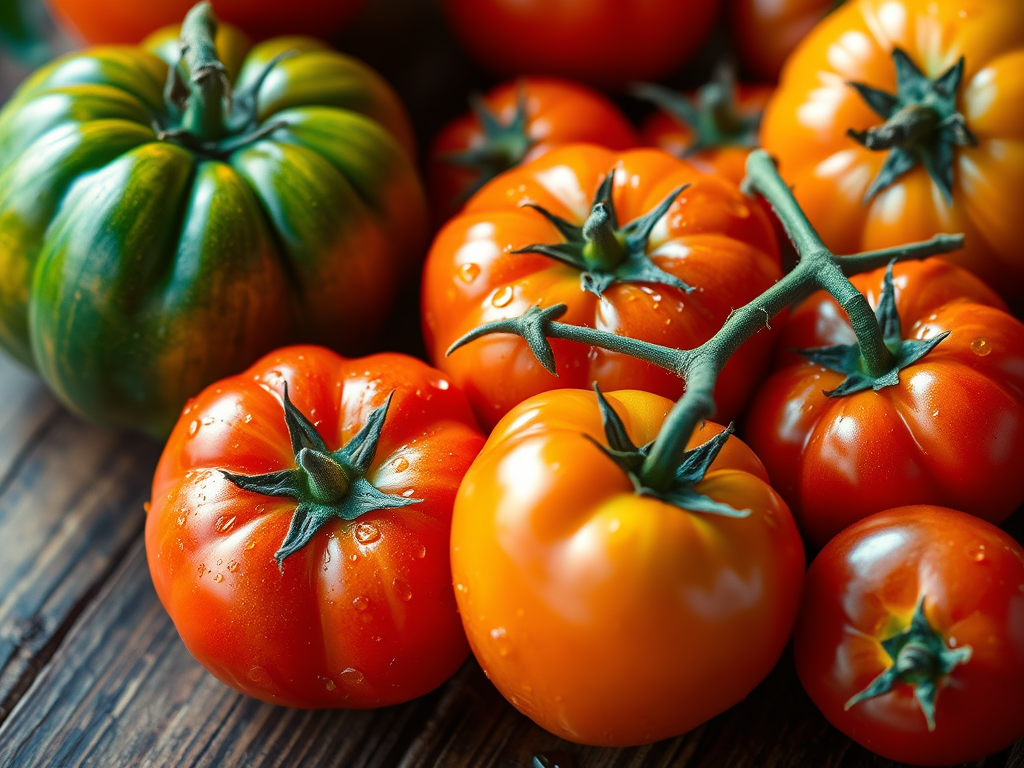
Juicy tomatoes—those luscious, sun-ripened fruits—have a rich backstory that spans continents, cultures, and centuries. Let’s peel back the layers:
🍅 What Are Juicy Tomatoes?
“Juicy tomato” isn’t a specific variety but a quality found in many cultivars. These tomatoes have:
- High water content and gel-filled seed cavities
- Thin skin and soft flesh, making them ideal for fresh eating
- Varieties like Beefsteak, Brandywine, and Heirloom types are especially known for their juiciness
🌍 Origins and First Cultivation
- Wild ancestors of tomatoes originated in the Andes Mountains of Peru and Ecuador
- Domestication began in Mesoamerica, especially in Mexico, around 700 A.D., by Indigenous peoples like the Aztecs and Mayans2
- The Aztecs called it xitomatl, meaning “plump thing with navel,” which evolved into the Spanish tomate
🧭 Who Cultivated Them and Why?
- Purpose: Initially cultivated for culinary use, especially in sauces and stews, and sometimes for ritual offerings
- Spanish explorers brought tomato seeds to Europe in the 16th century, where they were first grown as ornamental plants due to fears they were poisonous (thanks to their nightshade family ties)
- Italy embraced tomatoes in the 18th century, transforming them into a staple of Mediterranean cuisine—think pasta sauces and pizza!
🍽️ From Suspicion to Global Staple
- France called it pomme d’amour (“love apple”), believing it had aphrodisiac qualities
- Thomas Jefferson grew them in Virginia by 1781, but they didn’t gain widespread popularity in the U.S. until the early 20th century
“Juicy Tomato” vs. “Regular Tomato”
The term “juicy tomato” isn’t a botanical classification—it’s more of a quality descriptor. It refers to tomatoes with:
- High water content
- Soft, gel-filled seed cavities
- Thin skin and tender flesh
- Often found in heirloom, beefsteak, or vine-ripened varieties
Meanwhile, “regular tomato” is a broad term that can include:
- Globe tomatoes (standard supermarket types)
- Roma or plum tomatoes (meatier, less juicy—great for sauces)
- Cherry or grape tomatoes (small, sweet, and often juicy too)
🧪 Flavor & Texture Differences
| Type | Juiciness | Flavor Profile | Best Use |
|---|---|---|---|
| Juicy Tomato | High | Sweet, mild, aromatic | Fresh eating, sandwiches |
| Regular Tomato | Varies | Mild to tangy | Sauces, stews, slicing |
| Roma Tomato | Low | Dense, tangy | Paste, roasting |
| Cherry Tomato | High | Sweet, bright | Salads, snacking |
🌿 Why It Matters
- Juicy tomatoes shine in raw dishes where their moisture and flavor are front and center.
- Regular tomatoes are often bred for shelf life, uniformity, or cooking performance—sometimes at the expense of flavor.
Juicy tomatoes aren’t just delicious—they’re nutritional powerhouses with a wide range of health benefits.
Let’s slice into the science behind their goodness 🍅:
🧬 Nutritional Highlights
Juicy tomatoes are rich in:
- Lycopene: A potent antioxidant linked to reduced risk of heart disease and certain cancers
- Vitamin C: Boosts immunity, collagen production, and iron absorption
- Vitamin A (from beta-carotene): Supports vision and skin health
- Potassium: Helps regulate blood pressure and fluid balance
- B Vitamins: Aid energy metabolism and red blood cell production
- Vitamin K: Supports bone health and blood clotting
💪 Key Health Benefits
| Benefit | How Juicy Tomatoes Help |
|---|---|
| Heart Health | Lycopene and potassium lower blood pressure and LDL cholesterol |
| Cancer Prevention | Lycopene may reduce risk of prostate, breast, and colon cancers |
| Skin Vitality | Vitamin C and antioxidants improve elasticity and reduce wrinkles |
| Eye Protection | Lutein and zeaxanthin protect against macular degeneration3 |
| Weight Management | Low in calories, high in fiber—promotes satiety |
| Anti-Inflammatory | Lycopene and vitamin C reduce inflammation markers |
| Bone Strength | Vitamin K and calcium support bone density |
| Immune Boost | Vitamin C enhances white blood cell function |
| Digestive Health | Fiber supports gut microbiome and regularity |
| Hydration & Energy | 94% water content combats fatigue and brain fog |
🥤 Tomato Juice Bonus
Juicing tomatoes concentrates their nutrients—especially lycopene—and makes them easier to absorb. Just watch out for added sodium in store-bought versions
Here are some excellent sources that support the health benefits of juicy tomatoes and tomato juice:
🧬 NatureWord’s comprehensive guide outlines 15 health benefits of tomato juice, including its effects on blood pressure, skin vitality, energy levels, and antioxidant protection.
🥤 Healthline’s analysis breaks down the nutritional profile of tomato juice and highlights its role in reducing inflammation, improving heart health, and potentially lowering cancer risk.
🧪 Nutrition Advance provides detailed scientific research and nutritional data, showing how tomato juice supports cardiovascular health, boosts antioxidant levels, and aids in weight management.
🩺 MedicineNet’s overview discusses the benefits of lycopene, vitamin C, and other nutrients found in tomato juice, along with potential side effects and how to make it at home.
🍅 WebMD’s slideshow explores how tomatoes support immunity, eye health, skin protection, and more, with a focus on lycopene and other antioxidants.
uicy tomatoes are culinary chameleons—sweet, tangy, and bursting with flavor. Here are some vibrant ways to showcase them:
🍽️ Fresh & Simple
- Caprese Salad: Layer juicy tomato slices with fresh mozzarella, basil, and a drizzle of balsamic glaze.
- Tomato Sandwich: Thick slices on toasted multigrain bread with mayo, salt, and cracked pepper.
- Bruschetta: Diced tomatoes with garlic, olive oil, and basil on grilled baguette slices.
🍝 Saucy & Satisfying
- Fresh Tomato Pasta Sauce: Blanch and puree juicy tomatoes with garlic, basil, and olive oil for a rustic marinara.
- Shakshuka: Simmer tomatoes with peppers and spices, then poach eggs right in the sauce.
- Tomato Confit: Slow-roast cherry tomatoes in olive oil with herbs—perfect for pasta or toast.
🥗 Salads & Sides
- Heirloom Tomato Salad: Mix colorful varieties with red onion, feta, and mint.
- Cucumber-Tomato Bites: Stack tomato slices on cucumber rounds with herbed cream cheese.
- Roasted Tomato & Corn Salad: Toss blistered tomatoes with grilled corn, lime, and cilantro.
🍳 Breakfast & Brunch
- Tomato Frittata: Combine juicy tomatoes with eggs, herbs, and cheese.
- Tomato Choka: A smoky Caribbean dip made with roasted tomatoes, garlic, and hot peppers.
🍞 Baked & Toasted
- Tomato Pie: Southern-style savory pie with cheese, herbs, and juicy tomato slices.
- Puff Pastry Tart: Layer tomatoes with Gruyère or feta on flaky pastry.
Juicy tomatoes are widely available across the U.S.—especially during peak season from June to October
If you’re shopping for juicy tomatoes—especially the kind that burst with flavor and moisture—here are some brand names and labels to look for in U.S. markets:
🏷️ Fresh Tomato Brands Known for Juiciness
| Brand Name | Notable Varieties & Features |
|---|---|
| NatureSweet® | Cherubs, SunBursts – juicy cherry and grape tomatoes |
| Sunset® Produce | Campari, Kumato – vine-ripened, sweet, and juicy |
| Del Monte® | Classic slicing tomatoes with consistent juiciness |
| Houweling’s® | Greenhouse-grown cocktail tomatoes with high moisture |
| Wholesum® | Organic, vine-ripened tomatoes with juicy texture |
| Pure Flavor® | Cloud 9 and Aurora – flavorful, juicy snacking tomatoes |
🥤 Tomato Juice Brands That Highlight Juiciness
| Brand Name | Known For |
|---|---|
| Sacramento® | Vine-ripened juice with balanced sweetness and acidity |
| Lakewood Organic® | Cold-pressed juice preserving natural juiciness |
| R.W. Knudsen® | Organic juice with pure tomato flavor4 |
| Pomì® | Italian brand with low-sodium, fresh-pressed juice |
| Trader Joe’s® | Organic juice with balanced flavor |
| Heinz® | Thick, robust juice from the ketchup experts3 |
| Campbell’s® | Smooth, hearty juice with nostalgic appeal4 |
*These brands are celebrated for their flavor, texture, and moisture content, whether you’re slicing into a fresh tomato or sipping a savory juice.*
🌞. Here’s a breakdown of how and where to find them:
🛒 Where to Buy Juicy Tomatoes
- Farmers Markets: Local farms offer vine-ripened, heirloom, and beefsteak varieties that are especially juicy. These are picked at peak ripeness for maximum flavor.
- Grocery Stores: Supermarkets carry juicy varieties like Campari, Beefsteak, and Heirloom, though they may be picked early for transport.
- Online Produce Retailers: Sites like Food For Net and Tomato Growers offer specialty varieties shipped fresh to your door.
- CSA Programs: Community-supported agriculture lets you subscribe to seasonal produce boxes, often including juicy tomatoes from nearby farms.
🌱 Seasonal Availability
- Summer (June–August): Peak flavor and juiciness from field-grown tomatoes.
- Spring & Fall: Greenhouse-grown tomatoes extend the season into May and November in some regions.
- Winter: Juicy varieties are limited but still available from Mexico and greenhouse growers like NatureSweet®.
⚠️ Recent Supply Concerns
“Due to the termination of a key trade agreement, fresh tomato imports from Mexico—especially grape and cherry types—may face disruptions, affecting availability and prices.“
Sources
highlandorchardsfarmmarket.com
Juicy tomatoes are generally healthy, but there are some individuals who may need to limit or avoid them due to specific health concerns. Here’s a breakdown of who should be cautious:
🍅 Who Should Avoid Juicy Tomatoes: A Medicinal & Cultural Perspective
Juicy tomatoes are beloved around the world for their sweet acidity and health benefits—but not everyone can enjoy them freely. In traditional healing and modern science, certain groups are advised to limit or avoid tomatoes due to how they interact with specific conditions or sensitivities.
⚕️ Individuals Who May Need to Avoid Juicy Tomatoes
| Group | Cautionary Reason |
|---|---|
| Acid Reflux / GERD | Tomatoes’ acidity can worsen heartburn or reflux symptoms. |
| Gastritis or Ulcers | May irritate the stomach lining and exacerbate discomfort. |
| Histamine Intolerance | Can trigger hives, headaches, or digestive upset due to high histamine levels. |
| Tomato Allergy | Rare but serious—watch for itching, swelling, or respiratory symptoms. |
| Arthritis / Autoimmune | Nightshade-related solanine may aggravate joint pain in some individuals. |
| IBS / Digestive Sensitivity | FODMAP content could cause bloating or cramping in sensitive systems. |
| Interstitial Cystitis | Acidic properties can irritate the bladder lining. |
| Sensitive Teeth | Acidity may contribute to enamel erosion and sensitivity. |
🌿 Cultural & Medicinal Considerations
Ayurveda suggests limiting tomatoes for those with excess pitta dosha, which is linked to heat, inflammation, and sensitivity.
Traditional Chinese Medicine (TCM) classifies tomatoes as cooling, but they may disrupt digestive harmony if consumed raw in excess.
Indigenous practices often balance tomatoes with cooling herbs or grounding foods like maize, beans, and roots to reduce acidity and create digestive synergy.
🧠 Tips for Safer Consumption
Opt for low-acid varieties like yellow or orange tomatoes
Choose cold-pressed juice over canned or processed versions
Cook tomatoes to reduce lectins and acidity
Keep a food diary to track symptoms and identify sensitivities
🍅 A Celebration of Juicy Tomatoes
From garden vines to kitchen tables, juicy tomatoes offer more than flavor—they spark cultural stories, medicinal wisdom, and culinary delight across continents. Whether enjoyed fresh in a summer salad or simmered into a comforting sauce, they remind us that nourishment can be both joyful and healing. Their vibrant colors and sun-kissed sweetness are a gift of nature, connecting traditions from Mesoamerica to the Mediterranean and beyond.
So savor each bite.
🍽️ Let this fruit be an invitation to explore heritage, wellness, and flavor with curiosity and care.
⚠️ Disclaimer
The information provided in this post is for educational and inspirational purposes only. It does not constitute medical advice or a substitute for professional healthcare consultation. Individuals with specific dietary restrictions, allergies, or health conditions should consult a qualified practitioner before making changes to their nutrition or lifestyle.
 EJADA
EJADA 
Leave a comment