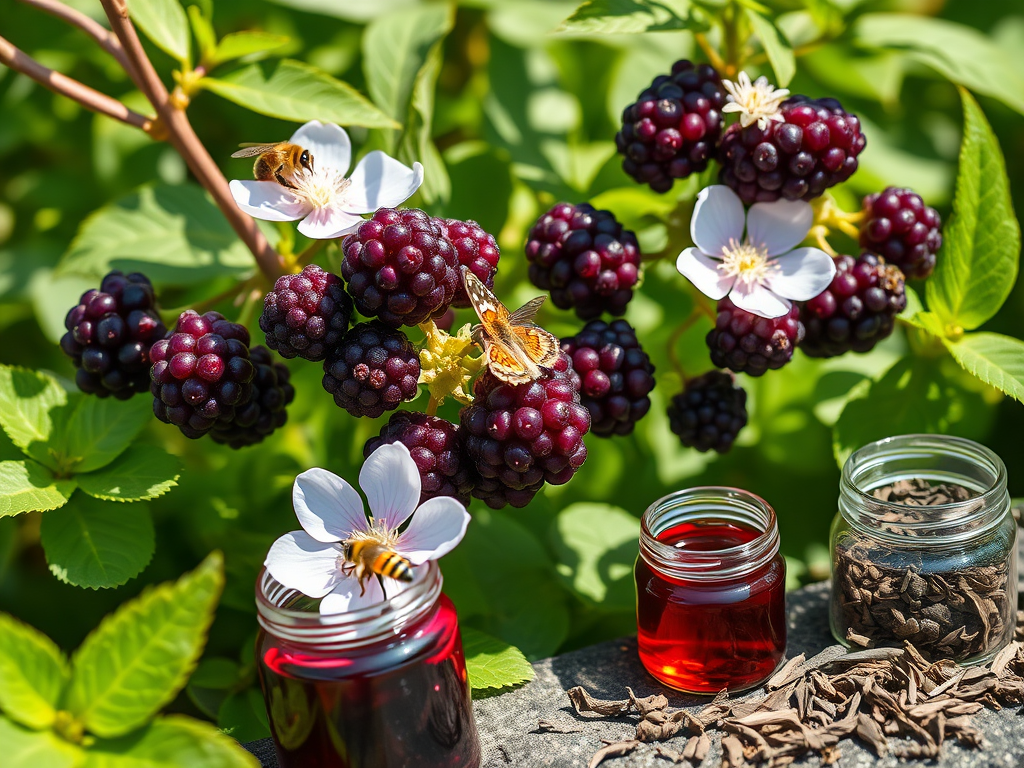
Jostaberry wasn’t discovered in the wild—it was intentionally bred:
How: Through complex hybridization of blackcurrant (Ribes nigrum), European gooseberry (Ribes uva-crispa), and North American coastal gooseberry (Ribes divaricatum), Jostaberry is a fascinating fruit with a rich backstory and a health profile that mirrors several medicinal herbs
Who: Dr. Rudolph Bauer at the Max Planck Institute in Cologne, Germany
When: Developed in the 1950s, officially released to the public in 1977
Original Purpose
The goal was to create a thornless, disease-resistant berry that combined the best traits of its parents:
Flavor: A sweet-tart blend of gooseberry and blackcurrant
Hardiness: Resistant to mildew, rust, and pests
Utility: Ideal for jams, jellies, juices, and fresh eating
Medicinal potential: Used in traditional remedies for inflammation, digestion, and immune support
Over time, its uses have expanded in ways that weren’t originally anticipated:
New and Emerging Purposes
Permaculture Powerhouse: Jostaberry has become a favorite in permaculture gardens, not just for its fruit but for its ecological role. It attracts pollinators, supports biodiversity, and provides habitat for beneficial insects.
Natural Pest Control: Its dense foliage and resilience make it useful as a companion plant in garden guilds, helping deter pests and reduce disease pressure on nearby crops.
Medicinal Leaf Use: While the berries were the original focus, leaves have gained attention for their anti-inflammatory properties, used in herbal teas and topical applications.
Anti-fungal and Antibacterial Research: Recent studies show Jostaberry juice and extracts may inhibit fungal growth and bacterial strains like E. coli, hinting at future applications in natural medicine or food preservation.
Wildlife Habitat Creation: Its bushy growth and seasonal blooms make it a valuable habitat plant for birds and small mammals, especially in rewilding and conservation efforts.
Fermentation & Craft Beverages: Beyond jams and pies, Jostaberries are now used in cordials, fruit wines, and even kombucha blends, thanks to their complex flavor and acidity.
Soil Regeneration: In some permaculture circles, it’s being explored as a soil-enhancing shrub, especially when planted alongside nitrogen-fixers like comfrey.
It’s a great example of how a plant bred for convenience and flavor can evolve into a multi-functional asset in sustainable living, herbalism, and ecological design.
Comparable Herb: Blackcurrant (Ribes nigrum)
Jostaberry shares many benefits with blackcurrant, one of its parent species:
High in vitamin C: Supports immune health and collagen production
Rich in anthocyanins and quercetin: Offers antioxidant and anti-inflammatory effects
Supports cardiovascular health: Helps regulate blood pressure and improve circulation
Aids in digestion: Thanks to its fiber content
May help with eye health and aging: Due to its antioxidant load
These properties are also found in herbs like elderberry, bilberry, and hawthorn, which are traditionally used for immune support, heart health, and inflammation.It’s a botanical success story—born from scientific curiosity and cultivated for both taste and wellness.
Jostaberries are surprisingly nutrient-dense for such a modest fruit. While exact vitamin counts can vary slightly depending on soil and ripeness, here’s a breakdown of the key vitamins they offer:
🍇 Vitamin Profile of Jostaberries
Vitamins are like the backstage crew of your body’s daily performance—quietly essential, always working to keep things running smoothly. Here’s a breakdown of their key benefits grouped by type:
Boosts immune function and helps fight infections
Promotes collagen production for skin elasticity and wound healing
Acts as a powerful antioxidant, reducing oxidative stress and inflammation
Supports cardiovascular health by improving circulation and lowering blood pressure
Vitamin K:
Essential for blood clotting and bone metabolism
May help reduce the risk of osteoporosis
B Vitamins (especially B6 and B9):
Aid in energy metabolism and red blood cell formation
Support brain function and mood regulation
🌿 Additional Nutritional Highlights
Antioxidants: Rich in anthocyanins and quercetin, which may help prevent cellular damage, reduce inflammation, and even support anti-cancer activity
Fiber: Promotes digestive health and helps regulate blood sugar levels
Minerals: Contains potassium, manganese, and iron—important for muscle function, bone health, and preventing anemia
✨ Skin & Metabolism Perks
The vitamin C and antioxidants in Jostaberries support radiant skin, collagen production, and may reduce signs of aging
Their nutrient profile also supports metabolic health, making them a smart choice for weight management and energy balance
🧠 Bonus Benefits
Energy & Metabolism: B vitamins are key players in converting food into fuel.
Healthy Aging: Antioxidants like vitamins C and E help reduce cellular damage.
Mood & Brain Function: B6, B12, and folate support mental clarity and emotional balance.
Jostaberries:
are often compared to blackcurrants in terms of vitamin richness, especially for their vitamin C content, which can rival or exceed that of oranges
(According to Health Benefits, Jostaberry is actually a vigorous, multi branched, small, eglandular, deciduous shrub, growing up to 1 m high but can also reach 2 m. Plant prefers full sun but will also grow in partial shade. It can also survive in very cold sub-zero winters.)
Their tart-sweet flavor and rich vitamin C content make them perfect for both indulgent and health-conscious dishes.
Sweet & Comforting
- Jostaberry Jam: Classic and vibrant—pair with lemon juice and pectin for a tangy spread that’s rich in antioxidants.
- Jostaberry Pie: Mix with cinnamon and cornstarch for a luscious filling inside a flaky crust. Serve with whipped cream or a scoop of vanilla ice cream.
- Jostaberry Muffins: Fold into a light batter with brown sugar and a hint of orange zest for a breakfast treat or afternoon snack.
- Jostaberry Crisp: Combine with oats, butter, and spices for a warm, crunchy dessert that’s easy to make and hard to resist.
🍹 Refreshing & Nutrient-Packed
- Jostaberry Smoothie: Blend with banana, Greek yogurt, and orange juice for a vitamin-rich breakfast or post-workout boost.
- Jostaberry Sauce: Simmer with sugar and lemon juice to create a versatile topping for pancakes, cheesecake, or grilled fruit.
🥗 Savory & Unexpected
- Jostaberry Glaze for Meats: Reduce with red wine, balsamic vinegar, and shallots for a bold sauce that pairs beautifully with duck, pork, or venison.
- Jostaberry Salad: Toss fresh berries with mixed greens, walnuts, and a light vinaigrette for a refreshing side dish.
🌿 Cultural Twist Ideas
- Infuse Jostaberry leaves into herbal teas for a subtle earthy note—perfect for mindfulness rituals.
- Create a Jostaberry chutney with ginger and spices to accompany Indian or Middle Eastern dishes.
🥧 Jostaberry Pie: A Tart-Sweet Tribute to Wellness
Bright, bold, and brimming with Vitamin C—this pie is more than dessert; it’s a homage to nature’s hybrid berry and its hidden health gems. Whether you’re sharing a slice over tea or showcasing it at a harvest celebration, this recipe invites nourishment and nostalgia in one bite.
🍇 Why Jostaberries?
- Packed with Vitamin C for immune support and collagen production
- A natural source of Vitamin B6 for mood and brain function
- Rich in antioxidants and fiber, promoting gut health and youthful skin
- A fusion of black currant and gooseberry traditions—uniting tartness with vitality
🧺 Ingredients
- 2 cups fresh jostaberries (rinsed and stemmed)
- 1 cup granulated sugar
- 1 tablespoon cornstarch
- 1 teaspoon ground cinnamon
- 1 tablespoon butter (cut into pieces)
- 1 pie crust (store-bought or homemade)
- Optional: egg wash (1 egg + 1 tbsp water)
🔪 Instructions
- Preheat oven to 425°F (220°C).
- In a bowl, toss berries with sugar, cornstarch, and cinnamon until coated.
- Line a 9-inch pie dish with crust. Add berry mix. Dot with butter.
- Top with crust, seal edges, and slit for steam. Brush with egg wash.
- Bake for 35–40 minutes until golden and bubbling.
- Cool for 1 hour before slicing—patience is delicious.
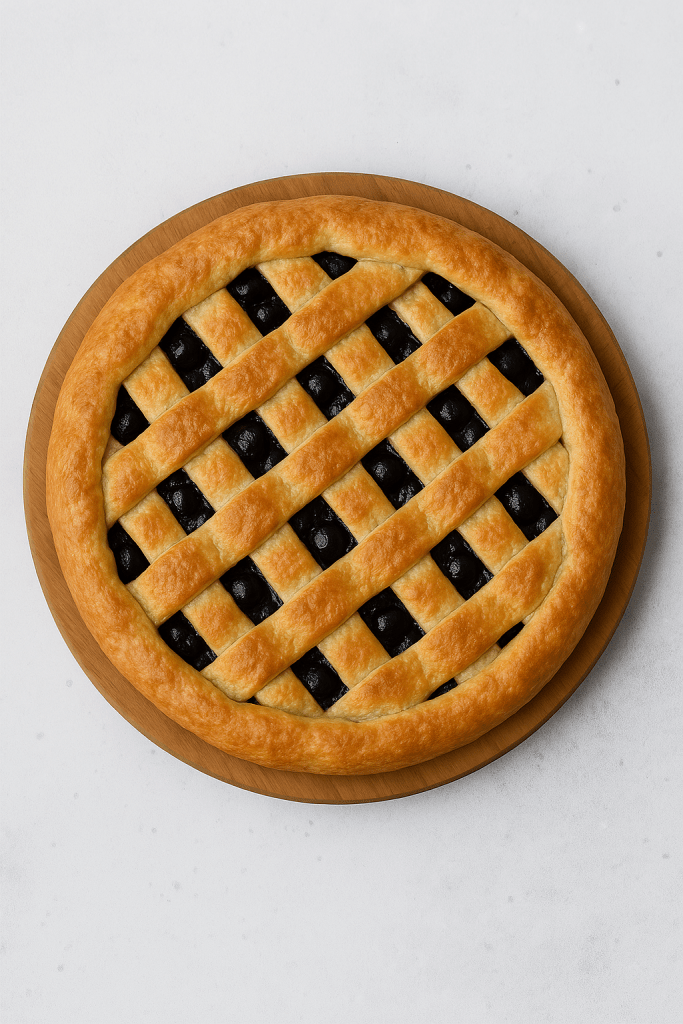
✨ Nutritional Note
This pie supports immunity, digestion, and skin health—all through the simple joy of baking with purpose. It’s proof that desserts can be delightful and deeply nourishing.
🌿 Serving Rituals
Top with vanilla ice cream for a comforting contrast
Serve during seasonal festivals as a symbol of fruit revival and earth healing
Pair with a warm Jostaberry leaf tea to honor Indigenous uses of the plant
Jostaberries are a resilient and rewarding fruit, but like any plant, they benefit from a few thoughtful precautions to ensure a healthy harvest.
🌿 Growing Precautions
- Frost Protection: In colder regions, cover early spring flowers with fleece to prevent frost damage.
- Spacing: Plant shrubs 4–6 feet apart to allow airflow and reduce disease risk.
- Soil Prep: Use organically rich, well-draining soil with a pH between 5.5 and 7.0. Avoid waterlogged areas.
🐛 Pest & Disease Management
- Birds: Use netting or reflective tape to deter birds from eating ripe berries.
- Aphids & Cane Borers: Spray with neem oil or prune affected canes to prevent spread.
- Powdery Mildew & Leaf Spot: Apply appropriate fungicides if symptoms appear.
- White Pine Blister Rust: Though jostaberries are resistant, check local planting restrictions due to Ribes species regulations.
✂️ Maintenance Tips
- Pruning: In late winter, remove old or damaged stems to encourage new growth and improve air circulation.
- Mulching: Apply compost or wood chips around the base, keeping mulch away from the crown to prevent rot.
🍇 Harvesting & Handling
- Ripeness: Pick berries when they turn dark reddish-black, usually in late July or early August.
- Freezing: Jostaberries freeze well—ideal for preserving your harvest.
Jostaberries are generally safe and nutritious, but a few groups should exercise caution or avoid them altogether:
⚠️ People Who Should Be Cautious
- Individuals with berry allergies: Though rare, some people may react to Ribes species (like black currants or gooseberries). Symptoms can include itching, swelling, or digestive upset.
- Those with diabetes: Jostaberries contain natural sugars that may affect blood glucose levels. Moderation is key, and pairing them with protein or fiber can help reduce spikes.
- People prone to digestive issues: Unripe jostaberries can cause stomach discomfort due to their acidity and firmness. Always consume fully ripe berries.
- Anyone on blood-thinning medication: The high vitamin C and antioxidant content may interact with certain medications. It’s best to consult a healthcare provider.
🚫 Parts to Avoid
- Unripe berries: These can be hard and acidic, potentially leading to digestive discomfort.
- Stems and leaves (unless properly prepared): While leaves can be used in herbal teas, stems are not edible and may contain compounds that aren’t safe for consumption.
🌟 Final Bite
From its rich antioxidant profile to its tart-sweet layers of flavor, Jostaberry Pie is more than just a recipe—it’s a reminder that nourishment and nostalgia go hand-in-hand. Whether enjoyed during seasonal rituals or shared at the family table, this dessert honors the resilience of hybrid fruits and the beauty of mindful indulgence.
Bake it. Share it. Celebrate it. Because wellness can be delicious—and every slice tells a story worth savoring.
 EJADA
EJADA 
Leave a comment