🌿 Jua, (Ziziphus joazeiro) dates back to pre-colonial Indigenous communities in northeastern Brazil, particularly within the Caatinga biome. While exact dates are elusive due to oral traditions and limited written records, ethnobotanical studies suggest that:
- 🌿 Indigenous tribes like the Tupi and Cariri used Jua bark and leaves in ritual cleansing, oral care, and fever remedies long before European contact.
- 🪶 Portuguese explorers in the 16th century recorded local use of Jua in treating mouth sores and skin conditions, often in combination with herbs like boldo and guaco.
- 📜 Colonial-era herbal manuscripts from the 18th century mention Jua as a “native astringent” used in infusions and poultices, especially for dental hygiene and inflammatory ailments.
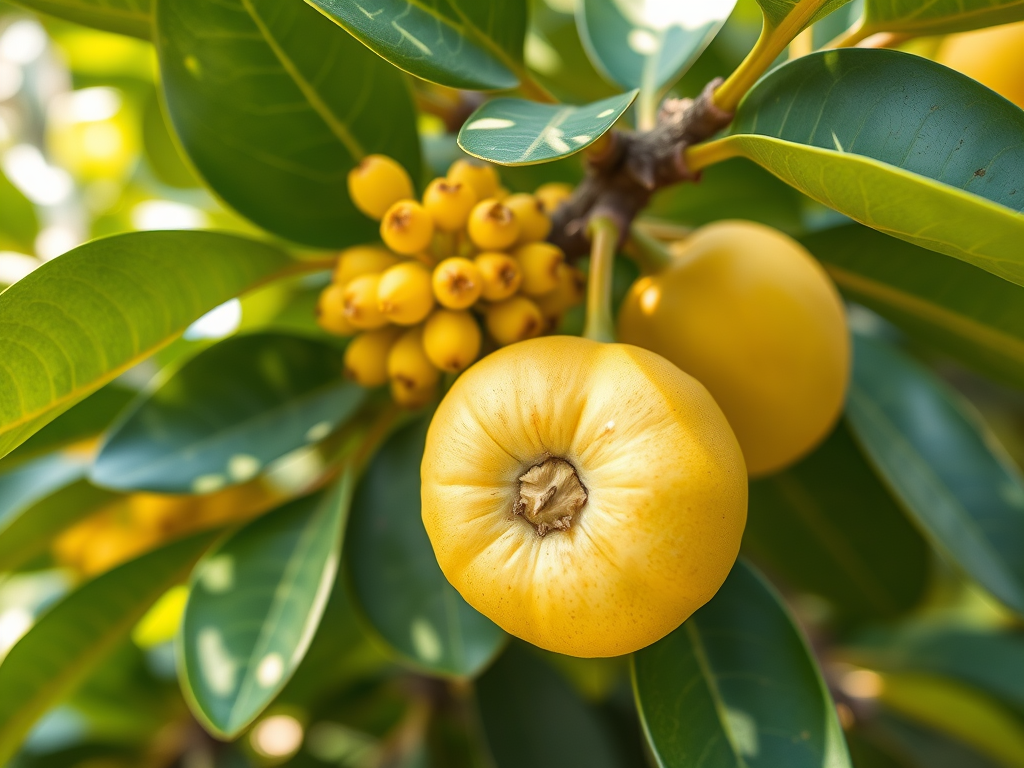
🍈 Jua fruit (Ziziphus joazeiro) is a small, round fruit that resembles a miniature jujube or pitomba. Here’s a visual breakdown of its appearance:
🌿 Physical Characteristics
- Shape: Typically round to slightly ovoid, about 1 inch (2.5 cm) in diameter
- Skin: Thin and yellowish, often with a light brown tinge as it ripens
- Pulp: White and soft, with a mildly sweet flavor
- Seed: Usually contains a single hard seed at the center
🌳 Tree Profile
Produces yellow flowers before fruitingIts use was deeply tied to seasonal cycles, spiritual practices, and community healing rituals, making it not just a medicinal plant but a cultural cornerstone.
Grows as an evergreen tree, reaching 15–45 feet tall
Leaves are waxy with three prominent lateral veins
🍊 Traditional Uses
Jua has been used for centuries in folk medicine and Indigenous healing practices. Its leaves, bark, fruit, and roots are all medicinally active:
- Fruit: Consumed fresh for its nutritional value and immune support.
- Leaves & Bark: Used in decoctions to treat gingivitis, dandruff, and digestive issues
- Root: Brewed into teas to relieve fever, urinary tract issues, and sexual organ ailments.
🌿 Herbal Pairings
Jua has been traditionally paired with herbs in alternative medicine, especially in tea infusions:
- Juá tea combines the bark and leaves with other herbs to enhance its anti-inflammatory, astringent, and expectorant effects.
- It’s often used alongside sanitizing herbs to treat oral infections, skin sores, and respiratory conditions4.
🧪 Active Compounds
Jua contains a rich blend of bioactive ingredients:
- Saponins (cleansing and antimicrobial)
- Betulinic acid and oleamolic acid (anti-inflammatory)
- Mineral salts, cellulose, and carbohydrates for nutritional support.
benefits of each major bioactive ingredient found in Jua (Ziziphus joazeiro) and how they synergize in healing and nourishment:
🌱 Saponins
- Function: Natural cleansers and immune modulators.
- Health Benefits:
- Exhibit antimicrobial and antifungal properties, making them effective against skin infections and oral bacteria.
- Support cholesterol regulation by binding to bile acids and aiding their excretion.
- Enhance nutrient absorption by improving gut permeability.
🧪 Betulinic Acid
- Function: A triterpenoid compound with anti-inflammatory and anticancer potential.
- Health Benefits:
- Shows antitumor activity, particularly against melanoma and certain brain cancers.
- Acts as a pain reliever and immune enhancer.
- May help protect liver health through antioxidant pathways.
🍃 Oleanolic Acid
- Function: Antioxidant and hepatoprotective agent.
- Health Benefits:
- Supports liver detoxification and regeneration.
- Helps combat viral infections, including hepatitis and herpes.
- Protects against oxidative stress and inflammatory conditions, especially in joints.
🧂 Mineral Salts (like potassium, calcium, magnesium)
- Function: Electrolyte balance and cellular function.
- Health Benefits:
- Enhance hydration and nerve transmission.
- Support bone health and muscle function.
- Aid in maintaining heart rhythm and blood pressure stability.
🌾 Cellulose
- Function: Dietary fiber.
- Health Benefits:
- Promotes digestive regularity and gut microbiome health.
- Aids in detoxification by facilitating waste elimination.
- Supports weight management through satiety regulation.
🍬 Carbohydrates (naturally occurring sugars)
- Function: Energy provision.
- Health Benefits:
- Serve as a quick energy source, especially in nutrient-deficient conditions.
- Aid in restoring electrolyte balance when combined with mineral salts.
- Provide sustained vitality during recovery from illness.
🌿 Ancient Wisdom, Modern Boundaries: The Tale of Jua
✨ Revered in Tradition
Jua, the Brazilian fruit from Ziziphus joazeiro, has long been a cornerstone of Indigenous healing:
- Used in oral hygiene rituals, respiratory remedies, and skin treatments
- Often paired with herbs like guaco, jatobá bark, or boldo to amplify its effects
⚠️ Reassessed by Science
Modern phytochemical analysis uncovers powerful constituents—saponins, betulinic acid, oleanolic acid—each with potent physiological effects:
- 🌪 Cleansing and detoxifying
- 🔥 Anti-inflammatory and immune modulating
- 🧠 Potential neurochemical impact and drug interactions
🔍 Boundary of Caution
Ancient efficacy doesn’t guarantee universal safety. Today’s understanding calls for careful boundaries:
| Group | Reason for Caution |
|---|---|
| Children <12 | Sensitive to saponin toxicity |
| Pregnant/Breastfeeding | Risk of uterine stimulation or infant exposure |
| Drug Users | Interactions with diuretics, BP meds |
| Neuro-sensitive Individuals | Possible neurochemical disruptions |
| Allergy-prone | Cross-reactivity with jujube family |
🧠 Insight: Just because something is natural doesn’t mean it’s safe for everyone. Ancient remedies carry cultural depth, but they must be reexamined under today’s lens of toxicology, pharmacology, and inclusivity.
🎯 Synergistic Impact:
These compounds don’t act alone—they interact synergistically to create a holistic healing profile. For example, the saponins cleanse the system, allowing betulinic and oleanolic acids to reduce inflammation and support tissue healing. Meanwhile, minerals and cellulose reinforce digestive and systemic balance, creating the groundwork for nutrient absorption and overall resilience.
⚠️ Cautions
Due to its potent saponin content, Jua is not recommended for children under 12, pregnant women, or those breastfeeding.
Jua (Ziziphus joazeiro) contains potent bioactive compounds—especially saponins—its use comes with important precautions.
⚠️ Who Should Avoid Jua
Here’s a breakdown of groups that should steer clear or consult a healthcare provider before consuming Jua in any form:
👶 Children under 12
- Their digestive and immune systems are still developing.
- Saponins may cause gastrointestinal irritation or toxicity in young bodies.
🤰 Pregnant Women
- Saponins can stimulate uterine activity, potentially increasing the risk of miscarriage or preterm labor.
- No conclusive safety data exists for fetal exposure.
🤱 Breastfeeding Mothers
- Active compounds may pass into breast milk.
- Could affect the infant’s gut flora or cause allergic reactions.
💊 People on Medication
- Especially those taking diuretics, blood pressure meds, or anti-inflammatory drugs.
- Jua’s compounds may interact or amplify effects, leading to unwanted side effects.
🧠 Individuals with Neurological Conditions
- Saponins and certain alkaloids may affect neurochemical balance, posing risks for those with epilepsy, Parkinson’s, or mood disorders.
🧪 Allergy-Prone Individuals
- Those sensitive to Rhamnaceae family plants (like jujube) may experience skin rashes, itching, or respiratory symptoms.
🌿 Wrapping Up: The Balanced Wisdom of Jua
Jua offers a compelling example of how Indigenous plant wisdom intersects with modern biomedical insight. Revered for generations in northeastern Brazil, this fruit and its tree have stood as symbols of healing, resilience, and ritual care. But as science continues to unpack its powerful saponins and triterpenoids, we’re reminded that even nature’s gifts come with boundaries.
Whether celebrated in oral traditions or analyzed in labs, Jua embodies the duality of ancient remedies—potent, profound, and worthy of mindful respect.
⚠️ Disclaimer: This article is intended for educational and informational purposes only. The content does not substitute for professional medical advice, diagnosis, or treatment. Always consult a qualified healthcare provider before using any herbal or botanical remedy—especially if you are pregnant, breastfeeding, under age 12, taking medication, or managing a health condition. The cultural practices and scientific data shared here are meant to deepen understanding, not promote self-treatment.
 EJADA
EJADA 
Leave a comment