
🍇 Johannisbeere is the German word for currant, specifically referring to red and black currants from the Ribes genus. The name literally means “John’s berry”, tied to the feast day of St. John the Baptist on June 24th, which is traditionally when the berries ripen.
🌿 Quick Facts:
Scientific name: Ribes rubrum (red currant), Ribes nigrum (black currant)
Native to: Europe and parts of Asia
Cultivation history:
Red currants have been cultivated since the 15th century in Europe
Black currants were planted in gardens as early as the 16th century
Johannisbeere (currant) is a berry-type fruit from the Ribes genus, known for growing in clusters called racemes, similar to grapes. These berries are small, round, and come in several varieties:
🍇 Fruit Type & Botanical Classification
- Type: True berry (botanically speaking)
- Genus: Ribes
- Family: Grossulariaceae
- Growth habit: Deciduous shrub
- Fruit structure: Grows in strigs (drooping chains of berries)
🌈 Varieties
| Variety | Color | Flavor Profile | Common Use |
|---|---|---|---|
| Red Currant | Bright red | Tart, slightly sweet | Jams, jellies, desserts |
| Black Currant | Deep purple | Bold, earthy, tangy | Syrups, liqueurs, sauces |
| White Currant | Translucent | Mild, sweet | Fresh eating, garnishes |
| Pink Currant | Pale pink | Balanced tart-sweet | Specialty desserts |
These fruits are non-climacteric, meaning they don’t ripen after picking, and they’re rich in vitamin C, antioxidants, and natural pectin—making them ideal for preserves.
Discovery & Naming:
- While no single person is credited with “discovering” Johannisbeeren, they were likely known and used by Indigenous European communities long before formal cultivation.
- The name Johannisbeere reflects cultural tradition rather than scientific discovery—it honors St. John the Baptist, whose feast day aligns with the berry’s seasonal ripening.
🌿 Johannisbeere (Currant) in Medicinal Use: Then vs. Now
Johannisbeeren—especially Ribes nigrum (black currant)—have evolved from folk remedies to scientifically validated healing agents. Here’s a breakdown of their earliest known uses and how they’re applied today:
🕰️ Earliest Medicinal Use (15th–17th Century Europe)
Anti-inflammatory for Gout & Rheumatism: Nicknamed Gichtbeere (“gout berry”), black currants were steeped in teas or poultices to relieve joint pain.
Diuretic & Detoxifier: Leaves were brewed to flush the kidneys and urinary tract, especially for mild infections and kidney stones.
Skin Conditions: Used topically for eczema and rashes; the leaves contain tannins and flavonoids with antimicrobial properties.
Vitamin C Source: Before citrus fruits were common, currants helped prevent scurvy and supported immune health.
Respiratory Support: Folk medicine used the berries and juice for sore throats, coughs, and even pneumonia.
Modern Medicinal Applications
Urinary Tract Support: Leaf infusions are still used in herbal medicine to treat mild UTIs and support kidney health
Anti-inflammatory & Antioxidant: Rich in anthocyanins and gamma-linolenic acid (GLA), black currants reduce inflammation and oxidative stress—beneficial for arthritis, cardiovascular health, and neurodermatitis2.
Immune Boosting: High vitamin C content supports white blood cell function and resistance to infections.
Eye & Skin Health: Lutein, zeaxanthin, and vitamin C promote collagen production and protect against UV damage.
Blood Pressure & Cholesterol: Modern studies show currants help regulate blood lipids and improve circulation.
Neurodermatitis Treatment: Currant seed oil is now used as a supplement for skin conditions due to its GLA content.
Johannisbeeren—whether red (Ribes rubrum) or black (Ribes nigrum)—have long been cherished in European herbalism and cuisine. Their tart flavor and potent nutrients make them both a healing remedy and a culinary delight.
🍽️ Johannisbeere (Currant) Culinary Traditions: Then vs. Now
Johannisbeeren have journeyed from rustic folk kitchens to refined modern gastronomy. Their tart complexity and vibrant color have made them a staple in both traditional European dishes and contemporary creations.
🕰️ Traditional Culinary Uses
Summer Rituals: Red currants were harvested around St. John’s Day (June 24th), marking seasonal celebrations in Germany and Austria.
Preserves & Jellies: Currants were prized for their natural pectin, making them ideal for jams and jellies—often stored for winter.
Game Sauces: Their tartness balanced rich meats like venison, duck, and goose in classic German and French cuisine.
Tarts & Cakes: Used in Linzer Torte and other rustic desserts, often paired with custard or meringue.
Fermented Drinks: Black currants were used to make Cassis liqueur and medicinal syrups.
Medicinal Confections: Currant-based sweets were sometimes used as tonics or remedies, especially in monastic kitchens.
🧁 Modern Culinary Applications
Gourmet Desserts: Currants now appear in mousse cakes, gelatos, and plated desserts at upscale restaurants.
Fusion Cuisine: Chefs blend currants into chutneys, glazes, and reductions for global dishes—from lamb tagines to tofu stir-fries.
Craft Beverages: Black currants are used in kombucha, botanical sodas, and artisanal cocktails.
Health-Conscious Recipes: Currants are added to smoothies, granola bars, and antioxidant-rich bowls.
Minimalist Jams: Home cooks favor simple recipes—like currant jam with just sugar and berries—highlighting purity and flavor.
Visual Garnishes: Their jewel-like appearance makes them popular in food styling for magazines and social media.
Johannisbeere (Red Currant) Jam recipe that honors tradition while keeping things simple and vibrant:
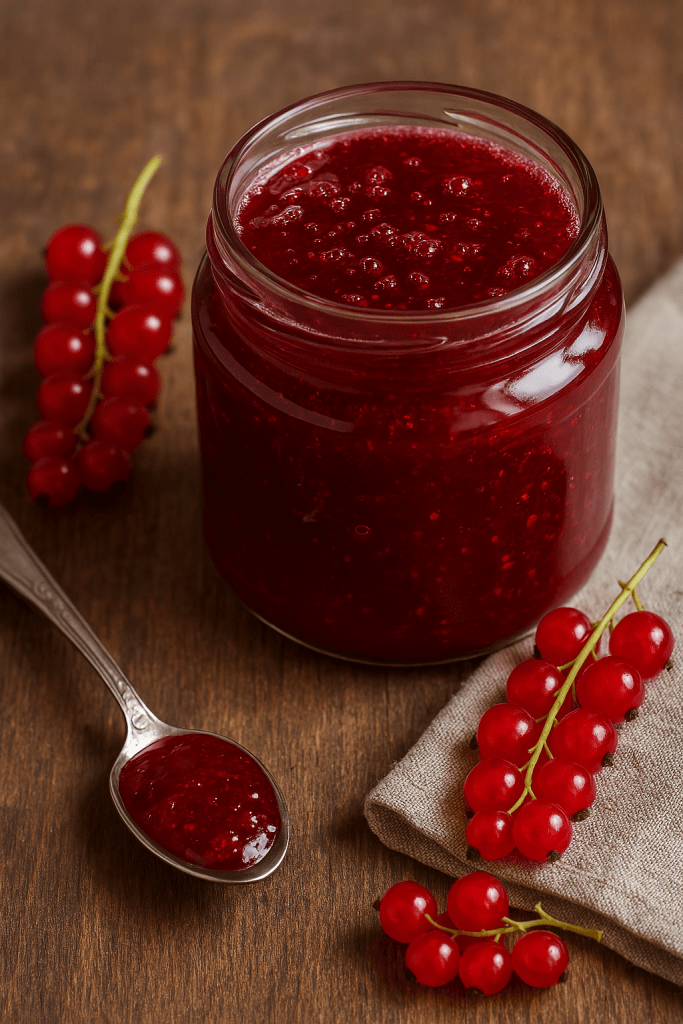
🍓 Traditional Johannisbeere Jam
Simple and perfect recipe for homemade red currant jam. Requiring only these 3 ingredients: fruit, sugar and pectin. These three ingredients will guarantee your summer fruit will be locked safely in small jars for you to enjoy any time of the year.
When it comes to Johannisbeeren (currants), safety and precautions span both culinary use and gardening practices.
🧪 Consumption Precautions
- Allergies: Though rare, some individuals may react to Ribes species. Watch for skin irritation or digestive discomfort.
- Oxalates: Currants contain oxalates, which in excess may contribute to kidney stone formation—especially in sensitive individuals.
- Pesticide Residue: If not organically grown, currants may carry chemical residues. Always wash thoroughly or opt for organic sources.
- Unripe Berries: Avoid consuming underripe currants—they’re overly acidic and may cause stomach upset.
🌿 Gardening & Handling Safety
- Protective Gloves: When pruning or harvesting, wear gloves to avoid scratches from woody stems and potential contact dermatitis.
- Fungal Risks: Currants are susceptible to diseases like powdery mildew and leaf spot. Avoid overhead watering and ensure good air circulation.
- Toxic Lookalikes: While rare, some wild berries resemble currants but are toxic. Always verify species before foraging.
- Proper Disposal: Diseased leaves or fruit should be discarded—not composted—to prevent fungal spread.
🧼 Kitchen Hygiene
Stem Removal: Use a fork to strip berries from stems gently—reduces bruising and contamination.
Storage: Refrigerate immediately. Currants spoil quickly at room temperature and can harbor mold.
Preserving Safely: When making jam or syrup, ensure jars are sterilized and sealed properly to avoid botulism risk.
Who Should Avoid Johannisbeeren (Currants)?
While Johannisbeeren are nutrient-rich and widely celebrated, certain individuals should exercise caution or avoid them altogether due to health sensitivities or interactions:
🚫 Groups That Should Be Cautious or Avoid Currants
People with Kidney Issues Currants contain oxalates, which may contribute to kidney stone formation in sensitive individuals.
Those with Berry Allergies Rare but possible—some may experience skin rashes, itching, or digestive upset due to sensitivity to Ribes species.
Individuals on Blood Thinners Currants are high in vitamin K, which can interfere with medications like warfarin. Consult a healthcare provider before regular consumption.
Pregnant or Breastfeeding Individuals (in medicinal doses) While culinary use is generally safe, black currant seed oil or extracts should be avoided unless approved by a healthcare professional.
Children under 1 year (for syrups or fermented products) Due to botulism risk in homemade syrups or improperly preserved jams, infants should not consume these products.
People with Autoimmune Conditions (if using black currant oil) GLA (gamma-linolenic acid) in black currant oil may stimulate immune activity, which could be problematic for autoimmune disorders.
🌱 Wrap-Up: Grow with Care, Savor with Joy
Johannisbeeren offer a beautiful blend of tradition, healing, and vibrant flavor—but like any botanical treasure, they flourish best with respectful cultivation and mindful use.
🧤 Careful Gardening Tips
- Choose Disease-Resistant Varieties: Especially in humid regions, select cultivars bred to resist powdery mildew.
- Prune Smartly: Remove older branches to boost air flow and fruit quality.
- Mulch & Moisture: Add organic mulch to retain water and prevent weeds, but avoid soggy soil.
- Harvest Gently: Pick in the morning when berries are cool and firm, using a fork or gentle fingers.
🛡️ Safe Enjoyment
- Wash Before Eating: Even organic berries may carry dust or spores.
- Avoid Overindulgence: Their tartness is powerful—delicious but best enjoyed in moderation.
- Consult If Needed: If you’re managing kidney conditions, blood pressure medications, or autoimmune concerns, talk to a healthcare provider before diving into daily currant rituals.
🍇 From Garden to Table
Whether you’re crafting jams, brewing syrups, or adorning pastries, Johannisbeeren connect you to seasonal rhythms and cultural roots. With care, they become more than fruit—they’re a symbol of knowledge, healing, and shared heritage.
 EJADA
EJADA 
Leave a comment