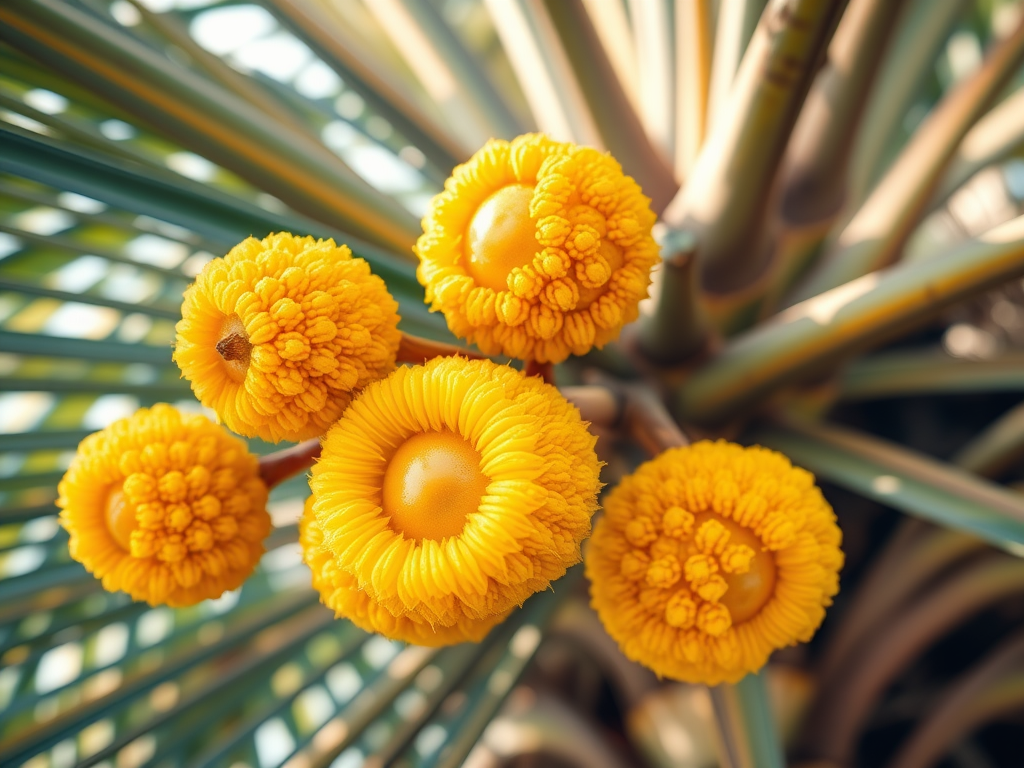
🍑 Jelly palm fruit, also known as pindo palm fruit or Butia capitata, is a tropical treat with a fascinating backstory and a flavor profile that’s anything but ordinary.
Grows on the jelly palm tree, native to South America (especially Brazil, Uruguay, and Argentina)
The fruit is small, round, and golden-yellow to orange, and has a fibrous texture with a large central seed
🌿 Botanical Identity
Scientific name: Butia capitata (sometimes referred to as Butia odorata)
Family: Arecaceae (the palm family)
Tree type: A compact, evergreen palm with feathered blue-green fronds
Height: Typically 4.5 to 6 meters (15–20 feet)
Fruit clusters: Large, cascading bunches of small, round fruits
🍑 Fruit Characteristics
Size: 1–3 cm in diameter
Color: Golden yellow to orange, sometimes blushed with red
Texture: Succulent and chewy with fibrous pulp
Seed: Large, black, and inedible when ra
🍍 Flavor & Texture
Sweet-tart taste with hints of pineapple, apricot, banana, and coconut
Juicy but fibrous—many people chew the pulp and spit out the fibers
A tropical blend of pineapple, apricot, banana, and coconut
Sweet-tart with a subtly nutty undertone
Often chewed for juice, with fibers discarded
🍷 Culinary Uses
Jelly: High in natural pectin, making it ideal for preserves (though extra pectin may be needed)
Wine: Fermented into a cloudy, tropical wine in some regions
Syrups & Sauces: Used in desserts, poultry glazes, and even cocktails
Seeds: Contain ~45% oil, sometimes used for margarine or roasted like coffee beans
🧠 Nutritional Highlights
Rich in beta-carotene (provitamin A) and vitamin C
Offers fiber for digestion and antioxidants for immune support
Rich in beta-carotene (vitamin A precursor)
Contains vitamin C and dietary fiber
Seeds have ~45% oil, used in margarine or roasted like coffee beans
Traditionally used in Ayurvedic medicine for digestion and inflammation in some cultures
🌿 Ayurvedic Applications of Jelly Palm Fruit
Digestive Aid: Used to treat indigestion, bloating, and stomachaches, often consumed as pulp or syrup. Its fibrous nature and mild sweetness help regulate digestion without aggravating pitta.
Fever Reduction: The fruit’s cooling properties made it a natural remedy for fevers and heat-related fatigue, especially in hot climates.
Skin & Wound Care: Applied topically or consumed to help with skin conditions, wounds, and inflammation. Its antioxidant content supports tissue repair.
Anti-inflammatory Use: Believed to reduce internal inflammation, especially in the gut and joints, aligning with its cooling and soothing qualities.
Hydration & Cooling: In Ayurvedic diets, it was favored during summer months to balance excess heat and maintain hydration
🔬 Modern Proven Benefits (Scientific Validation)
Contemporary research and nutritional profiling now confirm many of those traditional claims:
| Traditional Use | Modern Benefit |
|---|---|
| Cooling & hydration | High water content (up to 77g per fruit) helps with hydration and heat regulation |
| Digestive aid | Rich in dietary fiber, it acts as a mild laxative and supports gut health |
| Fever & immunity support | Contains vitamin C, boosting immune function and reducing inflammation |
| Skin & wound care | High in vitamin A & antioxidants, promoting skin repair and reducing blemishes |
| Anti-inflammatory | Antioxidants combat oxidative stress, lowering risk of chronic inflammation |
🍍 Bonus: Culinary & Nutritional Appeal
- Flavor: A tropical blend of pineapple, apricot, and coconut
- Uses: Jams, jellies, wine, syrups, and even roasted seeds (which contain ~45% oil)
- Micronutrients: Includes potassium, magnesium, niacin, and thiamin
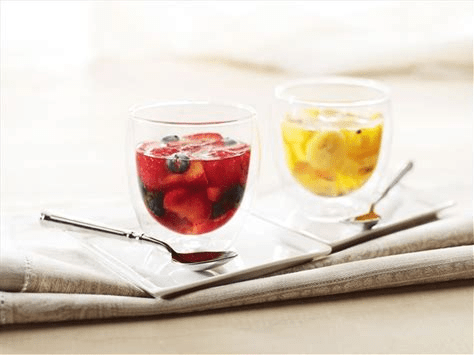
Healthy Berry Fruit Jelly Recipe
Ingredients
- •2 cups No-Added-Sugar Apple And Blackcurrant Juice
- •3 teaspoons Powdered Gelatine
- •0.5 teaspoon Rosewater Essence
- •250 grams Strawberries
🌱 Growing & Harvesting
Hardy in USDA zones 8–11
Fruits ripen from summer to early winter
When ripe, they drop to the ground—making them easy to forage but a bit messy
The Jelly Palm fruit (Butia capitata, also known as Pindo palm fruit) is available in the U.S., but it’s not widely commercialized.
🌴 Where to Find Jelly Palm Fruit in the U.S.
Southern States: Especially in Florida, Texas, Georgia, and the Carolinas, where the trees are commonly grown in landscapes and gardens2
Local Foraging: Many fruits are harvested from wild or home garden trees, not large-scale farms
Nurseries & Garden Centers: You can buy jelly palm trees from places like Wanderlust Nursery, Sweetcanes.com, or The Nursery Outlet to grow your own
Farmers Markets: Occasionally sold as a novelty fruit in summer through early winter
Online Specialty Produce Vendors: Some sites list it seasonally, though availability is limited and often regional
🧊 Storage & Shelf Life
Can be frozen or made into jam for longer use
Highly perishable—best consumed fresh or refrigerated for 1–2 days
since jelly palm fruit isn’t widely commercialized, so safety info can be a bit scattered. While it’s generally considered safe and non-toxic for most people, there are a few groups who might want to proceed with caution:
⚠️ Groups That Should Use Caution with Jelly Palm Fruit
People with sensitive digestion The fruit is fibrous and can be tough to digest. Some individuals may experience bloating or stomach discomfort, especially if they consume the pulp without discarding the fibers.
Young children The large seed and fibrous texture pose a choking hazard. It’s best to serve the pulp mashed or strained.
Individuals with nut or seed allergies While not a common allergen, the seed oil (used in some margarine or roasted preparations) could trigger reactions in sensitive individuals. Always check ingredient labels if buying processed products.
Pets (especially dogs) Though not toxic, dogs that eat too much may experience vomiting or stomach pain. Best to keep the fruit out of reach.
People with compromised immunity or GI conditions Because the fruit is often foraged or sold fresh, it may carry microbial risks if not properly washed or stored. Those with weakened immune systems should opt for cooked or pasteurized forms like jam or syrup.
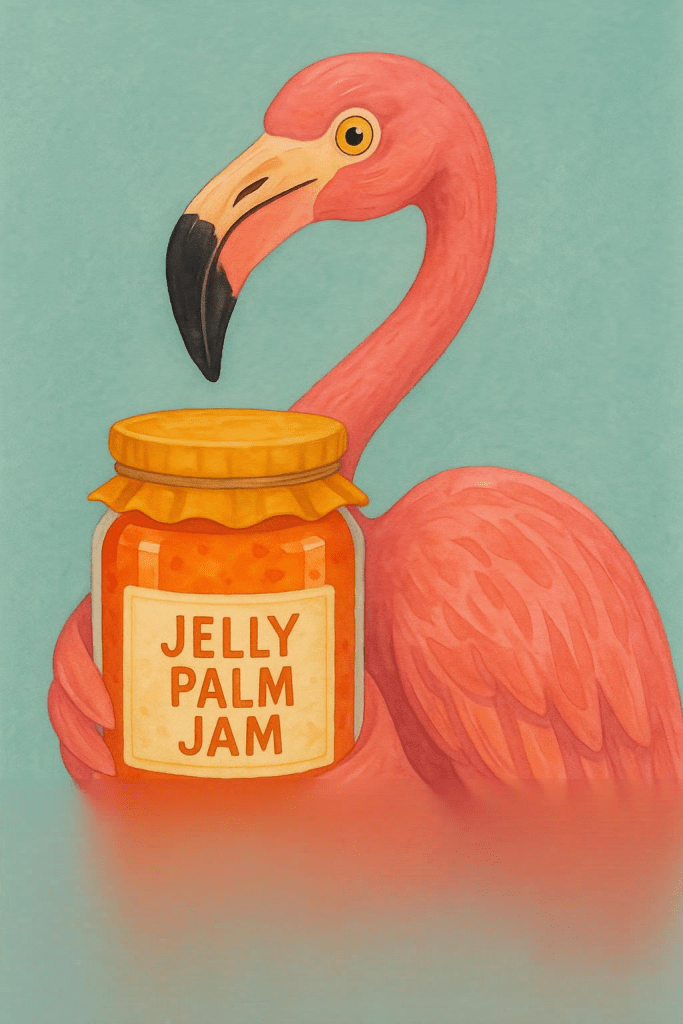
Jelly palm fruit—from ancient Ayurvedic coolers to tropical toast toppers.
“If flamingos ever organized a potluck, jelly palm jam would be their contribution—because obviously, nothing says tropical flair like a fruit that tastes like a piña colada wearing apricot sunglasses”.
 EJADA
EJADA 
Leave a comment