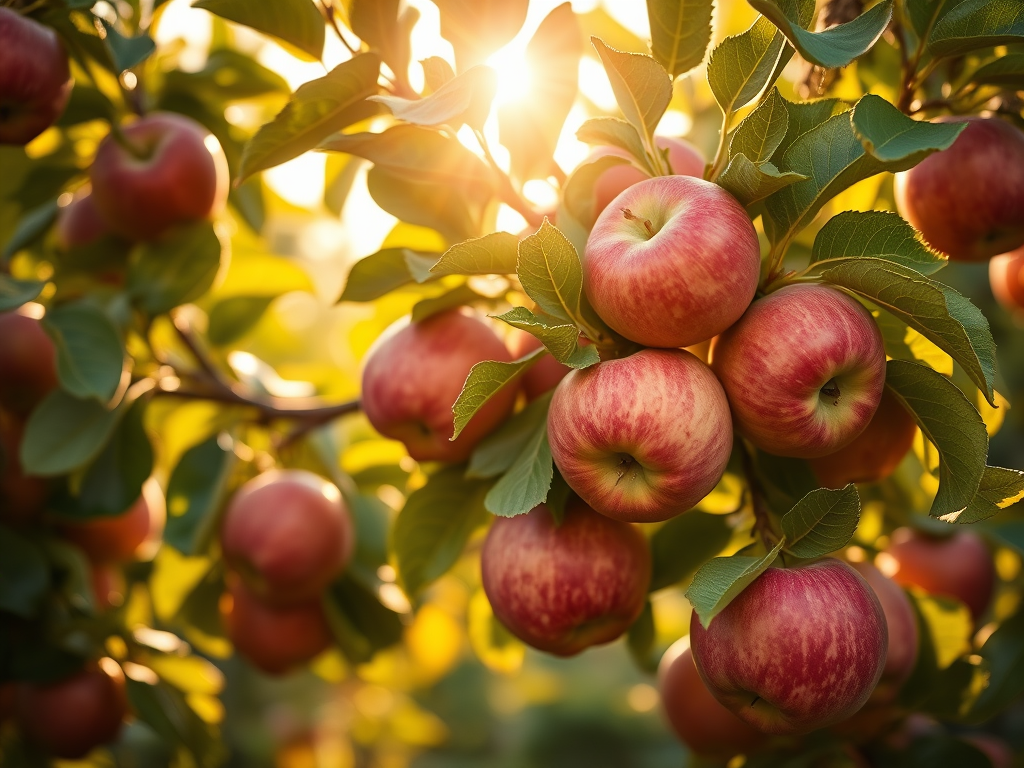
The Jonathan apple was first cultivated around 1826 in Woodstock, New York. It originated as a chance seedling on the farm of Philip Rick, and was later named by Judge Jesse Buel of the Albany Horticultural Society in honor of Jonathan Hasbrouck, who brought the apple to his attention2.
There’s also an earlier, less widely accepted origin story involving Rachel Negus Higley, who planted seeds from a Connecticut cider mill in Ohio in 1796, naming the resulting apple after a local boy named Jonathan3. But the 1826 Woodstock origin is the one most historians and horticulturists recognize.
🌿A Quiet Hero in the Orchard
In the symphony of fruit lore, the Jonathan apple doesn’t demand the spotlight—it earns it through humble resilience and timeless utility. Born from 19th-century American soil, this heirloom cultivar has whispered its influence across generations of kitchens, harvest festivals, and healing traditions.
What sets it apart isn’t just its balance of sweet and tart—it’s the story it carries. A pioneer’s apple, it thrived alongside chestnuts and elderberries, tucked into preserves and cider blends that stretched pantry shelves through winter. For many communities, especially in rural and Indigenous regions, Jonathan apples were the dependable ingredient when more exotic or seasonal fruits were out of reach. Yet, in this quiet dependability, they created bridges—subtly guiding taste and tradition toward lesser-known fruits like pawpaw, serviceberry, or persimmon.
Beyond flavor, they embody biodiversity stewardship. Hardy and adaptable, Jonathan trees often served as anchor crops in mixed orchards designed to preserve soil health and welcome pollinators—principles mirrored in permaculture and Indigenous land practices. Their presence ensured not just food, but the continued survival of neighboring, undervalued fruits.
Today, Jonathan apples may no longer headline grocery aisles, but their legacy pulses in the slow food movement, in heirloom seed exchanges, and in the rekindled recipes of natural living advocates. They are quiet, yes—but mighty in their heritage and hopeful in their partnerships.
🌍🌾 Rooted in Tradition: Jonathan Apples in North American Orchards
Jonathan apples were more than just a crop—they were a cornerstone of heritage orchards across the Northeast and Midwest. Their adaptability to cooler climates and moderate soil conditions made them a favorite among early American farmers, especially in states like New York, Michigan, and Illinois, where they became orchard staples by the late 19th century2.
These apples were often grown alongside other heirloom varieties in mixed orchards, a practice that supported biodiversity and mirrored Indigenous land stewardship. Their reliable yield and disease resistance made them ideal for small-scale, family-run farms, where they were harvested for both personal use and local trade.
🥧 Cultural Recipes & Culinary Legacy
Jonathan apples earned their place in the kitchen through their sweet-tart flavor and juicy texture, which made them perfect for:
- Apple pies and cobblers: Their flesh held up well in baking, offering a balance of acidity and sweetness that complemented warm spices like cinnamon and nutmeg.
- Cider and preserves: Their high juice content made them a go-to for homemade cider and apple butter, especially in autumn harvest rituals.
- Stuffings and roasts: In settler and Indigenous fusion cooking, Jonathan apples were used to add brightness to savory dishes like pork roasts and wild game.
- Festival fare: They were often featured in caramel apples, dumplings, and fritters during fall gatherings and harvest festivals2.
Their versatility meant they weren’t just a fruit—they were a seasonal symbol, woven into the rhythm of rural life and culinary storytelling.
Nutritional Profile: Nature’s Balanced Bite
| Nutrient | Amount (per medium apple) | Benefit |
|---|---|---|
| Vitamin C | ~8.4 mg | Boosts immunity, collagen production |
| Dietary Fiber | ~4.4 g | Aids digestion, regulates blood sugar |
| Potassium | ~195 mg | Supports heart health, fluid balance |
| Magnesium | ~9.1 mg | Calms nerves, supports muscle function |
| Calcium | ~10.9 mg | Strengthens bones and teeth |
| Vitamin A & E | Trace amounts | Maintains organ health, reduces inflammation |
| Anthocyanins | Found in red skin | Antioxidant protection, anti-aging effects |
🌿 Medicinal Echoes & Functional Uses
- Digestive Aid: Traditionally used in apple cider vinegar tonics and dried peel teas to soothe the gut.
- Anti-inflammatory: Polyphenols and flavonoids help reduce inflammation and oxidative stress.
- Heart Health: Soluble fiber and potassium contribute to lower cholesterol and blood pressure.
- Cancer Prevention: Antioxidants like quercetin and catechin may inhibit cancer cell growth2.
- Weight Management: Low in calories, high in fiber—ideal for satiety and metabolic balance.
🍏 Modern Applications
- Used in nutraceuticals and functional foods for immune and metabolic support.
- Incorporated into natural skincare for antioxidant-rich peel extracts.
- Studied for their role in the gut-brain axis, especially in fermented forms like cider vinegar3.
Jonathan Apples & Forgotten Fruit Pairings: A Culinary Bridge Across Cultures
In the kitchens of early North American settlers and Indigenous communities, Jonathan apples weren’t just eaten alone—they were culinary connectors, often paired with fruits that were abundant locally but overlooked in broader food systems.
🟠 Persimmons
- Indigenous tribes like the Cherokee and Lenape used native persimmons in puddings and dried fruit cakes. Jonathan apples, with their tart brightness, were added to balance the persimmons’ rich sweetness in baked crumbles and cider blends.
- Settler recipes evolved to include apple-persimmon chutneys, often spiced with cinnamon and clove, preserving both fruits for winter use.
🌕 Quince
- Quince, with its floral aroma and firm texture, was a staple in colonial preserves and pies. Jonathan apples were often layered with grated quince in apple-quince pies, creating a nuanced flavor and texture contrast.
- These pairings were common in fall harvest dishes, where apples softened quickly and quince held its shape, offering a rustic elegance.
🟤 Medlar
- Medlar, a fruit that must be bletted (softened post-harvest), was used in spiced jams and fermented tonics. Jonathan apples were added to medlar compotes to brighten the flavor and aid fermentation.
- In settler homesteads, apple-medlar butter was a prized spread, often served with cornbread or roasted meats.
These combinations weren’t just practical—they were expressions of seasonal wisdom, resourcefulness, and cultural exchange. Jonathan apples acted as a familiar anchor, making lesser-known fruits more approachable and palatable. Today, reviving these pairings can help reintroduce biodiversity to our plates and honor the culinary ingenuity of the past.
🌱 Ecological Significance & Biodiversity Bridges
Jonathan apples have long served as anchor crops in traditional mixed orchards, especially across the Northeast and Midwest. Their adaptability to temperate climates and moderate soil conditions made them ideal for intercropping with lesser-known fruits, herbs, and pollinator-friendly plants.
🌾 Preserving Heirloom Diversity
- As an heirloom cultivar, Jonathan apples helped maintain genetic diversity in orchards, resisting the monoculture trend that dominated commercial agriculture.
- Their genetics contributed to the development of new cultivars like Jonagold, Jonamac, and Idared, bridging old-world flavor with modern resilience2.
🐝 Pollinator Partnerships
- Jonathan trees bloom with fragrant white-pink flowers that attract native bees and beneficial insects, supporting pollination for nearby fruit trees like medlar, quince, and pawpaw.
- Their presence in permaculture-inspired orchards helped sustain pollinator corridors and seasonal nectar sources.
🌳 Companion Planting & Soil Health
- Often planted alongside nitrogen-fixing shrubs or deep-rooted trees, Jonathan apples contributed to soil regeneration and microbial diversity.
- Their moderate root spread and canopy size made them compatible with understory crops, such as elderberry or ground-growing herbs.
🌍 Climate Adaptability
- Jonathan apples thrive in USDA Zones 4–8, tolerating cold winters and warm summers. This adaptability allowed them to be grown in diverse ecosystems, from Michigan to Ontario to parts of Europe and Oceania.
- Their resilience to moderate drought and urban pollution made them suitable for community orchards and regenerative agriculture projects.
Genetic Legacy & Hybrid Innovation
Jonathan apples are descendants of the Esopus Spitzenburg, a richly flavored heirloom variety, and have themselves become prolific parent stock in apple breeding programs. Their genetic traits—balanced acidity, aromatic complexity, and adaptability—make them ideal candidates for hybridization.
🍎 Key Hybrids Derived from Jonathan
Jonathan has directly contributed to the creation of:
- Jonagold (Jonathan × Golden Delicious): Known for its honeyed sweetness and crisp texture.
- Jonamac (Jonathan × McIntosh): A fragrant, early-season apple with soft flesh.
- Idared (Jonathan × Wagener): A tart, long-storing variety used in baking and cider.
- Jonafree: A scab-resistant cultivar bred for organic orchards.
These hybrids carry forward Jonathan’s flavor profile and resilience, while integrating disease resistance and extended shelf life—traits crucial for sustainable agriculture.
🌾 Reviving Ancestral Crops Through Genetic Bridges
Jonathan’s heirloom status and genetic stability make it a valuable reference point in efforts to:
- Reintroduce forgotten varieties like Northern Spy, Wealthy, and Duchess of Oldenburg through crossbreeding.
- Preserve biodiversity by maintaining genetic links to pre-industrial cultivars.
- Enhance climate adaptability in apples grown in marginal or changing environments.
Researchers are also exploring Jonathan’s polygenic traits—such as moderate drought tolerance and pollinator attraction—to support regenerative orchard systems that mirror Indigenous and permaculture practices.
🧠 Scientific & Medicinal Layer: Nature’s Tart Remedy
Nutritional Composition
Jonathan apples are packed with:
- Vitamin C: Boosts immune function and collagen production.
- Vitamin A & E: Supports organ health and reduces inflammation.
- Magnesium & Calcium: Regulates nerve function and strengthens bones.
- Potassium: Balances fluid levels and supports cardiovascular health.
- Dietary Fiber: Aids digestion and promotes gut microbiota diversity.
- Anthocyanins (in the red skin): Offer antioxidant protection against cellular damage2.
🌿 Medicinal Echoes in Folk Traditions
- Used in digestive tonics and apple vinegar infusions for gut health.
- Paired with warming spices (like clove and cinnamon) in cold remedies and poultices.
- Dried apple peels steeped as tea to soothe sore throats and aid detoxification.
🔬 Scientific Insights
- Polyphenols and flavonoids in Jonathan apples help reduce oxidative stress and inflammation—linked to lower risks of cardiovascular disease, diabetes, and certain cancers.
- Their low glycemic index and high fiber content make them suitable for blood sugar regulation and weight management.
🧬 Modern Applications
- Studied for their role in gut-brain axis support, especially in fermented forms like cider vinegar.
- Used in natural skincare for their antioxidant-rich peel extracts.
- Incorporated into functional foods and nutraceuticals aimed at immune and metabolic health.
- Note its antioxidant properties, polyphenol content, and gut-friendly fiber.
- Link this to traditions that value apples as digestive aids and immune boosters—mirroring lesser-known fruits with similar profiles.
📚 🍽️ Rediscovery in the Modern Kitchen: Heritage Meets Innovation
Jonathan apples are no longer just pie fillers—they’re becoming culinary catalysts in kitchens that celebrate seasonality, biodiversity, and ancestral wisdom.
🥗 Elevating Everyday Dishes
- Their sweet-tart balance makes them ideal for salads with arugula, goat cheese, and toasted walnuts.
- Thin slices add crunch and acidity to grain bowls, especially with quinoa, roasted squash, and tahini dressing.
- Diced Jonathan apples bring brightness to stuffings, especially when paired with dried fruits and herbs.
🍰 Reimagining Classics
- In apple crisps and cobblers, they’re often blended with firmer apples like Granny Smith to balance texture and flavor.
- Their juiciness enhances apple butter, compotes, and chutneys—perfect for pairing with cheeses or grilled meats.
- Try them in cider donuts, tarts, or even apple-ginger muffins for a nostalgic twist.
🧪 Functional & Sustainable Cooking
- Their high polyphenol content makes them ideal for fermented preparations like vinegar tonics and probiotic chutneys.
- Jonathan apples break down easily, making them perfect for low-waste cooking—from peels in tea to cores in broths.
- Their heirloom status supports seed-saving and regenerative agriculture, aligning with eco-conscious culinary movements.
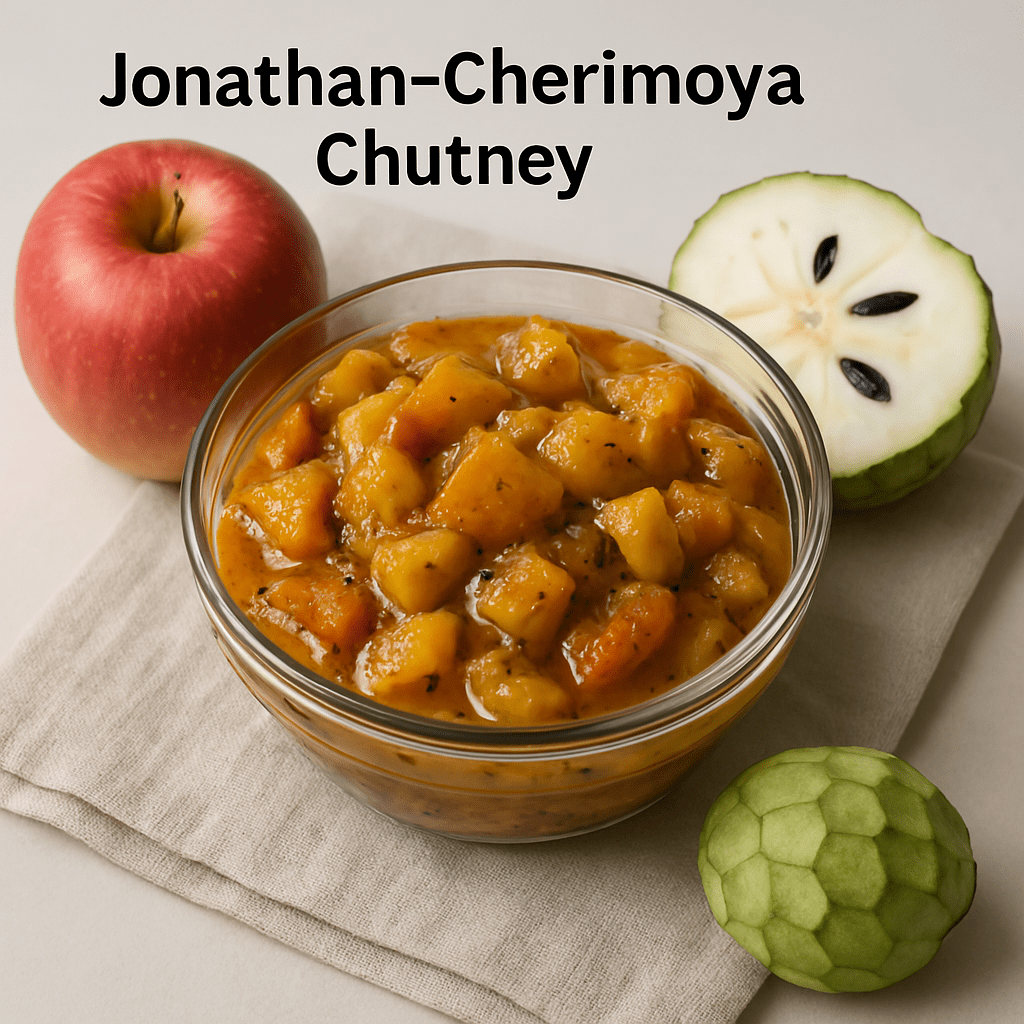
In this recipe, we’ll show you how to make the most of these beautiful apples. From a warm, comforting dessert to a vibrant addition to our fall gatherings, the Apple Jonathan shines in every dish. “Recipe“
🌱 Fruit Revival: Rediscovering Nature’s Forgotten Bounty
It’s the intentional reintroduction of heritage, obscure, and underutilized fruits into modern kitchens, gardens, and markets. From Jonathan apples to jabuticaba, it’s about restoring biodiversity, honoring ancestral knowledge, and reclaiming flavor diversity.
🧬 Why It Matters
- Genetic diversity: Reviving old cultivars helps buffer against climate change and crop disease.
- Cultural preservation: These fruits carry stories of Indigenous innovation, settler resilience, and regional identity.
- Nutritional richness: Many forgotten fruits are nutrient-dense and medicinally valuable.
🛒 Where It Happens
- Farmers’ markets: Local growers often cultivate heirloom varieties that don’t fit commercial molds.
- Home gardens: Seed-saving and permaculture practices bring these fruits back to life.
- Culinary spaces: Chefs and creators like you are crafting chutneys, compotes, and tonics that spotlight these ingredients.
🌿 Reviving Forgotten Fruits: A Sustainable Choice for Home Cooks & Local Markets
Choosing to revive forgotten fruits like Jonathan apples, medlar, and jabuticaba isn’t just about flavor—it’s a sustainable choice that nourishes the planet and honors cultural heritage.
🍏 Why It Matters
- Forgotten fruits often require less chemical input, making them ideal for organic and regenerative farming.
- They support local ecosystems, attracting pollinators and enriching soil biodiversity.
- Cultivating these varieties helps preserve genetic diversity, buffering against climate change and crop disease.
🛒 From Orchard to Market
- Supporting farmers who grow heritage fruits encourages low-impact agriculture and seasonal eating.
- These fruits often thrive in mixed orchards, reducing the need for monoculture and synthetic fertilizers.
- Choosing them at farmers’ markets or growing them at home is a vote for resilient food systems.
🍽️ In the Kitchen
- Recipes like Jonathan-cherimoya chutney or apple-jabuticaba compote celebrate biodiversity while reducing food waste.
- Cooking with obscure fruits invites mindful consumption, reconnecting us with nature’s rhythms.
Know Before You Bite:
Mindful Fruit Consumption for EveryBody
Not all fruits are universally friendly. While Jonathan apples and their obscure allies offer rich nutrition and cultural depth, some individuals may need to pause before indulging. This series helps readers make informed, safe, and sustainable choices.
⚠️ Potential Cautions
| Group | Why to Be Cautious |
|---|---|
| Allergy-prone individuals | May react to raw apples due to oral allergy syndrome (OAS), especially birch pollen. |
| Kidney disorder patients | Need to monitor potassium intake—Jonathan apples contain moderate levels. |
| Acid-sensitive individuals | Tartness may aggravate acid reflux or gastric sensitivity. |
| People with hereditary fructose intolerance (HFI) | Should avoid apples entirely due to fructose and sorbitol content. |
🍽️ Safe Enjoyment Tips
- Cook or roast apples to neutralize allergens and reduce acidity.
- Pair with alkaline foods like oats, greens, or yogurt to balance digestion.
- Space out consumption from medications that interact with fiber or potassium.
🌟 Why It Matters: Reviving Fruits, Restoring Wisdom
In an age where convenience often overshadows heritage, rediscovering fruits like Jonathan apples is a rebellion in favor of depth—nutritional, ecological, and cultural. Each bite carries generations of forgotten knowledge, medicinal insight, and seasonal rhythm.
Reviving these fruits isn’t just about flavor—it’s a gesture of sustainability, supporting biodiversity and resilient food systems. It’s about championing small growers, embracing imperfection, and reconnecting with the wisdom of our ancestors who understood the balance between land, body, and spirit.
Choosing Jonathan apples, cherimoya, jabuticaba, and their obscure allies isn’t just a culinary choice. It’s a statement of values—a commitment to nourishment that honors both tradition and transformation. And it starts one orchard, one recipe, one post at a time.
Let the revival begin. 🍎
 EJADA
EJADA 
Leave a comment