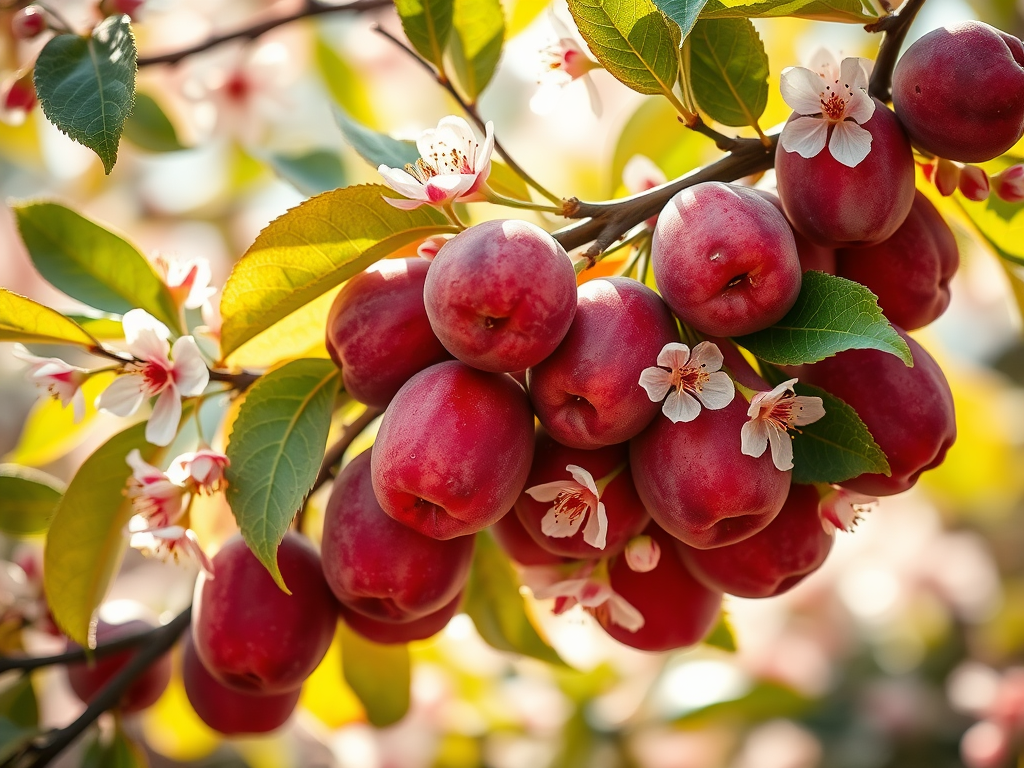
🌸 Good News About the Japanese Plum: Nature’s Tart Treasure
The Japanese plum—known as ume—is more than just a fruit. It’s a symbol of resilience, renewal, and healing that has graced Japanese gardens and kitchens for centuries. And now, science is catching up to tradition with exciting news.
📜 First Uses of Japanese Plum
🏺 Traditional Medicine
- In medieval Chinese literature, Japanese plums were used to treat respiratory and digestive ailments.
- The pickled form (umeboshi) was valued for its antibacterial properties, especially in preserving food and aiding digestion.
🧘 Cultural Symbolism
- Plum blossoms were celebrated in poetry and art, symbolizing resilience, purity, and renewal—especially because they bloom in late winter, defying the cold.
- The plum blossom was featured in Japan’s oldest poetry anthology, the Man’yōshū, and even inspired the name of the current Reiwa Era
🍶 A Heart-Healthy Elixir
Recent research from Temple University reveals that juice concentrate from Japanese plums (bainiku-ekisu) may help prevent hypertension and protect against cardiovascular disease. In animal studies, this tart elixir reduced blood pressure and inflammation, offering a promising natural complement to conventional treatments.
“Taking bainiku-ekisu may prevent complications associated with hypertension such as heart attack and stroke,” says Dr. Satoru Eguchi, lead researcher.
🌿 Ancient Wisdom Meets Modern Wellness
Japanese plums have long been used in traditional medicine to aid digestion, reduce inflammation, and support immunity. Whether pickled into umeboshi or steeped into umeshu liqueur, their tartness has been cherished not just for flavor—but for vitality.
🍑 Culinary Versatility
From plum syrups and jams to savory sauces and teas, Japanese plums shine in both sweet and sour dishes. Their high pectin content makes them ideal for preserves, while their natural acidity adds depth to marinades and dressings.
🌱 A Garden Gem
Japanese plum trees are evergreen in warmer climates and bloom with fragrant flowers that signal spring’s arrival. With over 800 varieties, they’re a favorite among gardeners for their beauty, resilience, and fruitfulness3.
🥗 Healthy Culinary Uses of Japanese Plums
Japanese plums aren’t just medicinal marvels—they’re culinary powerhouses that elevate everyday meals with a tangy twist and a dose of wellness.
🍙 Umeboshi Onigiri (Rice Balls)
These pickled plums are a classic filling for rice balls, offering:
- Natural antibacterial properties to preserve food
- Digestive support from citric acid and fiber
- A satisfying salty-sour punch that balances plain rice
🍵 Ume Plum Tea
Steep a shredded umeboshi plum in hot kukicha tea with ginger and coconut aminos:
- A warming detox drink
- Supports liver function and immunity
- Great for hangovers or fatigue
🥒 Cucumber & Ume Salad
Mix chopped umeboshi with crushed cucumber and toasted sesame seeds:
- Refreshing and hydrating
- Rich in antioxidants
- Perfect as a cooling side dish
🍜 Ume Toppings for Noodles
Add umeboshi to ramen, udon, or somen:
- Enhances flavor with natural acidity
- Aids digestion after heavy meals
- Adds visual appeal and umami depth
🧂 Umeboshi Paste & Vinegar
Use as a condiment or marinade base:
- Ideal for salad dressings, dips, and grilled veggies
- Low-calorie flavor booster
- Packed with polyphenols and minerals
Japanese plums (ume) are small but mighty when it comes to nutrition.
| Vitamin C | ~25 mg | Boosts immunity, collagen production |
| Vitamin A | ~11 mcg | Supports vision, skin health |
| Dietary Fiber | ~3.6 g | Aids digestion, promotes satiety |
| Potassium | ~371 mg | Regulates blood pressure, heart function |
| Calcium | ~14 mg | Strengthens bones and teeth |
| Iron | ~0.36 mg | Supports oxygen transport, prevents anemia |
| Protein | ~1.8 g | Helps with tissue repair and enzyme function |
| Carbohydrates | ~29 g | Provides energy |
| Total Sugars | ~25 g | Natural sweetness, quick energy source |
| Fat | ~0.7 g | Very low—great for heart-conscious diets |
Japanese plums are also rich in polyphenols and antioxidants, especially when fermented into umeboshi or concentrated into bainiku-ekisu. These compounds help fight inflammation, support cardiovascular health, and may even protect against certain chronic diseases
⚖️ Japanese Plums & Weight Loss: A Tangy Ally
🧂 Low in Calories, Big on Flavor
- Just 1 gram of umeboshi contains under 7 calories, making it a flavorful, guilt-free snack.
- Their intense salty-sour taste satisfies cravings, helping reduce the urge for high-calorie snacks.
🌾 High in Dietary Fiber
- Fiber promotes satiety, keeping you full longer and curbing overeating.
- It also supports digestive regularity, which is key for metabolic health.
🔥 Natural Metabolism Boost
- The citric acid in Japanese plums may help enhance metabolism and reduce fatigue.
- Some studies suggest ume extract improves gastric motility, aiding digestion and nutrient absorption2.
🧪 Blood Sugar Stabilization
- Umeboshi may help normalize blood sugar levels, reducing insulin spikes that lead to fat storage.
- This makes them a smart choice for those managing cravings or energy dips.
While they’re not a magic bullet, incorporating umeboshi into meals—like salads, teas, or rice dishes—can support a balanced approach to weight loss.
🍽️ Slim with Ume: Japanese Plum Recipes for Weight Wellness
🥒 Ume & Cucumber Salad
Ingredients:
- 2 Japanese cucumbers, smashed and sliced
- 1 umeboshi plum, chopped
- 1 tsp sesame oil
- Toasted sesame seeds
Benefits: Hydrating, crunchy, and fiber-rich—perfect for digestive support and staying full without heavy calories.
🍵 Ume Ginger Tea
Ingredients:
- 1 umeboshi plum
- 1 slice fresh ginger
- 1 cup hot water
- Optional: dash of coconut aminos
Benefits: Warming and detoxifying—citric acid boosts metabolism and ginger soothes digestion.
🥗 Ume Avocado Bowl
Ingredients:
- 1 avocado, sliced
- ½ tsp umeboshi paste
- Shredded nori
- Cherry tomatoes
Benefits: Healthy fats meet tangy antioxidants—great as a satisfying snack or light lunch.
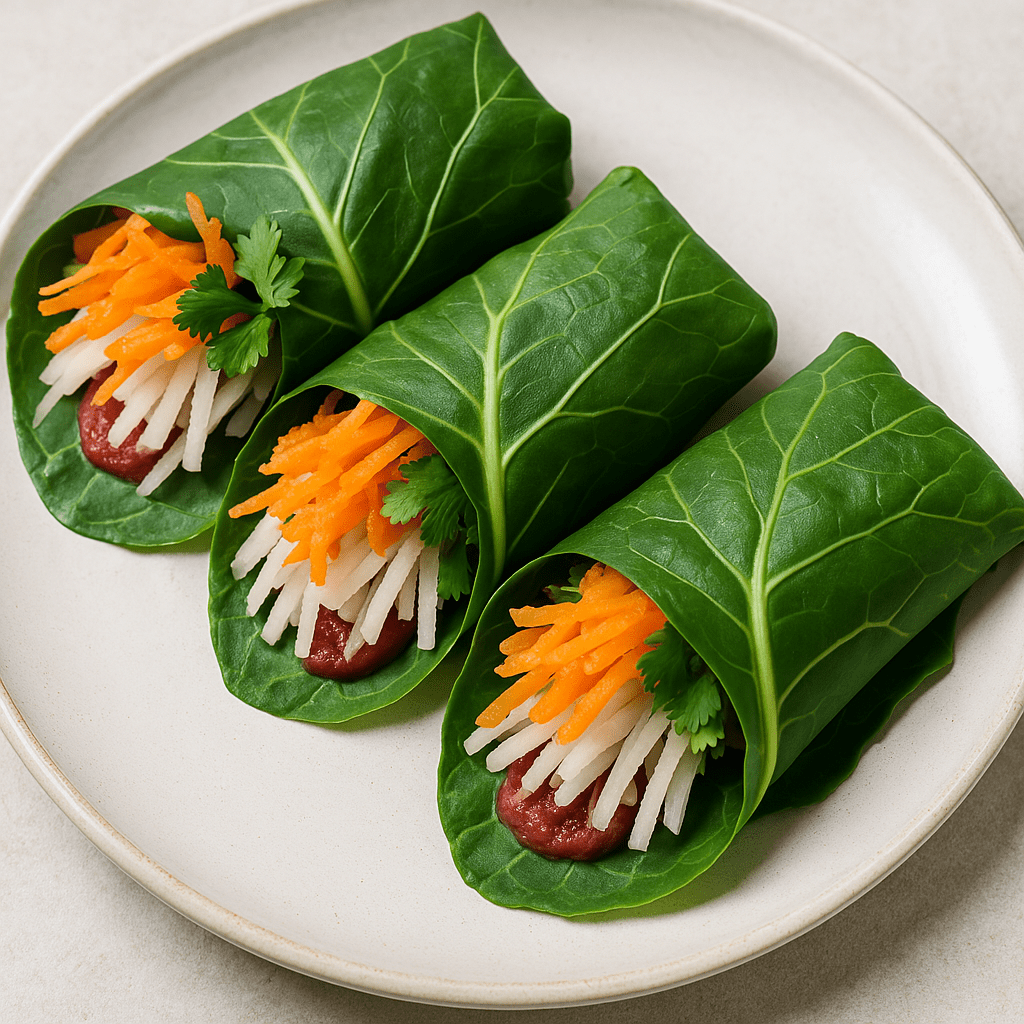
🌯 Ume Collard Wraps Ingredients: Collard leaves
Umeboshi paste
Grated carrot
Daikon radish
Cilantro
Benefits: Low-carb, nutrient-dense wraps with bold flavor and anti-inflammatory perks.
🌿 Health Benefits of Japanese Plums (Umeboshi)
❤️ Cardiovascular Support
- Baniku-ekisu, a plum skin extract, may help prevent atherosclerosis by blocking arterial hardening.
- Rich in potassium, which helps regulate blood pressure and heart rhythm.
🧠 Antioxidant Protection
- Contains over 20 antioxidant compounds, including polyphenols and citric acid.
- Helps neutralize free radicals, reducing the risk of chronic diseases and slowing aging.
🧬 Cancer-Fighting Potential
- Studies show ume extract can inhibit growth of liver, pancreatic, breast, and skin cancer cells—while sparing healthy cells.
🦴 Bone Strength
- High in polyphenols that stimulate collagen production and support osteoblast activity, improving bone density.
🦷 Oral Health
- Exhibits antibacterial properties that fight gum disease and cavity-causing bacteria.
🧃 Liver Detoxification
- Contains picric acid, which enhances liver function and helps detoxify the body.
- May reduce damage from alcohol, obesity, and hepatitis.
🧘 Digestive Harmony
- Natural laxative effects improve gastric motility and relieve constipation.
- May reduce acid reflux and bloating when consumed regularly.
🩸 Blood Sugar Balance
- Helps normalize glucose uptake, stabilizing blood sugar levels and reducing insulin spikes.
🦠 Immune Boost & Flu Relief
- Traditional remedy for colds and flu, thanks to its antibacterial and alkalizing properties.
- Often consumed with rice porridge during illness for soothing recovery.
🧭 Final Thoughts: A Tart Fruit with Timeless Goodness
From ancient healing rituals to cutting-edge cardiovascular research, the Japanese plum (ume) has journeyed across millennia as both remedy and revelation. Its bold flavor isn’t just culinary flair—it’s tradition, science, and vitality packed into every bite.
And here’s one little-known marvel: 🍶 During traditional preparation, a compound called mumefural forms when ume juice is gently heated.
Modern science shows this rare compound can improve blood flow, reduce blood viscosity, and may help prevent strokes and heart disease—a discovery tucked inside centuries of wisdom.
The more we learn, the more this tart treasure continues to blossom—inviting us to sip, savor, and stay curious.
 EJADA
EJADA 
Leave a comment