
Yuzu (Citrus junos) is believed to have originated in central China, likely in the upper basin of the Yangtze River, as a hybrid between the mangshanyeju mandarin and the Ichang papeda2. It was introduced to Japan via the Korean Peninsula during the Tang Dynasty (618–907 AD)4. While the exact individual who brought it to Japan isn’t recorded, its arrival coincided with a period of rich cultural exchange between China, Korea, and Japan.
🌞 Yuzu’s Big Benefits: A Citrus Legacy of Wellness
Yuzu isn’t just a tangy delight — it’s a functional superfruit steeped in centuries of healing, ritual, and culinary brilliance. Here’s why it deserves a starring role in your EJADA content:
💪 1. Immune Powerhouse
- Packed with vitamin C, flavonoids, and limonene
- Fights infections, boosts collagen, and supports seasonal resilience
❤️ 2. Heart & Circulation Support
- Natural blood-thinning compounds like hesperidin and naringin
- Promotes healthy blood flow and reduces cholesterol
🧠 3. Brain & Mood Enhancer
- Antioxidants protect against cognitive decline
- Yuzu’s aroma reduces stress, anxiety, and mental fatigue
🌿 4. Anti-Inflammatory & Detoxifying
- Reduces inflammation linked to arthritis, asthma, and IBD
- Supports liver function and gentle detoxification
👁️ 5. Vision & Skin Radiance
- Rich in vitamin A and antioxidants
- Protects eyes from degeneration and skin from oxidative stress
🫁 6. Respiratory Relief
- Traditional use in solstice baths and aromatherapy
- Opens airways and soothes congestion
🧬 7. Cancer-Fighting Potential
- Limonoids and flavonoids show promise in inhibiting tumor growth
From ancient solstice rituals to modern mixology, Yuzu bridges tradition and science — a fragrant symbol of renewal, resilience, and radiant health.
🧭 Traditional and Culinary Uses in Japan
Yuzu quickly became a staple in Japanese life, valued for its aromatic zest, tart juice, and medicinal properties. Here’s how it’s been used:
Culinary Uses:
Ponzu sauce: A citrus-based soy sauce used in hot pots and sashimi6
Yuzu kosho: A spicy paste made from yuzu zest and chili peppers6
Yuzu vinegar and marmalade: Used in sushi rice and desserts
Yuzu baths (Yuzuyu): A winter solstice tradition believed to ward off colds and promote relaxation
Aromatherapy: Its essential oils are used to reduce stress and anxiety
Cosmetic and Wellness Products:
Found in skincare, hair oils, and perfumes due to its high vitamin C and antioxidant content
🌿 Cultural Significance
In Japan, Yuzu is more than just a fruit—it’s a symbol of health, longevity, and seasonal change. Towns like Umaji in Kochi Prefecture have revitalized their economies around yuzu cultivation, even hosting festivals like the Yuzu Hajimaru Festival.
Cocktails and teas: Especially popular in winter for their warming and immune-boosting effects
🍋 Yuzu Elixirs: A Cultural and Medicinal Celebration
🧉 Botanical Brilliance
Yuzu (Citrus junos) isn’t just tangy citrus—it’s an ancient hybrid rooted in East Asia and carried through centuries of healing and culinary tradition. Rich in flavonoids, vitamin C, and limonene, yuzu supports immunity and reduces inflammation.
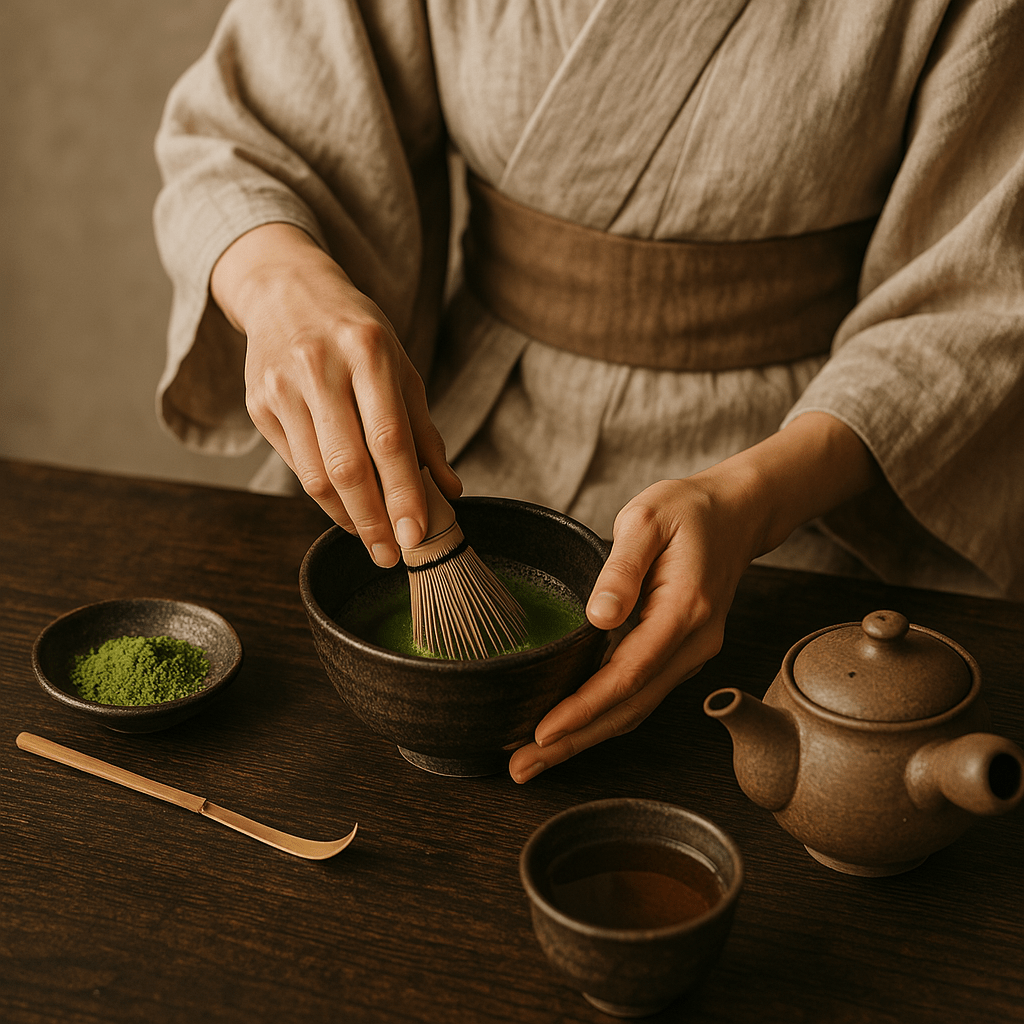
🍵 Tea Ritual with Yuzu: A Ceremony of Wellness
🌸 Ingredients
- 2 Tbsp homemade yuzu marmalade (see recipe below)
- 1 cup hot water
- Optional: Sliced ginger, cinnamon stick
🌿 Ritual Flow
- Spoon marmalade into a ceramic cup
- Gently pour steaming water
- Stir slowly, inhaling the citrus aroma
- Sip in silence — a moment of seasonal gratitude
This tea, like Indigenous herbal infusions from cedar or sweetgrass, invites the body and spirit to align with Earth’s cycles.
🍸 Yuzu Cocktails: Botanical Mixology
🌞 Yuzu & Gin Sparkler
- Juice of 1 yuzu
- 2 oz craft gin
- ½ oz simple syrup
- Club soda, mint garnish
Method: Shake yuzu, gin, and syrup with ice, strain, top with soda.
🌿 Blood Orange Yuzu Pitcher
- Yuzu juice + blood orange
- Vodka, basil, cucumber
- Sparkling water finish
Method: Muddle herbs, stir with juices and vodka, serve over ice.
🛒 Yuzu in the U.S.: Forms, Functions & Where to Find Them
| 🍹 Yuzu Juice | Culinary & Mixology | Marinades, dressings, teas, cocktails | Asian markets, gourmet stores, online |
| 🌶️ Yuzu Kosho | Culinary | Condiment for sushi, grilled meats, noodles | Japanese groceries, specialty spice shops |
| 🍯 Yuzu Marmalade | Culinary & Wellness | Stir into hot water, desserts, or marinades | Korean stores, online retailers |
| 🍋 Dried or Powdered Peel | Culinary, Medicinal & Cosmetic | Baked goods, teas, face masks, bath salts | Herbal shops, apothecaries, online platforms |
| 🧴 Yuzu Skincare Products | Cosmetic & Aromatherapy | Moisturizers, serums, hair oils, stress-relief blends | Natural beauty shops, online (Sephora, Etsy) |
| 🍶 Ponzu Sauce | Culinary | Salad dressings, dipping sauces, marinades | Supermarkets, Asian food aisles |
| 🪴 Fresh Yuzu (Domestic) | Culinary & Experimental Uses | Zest, juice, and visual garnish | Farms in CA & FL (seasonal, online orders) |
🧿 Selection Tips
- Freshness matters: Choose products with short ingredient lists and minimal preservatives.
- Cross-cultural blends: Yuzu marmalade pairs beautifully with herbal teas like rooibos or yerba maté.
- Functional value: Skincare with real yuzu extract offers better antioxidant benefits than synthetic fragrance-only formulas.
Pro Tip for EJADA: Highlight retailers that support sustainable farming or offer seasonal kits around winter solstice — it ties into yuzu’s ritual significance beautifully.
🔬 Scientific Echoes & Indigenous Parallels
Yuzu’s essential oils act as natural mood enhancers. Traditional medicine in Japan and Korea uses yuzu for:
- Detoxification
- Respiratory relief
- Skin rejuvenation
Much like Indigenous teas, yuzu carries seasonal symbolism, used in solstice baths and winter rituals for renewal and strength.
⚠️ Medication Interactions and Side Effects of Yuzu
🩸 Blood Thinners
- Interaction: Yuzu contains compounds like hesperidin and naringin that may have anticoagulant effects.
- Risk: If you’re taking medications like Warfarin (Coumadin) or Aspirin, yuzu could enhance blood thinning, increasing the risk of bleeding.
🌿 Citrus Sensitivities
- Contact Dermatitis: Handling yuzu peel may cause burning, itching, or dry skin in sensitive individuals.
- Allergic Reactions: People with citrus or pollen allergies may experience rash, wheezing, or chest tightness.
🧬 Gastrointestinal Discomfort
- Symptoms: Some may experience heartburn or mouth irritation, especially if undergoing chemotherapy or have acid reflux.
🦷 Dental Health
- Acidity Warning: Like other citrus fruits, yuzu’s high acidity can erode tooth enamel. It’s best to rinse or brush after consuming it regularly.
🧠 When to Be Cautious
If you’re taking:
- Anticoagulants
- Chemotherapy drugs
- Medications that affect liver enzymes (like statins or antidepressants)
…it’s wise to consult your healthcare provider before adding yuzu to your diet or wellness routine.
🧬 Nutritional Profile of Yuzu (per 100g)
| Nutrient | Amount | % Daily Value |
|---|---|---|
| Calories | 20 kcal | — |
| Carbohydrates | 9 g | 3% |
| Sugars | 2 g | 4% |
| Dietary Fiber | 2 g | 7% |
| Protein | 2 g | 4% |
| Fat | 0 g | — |
| Vitamin C | 59–100 mg | 65–111% |
| Vitamin A | 31% DV | — |
| Potassium | ~115 mg | 2% |
| Iron | ~0.5 mg | 3% |
Yuzu is especially rich in antioxidants like flavonoids, limonene, and carotenoids — compounds that support immunity, reduce inflammation, and protect against oxidative stress2.
🌿 Nutritional Highlights
- Immune Boost: High vitamin C content rivals that of oranges
- Heart Health: Flavonoids like hesperidin and naringin support circulation
- Skin & Mood: Antioxidants promote collagen synthesis and reduce stress
- Low-Calorie & Low-Glycemic: Ideal for light, functional recipes
🍵 Yuzu Teas: Where Ritual Meets Remedy
Yuzu tea isn’t just a beverage — it’s a seasonal ceremony, a wellness tonic, and a cultural bridge between East Asian traditions and modern healing.
🌿 Types of Yuzu Teas
| Tea Type | Ingredients | Benefits |
|---|---|---|
| Yuja-cha (Korean) | Yuzu marmalade + hot water | Immune boost, digestion, cold relief |
| Yuzu Green Tea | Sencha + dried yuzu peel | Antioxidants, stress relief, heart health |
| Yuzu Herbal Blends | Yuzu + ginger, cinnamon, or rooibos | Anti-inflammatory, warming, calming |
🌸 Why Yuzu Teas Shine
- Vitamin C powerhouse: Fortifies immunity and skin health
- Aromatic therapy: Limonene and linalool reduce anxiety and uplift mood
- Digestive support: Natural enzymes and fiber ease bloating and discomfort
- Seasonal symbolism: Traditionally sipped during winter solstice for renewal
Much like Indigenous herbal infusions — from cedar tea to yerba maté — yuzu teas invite reflection, healing, and connection to nature’s rhythms.
 EJADA
EJADA 
Leave a comment