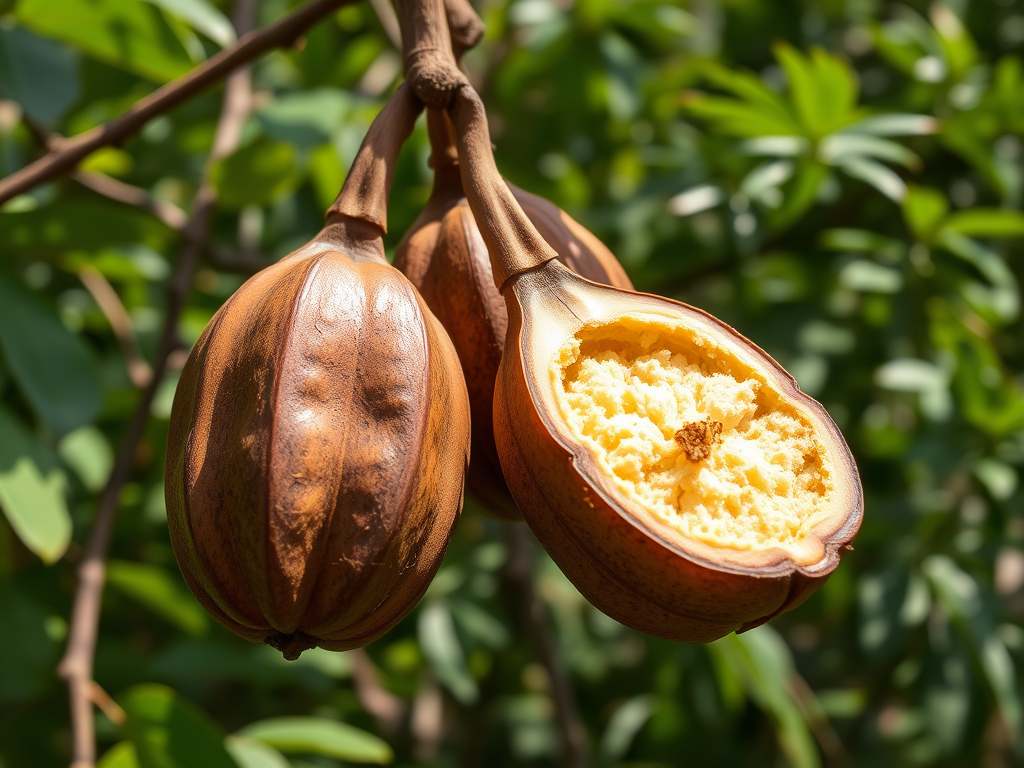
🍈 Jatoba Fruit (aka Stinking Toe Fruit) is a fascinating tropical delicacy with a pungent reputation and a rich cultural history.
🍈 What’s in a Name?
Jatoba—also known as West Indian Locust or the infamous “Stinking Toe Fruit”—is a tropical marvel treasured across the Caribbean and South America. Despite its pungent reputation, it offers a sweet surprise and powerful medicinal legacy.
🌍 Where It All Began
Used for centuries by Indigenous communities from the Amazon Basin to Jamaican hillsides, Hymenaea courbaril has long been a botanical pillar in traditional medicine, culinary experiments, and even spiritual practices. Its biblical nod as the possible “locust” eaten by John the Baptist only deepens its mystique.
🌍 Origin & Discovery
Scientific name: Hymenaea courbaril
Native regions: Central and South America, including Brazil, Jamaica, and the Caribbean
Common names: Jatoba, West Indian Locust, Brazilian Cherry, Guapinol, Stinking Toe
- Scientific name: Hymenaea courbaril
- Native regions: Central and South America, including Brazil, Jamaica, and the Caribbean
- Common names: Jatoba, West Indian Locust, Brazilian Cherry, Guapinol, Stinking Toe
Indigenous peoples of the Amazon and Caribbean have used the tree for centuries—not just for its fruit, but also its bark, resin, and wood. It’s been a staple in traditional medicine and local diets
It’s the hard, woody pod produced by the tropical tree Hymenaea courbaril, commonly called jatoba or Stinking Toe.
Key points:
Botanically it belongs to the Fabaceae (legume) family, so it’s a cousin to peas and beans, but its texture and flavor are unique—sweet vanilla notes with a famously pungent aroma.
The jatoba “fruit” is a leguminous pod, 3–5 inches long, that encloses large seeds surrounded by a dry, powdery pulp.
That pulp—the part eaten raw, dried into a flour, or blended into drinks and baked goods—is what most people think of when they refer to jatoba fruit.
Taste: Surprisingly sweet, often compared to vanilla milk or powdered sugar
Appearance: Oval-shaped pods, 3–5 inches long, with a hard, woody brown shell
Flesh: Dry, powdery pulp surrounding large seeds; pale yellow to light brown
Smell: Infamously strong—likened to rotting flesh or stinky feet (hence the nickname “Stinking Toe”)
✨ From Forest to Future
Jatoba stands as a powerful symbol of resilience and renewal—connecting Indigenous wisdom with modern science. Its benefits deserve the spotlight, not just as food but as a healing narrative.
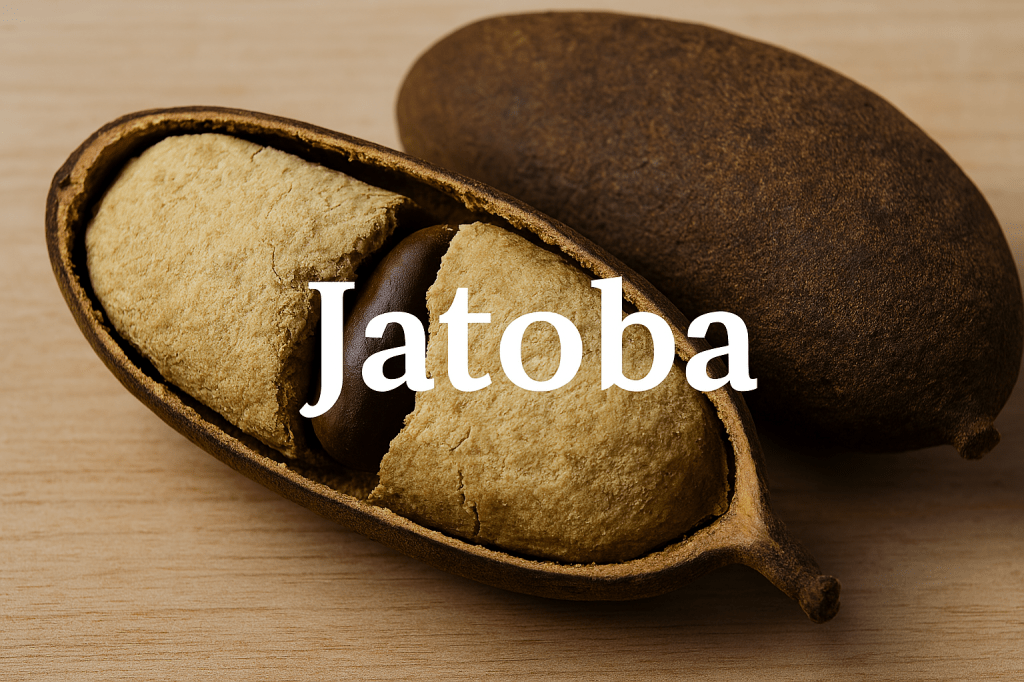
Flavor, Form & Funk
Appearance: Hard, woody pods resembling chunky toes.
Inside: Dry, powdery pulp with a warm vanilla flavor
Smell: Unapologetically strong—hence the nickname!
🍽 Culinary
- Raw consumption: Popular among children in Jamaica and Brazil
- Baked goods: Used in broinhas (soft biscuits) and cakes
- Punches & smoothies: Blended with banana, oats, pumpkin, and even rum for a creamy drink
- Thickener: Added to soups and stews for texture
🧪 Healing Traditions
- 🌬️ Bark tea calms asthma, coughs, and bronchitis
- 🧠 Pulp boosts energy, supports digestion, and relieves fatigue
- 🦠 Resin combats infection, treats wounds and skin ailments
- 🚿 Diuretic effect supports kidney and urinary health
🌿 Medicinal
- Respiratory health: Bark tea used for asthma, bronchitis, and coughs
- Digestive aid: Treats diarrhea, constipation, and indigestion
- Energy booster: Traditionally used to combat fatigue
- Antimicrobial: Resin and bark applied to wounds and skin infections
- Urinary health: Acts as a diuretic and supports kidney function
- Enjoy raw (if you’re bold!)
- Blend into creamy punches with oats, banana, or pumpkin
- Bake into traditional Brazilian broinhas (biscuits)
- Use as a thickener for soups and stews
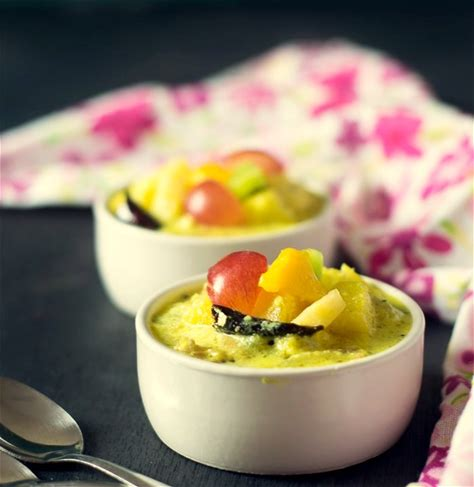
Fruit Pachadi Recipe Ingredients
- •2 cups Mixed Fruits
- •1.5 cups Curd
- •0.25 teaspoon Turmeric Powder
- •2 teaspoons Jaggery
- •Salt
- •As Required
- •0.25 cup Fresh Coconut
- •2 Green Chillies
- •2 teaspoons Mustard Seeds
- •2 Dry Red Chilli
- •1 teaspoon Oil
- •1 sprig Curry Leaves
Availability of Jatoba Fruit
Fresh Markets
- In its native range (Central America, the Caribbean, and tropical South America), fresh jatoba pods are typically sold in local open-air markets and roadside stands.
- Small-scale plantings exist in Southern Florida and Southern California, where artisanal growers offer pods directly to specialty markets and farm stands.
Seasonality
| Region | Fresh Season |
|---|---|
| Amazon Basin & Caribbean | June – September |
| Central & South America (wild) | June – September |
| Florida & California (cultivated) | July – October |
Dry Forms & Online Retail
- Jatoba powder (“flour”), extracts, and supplements are available year-round.
- Online marketplaces such as Amazon, eBay, and specialized herbal or health-food sites stock jatoba powder, capsules, and teas.
Tips for Sourcing
- When buying fresh pods outside their native range, look for vendors who ship harvested pods in ventilated packaging to prevent mold.
- For powders and supplements, choose products with clear sourcing information and minimal additives.
- Check harvest dates or batch numbers to ensure freshness, especially for dried pulp—older powder can lose flavor and potency.
With these pointers, you’ll know where and when to find jatoba fruit in any form—whether you’re cracking open a fresh pod in the tropics or blending powdered pulp into a smoothie at home!
1. Selecting & Preparing the Pods
Look for mature pods with a hard, dry shell that’s turned brown or dark brown. A gentle shake should reveal the dry, powdery pulp rattling inside. Always choose pods free of cracks or mold for the best flavor and ease of opening.
2. Opening the Shell
- Place the pod on a sturdy surface and cover it with a kitchen towel to catch shards.
- Tap firmly along its length with a small hammer or the back of a heavy knife until the shell cracks.
- Pry the shell open with your hands or a flat knife, taking care not to gouge the pulp.
Traditional foragers often use stones instead of tools, but either method works as long as you avoid crushing the edible interior.
3. Extracting & Cleaning the Pulp
• Lift out the pale yellow to light-brown pulp clinging to the seeds—this is the edible part. • Inspect and gently brush away any shell fragments; a quick rinse under cold water is optional but can reduce grit. • Pat the pulp dry if you plan to eat it immediately; any moisture will accentuate its natural sweetness.
4. Eating Raw
• Tear off small pieces of pulp and let them dissolve on your tongue—the flavor is a sweet, vanilla-milk note beneath the punchy aroma. • To manage the strong foot-like smell, pinch your nose or enjoy with a sip of cool water. • In Jamaica and Brazil, children often eat the pulp straight from the pod as a roadside snack.
5. Making Jatoba Powder (“Flour”)
- Spread cleaned pulp in a thin layer on a baking sheet.
- Dry in a low oven (130°F–150°F) or a dehydrator until fully brittle.
- Push the dried pieces through a fine sieve or blend briefly to yield a light brown “jatoba flour.”
- Store in an airtight jar; it keeps for up to six months in a cool, dark pantry.
6. Culinary Uses
a. Broinha de Jatobá (Brazilian Biscuits)
- Combine 220 g all-purpose flour, 160 g fubá (cornmeal), 100 g jatoba powder, pinch of salt, 1 tsp bicarbonate, 1 tsp fennel seeds, 240 g sugar.
- Stir in 100 g melted butter and 1 egg, then add 100 mL cold milk to form a soft dough.
- Shape 1½-inch balls, brush with beaten egg, and bake at 180 °C (350 °F) for 20 minutes.
b. Stinking Toe Punch (Creamy Beverage)
- Blend 1 lb jatoba pulp, 1 banana, ¼ lb pumpkin (boiled), ½ cup oats, 3–4 boiled potatoes, ½ cup peanuts, ½ cup condensed milk, and enough water or milk to reach desired consistency.
- Serve chilled, optionally spiked with rum.
c. Natural Thickener & Sweetener
- Stir 1–2 tbsp jatoba powder into soups, stews, or porridges for body and a subtle vanilla sweetness.
d. Smoothies, Ice Cream & Desserts
- Add 1–2 tbsp powder to fruit smoothies or milkshakes.
- Swirl into homemade ice cream, custards, or pudding for flavor and fiber boost.
7. Storage Tips
• Whole pods: Store in a cool, dry pantry for several weeks—ventilation prevents mold. • Fresh pulp: Keep in the fridge for up to one week, tightly wrapped. • Dried powder: Seal in an airtight container; use within six months to enjoy full aroma and potency.
With these steps, you can conquer the “toe” in Stinking Toe Fruit and unlock its sweet, nutritious potential—no matter how you choose to enjoy it!
🍮 Description
- Appearance: Oval-shaped pods, 3–5 inches long, with a hard, woody brown shell
- Flesh: Dry, powdery pulp surrounding large seeds; pale yellow to light brown
- Smell: Infamously strong—likened to rotting flesh or stinky feet (hence the nickname “Stinking Toe”)
- Taste: Surprisingly sweet, often compared to vanilla milk or powdered sugar
🧪 Uses
🍽 Culinary
- Raw consumption: Popular among children in Jamaica and Brazil
- Baked goods: Used in broinhas (soft biscuits) and cakes
- Punches & smoothies: Blended with banana, oats, pumpkin, and even rum for a creamy drink
- Thickener: Added to soups and stews for texture
🌿 Medicinal
- Respiratory health: Bark tea used for asthma, bronchitis, and coughs
- Digestive aid: Treats diarrhea, constipation, and indigestion
- Energy booster: Traditionally used to combat fatigue
- Antimicrobial: Resin and bark applied to wounds and skin infections
- Urinary health: Acts as a diuretic and supports kidney function
Nutritional Profile (per 100 g dried jatoba pulp)
| Nutrient | Amount |
|---|---|
| Calories | 309 kcal |
| Protein | 5.9 g |
| Total fat | 2.2 g |
| Total carbohydrate | 75.3 g |
| Dietary fiber | 13.4 g |
| Calcium | 28 mg |
| Phosphorus | 143 mg |
| Iron | 3.2 mg |
| Vitamin C | 11 mg |
| Thiamine (B1) | 0.23 mg |
| Riboflavin (B2) | 0.14 mg |
| Niacin (B3) | 4.1 mg |
Precautions and Safety Considerations for Jatoba Fruit
Allergies and Sensitivities
- Jatoba belongs to the legume family (Fabaceae).
- Individuals with known legume allergies (e.g., to peas or beans) should approach cautiously or consult an allergist before trying jatoba.
Digestive Effects
- The dry, powdery pulp can be very astringent if eaten raw in excess, potentially causing throat irritation or a “dusty” feeling.
- Some people report nausea or mild diarrhea when first introducing jatoba powder or extracts.
Drug Interactions
- Jatoba extracts contain bioactive compounds that may affect cytochrome P450 enzymes, altering the metabolism of certain medications (e.g., blood thinners, immunosuppressants).
- Always check with your healthcare provider if you’re on prescription drugs before adding jatoba supplements to your regimen.
Pregnancy and Breastfeeding
- There’s insufficient clinical data on the safety of jatoba during pregnancy or lactation.
- To stay on the safe side, pregnant or nursing women should avoid jatoba extracts unless explicitly cleared by a qualified healthcare professional.
Sleep and Stimulant Effects
- Traditional users and some supplement studies note a mild stimulant effect, which can disrupt sleep if consumed in the evening.
- It’s best to take jatoba–based teas or extracts earlier in the day.
Preparation and Handling
- Crack pods using a covered surface and protective gloves or a kitchen towel to prevent shell shards from flying.
- Rinse and inspect pulp carefully to remove any shell fragments or debris before consumption.
Storage and Contamination Risks
- Store whole pods in a cool, dry, well-ventilated area to prevent mold growth.
- Keep jatoba powder or flour in airtight containers, away from moisture, to maintain quality and reduce microbial contamination.
Always start with small amounts of jatoba—whether raw pulp, powder, or extract—and monitor how your body responds. If you experience any adverse effects, discontinue use and seek medical advice.
Jatoba fruit delivers a unique blend of sweet, vanilla-like flavor and potent traditional remedies, all packed into a sturdy leguminous pod. While its culinary versatility—from raw nibbling to broinhas and smoothies—makes it a delightful addition to your pantry, be mindful of allergies, drug interactions, and proper preparation to enjoy it safely.
Little-Known Facts about Jatoba Fruit
Here are some surprising tidbits to deepen your appreciation of this tropical gem:
Each compound leaf carries exactly two leathery leaflets (bifoliate foliage), a relatively rare trait among canopy-forming tropical trees .Wrap-Up
The tree exudes a resin called animé, commercially known as copal, which is prized for incense, perfume, and varnish production .
Individual pods weigh just 10–50 g, yet the edible pulp accounts for less than 20% of that weight, making every bite a concentrated treat .
Jatoba trees can tower up to 45 m and live for centuries—some specimens surpass 300 years of age in their native forests .
The wood, marketed worldwide as Brazilian cherry, is exceptionally dense and durable, earning a reputation in high-end furniture, flooring, and decorative crafts .
The powdery pulp is one of the richest plant-based foods known, boasting extremely high concentrations of starch and protein .
Beyond its macronutrients, the pulp is rich in prebiotic fiber, feeding beneficial gut bacteria and supporting digestive health .
Floral buds can reach up to 3.5 cm in length, unfurling into striking yellow petals streaked with red—a dramatic contrast to the pod’s muted exterior .
Fun Fact
Some believe the West Indian Locust tree may be the “locust” referenced in the Bible as food for John the Baptist—a spiritual twist to its already legendary status.
 EJADA
EJADA 
Leave a comment